Cambodia Travel Guides
Practical Tips and Insights for Traveling in Cambodia
Cambodia Travel Guides
Everything You Need to Know Before You Go
At Explorient, we believe every great journey begins with understanding. Our Cambodia Travel Guides offer the insight and preparation to help you experience the Kingdom at its most awe-inspiring — from navigating the gateways to Angkor’s ancient temples to discovering floating villages, bustling markets, and cultural treasures shaped by centuries of resilience and artistry. Inside, you’ll find essential travel tips, practical FAQs, etiquette guidance, and trusted local recommendations. Expertly curated and designed for discerning travelers, these guides ensure your time in Cambodia unfolds with clarity and ease — transforming planning into the prologue of wonder.
PRACTICAL TIPS
- Passport & Visa
- Holidays
- Airport Taxes
- Baggage
- Climate & Clothing
- Communications
- Currency
- Customs & Etiquette
- Customs Regulations
- Electricity
- Food & Water
- Health Matters
- Tipping
- Transportation
- What to Pack
Passports & Visas: Your Seamless Entry to Cambodia
Cambodia’s warm welcome begins at the border. With a valid passport and the right visa in hand, entry is generally straightforward, allowing you to focus on Angkor’s ancient wonders, charming towns, and riverfront life rather than paperwork. A bit of preparation before departure ensures your arrival is smooth, stress-free, and ready for discovery.
Passport Validity
- Your passport must be valid for at least six months beyond your intended date of entry into Cambodia.
- Ensure you have at least one blank page available for entry and exit stamps.
- Airlines and border officials may deny boarding or entry if your passport is close to expiry, so check early and renew if needed.
Tourist Visas & e-Visas
- Most travelers need a visa to enter Cambodia; exceptions apply to a small number of ASEAN and other nationalities with visa-free arrangements for short stays.
- Tourist visas (T-class) are typically issued for stays of up to 30 days.
- Cambodia offers an official e-Visa system for citizens of many countries. You can apply online through the Cambodian government’s e-Visa portal, upload a passport photo, pay the fee, and receive approval electronically.
- E-Visas are generally accepted at major international airports (Phnom Penh, Siem Reap, Sihanoukville) and selected land border checkpoints; always confirm eligible entry points before applying.
Visa on Arrival
- Visa on Arrival is available to many nationalities at Phnom Penh, Siem Reap, and Sihanoukville airports, as well as at several land borders with Thailand, Vietnam, and Laos.
- You will typically need: a valid passport, one passport-sized photo, and cash in USD to pay the visa fee.
- Queues can be longer during peak travel periods, so travelers who prefer a faster, more predictable arrival often opt for the e-Visa instead.
Extensions & Longer Stays
- Tourist visas can often be extended once (usually for an additional 30 days) through the immigration department or a licensed travel agency in Cambodia.
- Overstaying your visa may result in fines and complications on departure, so always track your permitted stay and extend in advance if needed.
Proof of Onward Travel & Funds
- Immigration officers may ask for proof of onward or return travel, showing that you intend to depart within your authorized stay.
- You may also be asked to demonstrate sufficient funds to cover your visit, though such checks are not routine for most tourists.
Where to Double-Check
- Cambodia Ministry of Foreign Affairs & International Cooperation (MFAIC)
- Official Cambodia e-Visa portal
- Cambodian Embassy or Consulate nearest you
- Your country’s official travel advisory website
With your passport in order and visa arranged in advance, entering Cambodia becomes a simple formality — a smooth prelude to temple sunrises, riverside evenings, and days filled with history, culture, and quiet wonder.
Holidays in Cambodia: A Window into Tradition, Faith & Community
Cambodia’s holidays offer a profound glimpse into the country’s spiritual heart and cultural rhythm. Rooted in Buddhist tradition and enriched by royal ceremonies and seasonal celebrations, these festivities transform cities and villages alike with color, devotion, and communal warmth. Visiting during a holiday gives travelers a chance to experience Cambodia at its most heartfelt and culturally alive.
Major Holidays to Know
- Khmer New Year (Mid-April): One of Cambodia’s biggest celebrations, marking the end of the harvest season. Expect joyful gatherings, traditional games, water blessings, and lively festivities across the country.
- Pchum Ben (September–October): A deeply spiritual Buddhist festival honoring ancestors. Temples fill with offerings, prayers, and candlelight as families reconnect with tradition.
- Royal Ploughing Ceremony (May): An ancient royal ritual symbolizing the start of the rice-planting season, held in Phnom Penh. Oxen predictions and ceremonial plowing draw large crowds.
- Water Festival – Bon Om Touk (November): Cambodia’s most vibrant festival, celebrating the reversal of the Tonle Sap River. Expect boat races, floating lanterns, fireworks, and riverfront celebrations in Phnom Penh.
- Visak Bochea (April–May): A serene Buddhist holiday commemorating the birth, enlightenment, and passing of Buddha, observed with temple ceremonies and offerings.
What to Expect as a Traveler
- Cities and temples may be more crowded during major festivals, especially around Angkor Wat and Phnom Penh’s riverside.
- Local participation is enthusiastic — visitors are often welcome to observe respectfully and join public celebrations.
- Some shops, markets, and government offices may close during major holidays, though hotels and tourist services generally operate as usual.
Travel Tips
- Book accommodations early for Khmer New Year and the Water Festival, as demand peaks nationwide.
- Dress modestly when visiting temples during holiday ceremonies; shoulders and knees should be covered.
- Bring a camera — festivals offer extraordinary photo opportunities, from glowing lanterns to traditional costumes.
- Expect traffic delays near festival grounds, especially during boat races and temple events.
Whether you’re watching illuminated boats glide down the Tonle Sap, witnessing sacred rituals in ancient temples, or celebrating alongside local families, Cambodia’s holidays invite you into a world of living tradition — offering cultural richness and heartfelt connection at every turn.
Airport Taxes in Cambodia: Straightforward and Hassle-Free
Traveling through Cambodia is remarkably simple, and that convenience extends to airport taxes. What once required separate payments at departure counters is now seamlessly integrated into your airfare, ensuring a smooth and stress-free experience from check-in to takeoff.
What You Need to Know
- All airport taxes and passenger service fees are included in the price of your airline ticket at the time of purchase.
- Charges vary slightly depending on airline and destination, but they are automatically itemized in your fare breakdown.
- No additional payments are required at the airport — all fees are processed electronically.
Helpful Tips
- Review your e-ticket or booking confirmation for details, usually labeled as “Passenger Service Charge” or “Airport Tax.”
- Since taxes are prepaid, your departure from Phnom Penh, Siem Reap, or Sihanoukville airports will be quick and hassle-free.
- For updates or clarifications, refer to the State Secretariat of Civil Aviation (SSCA) or your airline’s official website.
With airport taxes handled long before you arrive at the terminal, Cambodia keeps your travel experience simple and efficient — allowing you to focus on enjoying your journey rather than paperwork or payments.
Baggage in Cambodia: Smooth, Simple & Traveler-Friendly
Flying into Cambodia — whether to Phnom Penh, Siem Reap, or Sihanoukville — is a straightforward experience, and understanding baggage guidelines ahead of time helps ensure a smooth start to your journey. With clear allowances, efficient handling, and modern airport facilities, travelers can expect an easy, stress-free arrival.
Checked and Cabin Baggage
- Most international airlines include 20–30 kg of checked baggage depending on fare class and route. Always verify your allowance before departure.
- Cabin baggage typically includes one carry-on (around 7 kg) plus a personal item like a handbag or laptop bag.
- Low-cost carriers such as AirAsia and Jetstar often sell basic fares without checked baggage — pre-purchase add-ons online to get the best rate.
- If connecting between full-service and budget airlines, confirm whether your bags can be checked through; many low-cost carriers require separate check-ins.
Oversized and Special Items
- Equipment such as bicycles, musical instruments, strollers, and sports gear is generally accepted with advance notice; additional fees may apply.
- Siem Reap and Phnom Penh airports handle large or fragile items with care, but labeling gear as “Fragile” is always recommended.
- Divers traveling to Cambodia’s coastal regions will find that airlines and airports are accustomed to handling scuba equipment.
Practical Tips
- Pre-book extra baggage online before your flight — it’s significantly cheaper than paying at the airport.
- Pack valuables, electronics, medications, and essential documents in your carry-on.
- Follow liquid restrictions for cabin bags (100 ml per container, in a 1-liter clear bag).
- Label luggage clearly and keep baggage receipts; Cambodia’s Lost & Found services are responsive but documentation helps speed recovery.
With modern baggage systems and traveler-friendly policies, handling luggage in Cambodia is refreshingly easy. Plan ahead, pack smart, and enjoy a seamless transition from the airport to your next adventure.
Climate & Clothing in Cambodia: Stay Cool, Comfortable & Temple-Ready
Cambodia’s tropical climate is warm, humid, and sun-filled year-round — the perfect backdrop for exploring ancient temples, floating villages, and vibrant cities. With temperatures typically ranging from 28°C to 35°C (82°F to 95°F), packing the right clothing ensures comfort whether you’re wandering Angkor Wat at sunrise or relaxing along the Mekong.
Seasons at a Glance
- Dry Season (November–April): Ideal for travel, with sunny days, lower humidity, and cooler mornings — perfect for temple touring.
- Green Season (May–October): Expect brief, refreshing showers and lush landscapes; mornings are often sunny with rain in late afternoon.
- Temperatures remain warm year-round, with slightly cooler evenings from December to February.
What to Wear
- Light, breathable fabrics like cotton, linen, or moisture-wicking materials to stay comfortable in the heat.
- A light cardigan or shawl for air-conditioned hotels, restaurants, and transportation.
- Modest clothing for temple visits — shoulders and knees must be covered at Angkor and other sacred sites.
- Comfortable walking shoes for exploring ruins, markets, and villages; sandals for relaxed outings.
- Sun hat, sunglasses, and sunscreen to protect against strong tropical sun.
Helpful Tips
- Carry a compact umbrella or light rain jacket during the Green Season for sudden afternoon downpours.
- Hydrate frequently — Cambodia’s heat can be intense, especially during midday.
- Bring insect repellent, particularly for rural areas, riverfront evenings, and jungle excursions.
- Choose lightweight layers over heavy clothing — humidity can make thick fabrics uncomfortable.
With breathable fabrics, sun protection, and temple-appropriate attire, you’ll stay comfortable and prepared as you move from sacred ruins to lively markets — embracing Cambodia’s warmth in every sense of the word.
Communications in Cambodia: Easy, Reliable & Traveler-Friendly
Staying connected in Cambodia is refreshingly simple. Whether you’re navigating Angkor’s temple complexes, checking restaurant recommendations in Phnom Penh, or sharing photos from the Tonle Sap, Cambodia offers reliable mobile networks, affordable data plans, and convenient Wi-Fi access throughout major cities.
Mobile & SIM Cards
- Prepaid SIM cards are widely available at Phnom Penh, Siem Reap, and Sihanoukville airports, as well as convenience stores and mobile shops.
- Top providers include Smart, Cellcard, and Metfone — all offering strong nationwide coverage and excellent-value data packages.
- Plans are inexpensive, with generous data allowances perfect for navigation, messaging, and streaming.
- Bring your passport for registration; staff can typically help set up your SIM in minutes.
Wi-Fi Access
- Most hotels, cafés, and restaurants provide free Wi-Fi, especially in Phnom Penh, Siem Reap, and major tourist hubs.
- Wi-Fi speeds vary, but many establishments now offer reliable connections suitable for calls and browsing.
- Some public spaces and coworking cafés offer faster, more stable networks if you need to work remotely.
Messaging & Calls
- WhatsApp, Telegram, LINE, and Facebook Messenger are widely used throughout Cambodia.
- Internet-based calls are far cheaper and clearer than international voice calls made through mobile networks.
- Most locals rely on messaging apps — international travelers blend in seamlessly by doing the same.
Helpful Tips
- Download offline maps before exploring remote areas or temples, where reception may vary.
- Portable Wi-Fi devices are available for rent at airports or online if you prefer to keep your home number active.
- Keep your hotel address saved digitally and on paper for tuk-tuk, taxi, or Grab drivers.
With affordable mobile data, widespread Wi-Fi, and traveler-friendly connectivity, Cambodia makes communication effortless — helping every journey unfold with confidence, convenience, and ease.
Currency in Cambodia: Simple, Flexible & Traveler-Friendly
Handling money in Cambodia is refreshingly straightforward, thanks to the country’s unique dual-currency system. With U.S. dollars and Cambodian riel used seamlessly side by side, travelers enjoy easy payments whether exploring Angkor’s temples, dining riverside in Phnom Penh, or shopping in local markets.
The Basics
- Cambodia uses two currencies: the U.S. dollar (USD) and the Cambodian riel (KHR). Both are accepted everywhere.
- Prices for hotels, tours, and restaurants are commonly listed in USD, while small change is often given in riel.
- Banknotes should be clean and undamaged — torn U.S. dollars may be rejected by vendors.
- Coins are not used in Cambodia; all transactions are conducted with paper bills.
ATMs & Exchanging Money
- ATMs are widely available in major cities and tourist areas, dispensing U.S. dollars, riel, or both depending on the machine.
- Most foreign cards are accepted, though small withdrawal fees may apply.
- Currency exchange booths can be found in airports, markets, and banks, often offering competitive rates.
- Bring newer USD notes — older or heavily marked bills may be declined.
Cards & Digital Payments
- Credit and debit cards are accepted at hotels, upscale restaurants, and larger shops.
- Cash remains essential for street food, tuk-tuks, markets, and rural areas.
- Contactless and QR payments are emerging but not yet widespread.
Tips for Peace of Mind
- Carry small denominations of USD ($1, $5, $10) for everyday purchases — it simplifies payments significantly.
- Keep riel on hand for small change, snacks, tips, and short tuk-tuk rides.
- Check foreign transaction fees with your bank before traveling.
- Retain exchange receipts if you plan to convert leftover currency before departure.
With dual currencies, accessible ATMs, and simple cash transactions, managing money in Cambodia is remarkably easy. A little preparation goes a long way — leaving you free to immerse yourself fully in the Kingdom’s beauty, culture, and charm.
Customs & Etiquette in Cambodia: Respectful Travel in a Deeply Cultural Land
Cambodia is a nation shaped by Buddhist traditions, gentle manners, and a deep sense of community. Understanding local customs not only enriches your experience but also ensures your interactions are warm, respectful, and well-received. A little cultural awareness goes a long way in the Kingdom of Wonder.
Everyday Courtesy
- Greetings are typically given with a “sampeah” — palms pressed together with a slight bow. A nod or polite smile is always appreciated from visitors.
- Use titles and surnames when addressing someone formally; first names are used when invited.
- Public behavior is expected to be calm and composed — loud voices and overt displays of frustration are discouraged.
- Avoid touching someone’s head, including children; the head is considered the most sacred part of the body.
- Remove shoes when entering homes and smaller guesthouses unless indicated otherwise.
At Temples and Sacred Sites
- Dress modestly: shoulders and knees must be covered, especially at Angkor Wat and major pagodas.
- Remove hats and sunglasses before entering temple grounds.
- Never touch or lean on statues of the Buddha — even for photos.
- Women should avoid physical contact with monks; handing items should be done indirectly or placed nearby.
- Walk slowly and speak softly, as temples are active places of worship.
Dining Etiquette
- Meals may be served family-style; wait for the host to invite you to begin eating.
- Use serving spoons when sharing dishes rather than personal utensils.
- It is polite to try a little of everything offered, even if just a small portion.
- Avoid pointing with chopsticks or sticking them upright in a bowl — the latter resembles funeral rites.
Helpful Tips
- Public displays of affection should be modest; Cambodian culture leans conservative.
- Always ask permission before taking photos of people, especially monks.
- Smoking is restricted in many public areas; look for designated smoking zones.
- Littering is discouraged — keep Cambodia’s temples and streets clean by disposing of trash properly.
By embracing Cambodia’s gentle customs and respectful traditions, you’ll not only enhance your journey but also create meaningful, positive connections with the people who call this beautiful country home.
Customs Regulations in Cambodia: Smooth, Simple & Traveler-Friendly
Cambodia’s customs procedures are generally straightforward, designed to make your arrival and departure as seamless as possible. With a few basic guidelines, travelers can move through the airport confidently and without delays — leaving more time to enjoy the rich culture and beauty of the Kingdom.
What You Can Bring In
- Duty-free allowances typically include up to 200 cigarettes, 50 cigars, or 250g of tobacco.
- Travelers may also bring up to 2 liters of wine or spirits.
- Personal items, cameras, laptops, and other electronics for personal use are allowed without declaration.
- Reasonable quantities of gifts or souvenirs are permitted as long as they are not for commercial use.
Restricted & Prohibited Items
- Firearms, explosives, and weapons of any kind are strictly prohibited without official authorization.
- Narcotics and illegal drugs are forbidden and subject to severe penalties.
- Cultural artifacts and antiquities cannot be exported without proper permits — Cambodia protects its heritage vigorously.
- Counterfeit goods, obscene materials, and politically sensitive publications may be confiscated.
Bringing Money Into Cambodia
- There is no limit on foreign currency you may bring into Cambodia.
- Amounts over USD 10,000 (or equivalent) must be declared upon arrival.
- Failure to declare large sums may result in fines or confiscation.
Food, Plants & Animal Products
- Small amounts of packaged snacks or personal food items are generally allowed.
- Fresh produce, plants, seeds, and animal products may be restricted to prevent the spread of pests or disease.
- Check specific rules if bringing specialty foods or agricultural items.
Departure Regulations
- Exporting antiques or culturally significant items without a permit is prohibited.
- Large amounts of cash over USD 10,000 must be declared when leaving the country.
- Wildlife products — including ivory, rare woods, or animal parts — are strictly banned.
Cambodia’s customs rules are clear and designed to protect travelers and the country’s cultural heritage. With a little preparation and awareness, you’ll breeze through customs and begin your journey with ease and peace of mind.
Electricity in Cambodia: Simple, Standard & Easy to Navigate
Electricity in Cambodia is straightforward for most travelers, with familiar voltage and widely compatible plug types. Whether you’re recharging cameras at Angkor Wat, working remotely in Phnom Penh, or relaxing in your hotel, staying powered up is effortless with a little preparation.
Voltage & Frequency
- Cambodia uses **230V** electricity at **50Hz**, similar to many countries in Asia and Europe.
- If your devices support dual voltage (100–240V), which most modern electronics do, you can use them safely.
- For single-voltage appliances, a voltage converter may be required.
Plug Types
- Cambodia commonly uses **Type A, C, and G** plugs — a mix of flat-pin and round-pin styles.
- Because outlets vary by hotel or building, a **universal travel adapter** is highly recommended.
- Many upscale hotels offer multi-style outlets compatible with a variety of plugs.
Power Reliability
- Electricity is generally reliable in major cities like Phnom Penh and Siem Reap.
- In rural areas or smaller towns, occasional brief outages may occur, especially during heavy rain.
- Most hotels and resorts have backup generators to ensure uninterrupted service.
Practical Tips
- Bring a **surge protector** if traveling with cameras, laptops, or sensitive equipment.
- Carry a **portable power bank** for long sightseeing days or temple excursions.
- Check your device labels for dual-voltage compatibility before plugging in.
With familiar voltage, easily adaptable plugs, and reliable power in most regions, staying connected and charged throughout Cambodia is simple — letting you focus on capturing every unforgettable moment of your journey.
Food & Water in Cambodia: Delicious, Diverse & Safely Enjoyed
Cambodia’s culinary scene is a highlight of any journey — from fragrant curries and fresh herbs to sizzling street food and refined Khmer dining. With a few simple precautions, travelers can enjoy the country’s rich flavors with confidence and ease.
Food Safety
- Cambodian cuisine is generally safe to enjoy, especially at reputable restaurants, cafés, and hotel eateries.
- Street food is popular and delicious — choose stalls with good hygiene, steady traffic, and food cooked fresh to order.
- Opt for piping-hot dishes, as high heat reduces the risk of foodborne illness.
- Peel fruits yourself or choose pre-cut options only from trusted establishments.
- Seafood is widely enjoyed but best consumed at busy restaurants where turnover is high.
Water Quality
- Tap water in Cambodia is not considered safe for drinking.
- Always drink bottled, sealed, or filtered water — widely available and inexpensive.
- Avoid ice unless you’re at reputable restaurants or hotels that use purified ice.
- Use bottled or filtered water when brushing your teeth for extra peace of mind.
Staying Healthy
- Carry hand sanitizer or wet wipes for markets, rural areas, or street food stops.
- If you have a sensitive stomach, introduce new foods gradually and avoid overly spicy dishes at first.
- Electrolyte packets can help with hydration during hot days or outdoor excursions.
- Consider probiotics or digestive supplements if you’re prone to travel-related stomach issues.
With mindful choices and a spirit of adventure, enjoying Cambodia’s bold flavors and vibrant food culture is both safe and rewarding — from aromatic amok to freshly grilled street snacks and everything in between.
Health Matters in Cambodia: Staying Well for a Seamless Journey
Cambodia is a rewarding and enriching destination, and with a bit of preparation, staying healthy throughout your trip is simple. Understanding the local environment, knowing what precautions to take, and packing a few essentials ensures your travels unfold comfortably and worry-free.
General Health Tips
- Consult your doctor or a travel health clinic at least 4–6 weeks before your trip for personalized recommendations.
- Routine vaccinations should be up to date; some travelers may be advised to receive hepatitis A, typhoid, or other region-specific vaccines depending on itinerary and activities.
- Bring enough prescription medications for your entire stay, stored in original packaging along with a doctor’s note.
- Heat and humidity can be intense — stay hydrated and take breaks during midday sun.
Mosquito Protection
- Mosquito-borne illnesses such as dengue fever occur in Cambodia year-round, particularly during the rainy season.
- Use insect repellent with DEET, picaridin, or IR3535, especially during early morning and late afternoon.
- Wear light, long-sleeved clothing in rural or jungle areas.
- Most hotels have screened windows or air-conditioning, but using mosquito coils or plug-in repellents adds an extra layer of protection.
Medical Care & Pharmacies
- Phnom Penh and Siem Reap offer modern international clinics and private hospitals with English-speaking staff; medical facilities in rural areas may be limited.
- Common medications are readily available at pharmacies, often without a prescription.
- For serious conditions or emergencies, evacuation to Bangkok or Singapore is sometimes recommended — a key reason why solid travel insurance is essential.
Practical Tips
- Carry a small first-aid kit for cuts, blisters, headaches, or stomach discomfort.
- Use sunscreen generously — Cambodia’s tropical sun is strong even on cloudy days.
- If you plan on adventure activities such as cycling, boating, or trekking, ensure you’re covered by a comprehensive travel insurance plan.
- Listen to your body and pace yourself — Cambodia’s climate can take time to adjust to.
With thoughtful preparation and a few mindful habits, staying healthy in Cambodia is simple — allowing you to focus fully on the temples, flavors, and unforgettable experiences that define this remarkable country.
Tipping in Cambodia: Appreciated, Flexible & Culturally Considerate
Tipping in Cambodia is not mandatory, but it is warmly appreciated — especially in a country where many service workers rely on modest incomes. A small gratuity can make a meaningful difference and is seen as a gesture of gratitude for attentive, friendly service.
Restaurants & Cafés
- Most local eateries and casual restaurants do not include service charges.
- A tip of **5–10%** is a kind gesture at mid-range and upscale restaurants.
- At cafés or small shops, leaving loose change or rounding up the bill is appreciated but optional.
Hotels
- Porters generally expect **USD 2–3 per bag**, depending on the level of service.
- Housekeeping staff appreciate **USD 3–5 per night**, left in an envelope or with a note at checkout.
- Concierge assistance — such as arranging transport or restaurant reservations — may be acknowledged with **USD 5–10** for exceptional help.
Taxis, Tuk-Tuks & Ride-Hailing
- Tipping is not required for taxis or ride-hailing apps like Grab, but rounding up the fare is a courteous gesture.
- For tuk-tuks, adding **USD 1–2** for helpful or safe service is appreciated.
Guides & Drivers
- For private tours, a gratuity of **USD 15–20 per traveler per day** for your guide is appropriate.
- Private drivers typically receive **USD 10–15 per traveler per day**, depending on service level.
- For half-day excursions, tips can be reduced proportionally.
Spas & Wellness
- At spas and massage salons, a tip of **10–15%** is appreciated unless service charges are already included.
Practical Notes
- Tips are best given in **clean USD bills or Cambodian riel**.
- Always hand tips directly and politely — Cambodians value gracious, respectful gestures.
- Even small amounts go a long way, especially in rural areas.
Tipping in Cambodia is never obligatory, but offering a small token of appreciation reflects the warm spirit of Cambodian hospitality — and helps support those who make your journey memorable.
Transportation in Cambodia: Easy, Flexible & Ideal for Exploring
Getting around Cambodia is surprisingly simple, with a range of transportation options that cater to every style of travel. From comfortable private transfers to iconic tuk-tuks and modern domestic flights, navigating the Kingdom is both convenient and enjoyable with a bit of planning.
Private Transfers
- The most comfortable and reliable way to travel between cities such as Phnom Penh, Siem Reap, and Sihanoukville.
- Air-conditioned vehicles with professional drivers ensure a smooth and safe journey.
- Ideal for travelers seeking efficiency, comfort, and flexibility — especially during peak heat or long drives.
Tuk-Tuks
- An iconic Cambodian experience and perfect for short distances in cities and towns.
- Fares should be agreed upon before the ride unless using app-based tuk-tuks with set pricing.
- Great for temple-hopping, riverside areas, and local markets.
Taxis & Ride-Hailing
- Traditional taxis operate in major cities and can be booked through hotels or taxi stands.
- Grab (Southeast Asia’s main ride-hailing app) is available in Phnom Penh and provides transparent pricing.
- Air-conditioned cars are ideal for longer distances or when traveling with luggage.
Domestic Flights
- Flights connect Phnom Penh, Siem Reap, and Sihanoukville quickly and efficiently.
- Airlines such as Cambodia Angkor Air and other regional carriers operate frequent routes.
- A good option for travelers with limited time or multi-country itineraries.
Buses & Minivans
- Several reputable companies operate modern buses between major cities.
- Comfort levels vary — premium and VIP services offer air-conditioning, charging ports, and fewer stops.
- Useful for budget-conscious travelers but less comfortable than private transfers.
Boats & Ferries
- Ferries connect Sihanoukville with the islands of Koh Rong and Koh Rong Sanloem.
- River cruises between Phnom Penh and Siem Reap offer a scenic, leisurely alternative to road travel.
- Schedules can be weather-dependent, especially during rainy season.
Practical Tips
- Traffic can be unpredictable — allow extra time for transfers, especially during holidays.
- Always confirm fares with tuk-tuks and taxis beforehand unless using Grab.
- For long journeys, opt for private transfers for comfort and safety.
- Keep small bills handy for tuk-tuks and short rides.
With diverse, traveler-friendly options and the warm hospitality Cambodia is known for, every journey — from bustling Phnom Penh to the temples of Angkor — becomes part of the adventure.
What to Pack for Cambodia: Lightweight, Practical & Temple-Ready
Packing for Cambodia is all about staying cool, comfortable, and prepared for both cultural exploration and outdoor adventure. With warm tropical weather year-round and temple etiquette to consider, a thoughtfully curated packing list ensures your journey unfolds effortlessly — from Angkor sunrise tours to riverfront evenings in Phnom Penh.
Clothing Essentials
- Lightweight, breathable fabrics such as cotton, linen, or moisture-wicking materials.
- Modest clothing (covered shoulders and knees) for temple visits, especially at Angkor Wat.
- A light shawl or scarf for extra coverage or cool indoor air-conditioning.
- Comfortable walking shoes or sturdy sandals for exploring ruins and markets.
- Casual evening wear — Cambodia is relaxed, but neat attire is appreciated at nicer restaurants.
- Swimwear and a cover-up for hotel pools or island excursions.
Weather & Outdoor Gear
- Compact umbrella or lightweight rain jacket for sudden tropical showers.
- Wide-brimmed hat, sunglasses, and reef-safe sunscreen for strong midday sun.
- Insect repellent — essential for evenings and rural areas.
- Reusable water bottle to stay hydrated in the heat.
- Dry bag or waterproof pouch for boating trips or island visits.
Health & Personal Care
- Basic first-aid items: bandages, antiseptic wipes, pain relievers, and motion-sickness tablets.
- Prescription medications in original packaging, plus a doctor’s note.
- Hand sanitizer or wet wipes for street food or remote areas.
- Anti-itch cream or bite relief for mosquito-prone areas.
- Electrolyte packets to help with hydration in hot weather.
Electronics & Accessories
- Universal travel adapter (Cambodia uses Types A, C, and G).
- Portable power bank for full days of sightseeing.
- Camera or smartphone with ample storage — Cambodia is exceptionally photogenic.
- Offline maps and local apps (Grab, Google Maps) downloaded in advance.
- Surge protector for sensitive electronics.
Documents & Money
- Passport with at least six months’ validity.
- Printed and digital copies of travel documents and insurance.
- USD in small denominations — widely used alongside Cambodian riel.
- Debit/credit cards for hotels and upscale dining.
- Exchange receipts if planning to reconvert currency later.
Optional but Useful
- Lightweight scarf or sarong for temples or sun protection.
- Small backpack or crossbody bag for day trips.
- Quick-dry towel for island or adventure travel.
- Waterproof phone case for beach days and boat rides.
- Notebook for journaling temple impressions or local encounters.
With breathable clothing, weather-smart accessories, and the right temple-ready essentials, you’ll be perfectly equipped to explore Cambodia’s ancient wonders, vibrant cities, and scenic landscapes with comfort and ease.
Travel Protection Plan
At Explorient, we believe your travel experience should be as carefree and enriching as possible. That’s why we’ve partnered with Allianz Travel Insurance — one of the most trusted names in travel protection — to help safeguard your trip from the unexpected.
What Travelers Also Ask Us
Yes. Cambodia is a welcoming and generally safe destination, especially in the well-traveled regions of Siem Reap, Phnom Penh, and the southern coast. Travelers encounter warm hospitality and a gentle, respectful culture. As with any international destination, simple precautions — keeping valuables secure, using reputable transportation, and staying aware in crowded areas — ensure a smooth journey. With Explorient’s trusted local partners and carefully curated arrangements, you’ll explore the Kingdom with confidence and ease.
The most comfortable and popular time to visit is November to April, when days are dry, sunny, and ideal for temple exploration. The Green Season (May–October) brings lush landscapes, dramatic skies, and fewer crowds — a beautiful time for photography and countryside travel. Each season offers its own charm, and Explorient can help tailor your itinerary to the experiences you value most.
For first-time visitors, 5–7 days provides a wonderful introduction.
Siem Reap (3–4 nights): Angkor temples, floating villages, cultural workshops
Phnom Penh (2–3 nights): Royal Palace, Mekong riverfront, Khmer history
Add additional nights for coastal retreats to Kep or nature escapes in the countryside. Longer stays reward travelers seeking a deeper connection to the culture and rhythm of local life.
Yes — Cambodia can be a wonderfully enriching destination for families, offering inspiring cultural encounters, gentle countryside experiences, and warm, heartfelt hospitality. With thoughtful planning, it becomes a destination that sparks curiosity in young travelers while offering meaningful discovery for adults.
At Explorient, we focus on the most accessible and family-friendly regions — Siem Reap, Phnom Penh, and Kep — and design every journey with care, sensitivity, and your children’s ages in mind.
- Siem Reap is an incredible highlight for families of all ages. The temples of Angkor feel like a real-life adventure: tree-wrapped ruins, ancient carvings, tuk-tuk rides, and hands-on cultural workshops create a magical, immersive experience children remember for years.
- Kep offers a calming coastal escape — perfect for beach time, fresh seafood, light exploration, and unwinding between more active days.
- Phnom Penh, however, requires thoughtful consideration. The Killing Fields and Tuol Sleng Genocide Museum are profoundly important sites, but they can be emotionally intense. These experiences are generally most suitable for older children and teens who can engage with Cambodia’s history in a mature, reflective way.
Our Cambodia Impressions program includes these significant sites, offering a deeper understanding of the country’s resilience and spirit. That said, every Explorient program is 100% customizable — whether you prefer to include, shorten, or completely substitute these visits. We tailor each itinerary to your family’s comfort level, interests, and needs, ensuring the journey feels both meaningful and appropriate for everyone.
With the right balance of learning, adventure, culture, and relaxation, Cambodia becomes not only suitable for families — but truly unforgettable.
Cambodian cuisine is elegant, aromatic, and beautifully balanced — gentler than Thai food, yet richly flavorful. Expect fresh herbs, coconut-based curries, fragrant broths, and vibrant market produce. Signature dishes such as amok, beef lok lak, and nom banh chok offer a delicious introduction to Khmer gastronomy. Whether dining in refined restaurants or sampling expertly chosen street eats with your guide, Cambodia’s culinary heritage is a highlight of any journey.
Angkor Wat, Bayon, and Ta Prohm attract steady visitation, particularly at sunrise. Fortunately, the Angkor complex spans hundreds of temples across a vast archaeological park, allowing for peaceful exploration with thoughtful planning. With Explorient’s expert guides — who know lesser-visited entrances, ideal timing, and hidden corners — you’ll experience Angkor with the atmosphere and intimacy it deserves.
Traveling between destinations is comfortable and flexible. Private transfers offer the smoothest, most reliable experience, particularly for families or couples seeking comfort. Modern domestic flights link major hubs such as Phnom Penh, Siem Reap, and Sihanoukville. Premium buses and boats are also available for select routes. Explorient arranges all transportation seamlessly, ensuring your journey is effortless from start to finish.
Modest, respectful attire is essential. Both men and women should ensure shoulders and knees are fully covered, especially at sacred temples like Angkor Wat. Light, breathable fabrics are ideal in the tropical climate. A shawl or light scarf may be used for shoulder covering, but temple staff may require proper clothing rather than temporary wraps at certain sites. Comfort, respect, and practicality all go hand in hand.
Yes. The U.S. dollar is widely accepted throughout Cambodia for hotels, dining, and transportation. Cambodian riel is typically used for small change. Clean, undamaged USD notes are essential — torn bills are often refused. With ATMs dispensing both currencies, managing money is simple and traveler-friendly.
While travel insurance isn’t required for entry into Cambodia, we strongly recommend it — especially for travelers who want peace of mind while exploring the country’s ancient temples, rural villages, lively cities, and scenic countryside. Cambodia is a wonderfully rewarding destination, but like any international journey, unexpected situations can arise.
A comprehensive travel insurance plan typically includes:
Trip cancellation or interruption
Emergency medical treatment and hospital care
Lost, delayed, or damaged baggage
Travel delays or missed connections
Coverage for adventure activities or rural excursions (if included in your policy)
Medical facilities in Phnom Penh and Siem Reap are good, but private hospitals and emergency services can be costly without insurance. Coverage also provides reassurance when taking domestic flights, visiting remote areas, or exploring Cambodia’s more rugged landscapes.
For added convenience, Explorient offers a trusted Travel Protection Plan designed to complement our Southeast Asia itineraries. We’re happy to help you select the right level of protection based on your travel style and planned activities.
Your comfort and peace of mind are our top priorities. If you need assistance at any point during your journey, you’ll have access to our dedicated local support team and 24/7 emergency assistance. Whether it’s a missed train, a sudden schedule change, or unforeseen world events —we’re just a call away and ALWAYS have your back!
For official travel guidance and helpful resources, contact:
Royal Cambodia Embassy to the United States
Address: Located at: 4530 16th Street N.W. Washington D.C. 20011
Tel: (202) 726 7742
Email: [email protected] (Visa concerns)
What our travelers said about us
SUGGESTED ITINERARIES
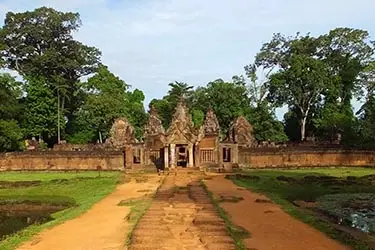
Jewels of Angkor
Siem Reap
A focused Angkor stay based in Siem Reap, with guided access to Angkor Wat, Angkor Thom, and Ta Prohm—structured for architectural depth, historical context, and unhurried time at the temples.
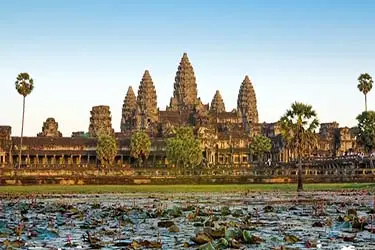
Cambodia Impressions
Siem Reap, Phrom Penh, Kep
A broader Cambodia journey linking Angkor’s temples with Phnom Penh’s history and Kep’s coastal calm—balancing heritage, river culture, and space to unwind beyond the headline sites.
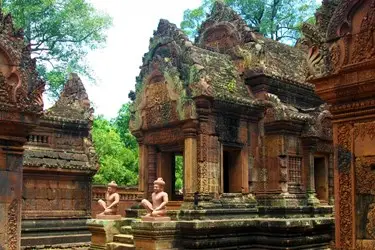
Enchanting Vietnam & Cambodia
Hanoi, Ninh Binh, Halong Bay, Hoi An, Siem reap, Ho Chi Minh City
A richly layered journey through Vietnam and Cambodia—where limestone landscapes, lantern-lit heritage towns, and Angkor’s temple grandeur reveal the cultural heart of Indochina.
Back to our Bespoke Cambodia Tour Packages
Ready to embark on your adventure of a lifetime?
However you imagine Asia, our luxury travel specialists will bring it to life — flawlessly.