Chongqing Travel Guide
Discover your own version of
CHONGQING
Highlights
- Chongqing Vertical Cityscapes — Encounter a city built upward and outward, where bridges, towers, and hills form a striking urban topography.
- Yangtze & Jialing River Confluence — Observe the meeting of two great rivers, shaping Chongqing’s geography, commerce, and layered waterfront districts.
- Cliffside Neighborhoods — Move through hillside communities connected by stairways, elevators, and cable cars that reveal daily life shaped by terrain.
- Historic River Port Legacy — Trace Chongqing’s past as a strategic inland port through preserved docks, riverfront architecture, and trading quarters.
- Chongqing Hotpot Culture — Experience the city’s iconic dining tradition, where communal meals and bold flavors reflect local identity and climate.
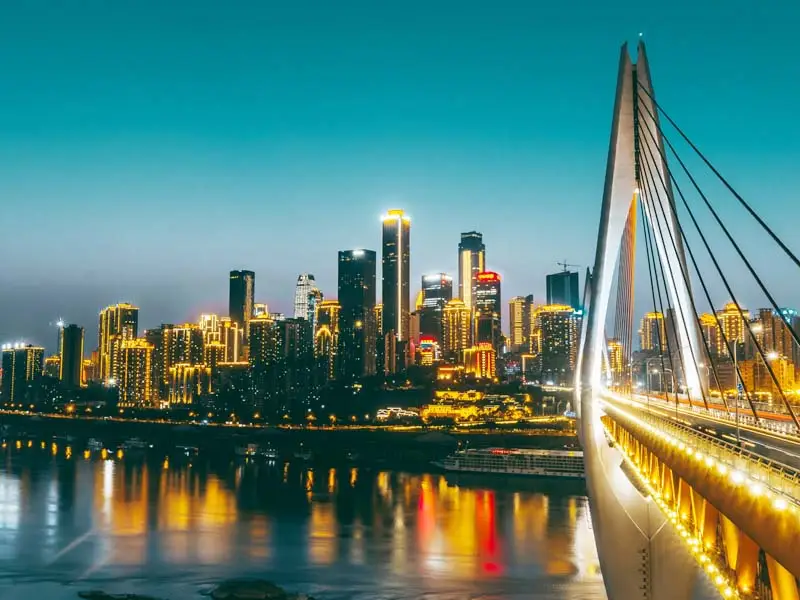
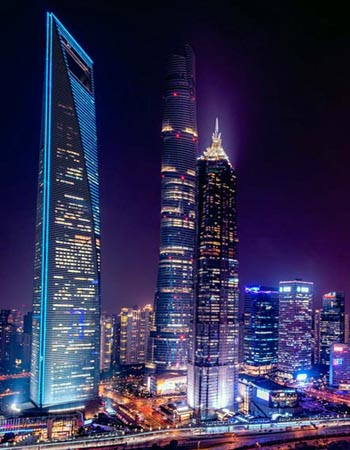
- Nighttime Urban Illumination — Watch the city transform after dark, as bridges and high-rises glow against the river valleys in dramatic contrast.
Chongqing: Gateway to the Three Gorges
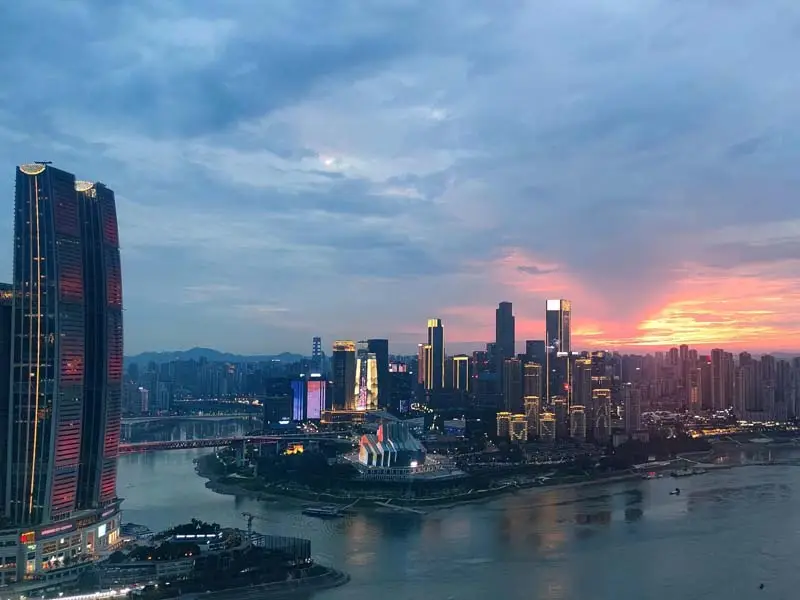
Chongqing rises from a landscape of steep hills, broad rivers, and dense urban districts shaped by centuries of strategic importance at the confluence of the Yangtze and Jialing. The city’s tiered neighborhoods, elevated bridges, and winding stairways reflect a geography that has long influenced the way people build, move, and live here. Mist often settles along the river valleys, softening the scale of high-rises and revealing an urban environment that feels both dramatic and firmly rooted in its terrain.
Local life carries a distinctive character shaped by Chongqing’s climate, cuisine, and historic role as a wartime capital. Open-air hotpot restaurants fill streets with the fragrance of chili and peppercorn, ferries shuttle residents across the rivers, and hillside markets display the steady routines of a city accustomed to vertical movement. Encounters with traditional districts, cultural landmarks, and riverfront promenades give travelers insight into a place defined by resilience, adaptability, and a strong sense of regional identity. Within this setting, Chongqing offers a grounded experience that encourages thoughtful exploration and an appreciation for the city’s deep connection to land and water.
What to See in Chongqing
Chaotianmen Dock – Meeting of the Rivers
At this dramatic confluence, the Yangtze and Jialing Rivers merge in a swirl of colors. The skyline rises sharply behind, symbolizing Chongqing’s role as a gateway to the Three Gorges.
Ciqikou Ancient Town – Echoes of the Past
Once a porcelain trading hub, today its narrow alleys brim with teahouses, craft shops, and street snacks. Wooden facades and lanterns preserve the feel of Ming and Qing dynasties.
Three Gorges Museum – History on the Yangtze
This modern museum tells the story of the river and its people. Exhibits range from ancient artifacts to the engineering feats of the dam project.
Hongya Cave – Lights Above the River
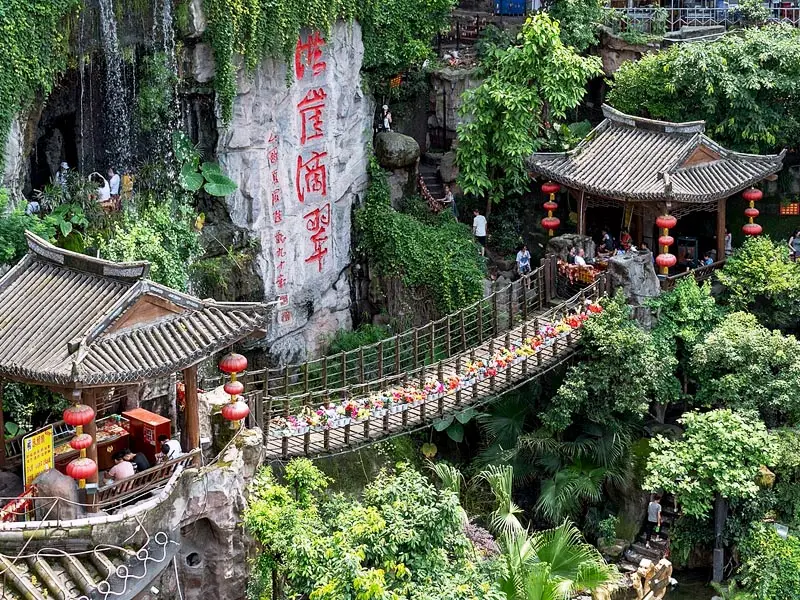
Built into the cliffside, this complex of stilted houses glows with neon by night. Its bustling food stalls and craft shops overlook the water like a living stage set.
Eling Park – A Hilltop Retreat
Perched high above the city, this classical garden offers pavilions, bonsai displays, and sweeping river views. It’s a quiet pause amid Chongqing’s energetic pace.
Wulong Karst National Park – Nature’s Sculpture
A UNESCO World Heritage site of limestone gorges, caves, and stone bridges. The dramatic landscapes have been featured in films and inspire awe in every visitor.
Things to Do in Chongqing
Take a Yangtze River Cruise
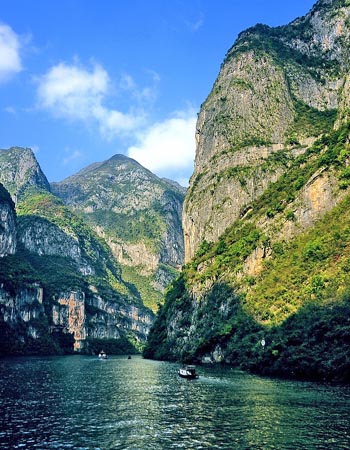
Board at Chaotianmen Dock for journeys through the fabled Three Gorges. By night, shorter cruises reveal the glittering city skyline reflected in the water.
Ride the Yangtze River Cableway
Glide above the river in a suspended gondola, a beloved local icon. The views of skyscrapers, bridges, and waterways capture Chongqing’s dramatic geography.
Sample Chongqing Hotpot
Spicy, numbing broth defines the city’s most famous dish. Dining over a bubbling pot with friends is both ritual and feast.
Wander Ciqikou’s Food Stalls
Taste sesame candy, fried dough twists, and steaming bowls of noodles. The lively chatter and aromas capture the essence of Chongqing street life.
Experience Jiefangbei Pedestrian Street
The city’s commercial heart bustles with shops, cafés, and neon. At its center, the Liberation Monument stands as a reminder of modern history.
Soak in a Hot Spring
Chongqing’s geothermal waters feed dozens of resorts just outside the city. These baths offer restorative warmth after days of exploration.
Why Visit Chongqing
Chongqing is ideal for travelers seeking a dynamic gateway into Western China — a city where dramatic landscapes, layered history, and modern ambition come together with surprising coherence. Its steep hills, intersecting rivers, and dense urban districts create a sense of movement and momentum that feels distinctly different from Beijing or Shanghai. At street level, hotpot restaurants, riverfront promenades, and lively night views offer an atmosphere that is energetic yet approachable, making it easy for travelers to immerse themselves without feeling overwhelmed.
The city also serves as a strategic base for broader regional exploration. From here, travelers can board luxury river cruises through the Three Gorges, unwind in nearby hot springs, or venture into Sichuan’s mountain foothills. Chongqing offers the convenience of a major metropolis with the character of a region shaped by trade, migration, and resilience. It’s a destination that balances cultural depth with modern comfort — ideal for those who want experiences that feel both substantial and effortlessly accessible.
What's Unique About Chongqing
What sets Chongqing apart is its unmistakable topography. Built across steep hills and carved by the convergence of the Yangtze and Jialing Rivers, the city rises and falls in tiers, creating viewpoints, corridors, and elevation shifts that make even short walks feel distinct. This vertical layout shapes everything — from its multi-level bridges and stacked buildings to the cable cars and escalators that help residents navigate daily life. No other major Chinese city offers this blend of urban density and dramatic natural contours.
Equally unique is Chongqing’s cultural identity, shaped by its wartime legacy, southwestern roots, and famous culinary traditions. The city’s hotpot culture is more than cuisine — it’s a social ritual that reflects warmth, community, and bold flavors. Historic sites, such as wartime command centers and riverfront trading posts, offer context for its rise as a political and industrial hub. These layers create a personality that is unmistakably Chongqing: resilient, welcoming, and proud of its place at the crossroads of China’s past and future.
Best time to visit: March–May and September–November for mild days and river vistas, though summer rewards travelers with lively nights and fiery hotpot feasts.
Weather and Seasons in Chengdu
Spring (March–May)
Spring is one of the best times to visit Chongqing. Temperatures are mild, flowers bloom across city parks, and the surrounding mountains are lush and green. It’s a great season for river cruises and excursions to the Dazu Rock Carvings or Wulong Karst without the heavy crowds of summer.
Summer (June–August)
Chongqing is famous as one of China’s “Three Furnaces” — summers are hot, humid, and often foggy. This is when the city feels most dramatic, with mist swirling between skyscrapers and rivers. Evenings are lively with locals crowding hotpot restaurants and riverside promenades. For travelers who don’t mind the heat, summer showcases Chongqing’s raw, atmospheric energy.
Autumn (September–November)
Perhaps the ideal season to explore Chongqing, autumn brings cooler, more comfortable weather and clearer skies. The river valleys and surrounding mountains are especially scenic, and this is the peak time for Yangtze River cruises. It’s also when spicy hotpot feels most satisfying against the crisp air.
Winter (December–February)
Winters in Chongqing are damp and chilly but rarely freezing. Fog often blankets the rivers, adding a mysterious quality to the skyline. It’s the perfect season to warm up in natural hot springs nearby or linger in teahouses. Crowds are fewer, making it a quieter time to explore the city’s cultural sites.
Chongqing offers travelers a chance to experience a side of China that is both modern and deeply regional — a city that pairs dramatic landscapes with heartfelt hospitality, and urban discovery with easy access to some of the country’s most iconic natural scenery. Whether you’re drawn to its riverfront districts, its spirited food culture, or its role as a gateway to the Three Gorges, the city rewards visitors with experiences that feel grounded, memorable, and distinctly its own.
For those looking to explore China beyond its eastern capitals, Chongqing provides an engaging, well-connected base with a character unlike anywhere else in the country. It’s a destination that invites you to explore at your own pace — to savor its flavors, absorb its rhythm, and appreciate the depth of a city shaped by both its landscape and its history.
ACCOMODATIONS IN CHONGQING

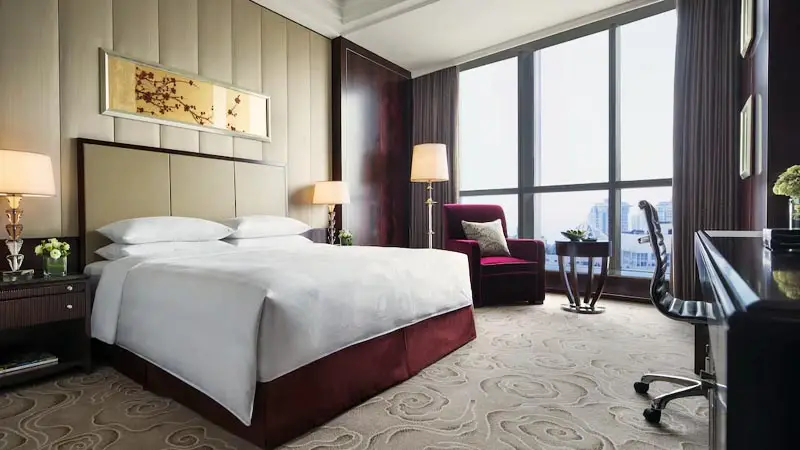
JW Marriott Chongqinig
Rising above the confluence of the Yangtze and Jialing rivers, JW Marriott Chongqing occupies a rare vantage point in China’s “mountain city.”
SUGGESTED ITINERARIES

China Panorama
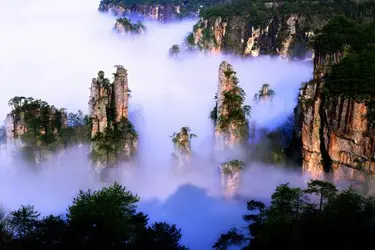
Beijing, Chongqing, Zhangjiajie, Shanghai
A sweeping journey across China’s most dramatic landscapes and modern cities—from surreal mountain peaks to neon skylines—for travelers drawn to scale and spectacle.
Ready to embark on your adventure of a lifetime?
However you imagine Asia, our luxury travel specialists will bring it to life — flawlessly.