
Hong Kong Travel Guide
Discover your own version of
Hong Kong
Highlights
- Hong Kong Harbor Vistas — Watch ferries trace steady lines across Victoria Harbour as glass towers, hillsides, and shifting light define the city’s unmistakable maritime rhythm.
- Central District Urban Pulse — Move through elevated walkways and layered streets where finance, dining, and design converge, revealing Hong Kong’s precise balance of efficiency and style.
- Victoria Peak Perspectives — Take in wide, composed views where dense city grids meet open water and forested slopes, offering clarity on Hong Kong’s striking geographic contrasts.
- Temple Street Night Markets — Wander through lantern-lit stalls where street food, informal commerce, and local conversation shape an atmosphere rooted in everyday tradition.
- Lantau Island Escapes — Shift pace along coastal paths and hillside villages, where monasteries, fishing harbors, and quiet beaches present a softer side of the territory.
- Cantonese Dining Traditions — Experience refined flavors through dim sum rituals and seafood kitchens, where technique, timing, and balance remain central to the city’s culinary identity.
Hong Kong: Asia’s Global Harbor of Culture, Commerce & Contrast
Hong Kong’s cultural identity is built through continuity rather than spectacle. Its dense urban form—compressed between mountains and sea—has long required adaptation, discipline, and shared systems of movement. Neighborhoods evolved vertically, markets layered beneath residences, and temples embedded within commercial districts. Waterways, stair streets, ferries, and rail lines are not peripheral features but organizing forces, shaping how communities connect and how traditions persist within limited space.
What gives Hong Kong its cultural depth is the way inherited practices remain functional rather than preserved at a distance. Cantonese culinary traditions continue through family-run kitchens, wet markets, and tea houses that operate with quiet consistency. Ritual spaces—ancestral halls, street-side shrines, and hillside monasteries—remain integrated into daily circulation. Rather than presenting culture as performance, the city sustains it through use, repetition, and restraint. This lived-in continuity gives Hong Kong a cultural texture that feels deliberate, grounded, and distinctly its own.
What to See in Hong Kong
Victoria Harbour Urban Axis — Observe the city’s defining waterfront, where constant ferry traffic, layered skylines, and shifting light illustrate Hong Kong’s historic role as a trading port and connective hub.
Central–Sheung Wan Architectural Layers — See colonial-era civic buildings, modern financial towers, elevated walkways, and long-established streets interwoven within the city’s commercial and administrative core.
Victoria Peak Lookouts — Take in broad perspectives that clarify Hong Kong’s dense urban planning, island geography, and the clear relationship between built form, open water, and surrounding hills.
Man Mo Temple Heritage Core — Visit one of the city’s oldest temples, where incense coils, carved timber, stone thresholds, and active ritual spaces reflect enduring Cantonese religious practice.
Lantau Island Landscapes — View monasteries, fishing villages, coastal paths, and forested slopes that reveal a quieter, more rural dimension of Hong Kong beyond the urban core.
Traditional Wet Markets — See neighborhood commerce at work through produce stalls, seafood counters, herbal medicine shops, and food vendors that continue to shape daily routines.
Things to Do in Hong Kong
Ride the Star Ferry — Cross Victoria Harbour by water, experiencing the city at a measured pace while gaining a clear sense of its maritime orientation and urban scale.
Explore Neighborhood Food Quarters — Move through districts such as Sheung Wan or Sham Shui Po to sample Cantonese cooking shaped by regional technique, seasonal ingredients, and long-standing family traditions.
Walk Elevated Urban Networks — Navigate Central’s system of skywalks, stair streets, and terraces to understand how movement and access are designed through Hong Kong’s vertical environment.
Visit Outlying Islands — Spend time in places like Lamma or Cheung Chau, where fishing harbors, village lanes, and coastal cafes offer contrast to the city’s density and pace.
Hike Urban Nature Trails — Follow well-maintained paths along ridgelines and country parks that reveal how closely the city borders protected landscapes and undeveloped terrain.
Experience Tea Houses and Dim Sum Culture — Take part in long-established dining traditions that emphasize timing, shared tables, and the careful balance of technique and hospitality.
Why Visit Hong Kong
Hong Kong appeals to travelers seeking a destination that blends global sophistication with deeply rooted local culture. Its compact geography allows easy movement between urban districts, waterfront promenades, and outlying islands, making it possible to experience varied environments within a short timeframe. The city’s infrastructure—public transport, dining, and accommodations—operates with remarkable reliability, supporting a seamless travel experience.
Beyond efficiency, Hong Kong offers cultural depth expressed through food, craftsmanship, and daily ritual. Cantonese culinary traditions, neighborhood temples, and long-standing trading communities provide continuity beneath the city’s modern surface. This balance of access, comfort, and cultural substance makes Hong Kong especially rewarding for travelers who value both ease and authenticity.
What's Unique About Hong Kong
What sets Hong Kong apart is the way a global financial center exists in immediate contrast with dramatic natural landscapes. Towering skyscrapers rise against a backdrop of forested mountains, while Victoria Harbour remains at the heart of the city’s identity—its skyline constantly in motion with ferries, junks, and modern vessels. Within minutes, the pace shifts from Central’s dense urban energy to tranquil outlying islands, scenic hiking trails, and quiet coastal enclaves.
Equally distinctive is Hong Kong’s cultural duality, where Cantonese traditions and international influences are seamlessly intertwined. Historic temples and street markets sit alongside luxury boutiques and world-class dining, reflecting a city shaped by both heritage and global exchange. Daily life unfolds through this balance—dim sum teahouses, neon-lit streets, efficient transit, and a deep-rooted appreciation for both tradition and modernity—creating an experience that is at once dynamic, layered, and uniquely its own.
Best time to visit: October through December for optimal weather and overall comfort.
Weather and Seasons in Hong Kong
Autumn (October–December)
Cooler temperatures, lower humidity, and clear skies make this the most comfortable period for exploring both urban districts and outdoor areas.
Winter (January–February)
Mild and dry, with occasional cool evenings. Ideal for city walks, cultural sites, and dining-focused itineraries.
Spring (March–April)
Warmer weather returns, though humidity increases and mist may soften harbor and mountain views.
Summer (May–September)
Hot and humid with occasional typhoons. Best suited for island excursions, coastal activities, and indoor cultural experiences.
Hong Kong offers a composed blend of precision, cultural continuity, and geographic contrast. Its harbor-focused layout, efficient infrastructure, and enduring traditions create a destination that feels both globally connected and distinctly local. Whether exploring dense urban districts, outlying islands, or long-established neighborhoods, the city rewards a thoughtful pace and close observation.
For travelers seeking a destination defined by clarity, depth, and effortless movement between worlds, Hong Kong stands as one of Asia’s most compelling urban landscapes. Explorient is here to help shape a journey that reflects your interests, timing, and preferred rhythm—ensuring every detail aligns with the city’s refined complexity.
ACCOMODATIONS IN HONG KONG

Rosewood
Commanding pride of place on Victoria Dockside in Tsim Sha Tsui, Rosewood Hong Kong rises directly over the harbour, its sculptural tower redefining the skyline...
Peninsula
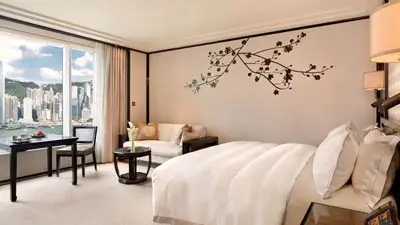
Since 1928, The Peninsula Hong Kong has stood as the “Grande Dame of the Far East,” presiding over the tip of Kowloon Peninsula with commanding...
New World Millennium
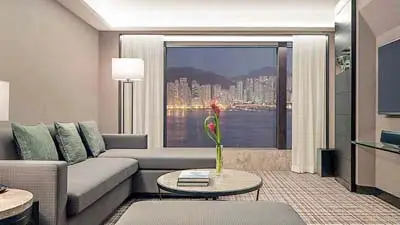
Overlooking Victoria Harbour in Tsim Sha Tsui East, New World Millennium Hong Kong offers a prime location close to the city’s cultural attractions ...
SUGGESTED ITINERARIES

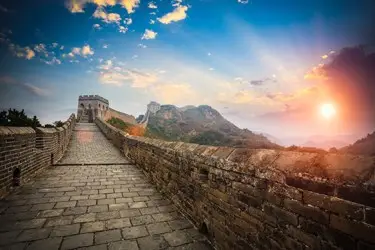
Signature Japan & China
Tokyo, Kyoto, Beijing, Xian, Guilin, Hong Kong
A seamless private journey uniting Japan’s refined traditions with China’s imperial icons—balancing sacred temples, poetic landscapes, and vibrant city life, expertly curated.

Signature Far East
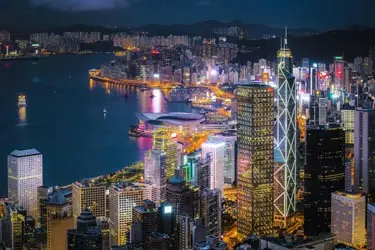
Hong Kong, Bangkok, Bali, Singapore
A private luxury journey through the Far East’s most dynamic cities and tropical shores—where cultural icons, refined dining, and cosmopolitan energy unfold in seamless succession.
Orient Extravagance
Tokyo, Hong Kong, Beijing, Xian, Shanghai, Bangkok, Singapore
A private luxury journey through Asia’s most iconic cities, designed for travelers who value polished pacing, cultural depth, and seamless transitions—effortlessly curated from start to finish.

Ready to embark on your adventure of a lifetime?
However you imagine Asia, our luxury travel specialists will bring it to life — flawlessly.