Lhasa Travel Guide
Discover your own version of
LHASA
Highlights
- Potala Palace Presence – Rising in white and ochre tiers above the city, this architectural icon commands the skyline with spiritual gravity and centuries of history layered within its walls.
- Jokhang Temple Devotion – Incense curls through dimly lit chapels as pilgrims circle the sacred heart of Lhasa, their quiet rituals grounding the city in living tradition.
- Barkhor Street Energy – A continuous clockwise flow of prayer wheels, market stalls, and murmured mantras creates an atmosphere both vibrant and deeply reverent.
- High Plateau Light – At nearly 12,000 feet, the crisp Himalayan air sharpens colors and shadows, lending the city a clarity that feels both expansive and intimate.
- Monastic Chanting – Low, resonant prayers echo through assembly halls, offering a sensory immersion into Tibetan Buddhist scholarship and ceremony.
- Sacred Skyline Setting – Framed by distant mountains and vast open sky, Lhasa balances urban rhythm with the sweeping stillness of the Tibetan plateau.
Lhasa – The Spiritual Heart of the Tibetan Plateau
Lhasa sits high on the Tibetan Plateau, where altitude, light, and open sky shape the city’s atmosphere as much as its streets. The air is crisp and dry, the sun feels closer, and the landscape holds a wide, quiet scale that frames daily life. Within this setting, the city moves at a measured pace—built around routines of faith, commerce, and community that feel steady rather than hurried, and best experienced slowly as your body acclimates and your senses adjust to the plateau’s clarity.
Cultural continuity deepens that sense of place. Prayer flags, incense, and morning rituals thread through neighborhoods alongside small shops and everyday markets, creating a lived-in texture that is both distinctive and approachable. Family-run teahouses, shared courtyards, and the constant presence of pilgrimage routes reveal how tradition remains woven into contemporary life, not preserved at a distance. Together, Lhasa’s scale and spiritual rhythm offer travelers a grounded entry point into Tibet—one that encourages observation, patience, and a thoughtful pace of exploration.
What to See in Lhasa
Potala Palace – Palace Above the Plateau
Rising in white and ochre tiers over the city, this former winter residence embodies centuries of spiritual authority and architectural grandeur.
Jokhang Temple – Sacred Heart of Lhasa
At the center of the old city, this revered sanctuary draws pilgrims from across Tibet, its chapels layered with devotion and incense.
Barkhor Street – Living Pilgrimage Circuit
Encircling the temple precinct, this historic route blends prayer wheels, market stalls, and the steady rhythm of prostrating pilgrims.
Drepung Monastery – Monastic Citadel
Once the world’s largest monastery, its whitewashed structures cascade down the hillside in a striking display of scholastic and spiritual life.
Sera Monastery – Courtyard Debates
Famed for its animated monk debates, this active monastery offers insight into the intellectual traditions of Tibetan Buddhism.
Norbulingka – Garden Retreat of Dalai Lamas
A tranquil complex of pavilions and landscaped grounds reflects a more intimate side of Tibet’s religious leadership.
Things to Do in Lhasa
Barkhor Kora Walk – Pilgrim’s Path
Join locals on the clockwise circuit around the old city, turning prayer wheels and observing daily rituals unfold in real time.
Monastic Debate Viewing – Living Scholarship
Observe spirited philosophical exchanges between monks, offering a dynamic window into centuries-old Buddhist education.
Butter Tea Tasting – Highland Tradition
Pause in a local teahouse to sample yak butter tea, a staple of plateau hospitality and daily life.
Thangka Art Exploration – Sacred Craftsmanship
Visit a traditional workshop to see intricate religious paintings created with mineral pigments and meticulous symbolism.
Tibetan Cooking Experience – Plateau Flavors
Learn to prepare momo dumplings and hearty high-altitude dishes shaped by climate and trade routes.
Sunset Plateau Views – High-Altitude Perspective
Take in the vast Himalayan sky at day’s end, when golden light washes over the city and distant peaks glow in quiet contrast.
Why Visit Lhasa
Lhasa is one of the few places where travel still feels genuinely consequential—where the journey itself changes how you experience the destination. It’s an ideal base for acclimatizing and orienting before exploring deeper into Tibet, with the infrastructure, guides, and services that make a high-altitude region feel manageable without losing its sense of remoteness. For travelers who value seamless logistics in complex environments, Lhasa offers access, comfort, and a controlled pace that supports a more meaningful itinerary.
It’s also a rare opportunity to engage Tibet through lived culture rather than distant narrative. Local craftsmanship, culinary traditions, and monastic learning remain active and observable, while day trips into the surrounding valleys and passes reveal the broader plateau’s geography in a way that feels immediate and tangible. Lhasa rewards travelers who want context—an entry point that clarifies what they’re seeing, why it matters, and how to move through Tibet with greater understanding.
What's Unique About Lhasa
What distinguishes Lhasa is the way spiritual authority and civic life coexist within a compact urban setting. Few cities in the world function simultaneously as a regional capital, a pilgrimage destination, and a center of monastic scholarship — all operating in parallel rather than in sequence. Here, governance, religion, and community are historically intertwined, shaping a cultural framework that feels cohesive rather than compartmentalized. The result is a city where belief systems are not peripheral to daily life, but foundational to its identity.
Lhasa is also unique in its geographic and political positioning. Set deep within the Tibetan Plateau yet connected by modern transport links, it serves as both gateway and threshold — the point where infrastructure meets vast open terrain. This balance creates an experience that is logistically accessible but atmospherically remote. For travelers, that duality is rare: the ability to engage one of the world’s highest and most culturally distinct regions without sacrificing structure, guidance, or comfort.
Best time to visit: May to October, when daytime temperatures are most comfortable, skies are typically clear, and conditions are ideal for exploring the Tibetan Plateau with stable weather and strong visibility.
Weather and Seasons on the Yangtze
Spring (April–May)
Spring offers cool, dry weather and relatively fewer visitors. Daytime temperatures are comfortable for sightseeing, though evenings remain brisk. Skies are typically clear, and the plateau begins to soften after winter. This is a good season for travelers seeking milder conditions and quieter streets before peak months begin.
Summer (June–August)
Summer is the warmest and most popular time to visit. Days are pleasantly mild given the altitude, making it ideal for extended exploration. Occasional afternoon showers occur, but rainfall is generally light compared to other parts of China. This is also when the surrounding plateau appears greener, adding visual contrast to the city’s architecture and mountain backdrop.
Autumn (September–October)
Often considered the optimal window, autumn brings crisp air, stable weather, and exceptional visibility. Skies are deep blue, rainfall is minimal, and temperatures remain comfortable during the day. The clarity of light during this season enhances mountain views and makes it especially appealing for photography.
Winter (November–March)
Winter is cold but dry, with fewer tourists and a quieter atmosphere. Daytime sunshine can still feel strong despite low temperatures, while nights drop well below freezing. For travelers prepared for the cold, winter offers a more local rhythm and a distinctive perspective on life at altitude, often with lower accommodation rates and reduced crowds.
For travelers who feel called to places that sit slightly beyond the ordinary, Lhasa offers something quietly transformative. The altitude sharpens the light, the landscape expands the horizon, and the cultural depth encourages you to look more closely — not just at what surrounds you, but at how you move through it. It is a destination that rewards presence, inviting you to slow down and absorb its rhythm rather than simply pass through.
Whether you’re coming for cultural immersion, wide-open plateau scenery, or a journey that leaves room for reflection, Lhasa delivers an experience that feels both expansive and deeply grounding — a lasting reminder of how powerful travel can be when it shifts your perspective.
ACCOMODATIONS IN LHASA

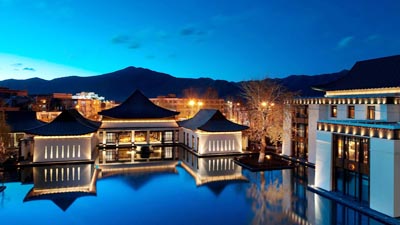
Lhasa St. Regis
Sailing between Chongqing and Yichang, Century Voyage unfolds along the storied Yangtze River — a passage through mist-cloaked gorges, ancient temples...
SUGGESTED ITINERARIES

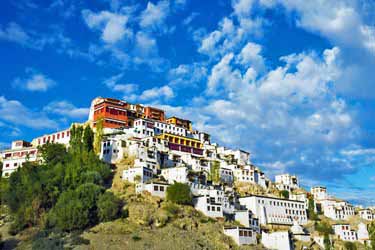
Enchanting Tibet & Yangtze
Beijing, Xian, Chengdu, Lhasa, Yangtze River Cruise, Shanghai
A rare private journey uniting Tibet’s sacred plateau with a refined Yangtze River passage—balancing spiritual depth, imperial legacy, and serene river landscapes in one cohesive arc.
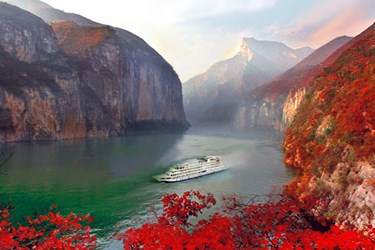
Majestic Yangtze
Beijing, Xian, Yangtze River, Shanghai, Zhujiajiao
An elegant exploration of China’s imperial capitals anchored by a five-star Yangtze River cruise—pairing iconic landmarks with the quiet grandeur of the Three Gorges.
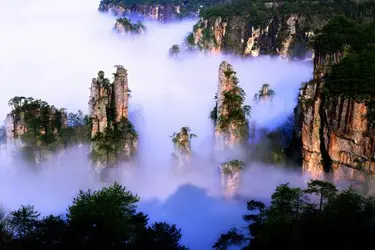
China Panorama
Beijing, Chongqing, Zhanjiajie, Shanghai
A sweeping journey across China’s most dramatic landscapes and modern cities—from surreal mountain peaks to neon skylines—for travelers drawn to scale and spectacle.

Ready to embark on your adventure of a lifetime?
However you imagine Asia, our luxury travel specialists will bring it to life — flawlessly.