


Yunnan Province Travel Guide

Discover your own version of

YUNNAN (DALI & SHANGRI-LA)

Highlights

Dali & Shangri-La – Yunnan’s Highland Harmony

Dali and Shangri-La sit along the northern reaches of Yunnan Province, where alpine lakes, highland valleys, and snow-tipped mountains create a landscape shaped by centuries of trade and cultural exchange. In Dali, the shores of Erhai Lake reflect quiet fishing villages, Bai-style architecture, and winding streets framed by the Cangshan peaks. Farther north, Shangri-La rises onto the Tibetan Plateau, where broad grasslands, prayer-flagged hills, and traditional wooden homes offer a setting defined by altitude and long-held spiritual traditions. Together, these areas present a region where nature’s scale feels expansive yet closely connected to daily life.

Local cultures deepen the sense of place. Bai communities around Dali maintain distinctive craftsmanship, vibrant market customs, and architectural patterns that have guided town layouts for generations. In Shangri-La, Tibetan heritage shapes everything from monastery rituals to the rhythm of rural villages and the steady routines of nomadic families on the uplands. Encounters with local foods, artisan workshops, and sacred sites reveal a region grounded in continuity, offering travelers a calm, thoughtful way to experience Yunnan’s diversity. In this measured environment, the journey between Dali and Shangri-La naturally encourages an unhurried appreciation for the land, its people, and the traditions that endure among the mountains.

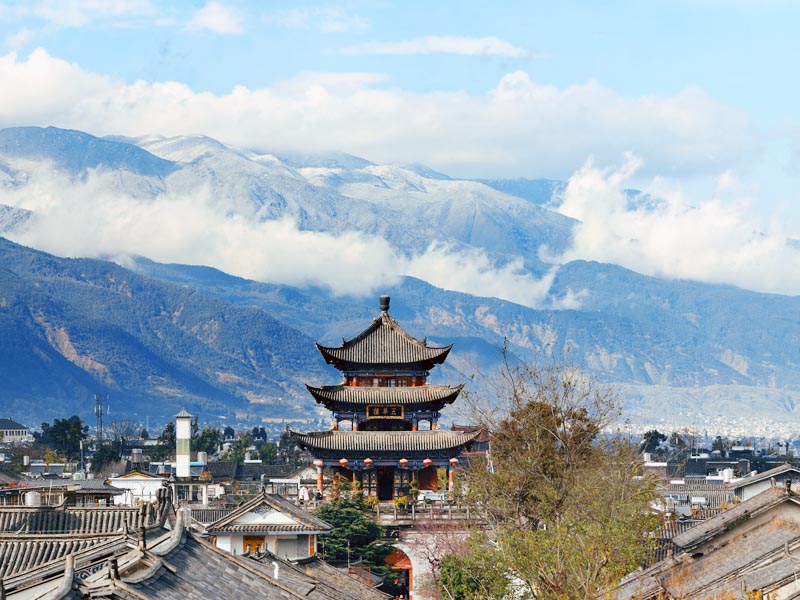
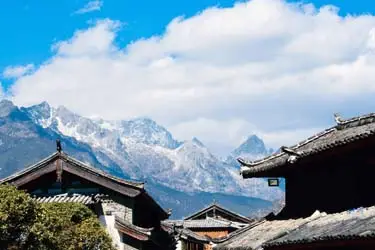
Dali old town rooftop view with cloudy Mt Cangshan. Yunnan, China.
Three Pagodas of Chongsheng Temple reflected in lake near Dali Old Town in Yunnan China with Cangshan Mountain backdrop

What to See in Dali & Shangri-La

Erhai Lake – Mirror of Tranquility
Encircled by fishing villages and farmland, Erhai’s glassy waters reflect the snowcapped Cangshan peaks. Cycling paths and small piers invite quiet moments between waves and sky.

Three Pagodas – Timeless Icons
Rising in perfect symmetry against the mountains, these elegant towers have watched over Dali for more than a thousand years, symbols of balance and enduring grace.

Dali Old Town – Heritage Preserved
Cobblestone streets lined with whitewashed homes, tiled roofs, and bustling markets reveal the living spirit of Bai culture at the crossroads of ancient trade routes.

Cangshan Mountain – Peaks of Serenity
Cable cars glide above mist-shrouded forests and wildflower meadows, opening onto sweeping views of Dali and the shining expanse of Erhai Lake below.

Songzanlin Monastery – Spirit of Shangri-La
Yunnan’s largest Tibetan monastery crowns a hillside of prayer flags and gilded roofs, its chanting monks and incense-filled halls steeped in timeless devotion.

Pudacuo National Park – Wild Highland Beauty
A sanctuary of alpine lakes, yak-dotted pastures, and dense spruce forest, this pristine park captures the rugged, ethereal beauty of the Tibetan Plateau.

Things to Do in Dali & Shangri-La

Cycle Around Erhai Lake – Journey by the Water’s Edge
Pedal through rice fields, fishing hamlets, and flower farms as mountain breezes ripple the lake’s silver-blue surface.

Join a Bai Tie-Dye Workshop – Indigo Traditions
Under the guidance of local artisans, fold, bind, and dye cloth using techniques passed down through generations in Dali’s Bai villages.

Explore Dali’s Night Market – Flavors and Craft
As lanterns flicker overhead, stroll between stalls serving grilled tofu, herbal teas, and handmade jewelry crafted from local silver.

Hike in Pudacuo Park – Nature in Stillness
Follow wooden boardwalks through pine-scented trails, past glassy alpine lakes alive with birdsong and mountain reflections.

Visit a Tibetan Family Home – Cultural Encounter
Share yak butter tea beside a crackling hearth as your hosts tell stories of harvests, rituals, and mountain life.

Spin Prayer Wheels in Shangri-La Old Town – Circles of Faith
Join locals in the rhythm of devotion, turning brass prayer wheels as bells chime and incense drifts through the crisp highland air.

Songzanlin Monastery in Shangri-La surrounded by misty mountains in Yunnan China
Erhai Lake reflecting the snowcapped Cangshan peaks near Dali

Why Visit Dali & Shangri-La

Dali and Shangri-La offer travelers a chance to experience Yunnan’s cultural and geographic diversity in a way that feels steady, scenic, and deeply rooted in local life. Dali’s lakeside villages, Bai architecture, and mountain backdrop create an environment where exploration can move at a comfortable pace, with easy access to traditional towns, local markets, and gentle walking routes. The combination of lake views, historic quarters, and understated rural beauty makes Dali particularly appealing for those seeking a grounded and approachable introduction to the region.

Shangri-La, by contrast, presents a highland landscape shaped by Tibetan culture, wide-open grasslands, and significant spiritual heritage. Visitors encounter grand monastery complexes, wooden homes built in traditional styles, and a slower, more contemplative rhythm shaped by altitude and long-held ritual. Together, the two destinations provide a balanced journey—one that moves naturally between lakeside calm and upland expanse, offering clarity and depth for travelers looking to understand Yunnan’s varied identities.

What's Unique About Dali & Shangri-La

Travel through Dali and Shangri-La offers a clear understanding of how landscape and culture shape life across northern Yunnan. Time spent among lakeside villages, mountain trails, and historic quarters reveals a region where heritage remains visible in daily routines and community traditions. Whether walking along Erhai’s quiet shores or observing the steady rhythm of life on the plateau, visitors encounter environments that encourage thoughtful exploration and an appreciation for the province’s depth.

As the journey concludes, what lingers is the balance between Dali’s gentle lakeside atmosphere and Shangri-La’s highland expansiveness. Each destination contributes its own pace and perspective, creating a combined experience that feels grounded, diverse, and quietly memorable. For travelers seeking insight into Yunnan’s cultural richness and natural breadth, the path between these two regions offers a steady, meaningful impression that remains long after the visit ends.

Dongchuan Red Land terraced fields near Huashitou Village in Yunnan China with vibrant red soil and mountain scenery
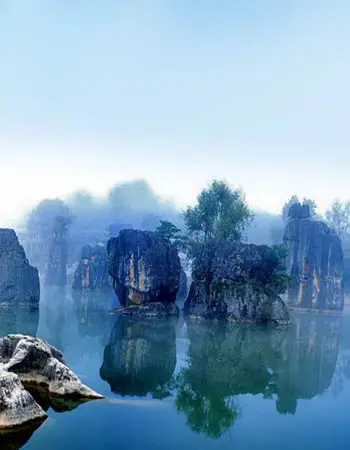
Panoramic view of Lugu Lake with blue water and surrounding mountains on the Yunnan–Sichuan border

Best time to visit: March to May and September to November, when skies are clear, temperatures comfortable, and the landscapes of both Dali and Shangri-La are at their most radiant.

Weather and Seasons in Dali & Shangri-La

Spring (March–May)
Both Dali and Shangri-La awaken in bloom. In Dali, cherry blossoms and fields of rapeseed paint the lakeshore gold, while mild temperatures make cycling around Erhai Lake ideal. In Shangri-La, alpine meadows burst with wildflowers beneath crisp blue skies, and monastery courtyards fill with prayer flags fluttering in the mountain wind.

Summer (June–August)
The highlands turn lush and green under summer rains, bringing dramatic skies and vibrant landscapes. Dali enjoys refreshing showers that pass quickly, leaving clear afternoons for café terraces and lake walks. Shangri-La stays cool despite the season’s warmth, its valleys alive with festivals, music, and the rhythm of nomadic life.

Autumn (September–November)
Perhaps the most beautiful season of all — the air turns clear, the light golden, and the crowds thin. In Dali, golden rice terraces glow beneath the setting sun, while Shangri-La’s forests shift to brilliant reds and ambers. Comfortable days and crisp nights make this the ideal time for outdoor exploration and photography.

Winter (December–February)
A quiet, contemplative season of cool, dry days and starlit nights. Dali remains mild, perfect for peaceful walks through the old town, while Shangri-La becomes a highland haven — frosty mornings, fewer visitors, and a slower, more spiritual pace.

Between the mirrored calm of Erhai Lake and the vast stillness of the Tibetan Plateau, Dali and Shangri-La reveal two sides of Yunnan’s soul — one grounded in art and sunlight, the other lifted by faith and mountain air. Together, they form a journey that moves not only through place but through feeling — from the scent of rain on cobblestone streets to the echo of prayer wheels turning in the wind.

Here, time slows into rhythm. The horizon stretches wider. Travelers leave with more than photographs — they carry a quiet sense of connection, a memory of landscapes that breathe with life and spirit. In Dali and Shangri-La, the world feels both infinite and intimate — a meeting point between heaven, earth, and everything human in between.

Local herder with a domestic yak on the scenic grasslands of Shangri-La Yunnan under dramatic mountain skies

ACCOMODATIONS IN DALI & SHANGRI-LA

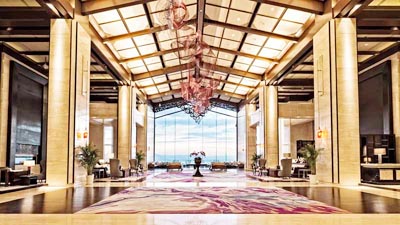
Hilton Hotel, Dali China

Hilton Dali

Set along the shores of Erhai Lake, Hilton Dali places guests within easy reach of the city’s famed Ancient Town and framed by the peaks of the Cangshan Mountains...
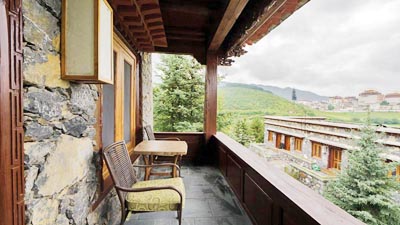
Balcony at Songtsam Retreat Shangri-La, offering luxury accommodation with serene views of the Tibetan highlands.

Songtsam Retreat

Set along the shores of Erhai Lake, Hilton Dali places guests within easy reach of the city’s famed Ancient Town and framed by the peaks of the Cangshan Mountains...
SUGGESTED ITINERARIES

Yunnan Province Travel Guide image

Scenic China

Beijing, Xian, Chengdu, Lijiang,  Guilin, Shanghai

A nature-forward route through China’s most beautiful regions, blending Chengdu’s panda encounters with mountain towns and river scenery for a quieter, slower side of the country.

Yunnan Province Travel Guide image

Spectacular Yunnan

Beijing, Kunming, Dali,  Shangri-la, Lijiang, Shanghai

An in-depth exploration of Yunnan Province, where ethnic traditions, highland scenery, and historic towns reveal China’s cultural and geographic diversity.

Dali Old Town with traditional Bai architecture and pagoda set against the Cangshan Mountains in Yunnan.

Enchanting Tibet & Yangtze

Beijing, Xian, Chengdu, Lhasa, Yangtze River Cruise, Shanghai

A rare private journey uniting Tibet’s sacred plateau with a refined Yangtze River passage—balancing spiritual depth, imperial legacy, and serene river landscapes in one cohesive arc.


Ready to embark on your adventure of a lifetime?

However you imagine Asia, our luxury travel specialists will bring it to life — flawlessly.

The Explorient Difference

Scroll to Top

Please fill out the form below so we can assist you as efficiently as possible. We aim to respond within 1-2 business days.

Name
What's your preferred contact method?
Press Ctrl Key and mouse click to multi-select.