Aurangabad Travel Guide
Discover your own version of
Aurangabad
Highlights
- Ajanta Cave Frescoes — Enter rock-cut sanctuaries where dim light reveals luminous Buddhist murals, and silence carries the weight of centuries.
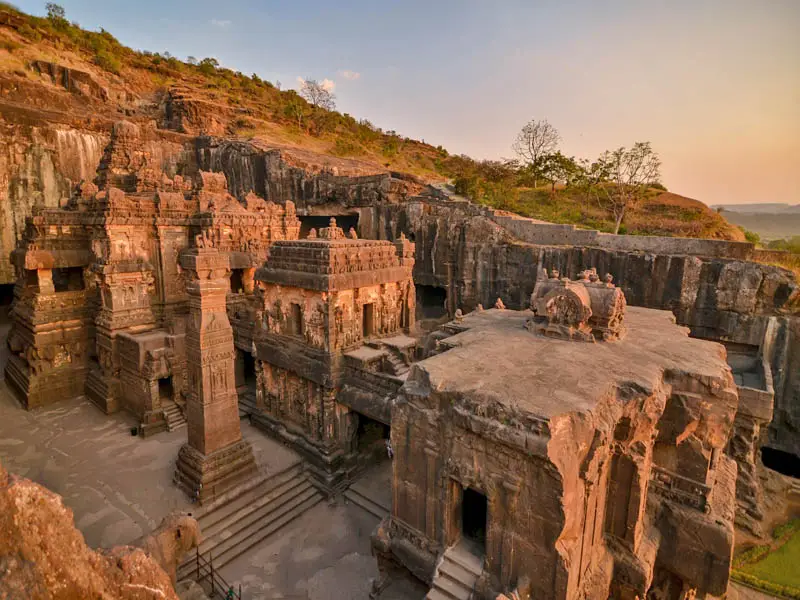
- Ellora Temple Grandeur — Walk between Hindu, Buddhist, and Jain monuments carved from living stone, where scale and stillness meet in awe.
- Daulatabad Fortress Ascent — Climb a basalt stronghold through winding passages and steep stairways, opening to wide Deccan horizons.
- Aurangabad Deccan Heritage — Trace the city’s Sultanate-era layers in arches, tombs, and mosques, shaped by Persian grace and local craft.
- Bibi Ka Maqbara Gardens — Stroll formal pathways toward a marble mausoleum, its symmetry offering a softer echo of Mughal romance.
- Marathwada Local Flavors — Taste bold, home-style spice and slow-cooked comforts, where each bite reflects the region’s earthy warmth.
Aurangabad – Discover Ajanta & Ellora Caves, Deccan Fortresses & Timeless Heritage
Aurangabad offers a refined gateway into the Deccan—an atmospheric landscape of basalt hills, timeworn fortresses, and UNESCO-listed cave sanctuaries carved deep into living stone. The city carries a quiet gravitas, where Sultanate-era monuments and Mughal echoes sit alongside everyday street life, and the horizon feels wide, sunlit, and unhurried. Beyond the urban rhythm, the region opens into a world of ancient craftsmanship and spiritual imagination—Ajanta’s painted halls and Ellora’s monumental temples rising from rock with astonishing precision.
Days here unfold with a sense of depth and discovery. Set out early for the cave complexes as soft morning light catches carved pillars and centuries-old frescoes, then return to the city for garden strolls at Bibi Ka Maqbara and glimpses of Deccan heritage in arches, tombs, and historic gateways. In the markets, textiles and spices reflect the character of Marathwada, while local flavors and small rituals—tea stalls, temple bells, evening promenades—add texture to the experience. Elegant in its restraint and rich in cultural layers, Aurangabad rewards travelers who value history not as a checklist, but as a lived atmosphere.
What to See in Aurangabad
Ajanta Cave Temples — Explore rock-cut Buddhist sanctuaries renowned for luminous murals, sculpted columns, and narrative frescoes carved into basalt cliffs.
Ellora Cave Complex — Walk among Hindu, Buddhist, and Jain monuments excavated from solid stone, including the monumental Kailasa Temple.
Bibi Ka Maqbara — Visit a marble mausoleum set within formal gardens, reflecting Mughal design influence adapted to the Deccan landscape.
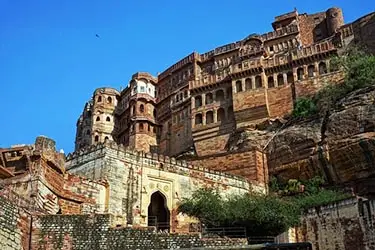
Daulatabad Fort — Observe a formidable hilltop fortress known for its layered defenses, steep approaches, and panoramic views across the plateau.
Aurangabad Historic Quarter — Pass through old city gates, mosques, and tombs that reveal the city’s Sultanate and Mughal heritage.
Ghrishneshwar Temple — See one of India’s twelve sacred Jyotirlinga shrines, an active pilgrimage site with finely carved stonework near Ellora.
Things to Do in Aurangabad
Visit Cave Temples with a Private Guide — Gain deeper insight into the symbolism, artistic techniques, and spiritual narratives of Ajanta and Ellora.
Walk the Gardens at Bibi Ka Maqbara — Stroll shaded pathways and symmetrical lawns that frame the mausoleum’s marble architecture.
Explore Local Markets — Browse stalls offering Marathwada textiles, spices, and everyday goods that reflect regional life and trade.
Sample Regional Deccan Cuisine — Taste bold local flavors shaped by royal kitchens and rural traditions, from slow-cooked curries to rustic breads.
Ascend Daulatabad Fort Pathways — Experience the fortress’s winding passages and elevated vantage points that once guarded the Deccan.
Take a Scenic Drive into the Countryside — Travel beyond the city to observe basalt formations, farmland, and the open horizons of the Deccan plateau.
Why Visit Aurangabad
Aurangabad appeals to travelers drawn to depth rather than display. It offers a rare opportunity to encounter India’s spiritual, artistic, and historical legacy in settings that remain largely untouched by mass tourism. The experience is unhurried and reflective, shaped by early-morning cave visits, sunlit garden walks, and long views across the Deccan plateau.
As part of a broader journey through India, Aurangabad provides balance and contrast—an introspective pause between more vibrant urban centers. Its restrained pace, exceptional UNESCO heritage, and strong regional identity make it an ideal destination for those seeking cultural substance, architectural mastery, and a sense of timeless continuity.
What's Unique About Aurangabad
Aurangabad occupies a singular place in India’s cultural landscape, where sacred art, imperial ambition, and geological drama converge. It serves as the gateway to two of the subcontinent’s most extraordinary archaeological achievements—Ajanta and Ellora—yet remains refreshingly understated, allowing history to speak without spectacle. Here, monumental cave temples, hilltop fortresses, and Mughal-era gardens coexist within a compact region shaped by basalt stone and centuries of patronage.
What sets Aurangabad apart is the way its heritage feels embedded in the land itself. Temples are not built upon the landscape but carved from it; pathways wind through rock and earth rather than over them. This physical intimacy between environment and architecture creates a deeply immersive sense of place—one that feels contemplative, grounded, and quietly powerful.
Best time to visit: November to February offers the most comfortable climate for exploring Aurangabad’s cave temples, forts, and historic sites.
Weather and Seasons in Aurangabad
Winter (November–February)
Cool, dry weather and clear skies create ideal conditions for visiting Ajanta and Ellora, exploring hilltop fortresses, and enjoying outdoor heritage walks. Days are comfortably mild, while evenings remain crisp and pleasant.
Spring (March–April)
Temperatures begin to rise, but conditions remain suitable for sightseeing. Mornings and late afternoons are best for cave visits and garden strolls, with bright light enhancing architectural details.
Summer (May–June)
Heat intensifies during the day, shifting exploration to early mornings and evenings. Indoor monuments and shaded sites remain manageable, while the countryside appears dry and sunlit.
Monsoon (July–September)
Seasonal rains bring relief from the heat and refresh the surrounding landscape. The region takes on a softer, greener character, though occasional showers may affect access to remote sites.
Autumn (October)
Humidity eases and temperatures moderate, signaling the return of comfortable travel conditions. Clear visibility and balanced weather make this a transitional highlight before peak season.
Aurangabad offers a compelling blend of UNESCO-listed heritage, sacred art, and Deccan landscapes shaped by centuries of history. From rock-cut cave sanctuaries and hillside fortresses to Mughal-era gardens and local craft traditions, the region delivers cultural depth in a setting that feels grounded and refreshingly unhurried.
Whether your interests center on architecture, spiritual history, or immersive cultural touring, Aurangabad makes an enriching addition to a wider India journey. When you’re ready to explore its cave temples, historic quarters, and surrounding landmarks, we’ll craft an itinerary tailored to your interests, comfort level, and preferred pace.
ACCOMODATIONS IN AURANGABAD

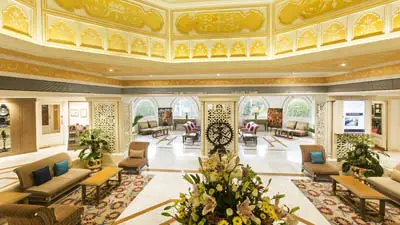
Gateway Aurangabad
The hotel’s design draws subtle inspiration from Deccan architectural traditions, expressed through clean lines, shaded walkways...
SUGGESTED ITINERARIES

Mystical Gems of India
Mumbai, Aurangabad, Udaipur, Jaipur, Agra, Delhi
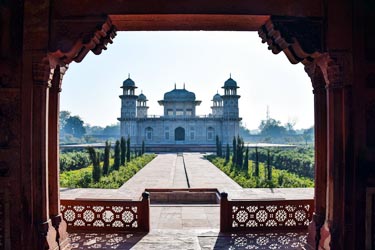
An architecture-focused journey through India’s most extraordinary sites, from Ajanta and Ellora’s rock-cut caves to Rajasthan’s palace cities and Mughal
Spectacular India
Delhi, Varanasi, Agra, Ranthambhore, Jaipur, Mumbai
A broader India journey that pairs iconic cities and sacred river traditions with Ranthambore’s tiger landscapes for a more varied and expansive introduction.
Majestic India
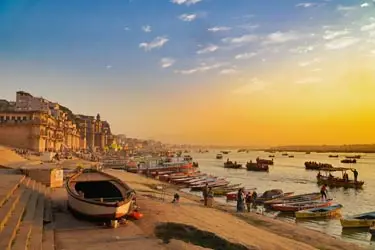
Delhi, Agra, Jaipur, Kolkata, Varanasi
A private journey across India’s imperial cities, sacred river traditions, and cultural centers, offering a deeper exploration of the country’s history, spirituality, and living heritage.

Ready to embark on your adventure of a lifetime?
However you imagine Asia, our luxury travel specialists will bring it to life — flawlessly.