
Mumbai Travel Guide
Discover your own version of
Mumbai
Highlights
- Gateway of India Waterfront — A landmark coastal promenade framed by colonial architecture and steady maritime activity.
- Marine Drive Art Deco District — A sweeping bay lined with one of the world’s largest concentrations of Art Deco buildings.
- Heritage Walks in Fort & Colaba — Explore narrow streets filled with cafés, boutiques, galleries, and historic trading institutions.
- Elephanta Island Excursions — Visit ancient rock-cut temples accessible by a scenic boat ride across Mumbai Harbour.
- Chor Bazaar & Crawford Market — Discover antiques, handicrafts, spices, and fresh produce in long-standing commercial hubs.
- Contemporary Arts & Film Culture — Engage with museums, modern galleries, and performance spaces that reflect the city’s creative identity.
Mumbai – The City of Seafront Boulevards, Art Districts & Iconic Landmarks
Mumbai stretches along a long natural peninsula bordering the Arabian Sea, its shoreline marked by sweeping bays, colonial-era promenades, and a skyline that rises in dense tiers behind the waterfront. Art Deco facades, historic gateways, and contemporary high-rises form a layered urban landscape shaped by trade, migration, and coastal geography. The sea breeze moves through the city’s open corridors, softening the pace of traffic and adding a steady, maritime character to daily life.
In the older districts, narrow lanes weave between markets, residences, and institutions that have supported the city’s commercial identity for generations. Fisherwomen sort their morning catch at Koli villages, office workers gather at local cafés, and trains pass through historic stations that remain central to the city’s movement. Across neighborhoods—from Colaba to Bandra—architectural styles, community traditions, and everyday routines reflect a city shaped by both its colonial heritage and its ongoing cultural evolution.
What to See in Mumbai
Ranthambore National Park Landscapes — A striking mix of dry forest, open meadows, and rocky outcrops that create ideal habitats for wildlife viewing.
Ranthambore Fort — A UNESCO-listed hilltop fortress with ancient temples, reservoirs, and panoramic views across the park’s forest canopy.
Padam Talao Lake — One of the park’s most scenic water bodies, known for its wide lotus fields and the iconic Jogi Mahal at its edge.
Raj Bagh Ruins — Crumbling arches and old hunting pavilions scattered through the forest, offering glimpses into the region’s royal past.
Malik Talao Wetlands — A calm freshwater lake that attracts a variety of birdlife, including storks, egrets, and kingfishers.
Historic Royal Structures — Old watchtowers, stone walls, and hunting lodges that reflect Ranthambhore’s role as a former royal game reserve.
Things to Do in Mumbai
Morning and Afternoon Wildlife Safaris — Traverse designated zones in open jeeps to spot tigers, leopards, deer, and diverse bird species.
Climb to Ranthambhore Fort — Walk through ancient gateways to explore temples, palaces, and sweeping views of the surrounding forest.
Visit Local Craft Communities — Meet artisans specializing in block printing, embroidery, and traditional Rajasthani crafts in nearby villages.
Enjoy Birdwatching at Key Water Bodies — Observe migratory and resident species around the park’s lakes and marshlands.
Take a Nature Walk with Naturalists — Learn about local flora, animal behavior, and the ecological significance of the park’s varied terrain.
Experience Village Life Around the Reserve — Wander through rural settlements to see farming routines, traditional homes, and daily cultural practices.
Why Visit Mumbai
Mumbai appeals to travelers who want to experience India’s most dynamic urban center through a lens of culture, architecture, and coastal atmosphere. Its monuments include colonial-era landmarks, grand railway stations, and contemporary art spaces, while its historic neighborhoods reveal a blend of Portuguese, British, and indigenous influences. The city’s waterfronts and promenades add a sense of openness that complements its energetic pace.
Beyond its landmarks, Mumbai offers one of India’s most diverse culinary and artistic scenes. Fine-dining restaurants, traditional Parsi cafés, seafood markets, and street food stalls coexist within a compact geography, making exploration both rich and accessible. The city’s museums, film studios, and galleries contribute to a cultural landscape that attracts travelers with interests in history, performance, and contemporary Indian creativity.
What's Unique About Mumbai
Mumbai stands apart for its combination of maritime geography and colonial-era urban planning. The city’s fort precinct, Art Deco stretch along Marine Drive, and Indo-Saracenic public buildings illustrate a rare architectural dialogue between European design and local materials. The presence of historic docks and fishing villages along the same coastlines adds a layer of continuity that few global cities maintain.
Equally distinctive is Mumbai’s role as the center of India’s film and media industries. Studios, theaters, and production houses contribute to a creative ecosystem that shapes national culture and entertainment. This artistic identity blends with the city’s commercial vibrancy, creating a metropolis defined by both cultural output and economic reach. Together, these elements give Mumbai a unique profile within India and across the region.
Best time to visit: December to February offers the most pleasant climate for exploring Mumbai’s waterfronts, historic districts, and cultural landmarks.
Weather and Seasons in Mumbai
Winter (December–February)
Mild temperatures and low humidity create ideal conditions for sightseeing, waterfront walks, and exploring outdoor markets.
Spring (March–April)
Warm weather continues with clear skies; afternoons can be hot, but mornings and evenings remain comfortable for cultural outings.
Summer (May–June)
Heat and humidity rise, and indoor attractions such as museums, galleries, and heritage buildings become more appealing.
Monsoon (July–September)
Steady rainfall defines the season, giving the coastline a dramatic character and limiting certain outdoor excursions, though the city remains active.
Autumn (October–November)
Rains subside, and humidity decreases, signaling a transition into cooler conditions suitable for both urban and coastal exploration.
Mumbai combines coastal atmosphere, architectural depth, and a cultural pulse that resonates across its neighborhoods and historic districts. The city’s blend of heritage structures, seaside promenades, and diverse culinary traditions creates a rich and engaging urban experience.
Whether your interests center on architecture, cuisine, or contemporary arts, Mumbai offers meaningful ways to explore India’s most cosmopolitan metropolis. When you’re ready to discover its landmarks, hidden corners, and coastal rhythms, we’ll tailor an itinerary that reflects your style and pace of travel.
ACCOMODATIONS IN MUMBAI

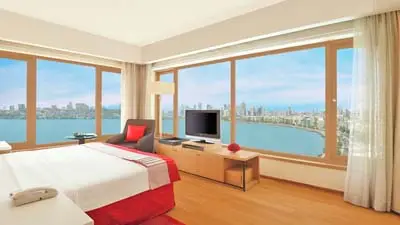
Trident Nariman Point
The hotel’s architecture reflects clean, modern lines softened by warm materials and thoughtful detailing. Interiors emphasize openness and light...

Oberoi Mumbai
Set along Marine Drive’s sweeping arc, The Oberoi, Mumbai occupies one of the city’s most celebrated waterfront addresses. Overlooking the Arabian Sea...
SUGGESTED ITINERARIES

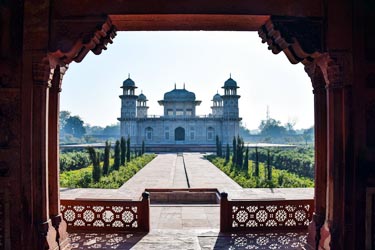
Spectacular India
Delhi, Varanasi, Agra, Ranthambhore, Jaipur, Mumbai
A broader India journey that pairs iconic cities and sacred river traditions with Ranthambore’s tiger landscapes for a more varied and expansive introduction.
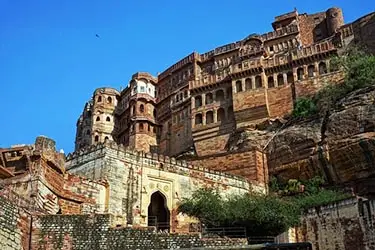
Mystical Gems of India
Mumbai, Aurangabad, Udaipur, Jaipur, Agra, Delhi
An architecture-focused journey through India’s most extraordinary sites, from Ajanta and Ellora’s rock-cut caves to Rajasthan’s palace cities and Mughal
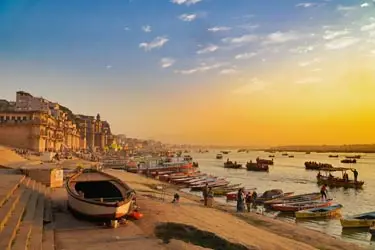
Majestic India
Delhi, Agra, Jaipur, Kolkata, Varanasi
A private journey across India’s imperial cities, sacred river traditions, and cultural centers, offering a deeper exploration of the country’s history, spirituality, and living heritage.

Ready to embark on your adventure of a lifetime?
However you imagine Asia, our luxury travel specialists will bring it to life — flawlessly.