
Nara Travel Guide

Discover your own version of

NARA

Highlights

Where Japan’s Ancient Spirit Still Roams

Nara carries the presence of Japan’s earliest capitals, where temple complexes, ancient forests, and open parkland come together in a landscape that feels both spacious and deeply rooted. Grand wooden halls, weathered pagodas, and quiet pathways reflect a spiritual and cultural legacy that stretches back more than a thousand years. The city’s natural setting—broad lawns, surrounding hills, and the familiar sight of deer moving freely—adds a calm, pastoral dimension rare among Japan’s major destinations.

Daily life in Nara unfolds at an unhurried pace. Markets highlight regional produce, temple neighborhoods maintain long-established rituals, and traditional craft studios continue work that has shaped the region’s identity for generations. These elements offer travelers a clear sense of continuity, inviting thoughtful exploration and steady movement between historic sites and quieter local streets. In this measured environment, Nara reveals a gentle clarity—one grounded in heritage, nature, and the enduring presence of Japan’s early cultural heart.

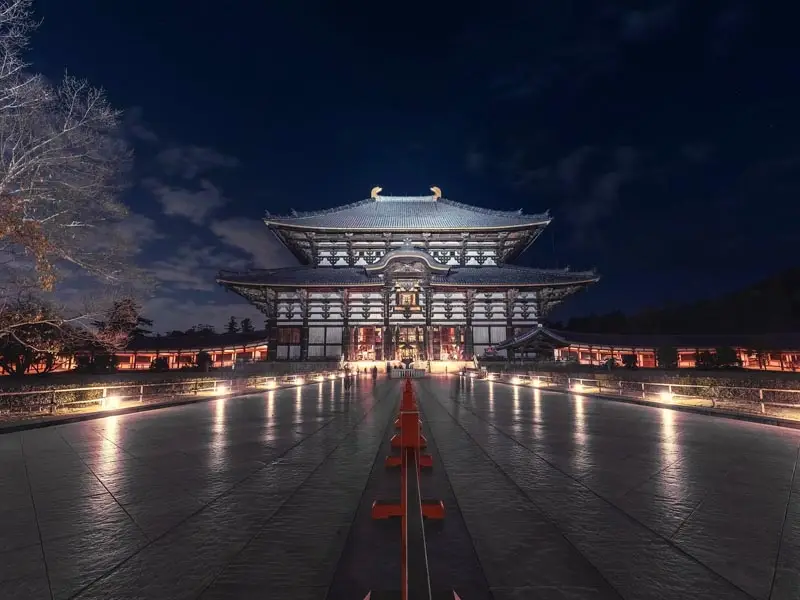
Night view of Todaiji Temple in Nara, Japan, one of the top UNESCO World Heritage sites
Nara tea ceremony class demonstrating traditional Japanese tea rituals and local cultural heritage

What to Do in Nara

Feed the Sacred Deer
Purchase special crackers and experience the joy of deer bowing politely in exchange for a snack.

Wander Naramachi
Stroll narrow lanes lined with preserved merchant houses, boutiques, cafés, and small museums that reveal everyday Edo-era life.

Join a Tea Ceremony
Step into a tatami-mat tea room to learn the rituals of matcha preparation in a setting steeped in tradition.

Cycle Between Temples
Rent a bicycle and glide along quiet paths that link shrines, rice fields, and tranquil neighborhoods.

Sample Kakinoha-zushi
Try Nara’s specialty of pressed sushi wrapped in persimmon leaves, a regional delicacy with a fragrant twist.

Climb Mount Wakakusa
A gentle ascent rewards with panoramic views of Nara’s temples and parks, especially striking at sunset.

What to See in Nara

Todai-ji Temple – Home of the Great Buddha
This vast wooden hall shelters a towering bronze Buddha, surrounded by intricate guardian statues and incense-filled air.

Kasuga Taisha Shrine – Lanterns in the Forest
A vermilion shrine set amid primeval woods, famed for thousands of bronze and stone lanterns that line its paths.

Kofuku-ji Temple – Five-Story Elegance
Once the temple of the powerful Fujiwara clan, its graceful pagoda dominates Nara’s skyline and reflects beautifully in Sarusawa Pond.

Nara Park – Deer of the Gods
Hundreds of sacred deer roam freely through parklands dotted with shrines, temples, and ponds, delighting visitors with their gentle presence.

Horyu-ji Temple – World’s Oldest Wooden Structures
A UNESCO treasure south of the city, preserving 7th-century halls, pagodas, and artifacts that mark the dawn of Buddhism in Japan.

Isuien Garden – Harmony of Water and Stone
A classical strolling garden of ponds, tea houses, and distant views of Todai-ji’s great roof framed by greenery.

Nara Japan five-story pagoda at Kofukuji Temple, a major historic landmark and cultural site
Yakushi-ji Temple in Nara at night with mountain fires in the distance.

Why Visit Nara

Nara is ideal for travelers seeking a gentler, more contemplative side of Japan — a place where history breathes softly through open parklands, ancient temples, and quiet neighborhoods untouched by rush or noise. The moment you arrive, the pace shifts: broad pathways unfold beneath towering cedars, tame deer wander freely, and UNESCO-listed treasures reveal themselves with a sense of calm that encourages slow, meaningful exploration. It’s a destination where beauty is experienced rather than chased, inviting you to wander, pause, and absorb Japan’s spiritual roots without crowds or hurry.

What makes Nara especially appealing is its seamless blend of accessibility and emotional resonance. Just a short journey from Osaka or Kyoto, it offers an escape into Japan’s earliest capital — a place shaped by Buddhist devotion, imperial history, and nature in its most harmonious form. Nara lets travelers experience depth without effort, guiding you toward serene vistas, timeless craftsmanship, and sacred spaces that feel both grounding and profoundly restorative.

What's Unique About Nara

Nara stands apart as the birthplace of Japan’s classical culture — home to some of the country’s oldest temples, massive wooden structures, and sacred icons that shaped the nation’s identity. Here, the legacy of early Buddhism endures in its purest form: colossal statues, lantern-lit shrines, and temple complexes that predate much of what exists elsewhere in Japan. This historical weight isn’t displayed behind glass; it’s alive in rituals, architecture, and the gentle rituals of monastic life that continue to this day.

Equally distinctive is the way nature and spirituality intertwine throughout the city. In Nara Park, deer — considered messengers of the gods — roam freely, moving gracefully between mossy pagodas and open lawns in a way that feels symbolic and deeply poetic. Few destinations offer such an effortless connection between the natural world and sacred tradition. Nara’s identity emerges from this harmony: ancient, tranquil, and profoundly authentic — a place where Japan’s spirit still feels close enough to touch.

Nara Park deer feeding among fall leaves in early morning light, a top attraction in Nara, Japan
Rainy spring day at Yoshinoyama in Nara, Japan, with travelers walking beneath blooming cherry trees.

Best time to visit: March–May and October–November for blossoms and fiery foliage, though summer rewards travelers with festive lanterns and tranquil temple nights.

Weather & Seasons in Nara

Spring (March–May)
Cherry blossoms soften temple grounds and deer-filled parks with pink haze, while mild temperatures and clear skies make this the most enchanting time for slow walks and outdoor exploration. Mornings feel crisp and luminous, perfect for visiting shrines before the day’s gentle warmth settles in.

Summer (June–August)
Lush greenery and warm, humid air create a vibrant, almost tropical atmosphere across Nara’s forests and temple ponds. Afternoon showers bring a refreshing coolness, and festival nights glow with lanterns, music, and deep cultural energy.

Autumn (September–November)
Maples ignite in crimson and gold across Nara Park and the hills surrounding Todaiji, offering some of Japan’s most breathtaking fall scenery. Comfortable days and crisp evenings make this the ideal season for photography, nature walks, and unhurried temple visits.

Winter (December–February)
Cool, quiet days reveal a tranquil side of Nara, where temple roofs dusted with snow and peaceful, uncrowded paths invite introspection. The air is clear and bright, creating striking visibility over the city’s historic landscapes.

Nara lingers in the memory through its quiet, soulful beauty — the way sunlight filters through ancient temple halls, how deer wander freely beneath towering cedars, and the calm that settles over sacred grounds as evening softens the sky. It is a place where Japan’s spiritual past feels close enough to touch, inviting you to slow your steps, breathe deeply, and take in moments that unfold with gentle clarity.

For travelers seeking connection, reflection, and a window into Japan’s oldest traditions, Nara offers an experience both serene and deeply grounding. Let its temples, gardens, and timeless rhythms guide you into a more contemplative pace — and allow this historic city to become one of the most meaningful chapters of your journey through Japan.

Autumn foliage surrounding a traditional red bridge over the pond at Isuien Garden in Nara, Japan

ACCOMMODATIONS NEAR NARA

Nara Travel Guide image

The Four Seasons Kyoto

Discover serene elegance at the Four Seasons Hotel Kyoto, nestled in the historic Higashiyama district and built around the stunning ...

Nara Travel Guide image

Dhawa Yura Hotel

Discover an intimate boutique escape at Dhawa Yura Kyoto, where contemporary design meets Kyoto’s centuries‑old heritage...

Nara Travel Guide image

Hotel Okura Kyoto

Experience refined elegance at Hotel Okura Kyoto, a graceful blend of timeless Japanese heritage and contemporary luxury ...
SUGGESTED ITINERARIES

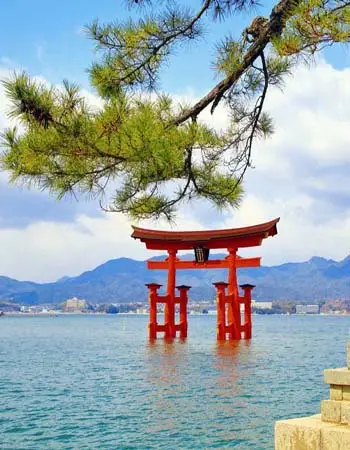
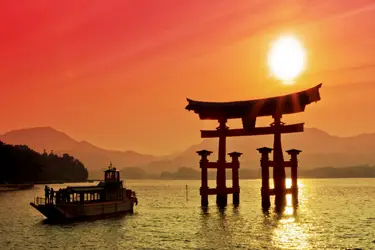
Itsukushima Shrine, Miyajima Island as featured on our Japan Panorama Tour

Japan Panorama

Tokyo, Hakone, Takayama, Kanazawa, Kyoto, Hiroshima, Osaka

A private Japan Tour Best for travelers who want a broad, multi-region view of Japan, connecting cities, countryside, and regional contrasts.
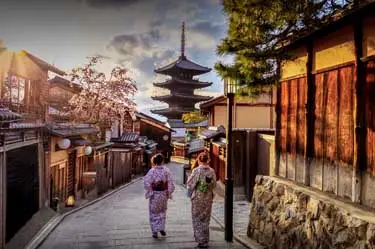
Walking through Kyoto’s historic Higashiyama district in traditional attire

Priceless Japan Spectacular

Tokyo, Hakone, Kyoto, Hiroshima, Osaka

A private Japan tour ideal for first-time visitors looking to experience Japan’s most essential destinations in one well-balanced private journey.
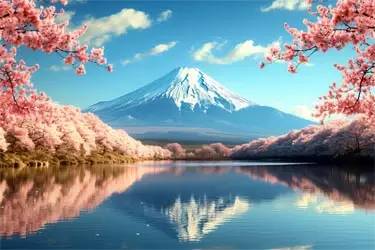
Mount Fuji reflected in a calm lake framed by cherry blossoms in full bloom during spring in Japan.

Japan Romance

Tokyo, Takayama, Kyoto, Nara, Osaka

A luxury Japan honeymoon & romantic tour created for couples seeking a romantic escape, blending intimate settings, serene landscapes, and elegant ryokan stays.


Ready to embark on your adventure of a lifetime?

However you imagine Asia, our luxury travel specialists will bring it to life — flawlessly.

The Explorient Difference

Scroll to Top

Please fill out the form below so we can assist you as efficiently as possible. We aim to respond within 1-2 business days.

Name
What's your preferred contact method?
Press Ctrl Key and mouse click to multi-select.