Gyeongju Travel Guide
Discover your own version of
Gyeongju
Highlights
- Bulguksa Temple Visit — Walk through stone terraces and ornate halls where Silla craftsmanship and Buddhist symbolism create a composed, enduring atmosphere.
- Seokguram Grotto Ascent — Climb Mount Toham to a serene stone sanctuary, where a seated Buddha overlooks the distant sea in quiet stillness.
- Daereungwon Tomb Walk — Stroll among grassy royal mounds that rise gently across open fields, revealing the scale and legacy of the Silla Kingdom.
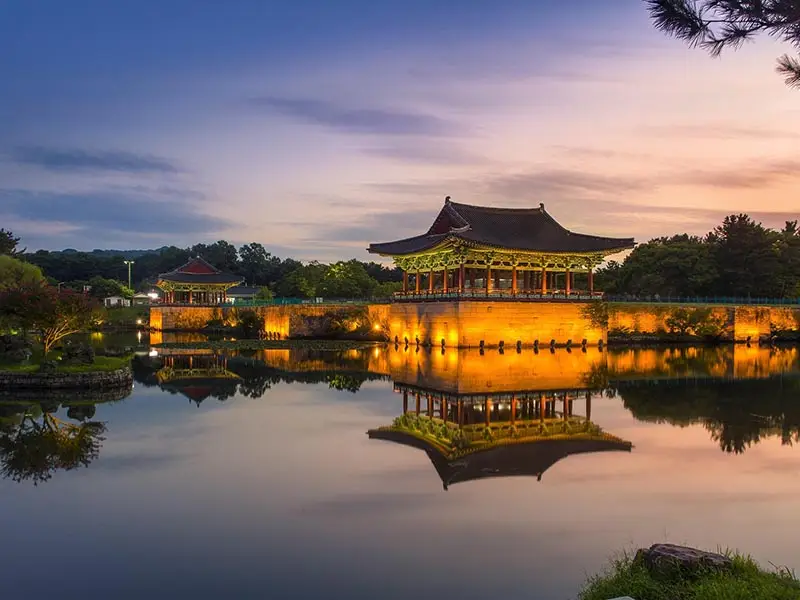
- Wolji Pond Evening Visit — Circle reflective waters as illuminated pavilions emerge at dusk, creating one of Gyeongju’s most atmospheric scenes.
- Hwangnidan-gil Exploration — Wander reimagined hanok-lined streets filled with cafés, boutiques, and a contemporary take on traditional design.
- Bomun Lake Cycling — Follow scenic lakeside paths past wooded hills and open views, offering a relaxed way to experience Gyeongju’s natural setting.
Gyeongju: Where Silla Heritage Meets Quiet Landscapes
Once the capital for nearly a thousand years, Gyeongju stands as a living record of Korea’s ancient past, where the legacy of the Silla Kingdom remains embedded across a landscape of temples, tombs, and quiet fields. The city preserves its history not in isolated monuments, but as part of its everyday surroundings—grassy burial mounds rise between roads and neighborhoods, while stone relics and pagodas appear with a quiet sense of continuity. The result is a setting that feels open and expansive, shaped as much by time as by design.
This atmosphere is complemented by a slower, more reflective pace that encourages exploration without urgency. Paths connect historic sites to village enclaves, wooded hills, and lakeside areas, allowing the city to be experienced gradually. Cultural traditions remain present through architecture, cuisine, and local practices, offering a grounded understanding of Korea’s heritage. Together, these elements create a destination defined by depth, continuity, and a lasting connection to its past.

What to See in Gyeongju
Bulguksa Temple – Masterpiece of Silla Buddhism
A UNESCO-listed temple complex renowned for its stone terraces, ornate halls, and symbolic bridges. Bulguksa reflects the spiritual and artistic achievements of the Silla Kingdom at its height.
Seokguram Grotto – Sacred Mountain Sanctuary
Perched high on Mount Toham, this stone grotto houses a serene Buddha statue facing the East Sea. Its precise construction and quiet setting create one of Korea’s most revered spiritual sites.
Daereungwon Tomb Complex – Royal Burial Grounds
A vast park of grassy burial mounds that mark the resting places of Silla royalty. Pathways weave between the tumuli, offering insight into ancient funerary traditions and royal legacy.
Cheomseongdae Observatory – Ancient Scientific Landmark
The oldest surviving astronomical observatory in East Asia, built during the Silla era. Its elegant stone structure reflects early advancements in science and royal interest in the cosmos.
Donggung Palace & Wolji Pond – Reflections of the Silla Court
Once a royal secondary palace, this tranquil site is best known for its restored pavilion and reflective pond. Illuminated at night, it offers one of Gyeongju’s most atmospheric views.
Gyeongju National Museum – Treasures of the Silla Kingdom
A comprehensive collection of artifacts, including gold crowns, ceramics, and Buddhist relics. The museum provides essential context for understanding Gyeongju’s historical significance.
Things to Do in Gyeongju
Cycle Around Bomun Lake – Scenic Leisure Experience
A relaxed cycling route encircling Bomun Lake, passing landscaped paths, resorts, and seasonal blossoms. The gentle terrain makes it an ideal way to take in Gyeongju’s natural setting.
Explore Hwangnidan-gil – Gyeongju’s Cultural Street
A revitalized district of traditional-style buildings housing cafés, boutiques, and galleries. It blends historic charm with contemporary design and a lively, creative atmosphere.
Walk Through Gyochon Hanok Village – Living Tradition
A preserved village showcasing traditional hanok architecture and cultural heritage. Visitors can observe craft practices, local customs, and the enduring rhythms of daily life.
Experience Temple Cuisine – Culinary Tradition of Buddhism
Enjoy a refined meal rooted in Buddhist principles, emphasizing seasonal vegetables and balanced flavors. The experience reflects centuries of mindful cooking and spiritual practice.
Attend Cultural Performances – Silla Heritage in Motion
Seasonal performances and reenactments bring Gyeongju’s history to life through music, dance, and storytelling. These events offer a deeper connection to the region’s cultural legacy.
Evening Stroll at Wolji Pond – Illuminated Heritage Walk
Return to Wolji Pond after sunset for a quiet walk among softly lit pavilions and water reflections. The atmosphere is calm, reflective, and distinctly tied to Gyeongju’s past.


Why Visit Gyeongju
Gyeongju offers a different pace of travel, where exploration is shaped by proximity and ease rather than intensity. Sites are connected through walkable areas and short distances, allowing visitors to move gradually between temples, tombs, and cultural districts. This encourages a more immersive experience, where time can be spent observing details rather than moving quickly between highlights.
The city also provides a deeper understanding of Korea’s historical foundations. Through its preserved landmarks, architectural traditions, and cultural practices, Gyeongju offers insight into the systems, beliefs, and aesthetics that shaped the country’s early development. For travelers seeking context and depth beyond contemporary urban experiences, it presents a setting that is both accessible and enduring.
What's Unique About Gyeongju
What sets Gyeongju apart is the continuity with which history is integrated into the landscape. Rather than being confined to designated sites, remnants of the Silla Kingdom appear throughout the city—burial mounds, stone relics, and temple structures exist alongside modern roads and neighborhoods. This creates an environment where the past is not staged or reconstructed, but remains physically present and embedded in daily life.
Gyeongju is also distinctive for its scale and restraint. The absence of dense urban development allows historical sites to retain their spatial context, surrounded by open land, wooded hills, and quiet villages. This preservation of both structure and setting gives the city a sense of authenticity, where cultural heritage is experienced as part of a continuous environment rather than a curated collection.


Best time to visit: April–May for cherry blossoms and mild weather; October–November for clear skies and autumn foliage.
Weather and Seasons in Gyeongju
Spring (March–May)
Mild temperatures and blooming cherry blossoms make spring one of Gyeongju’s most picturesque seasons. Historic sites, tomb parks, and temple grounds are framed by soft color, creating ideal conditions for walking and outdoor exploration.
Summer (June–August)
Warm and humid, summer brings lush greenery across Gyeongju’s landscapes. Occasional monsoon rains arrive in July, but early mornings and evenings remain well-suited for visiting temples, lakes, and open-air heritage sites.
Autumn (September–November)
Cool, crisp air and vibrant foliage make autumn especially rewarding. Hillsides and temple grounds turn shades of gold and red, while clear skies enhance the atmosphere across Gyeongju’s historic and natural settings.
Winter (December–February)
Cold and quiet, winter gives Gyeongju a more contemplative character. Fewer visitors and occasional frost or light snow add a sense of stillness to temples, tombs, and open landscapes.
Gyeongju offers a rare sense of continuity—where history is not confined to museums or monuments, but experienced through landscape, scale, and quiet presence. The city invites a different kind of attention, one shaped by observation rather than movement, where details emerge gradually across temples, pathways, and open fields. It is a destination that rewards time spent looking closely, allowing its significance to be felt rather than simply seen.
For travelers seeking a deeper connection to Korea’s origins, Gyeongju provides a setting that is both accessible and enduring. Its atmosphere remains steady, its history tangible, and its experiences grounded in place. When you’re ready to explore Korea through its earliest foundations, we’ll help design a journey through Gyeongju that reflects your pace, interests, and sense of discovery.

ACCOMODATIONS IN GYEONGJU

Lahan Select Gyeongju
Set within Gyeongju’s Bomun Tourist Complex, Lahan Select Gyeongju overlooks the calm waters of Bomun Lake, surrounded by wooded hills and a landscape ..
SUGGESTED ITINERARIES
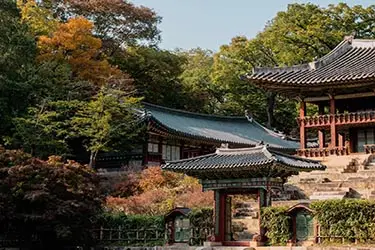
Priceless South Korea
Seoul, Gyeongju, Busan
A thoughtfully curated introduction to South Korea, blending royal heritage, ancient capitals, vibrant markets, and seaside city life.
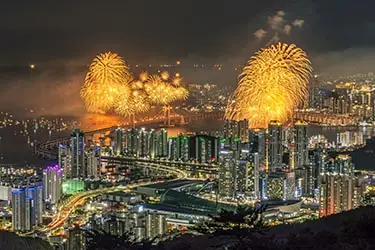
Priceless Japan & S. Korea
Tokyo, Kyoto, Seoul, Busan
A dynamic journey through Japan and South Korea blending ancient capitals, vibrant food culture, high-speed rail, and seaside city life.
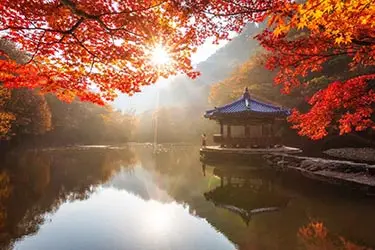
Imperials of the East
Seoul, Beijing, Kyoto
A compact yet richly layered journey through East Asia’s imperial and spiritual heritage, shaped by historic capitals, sacred traditions, and enduring cultural depth.
Ready to embark on your adventure of a lifetime?
However you imagine Asia, our luxury travel specialists will bring it to life — flawlessly.