South Korea Travel Guides
Practical Tips and Insights for Traveling in South Korea
South Korea Travel Guides
Everything You Need to Know Before You Go
At Explorient, we believe every meaningful journey begins with understanding — especially in a destination as layered and dynamic as South Korea. Our South Korea Travel Guides are designed to help you navigate the country with clarity and confidence, from the vibrant streets of Seoul and the coastal energy of Busan to the historic legacy of Gyeongju and the serene landscapes beyond the cities. Inside, you’ll find practical tips, essential FAQs, cultural etiquette, transportation insights, and trusted recommendations from our destination experts. Thoughtfully curated, these guides turn preparation into the first step of a journey shaped by tradition, innovation, and the distinct rhythm of contemporary Korean life.
PRACTICAL TIPS
- Passport & Visa
- Holidays
- Airport Taxes
- Baggage
- Climate & Clothing
- Communications
- Currency
- Customs & Etiquette
- Customs Regulations
- Electricity
- Food & Water
- Health Matters
- Tipping
- Transportation
- What to Pack
Passports & Visas: Your Smooth Entry to South Korea
From Seoul’s dynamic neighborhoods and royal palaces to Busan’s coastal charm and Gyeongju’s ancient heritage, South Korea offers a rich blend of tradition and modern energy. Sorting out your passport and visa details in advance ensures a smooth arrival—so you can focus on vibrant street food, cultural treasures, and the unforgettable experiences that await across the country.
Passport Validity
- Your passport must be valid for the duration of your stay in South Korea.
- It is wise to have at least one blank page available for entry procedures and any necessary stamps.
- Although South Korea does not impose a general six-month passport validity rule for all visitors, airlines may still scrutinize passports that are close to expiring, so double-check ahead of time.
Visa-Free Entry
- Citizens of many visa-waiver countries may enter South Korea without a visa for short tourist stays.
- The permitted length of stay varies by nationality, commonly ranging from 30 to 90 days, so travelers should confirm the rules that apply to their passport.
K-ETA & Visa Waiver Entry
- Some travelers entering South Korea under visa-waiver arrangements may need a Korea Electronic Travel Authorization (K-ETA) before departure.
- K-ETA eligibility and temporary exemptions vary by nationality, so it is important to check the latest requirements before traveling.
- If required for your nationality, you may apply through the official K-ETA website prior to arrival to streamline your entry.
Pre-Arranged Tourist Visas
- Travelers from countries not covered by visa-waiver arrangements must obtain a tourist visa in advance through a Korean Embassy or Consulate.
- Depending on your nationality and travel purpose, visa type and permitted stay length may vary—particularly for longer journeys or more specialized itineraries.
Proof of Onward Travel
- South Korean immigration or your airline may request proof of onward or return travel.
- It is a good idea to keep a digital or printed copy of your flight confirmation readily available.
Where to Double-Check
- Official K-ETA website
- Korea Visa Portal
- Your nearest Korean Embassy or Consulate
- Your government’s travel advisory website
With your documents in order, entering South Korea is typically straightforward and efficient—your first step into a journey of palace-lined avenues, mountain temples, lively markets, cutting-edge cities, and warm Korean hospitality waiting to unfold.
Holidays in South Korea: Travel with Ease and Awareness
South Korea’s holiday calendar blends national observances with centuries-old traditions. From Lunar New Year gatherings and Chuseok harvest celebrations to national commemorations and seasonal festivals, holidays here are deeply woven into daily life. A little preparation helps ensure smooth travels—so you can enjoy South Korea’s energy, heritage, and hospitality without unexpected surprises.
National Public Holidays
- South Korea observes a number of national holidays, including New Year’s Day, Independence Movement Day (Mar 1), Liberation Day (Aug 15), National Foundation Day (Oct 3), Hangeul Day (Oct 9), Christmas, and major traditional holidays such as Seollal and Chuseok.
- During the biggest holiday periods—especially Seollal (Lunar New Year) and Chuseok—roads, trains, and domestic flights can become extremely busy as many Koreans travel to their hometowns to celebrate with family.
- Banks, government offices, and some locally run businesses may close on public holidays, though many major attractions, shopping areas, and hotels continue operating.
Religious & Cultural Celebrations
- Seollal (Lunar New Year): One of Korea’s most important holidays, typically celebrated over several days with family gatherings, ancestral rites, traditional foods, and heavy nationwide travel. It is a fascinating cultural time to visit, but advance planning is essential.
- Chuseok (Korean Thanksgiving): A major autumn harvest holiday marked by family reunions, ancestor memorials, and traditional foods. Transportation and accommodations can be in high demand throughout the holiday period.
- Dano: One of Korea’s traditional seasonal festivals, historically associated with folk customs, performances, and festive games, though it is less disruptive to travel than Seollal or Chuseok.
Travel Tips During Holidays
- Book KTX train tickets, domestic flights, and hotels as early as possible during Seollal, Chuseok, and Christmas/New Year periods.
- Expect heavier traffic on expressways and crowded transport hubs, especially before and after major holiday dates.
- Museums, palaces, and attractions may adjust operating hours—some close on the main holiday day, while others offer special cultural programming.
Helpful Resources
- Korea Tourism Organization holiday and travel information
- Official attraction websites for seasonal closures and special events
- Your Explorient travel specialist for customized holiday planning
With a little awareness of South Korea’s holiday rhythms, your journey becomes even more rewarding—offering deeper insight into family traditions, seasonal customs, and the cultural heart of this dynamic and fascinating country.
Airport Taxes in South Korea: Simple and Straightforward
Traveling through South Korea’s airports is generally smooth and efficient, with standard passenger fees typically included directly in your airline ticket. No extra payment counters, no unexpected departure charges—just a streamlined start or finish to your journey.
What You Need to Know
- Airport taxes and passenger service charges for most flights are generally included in your airline ticket price.
- Fees may vary slightly between domestic and international flights, but they are typically itemized automatically when you book.
- You do not usually need to pay anything separately at the airport for standard departure taxes or passenger fees.
Helpful Tips
- If you’re curious, you can check your e-ticket or receipt—airport-related fees may appear under taxes, passenger service charges, or similar fare codes.
- This streamlined system makes budgeting easy since there are typically no last-minute fees to prepare for at check-in or departure.
- If flying domestically within South Korea, your airline will normally handle all applicable charges automatically with your purchase.
Where to Confirm
- Your airline’s ticket breakdown or fare details
- Official airport websites such as Incheon International Airport or Gimpo Airport
- Incheon International Airport
With most charges built into your ticket, flying in and out of South Korea is wonderfully convenient—leaving you more time to enjoy vibrant cities, mountain temples, scenic coastlines, and the cultural experiences waiting throughout the country.
Baggage in South Korea: Travel Light, Smooth, and Stress-Free
With South Korea’s efficient domestic flights, high-speed rail journeys, and city-to-city touring, packing thoughtfully helps make your trip seamless and comfortable. Understanding airline rules and local travel considerations keeps everything running smoothly from arrival to departure.
Airline Baggage Allowances
- Baggage allowances vary between international airlines and domestic carriers, so it is always best to review your ticket details before you fly.
- Full-service airlines often include checked baggage, while some low-cost domestic carriers may offer lower allowances or charge separately depending on the fare.
- Oversized or overweight luggage may incur additional fees, so checking your fare class and baggage policy in advance is always wise.
Carry-On Luggage
- Carry-on allowances vary by airline, but compact, easy-to-manage bags are ideal for smooth travel.
- On busy domestic flights or airport transfers, keeping your luggage light can make moving through terminals and stations much easier.
- Keep essentials—medications, electronics, valuables, and travel documents—within your carry-on for convenience.
Getting Around South Korea
- Light, practical luggage is ideal when traveling between Seoul, Busan, Gyeongju, and other destinations, especially if your itinerary includes train travel, hotel changes, or walking through stations.
- Wheeled suitcases work very well in major cities and modern hotels, while a smaller overnight bag can be useful for shorter stays or side trips.
- If traveling with skis, golf clubs, musical instruments, or photography gear, confirm oversize baggage policies with your airline ahead of time.
Storage & Handling
- Many hotels in South Korea are happy to store bags before check-in or after check-out, making it easier to explore between transfers.
- Your Explorient guide and driver will assist with handling luggage throughout your journey, helping ensure smooth transitions between destinations.
Where to Confirm
- Your airline’s official baggage policy
- Your e-ticket fare details
- Guidance from your Explorient travel specialist
With the right preparation and a clear understanding of airline policies, traveling with luggage in South Korea becomes effortless—letting you focus on palace-lined cities, scenic mountains, coastal beauty, and the country’s rich cultural experiences.
Climate & Clothing in South Korea: Stay Comfortable Through the Seasons
South Korea experiences four distinct seasons, bringing everything from cherry blossom springs and warm, green summers to crisp autumn days and cold, snowy winters. From Seoul’s lively streets and Busan’s coast to Gyeongju’s historic sites and the mountain landscapes beyond, understanding the seasonal climate helps you pack smart and travel comfortably throughout the country.
South Korea’s Climate at a Glance
- South Korea has four clear seasons, with hot, humid summers and cold, dry winters.
- Spring (March–May) and autumn (September–November) are especially pleasant, with mild temperatures and comfortable conditions for sightseeing.
- Summer (June–August) can be hot and humid, with the rainy season typically bringing periods of heavier rainfall in July and August.
- Winter (December–February) is often cold, particularly in inland areas, with occasional snow and icy conditions.
What to Wear
- Light layers are ideal in spring and autumn, when mornings and evenings can feel cooler than midday.
- Breathable clothing is best in summer, along with a light rain jacket or umbrella for humid or wet days.
- A warm coat, sweater, scarf, and gloves are essential in winter, especially in Seoul and other inland destinations.
- Modest, neat clothing is appreciated when visiting temples, historic sites, and more traditional settings.
Footwear Tips
- Comfortable walking shoes are ideal for exploring cities, palace grounds, markets, and historic neighborhoods.
- Supportive shoes are especially helpful if your itinerary includes temple visits, hillside walks, or extended sightseeing days.
- In winter, shoes with good grip are recommended for cold or slippery conditions.
Sun & Weather Essentials
- Sunscreen, sunglasses, and a hat are useful in warmer months, especially during long days outdoors.
- A compact umbrella is handy in summer and during shoulder seasons when rain can appear unexpectedly.
- A reusable water bottle helps you stay comfortable and hydrated while sightseeing.
Where to Double-Check
- Local forecasts for Seoul, Busan, Gyeongju, and other destinations on your itinerary
- Your hotel for local weather and packing insights
- Your Explorient travel specialist for packing guidance based on your exact itinerary
With the right clothing and a few thoughtful essentials, you’ll feel comfortable wherever your South Korea journey takes you—from spring blossoms and vibrant autumn foliage to bustling city streets, mountain temples, and scenic coastal escapes.
Communications in South Korea: Stay Connected with Ease
Whether you’re exploring Seoul’s vibrant neighborhoods, discovering Gyeongju’s historic treasures, or relaxing along Busan’s coastline, staying connected in South Korea is refreshingly easy. With fast mobile networks and widespread Wi-Fi, it’s simple to keep in touch, share photos, and navigate your journey with confidence.
Mobile & SIM Cards
- Local SIM cards and eSIM options from major providers such as SK Telecom, KT, and LG U+ are widely available and offer excellent coverage across cities and most rural areas.
- You can purchase a SIM card or arrange an eSIM at the airport, online in advance, or through authorized telecom shops—data packages are typically easy to set up and convenient for travelers.
- Passport identification may be required for SIM card registration or pickup.
Wi-Fi Access
- Wi-Fi is widely available at hotels, cafés, restaurants, airports, train stations, and many public spaces throughout South Korea.
- Speeds are generally fast and reliable in major cities and tourism hubs, making it easy to stream, message, and navigate on the go.
- Most mid-range and luxury hotels offer complimentary Wi-Fi throughout the property.
Data & Calling Tips
- Using a local SIM card or eSIM is usually the most convenient option for maps, messaging, ride apps, and photo sharing throughout your trip.
- International roaming is also possible, though rates vary by provider—check with your home carrier before departure.
- Apps like WhatsApp, FaceTime, KakaoTalk, and Messenger are commonly used for calls and messages, though KakaoTalk is especially popular in South Korea.
Staying Connected in Remote Areas
- Coverage is generally very strong, though some mountainous or more remote countryside areas may occasionally have weaker reception.
- Your guide can always help you plan ahead with offline maps or practical tips if your itinerary includes less urban destinations.
- Even in quieter areas, most hotels and many cafés still provide Wi-Fi for essential communication.
Where to Double-Check
- Your mobile carrier’s international roaming policies
- Local telecom providers (SK Telecom, KT, LG U+) for SIM or eSIM options
- Your hotel’s Wi-Fi details and coverage
With reliable networks, fast Wi-Fi, and easy access to traveler-friendly SIM and eSIM options, staying connected in South Korea is effortless—letting you share memorable moments from palace-lined streets, mountain temples, coastal scenery, and the country’s dynamic cities as they unfold.
Currency in South Korea: Simple, Straightforward, and Traveler-Friendly
From Seoul’s stylish shopping districts to Busan’s seafood markets and Gyeongju’s historic streets, handling money in South Korea is refreshingly easy. With a little preparation, you’ll move effortlessly through cafés, shops, museums, and everyday travel with confidence.
The Basics
- South Korea’s official currency is the South Korean Won (KRW).
- Cash is still useful for small purchases, local markets, and some smaller neighborhood businesses.
- Foreign currencies such as USD are generally not accepted for everyday purchases—expect to pay in Won.
Cash & ATMs
- ATMs are widely available in Seoul, Busan, and other major cities, as well as in airports, convenience stores, and bank branches.
- Not all ATMs accept foreign cards, so look for machines marked for global or international use.
- It’s helpful to carry smaller denominations for markets, local snacks, and simple day-to-day purchases.
Credit & Debit Cards
- Credit and debit cards are widely accepted at hotels, restaurants, department stores, and many shops throughout South Korea.
- Card payments are very common in cities, making travel especially convenient for most visitors.
- Even so, it is still wise to keep some cash on hand for smaller vendors or more local establishments.
Exchanging Money
- Banks, airport exchange counters, and reputable exchange shops offer currency exchange services throughout major travel hubs.
- Exchange rates may vary slightly by location, so comparing rates in central city areas can sometimes be worthwhile.
- Your guide can point you toward reliable exchange options near your hotel or sightseeing areas if needed.
Helpful Tips
- Keep a small amount of cash for markets, transportation top-ups, and smaller purchases.
- Check with your bank before departure to understand any foreign transaction or ATM withdrawal fees.
- Mobile and contactless payments are common in many places, but having a physical card remains useful throughout your trip.
With a mix of Won on hand and a few smart tips, navigating money in South Korea becomes effortless—letting you enjoy vibrant markets, cultural landmarks, and the country’s dynamic cities without missing a beat.
Customs & Etiquette: Respectful Travel in South Korea
South Korea’s cultural traditions are shaped by centuries of Confucian values, deep respect for elders, and a strong sense of social harmony. From Seoul’s modern energy to Gyeongju’s historic treasures and the quiet beauty of temple and village life, embracing local customs not only enriches your journey—it shows appreciation for the people and traditions that make the country so distinctive. With a few simple guidelines, you’ll feel welcomed wherever your travels take you.
Greetings & General Manners
- A slight bow is a common and respectful greeting in South Korea, sometimes accompanied by a handshake in more formal or business settings.
- When greeting someone older or in a position of respect, a more polite and reserved manner is appreciated.
- A calm, courteous tone is highly valued; South Koreans generally appreciate politeness, patience, and consideration for others.
- Raising your voice or showing open frustration in public is considered impolite and can cause discomfort.
Temple & Religious Etiquette
- Dress modestly when visiting Buddhist temples or traditional sites—clothing that covers shoulders and knees is best.
- Remove your shoes when entering temple halls or any indoor area where shoes are not permitted.
- Speak quietly and move respectfully in prayer areas or near people who are worshipping.
- Avoid touching monks, religious objects, or ceremonial items unless invited or clearly permitted.
- Follow posted guidance and your guide’s advice, as etiquette can vary slightly from one temple to another.
Respecting Personal Space
- Respect for elders is especially important—allow older people to be greeted first and show extra courtesy in conversation and shared spaces.
- Personal space is generally observed in a polite, restrained way, especially with people you have just met.
- In homes and some traditional accommodations or restaurants, shoes may need to be removed before entering.
Photography
- Always ask permission before photographing people, especially in traditional settings or quieter neighborhoods.
- Some temples, museums, and cultural sites may limit photography indoors or during ceremonies—look for posted signs or ask your guide.
- Be respectful when photographing children; parental consent is appreciated.
Market & Everyday Etiquette
- Bargaining is not generally expected in department stores, cafés, or most modern shops, though it may be possible in some traditional markets.
- It is polite to give or receive money, cards, or small items with both hands or with one hand supported by the other.
- Public displays of affection are generally modest in most settings.
- If offered food or drink, accepting graciously is considered polite, even if only in a small amount.
Helpful Tips
- Learning a few simple Korean phrases—like “gamsahamnida” (thank you) and “annyeong haseyo” (hello)—is always appreciated.
- Be especially mindful of etiquette around elders, temples, and traditional spaces; your guide will help you navigate what’s appropriate.
- When in doubt, simply observe how locals behave—it’s the easiest way to show respect.
With these customs in mind, your travels through South Korea become even more rewarding. A little cultural awareness opens the door to warmer interactions, richer experiences, and a deeper appreciation of this dynamic and deeply rooted destination.
Customs Regulations: Smooth Arrivals & Departures in South Korea
South Korea’s entry and exit procedures are generally efficient, and understanding a few key customs rules helps ensure your journey begins and ends without any surprises. With a little preparation, navigating customs is simple—letting you focus on palace-lined cities, cultural landmarks, and the scenic beauty found across the country. :contentReference[oaicite:0]{index=0}What You Can Bring In
- Travelers may bring personal belongings and reasonable quantities of clothing, electronics, and personal items for their own use without duty, within the applicable allowance.
- South Korea’s general duty-free allowance for personal effects is up to US$600.
- You are allowed up to 200 cigarettes.
- You may bring up to 1 liter of alcohol, up to a value of US$400, per adult.
- Personal medications are generally permitted, but it is best to carry them in original packaging with prescriptions if possible.
Restricted & Prohibited Items
- Drugs and controlled substances are strictly prohibited, with severe penalties.
- Weapons, firearms, and certain controlled items require special permits or prior approval.
- Plants, fresh produce, animal products, and wildlife items may be restricted or subject to quarantine and customs controls.
- Sexually inappropriate materials and counterfeit currency or securities are prohibited.
Money & Valuables
- Bringing more than USD 10,000 or the equivalent in foreign currency or Korean won must be declared upon arrival.
- Declare high-value professional equipment or specialty items if needed to avoid issues on departure.
- Keep receipts for valuable purchases such as jewelry, luxury goods, or specialty items.
Souvenirs & Cultural Items
- Many souvenirs and standard gifts can be taken out of the country without issue.
- Antiques or items of cultural significance may require documentation to take out of the country.
- Coral, ivory, reptile products, and certain wildlife items made from protected species may be restricted or prohibited.
Arrival & Departure Tips
- South Korea uses a customs declaration system for travelers bringing in goods that must be declared.
- Keep any declaration forms and supporting documentation handy for inspection at the customs checkpoint.
- If you’re unsure about an item, declare it—doing so helps avoid delays, fines, or complications on arrival or departure.
Where to Double-Check
- Korea Customs Service
- Official South Korean airport and arrival information portals
- Your Explorient travel specialist for trip-specific guidance
Electricity: Staying Powered Up Across South Korea
Charging your devices in South Korea is easy, whether you’re exploring Seoul’s vibrant neighborhoods, visiting Gyeongju’s historic sites, or enjoying Busan’s coastal scenery. With a bit of preparation, you’ll have everything you need to stay connected, capture photos, and navigate comfortably throughout your journey.
Voltage & Frequency
- South Korea uses a standard voltage of 220V and a frequency of 60Hz.
- Most modern electronics—such as phones, cameras, and laptops—are dual voltage, but always check your device’s label to confirm compatibility.
Plug Types
- Common plug types in South Korea are Type C (two round pins) and Type F (Schuko), similar to those used across much of Europe.
- Some hotels may offer universal outlets, but this is not guaranteed.
- A universal travel adapter is highly recommended, especially if you’re bringing devices from North America or other regions with different plug types.
Charging Your Devices
- Hotels, cafés, restaurants, and public spaces throughout South Korea typically provide easy access to outlets.
- Bring a small power strip or multi-port charger if you have several devices—outlets can sometimes be limited in hotel rooms.
- Power banks are useful for full sightseeing days, train journeys, and long outings in busy cities.
Power Outages
- Power outages are generally uncommon in South Korea, especially in major cities and established travel destinations.
- Most hotels and modern buildings are well equipped, ensuring a consistently reliable power supply.
- Even so, it’s still a good idea to charge devices overnight and keep a portable charger with you during longer excursions.
Helpful Tips
- If your device is not compatible with 220V, you’ll need a voltage converter—though this is uncommon for modern electronics.
- Carry spare charging cables and adapters for convenience, especially if you rely heavily on your phone for maps and transportation.
- Use a quality travel adapter to help protect sensitive electronics and ensure a secure fit in local outlets.
With the right adapter and a few smart essentials, staying powered up in South Korea is effortless—keeping your cameras ready, your phones charged, and your journey moving smoothly from city streets to scenic coastlines and historic landmarks.
Food & Water: Eating Well and Staying Healthy in South Korea
South Korea’s culinary landscape is a delight—from Seoul’s lively food streets and Busan’s seafood markets to traditional dishes in Gyeongju and beyond. With a few simple precautions, you can enjoy South Korea’s flavors confidently while staying hydrated and well throughout your journey.
Drinking Water
- Tap water in South Korea is generally considered safe to drink, especially in major cities and established travel destinations.
- Many hotels also provide complimentary bottled water daily, and filtered water is commonly available.
- When dining out, water is typically served at restaurants, and ice is generally safe in reputable establishments.
- If you prefer, bottled water is easy to find at convenience stores, supermarkets, and vending machines.
Eating Safely
- South Korea’s food scene is vibrant and varied—restaurants, markets, and food halls are generally clean and well managed.
- Choose food that is freshly prepared and served hot, especially when enjoying street food.
- Fruits are safe to enjoy when freshly peeled or properly washed.
- If you have a sensitive stomach, ease into spicier dishes gradually, as Korean cuisine can be bold and heat-forward.
Fresh Produce & Salads
- Salads and fresh vegetables served at reputable hotels and restaurants are generally safe to enjoy.
- As with travel anywhere, use a little extra caution at very small or informal eateries if you are sensitive to unfamiliar foods.
- When in doubt, cooked vegetable dishes are plentiful and flavorful throughout Korean cuisine.
Seafood & Meat
- Coastal cities like Busan offer excellent seafood—choose busy, reputable restaurants for the freshest experience.
- Ensure meats are cooked to your comfort level, especially when grilling at the table.
- Raw or lightly prepared seafood dishes are available in some regions, so choose reputable establishments if you wish to try them.
Helpful Tips
- Carry a reusable water bottle to stay hydrated, especially during long sightseeing days or in warmer months.
- Pack electrolytes if you are traveling in summer, hiking, or spending long days outdoors.
- When in doubt, your guide can recommend excellent places to try local dishes and experience South Korea’s rich culinary variety with confidence.
With a little awareness and a spirit of curiosity, South Korea’s food and drink become one of the highlights of your journey—inviting you to savor comforting flavors, regional specialties, and the warm hospitality that defines this dynamic destination.
Health Matters: Staying Well Throughout Your South Korea Journey
South Korea’s modern cities, scenic mountains, and rich cultural experiences make it a comfortable and rewarding destination. With a bit of preparation and awareness, staying healthy during your travels is simple—allowing you to fully enjoy Seoul’s vibrant neighborhoods, Busan’s coastline, and Gyeongju’s historic treasures with confidence and peace of mind.
General Health Tips
- South Korea experiences four distinct seasons, so stay hydrated, dress appropriately, and take breaks during hot summer days or cold winter sightseeing.
- Bring any personal medications you require, along with a small travel first-aid kit for everyday needs.
- If you have chronic health conditions, carry doctor’s notes and prescriptions in original packaging.
Vaccinations & Preventive Care
- No vaccinations are generally required for entry into South Korea for most travelers.
- Travelers should be up to date on routine vaccinations, and some may consider standard travel precautions depending on their itinerary.
- As with any international trip, it is wise to check current health guidance before departure.
Mosquito Protection
- Mosquito protection is generally not a major concern in cities, but insect repellent can be useful in summer, parks, or rural areas.
- Lightweight long sleeves and pants may be helpful if your itinerary includes hiking or countryside visits.
- Your guide or hotel can advise on seasonal conditions if needed.
Sun & Weather Safety
- Summer can be hot and humid, so apply sunscreen regularly and stay well hydrated during outdoor activities.
- Wear a hat, sunglasses, and comfortable seasonal clothing to stay protected and comfortable.
- In winter, pack warm layers and take extra care in icy or snowy conditions.
Medical Facilities
- South Korea has excellent medical facilities in major cities and established travel destinations.
- Hospitals and clinics are modern, efficient, and widely accessible in urban areas.
- For emergencies, your guide or hotel can assist with transportation to the nearest reputable facility.
Travel Insurance
- Comprehensive travel insurance is highly recommended.
- Ensure your policy covers medical care, trip interruption, and emergency assistance.
- It is helpful to understand how your insurance works abroad before departure.
Helpful Tips
- Wash hands frequently or use hand sanitizer, especially before meals and after time in busy public areas.
- Check current health notices before departure, particularly during seasonal illness periods.
- If you feel unwell, notify your guide or hotel staff—local assistance and recommendations can make all the difference.
With a little preparation and awareness, staying healthy in South Korea is straightforward. These simple steps help ensure your journey unfolds smoothly—letting you embrace the country’s culture, cuisine, and seasonal beauty with confidence and ease.
Tipping in South Korea: A Friendly Guide to Local Customs
Tipping in South Korea is not a common practice and is generally neither expected nor required. Across Seoul, Busan, and beyond, excellent service is considered part of the experience. With a few simple guidelines, you’ll feel confident and culturally aware throughout your journey.
Restaurants & Cafés
- Tipping is not customary in South Korean restaurants—service is typically included in the price.
- In most cases, no additional tip is expected, even in mid-range or upscale establishments.
- In casual cafés and eateries, simply paying the bill as listed is standard practice.
Hotels
- Tipping hotel staff is not expected in South Korea.
- Porters, housekeeping, and concierge staff generally do not anticipate tips as part of their service.
- In luxury international hotels, tipping may occasionally be accepted, but it is not required.
Drivers, Guides & Excursions
- Tour guides and private drivers appreciate gratuities for quality service, especially on full-day tours.
- Suggested amounts for a full-day private tour: Guides USD 10–15 per traveler per day; Drivers USD 5–10 per traveler per day.
- For half-day tours, half the full-day amount is appropriate.
- Larger groups may give a combined tip to be shared among staff.
Transportation
- Taxis and rideshares do not require tipping—simply pay the metered fare.
- Drivers do not expect tips, and rounding up is not necessary.
General Tips
- Tipping is always discretionary and often unnecessary—great service is already built into the culture.
- Offering money directly may sometimes feel unfamiliar or uncomfortable in local contexts, so use discretion.
- A sincere “thank you” (gamsahamnida) is always appreciated and culturally appropriate.
Where to Double-Check
- Your hotel’s policies (some international hotels may differ)
- Your itinerary details for private services
- Your Explorient travel specialist for location-specific guidance
With these simple guidelines, navigating tipping in South Korea is effortless—allowing you to enjoy thoughtful service and warm hospitality while respecting local customs with ease.
Transportation: Getting Around Cities in South Korea
South Korea’s cities—whether it’s the dynamic energy of Seoul, the coastal charm of Busan, or the historic atmosphere of Gyeongju—offer an excellent mix of walkable neighborhoods and highly efficient local transport. Since all Explorient journeys include your own private guide and driver for intercity and full-day sightseeing, you’ll only need to think about short hops within town. Fortunately, urban areas in South Korea are safe, convenient, and exceptionally easy to navigate.
Walking
- Central areas like Seoul’s Insadong, Myeongdong, and Bukchon Hanok Village, as well as parts of Busan and Gyeongju, are ideal for exploring on foot.
- Walking is often the best way to discover cafés, boutiques, markets, and cultural landmarks at your own pace.
- Sidewalks are generally well maintained, though comfortable footwear is recommended for long sightseeing days or hilly neighborhoods.
Taxis
- Taxis in South Korea are reliable, safe, and widely available in major cities.
- They are ideal for short city rides, especially in the evening or when traveling directly between neighborhoods.
- Fares are metered, making taxis a straightforward and convenient option for visitors.
Ride-Hailing Apps
- Ride-hailing and taxi-booking apps are available in South Korea and can be very convenient in larger cities.
- They are especially useful for quick rides between restaurants, shops, hotels, and attractions.
- Traffic can be heavy in major urban centers during peak hours, so allow extra time when needed.
Hotel Transfers
- Many hotels in South Korea can assist with arranging taxis or short local transfers when needed.
- Some larger or higher-end properties may also offer shuttle services to nearby stations, shopping districts, or key attractions.
- Ask reception for local transportation assistance or recommendations during your stay.
Subways & Local Transit
- Cities like Seoul and Busan have excellent subway systems that are clean, efficient, and easy to use.
- Public transportation is ideal for independent short-distance travel within the city, especially during the day.
- Signs and announcements are often available in English, making local transit especially visitor-friendly.
Bicycles & E-Bikes
- In some parks, riverfront areas, and quieter neighborhoods, bicycles can offer a pleasant way to explore.
- Stick to marked cycling paths and avoid busier traffic areas unless you are comfortable navigating urban streets.
- Some cities and hotels offer rental bicycles for short leisure rides.
Helpful Tips
- Carry a transportation card for easy access to subways, buses, and other local transit options.
- Allow extra time during rush hour in major cities, especially in Seoul.
- Download a local navigation or taxi app before departure to make short city trips even easier.
- For anything beyond a short city trip, let us take care of it—your private guide and driver handle all intercity and long-distance transfers throughout your journey.
With walkable districts, reliable taxis, and excellent public transportation, navigating South Korea’s cities is effortless. And with Explorient handling every major transfer, you’ll enjoy complete comfort and peace of mind from start to finish.
What to Pack: Essentials for a Comfortable Journey in South Korea
From Seoul’s dynamic neighborhoods and palace districts to Busan’s breezy coastline, Gyeongju’s historic treasures, and the mountain landscapes beyond, South Korea spans distinct seasons and a variety of settings. Packing smart helps you stay comfortable, prepared, and ready to enjoy every moment—whether you’re exploring traditional villages, dining in lively city districts, or heading out for scenic day excursions.
Clothing Essentials
- Comfortable, season-appropriate clothing for South Korea’s four distinct seasons—light layers work especially well in spring and autumn.
- A warm jacket or coat for winter, particularly in Seoul and other inland areas where temperatures can drop significantly.
- Modest attire (covered shoulders and knees) for temple visits and traditional cultural sites.
- A swimsuit if your hotel has a pool, spa, or wellness facilities.
- Comfortable walking shoes for city strolls, markets, palace grounds, and historic districts.
Sun & Weather Protection
- Sunscreen with high SPF—especially useful during warmer months and long days outdoors.
- A hat and sunglasses for daytime exploring.
- A light rain jacket or compact umbrella, especially in summer or during the rainy season.
- Insect repellent for outdoor activities, parks, and countryside visits in warmer months.
Temple & Cultural Items
- A scarf or light layer for added coverage at temples or traditional sites if desired.
- Easy-to-remove shoes can be helpful when visiting places where footwear may need to be taken off.
- Reusable water bottle for staying hydrated comfortably throughout the day.
Electronics & Accessories
- Universal travel adapter (South Korea uses 220V, Type C/F plugs).
- Power bank for full sightseeing days and long outings.
- Camera or phone with good storage—the palaces, cityscapes, mountains, and coastal scenery are wonderfully photogenic.
- Downloaded offline maps for walking around neighborhoods and navigating between attractions.
Health & Comfort
- Basic medications (pain relievers, antihistamines, personal prescriptions).
- Motion sickness tablets if you are sensitive on winding mountain roads, ferries, or longer road journeys.
- Hand sanitizer and wet wipes for markets, transit, and day trips.
- Electrolytes for hot summer days or active sightseeing.
Optional but Helpful
- Lightweight daypack for excursions, shopping, and daily sightseeing.
- A small pouch or tote for carrying purchases from markets or local shops.
- A foldable umbrella for sudden rain showers.
- Travel laundry detergent for quick sink washes during longer journeys.
With these essentials packed, you’ll be ready for South Korea’s seasonal beauty, cultural treasures, and dynamic cities. From Seoul’s palace-lined avenues to Busan’s coast and Gyeongju’s historic charm, a well-prepared bag ensures a smoother, more comfortable journey every step of the way.
Travel Protection Plan
At Explorient, we believe your travel experience should be as carefree and enriching as possible. That’s why we’ve partnered with Allianz Travel Insurance — one of the most trusted names in travel protection — to help safeguard your trip from the unexpected.
WHAT OUR TRAVELERS FREQUENTLY ASK US
A well-paced journey is typically 7–10 days, allowing you to experience Seoul’s dynamic culture, Busan’s coastal charm, and Gyeongju’s historic heritage. With more time, you can explore deeper—adding mountain regions, countryside retreats, or nearby islands for a richer, more immersive experience.
Absolutely. South Korea offers a seamless introduction to Asia with its blend of modern infrastructure, safety, and deep cultural heritage. It’s easy to navigate, clean, and welcoming—making it ideal for first-time travelers seeking both comfort and authenticity.
Seoul is a vibrant starting point, blending royal palaces with contemporary culture. Busan offers beaches and fresh seafood, while Gyeongju reveals Korea’s ancient past. Depending on your interests, destinations like Jeju Island or the Korean countryside can add a more scenic or tranquil dimension to your journey.
South Korea offers a distinctive blend of tradition and modern energy. It feels more compact and fast-paced than Japan, yet more accessible and contemporary than many parts of China. The culture is deeply rooted in heritage, but expressed through cutting-edge design, cuisine, and pop culture—creating a dynamic and uniquely Korean experience.
Yes. South Korea offers an excellent range of luxury accommodations, private experiences, and refined dining. From design-forward hotels in Seoul to tranquil hanok stays and curated cultural experiences, it’s a destination that pairs sophistication with authenticity—especially when thoughtfully planned.
Yes, and they are often highlights of the journey. Places like Bukchon Hanok Village in Seoul or the preserved streets of Gyeongju offer insight into Korea’s architectural and cultural heritage. These experiences are best enjoyed with a knowledgeable guide who can bring the history and traditions to life.
Absolutely. South Korea is a culinary destination in its own right. Beyond well-known dishes like Korean barbecue, the country offers regional specialties, bustling food markets, and refined dining experiences. Exploring local cuisine is an essential and rewarding part of any journey here.
Yes. South Korea is very welcoming to families, with safe cities, efficient transport, and a wide range of engaging experiences—from cultural sites and parks to interactive museums. It’s a destination that balances education, exploration, and comfort for travelers of all ages.
No. South Korea does not require any mandatory vaccinations for entry for most travelers.
That said, it’s always recommended to be up to date on routine vaccinations, and some travelers choose additional protection—such as Hepatitis A—depending on their itinerary and personal preferences.
For most visitors, especially those staying in cities like Seoul, Busan, and Gyeongju, there are no special health requirements—making travel to South Korea simple and low-maintenance from a health standpoint.
While travel insurance isn’t required to enter South Korea, it’s one of the most valuable investments you can make for a smooth, worry-free journey. South Korea is a modern, highly developed destination with excellent infrastructure and healthcare, but unexpected situations—such as illness, travel delays, or itinerary changes—can still arise. Having comprehensive coverage ensures that even the unexpected never disrupts your experience.
- A strong travel insurance plan typically includes coverage for:
- Trip cancellation or interruption
- Medical treatment and emergency care
- Emergency evacuation
- Lost, damaged, or delayed baggage
- Travel delays or missed connections
- Optional coverage for activities such as hiking, cycling, or seasonal experiences (if included in your policy)
South Korea offers outstanding medical facilities, particularly in cities like Seoul and Busan, with modern hospitals and highly trained professionals. However, medical care can be costly without insurance, and most facilities require payment upfront. Insurance provides valuable peace of mind—especially if you require treatment or assistance during your stay.
Seasonal weather can occasionally impact travel plans. Summer rains or winter conditions may cause minor delays to flights or transportation, and insurance helps protect your itinerary and expenses should plans shift.
For added convenience, Explorient offers a trusted Travel Protection Plan designed specifically for our Asia journeys. If you’d like guidance or a quote, we’re happy to help you select the right level of protection.
With travel insurance in place, you’re free to explore South Korea’s palaces, coastal cities, mountain temples, and vibrant neighborhoods with complete confidence—knowing every step of your journey is thoughtfully safeguarded.
Your comfort and peace of mind are our top priorities. If you need assistance at any point during your journey, you’ll have access to our dedicated local support team and 24/7 emergency assistance. Whether it’s a missed train, a sudden schedule change, or unforeseen world events —we’re just a call away and ALWAYS have your back!
For official travel guidance and helpful resources, contact:
Address: 122 East 32nd Street, 7th floor, New York, NY10016
What our travelers said about us
SUGGESTED ITINERARIES

Imperials of the East
Seoul, Beijing, Kyoto
A compact yet richly layered journey through East Asia’s imperial and spiritual heritage, shaped by historic capitals, sacred traditions, and enduring cultural depth.
Priceless South Korea
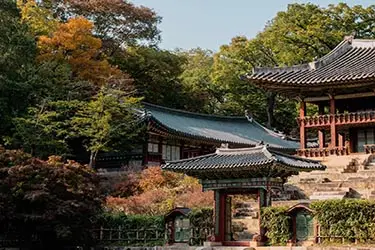
Seoul, Gyeongju, Busan
A thoughtfully curated introduction to South Korea, blending royal heritage, ancient capitals, vibrant markets, and seaside city life.
Priceless Japan & S. Korea
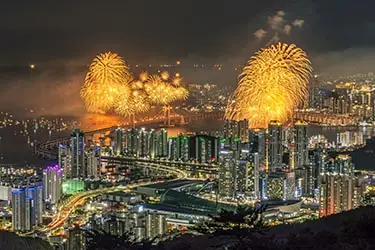
Tokyo, Kyoto, Seoul, Busan
A dynamic journey through Japan and South Korea blending ancient capitals, vibrant food culture, high-speed rail, and seaside city life.
Ready to embark on your adventure of a lifetime?
However you imagine Asia, our luxury travel specialists will bring it to life — flawlessly.