Laos Travel Guides
Practical Tips and Insights for Traveling in Laos
Laos Travel Guides
Everything You Need to Know Before You Go
At Explorient, we believe every remarkable journey begins with understanding — especially in a destination as soulful and serene as Laos. Our Laos Travel Guides are crafted to help you travel with clarity, comfort, and cultural insight. Inside, you’ll find practical tips, essential FAQs, etiquette guidance, transportation know-how, travel protection recommendations, and trusted local resources. Thoughtfully curated by our destination experts, these guides empower you to experience Laos with ease and confidence — transforming preparation into the opening chapter of a journey defined by spirituality, nature, and timeless charm.
PRACTICAL TIPS
- Passport & Visa
- Holidays
- Airport Taxes
- Baggage
- Climate & Clothing
- Communications
- Currency
- Customs & Etiquette
- Customs Regulations
- Electricity
- Food & Water
- Health Matters
- Tipping
- Transportation
- What to Pack
Passports & Visas: Your Smooth Entry to Laos
Nestled between misty mountains and the gentle flow of the Mekong, Laos welcomes travelers with a warmth as serene as its landscapes. Getting your passport and visa sorted ahead of time ensures an easy, stress-free arrival—so you can focus on golden stupas, French-inspired cafés, and the unhurried charm that makes Laos so unforgettable.
Passport Validity
- Your passport must be valid for at least six months beyond your intended stay in Laos.
- Ensure you have at least one blank page available for entry and exit stamps.
- Airlines may refuse boarding if your passport is close to expiring, so check early.
Visa on Arrival & eVisa
- Most travelers—including those from the United States, Canada, UK, EU, Australia, and many Asian countries—are eligible for a Visa on Arrival at major international airports and select land borders.
- The Visa on Arrival typically grants a 30-day stay; bring a passport photo and be prepared to pay the visa fee in cash (USD is preferred).
- Laos also offers an eVisa system for travelers entering through approved ports. It’s quick, convenient, and can be completed online before your trip.
Pre-Arranged Tourist Visas
- If you prefer to have everything confirmed beforehand, you can apply for a Tourist Visa at any Lao embassy or consulate.
- Tourist visas normally allow a 30-day stay, with the possibility of extension inside Laos.
Proof of Onward Travel
- Immigration may request proof of onward or return travel, such as a flight or bus ticket departing within your visa’s validity period.
- Airlines may check this prior to boarding, so keeping a digital or printed copy is helpful.
Where to Double-Check
- The official Lao eVisa portal
- Your nearest Lao Embassy or Consulate
- Your government’s travel advisory website
With your documents ready and plans set, entering Laos is usually a smooth, welcoming process. Think of it as your first taste of Lao hospitality—calm, effortless, and ready to guide you into a journey rich with culture, nature, and timeless charm.
Holidays: Planning Around Festivals & Celebrations in Laos
Laos moves at a gentle, unhurried pace—until its festivals arrive, bringing color, joy, and centuries-old traditions to life. With a little planning, traveling during Lao holidays becomes an unforgettable experience rather than an unexpected surprise. Whether you’re timing your trip for a vibrant celebration or looking to avoid peak crowds, these practical tips help you navigate the country with ease.
Know the Major Holidays
- Pi Mai (Lao New Year, mid-April): The biggest celebration of the year, marked by water throwing, parades, and temple rituals. Expect nationwide festivities and very high travel demand.
- That Luang Festival (November): A spiritual highlight in Vientiane featuring candlelit processions, offerings, and traditional performances.
- Boat Racing Festivals (various dates): Rivers transform into lively racecourses, with locals cheering and gathering along the Mekong.
Book Early During Festive Seasons
- Hotels and flights fill up quickly around major holidays—reserve accommodations and transport well in advance.
- Popular destinations like Luang Prabang may see limited room availability during Pi Mai and Buddhist festivals.
- If your itinerary is flexible, consider avoiding peak public holidays for a quieter experience.
Expect Closures & Reduced Services
- Government offices, banks, and some businesses may close or operate shorter hours during major holidays.
- Transport schedules—especially buses and domestic flights—can be modified or fully booked.
- ATMs may run out of cash during peak celebrations, so withdraw what you need in advance.
Join the Celebrations Respectfully
- Dress modestly when joining temple ceremonies or observing religious rituals.
- If you participate in Pi Mai water festivities, keep electronics protected and avoid throwing water at monks, elders, or small children.
- Always ask before photographing locals, especially during spiritual or family moments.
Stay Hydrated & Plan for Heat
- Many major festivals fall during Laos’ hottest months—carry water and sunscreen when joining outdoor events.
- Expect busy streets, loud music, and lively crowds; plan breaks throughout the day.
Where to Double-Check
- Local tourism boards for festival dates (which can shift yearly)
- Your hotel or guide for updated schedules and advice
- Government holiday calendars for closure information
With the right preparation, traveling during Lao holidays becomes a chance to experience the country at its most spirited and authentic. Whether you’re celebrating alongside locals or opting for a peaceful retreat, Laos welcomes you with warmth, tradition, and unforgettable cultural charm.
Airport Taxes in Laos: Easy and Hassle-Free
Traveling through Laos is refreshingly straightforward, and that includes airport taxes. Years ago, passengers had to line up and pay these fees separately at the airport — but today, everything is neatly included in the price of your ticket. No extra queues, no last-minute payments, just a smooth departure that lets you focus on your journey ahead.
What You Need to Know
- Airport taxes and passenger service charges are already built into your ticket fare, whether you’re flying domestically or internationally.
- The exact fee varies by airport and route, but it’s automatically itemized when you purchase your ticket.
- No separate cash payments are required upon departure — the process has been fully streamlined for travelers.
Helpful Tips
- Curious about the breakdown? Check your e-ticket receipt — airport taxes often appear under “PSC,” “Airport Tax,” or “Service Charge.”
- Because fees are included upfront, budgeting for your trip becomes much simpler with no surprise add-ons at the airport.
- For the latest official updates, your airline or the Department of Civil Aviation Laos websites are reliable sources.
In short, Laos keeps it delightfully simple — your airport taxes are taken care of the moment you book your flight. It’s one less detail to worry about, so you can travel with confidence and ease.
Baggage: Smooth & Straightforward for Your Laos Journey
Traveling through Laos is generally easy when it comes to baggage. Airlines serving the country keep things simple, with clear allowances and convenient check-in procedures. A little preparation before your flight ensures you breeze through the airport — leaving you free to enjoy Laos’ tranquil landscapes and warm hospitality from the moment you arrive.
Checked Baggage
- Baggage allowances vary by airline and fare class; most international carriers include at least one checked bag on long-haul tickets.
- Domestic flights within Laos often have smaller allowances (usually 15–20 kg), so double-check your ticket details.
- Overweight or additional bags may incur fees; paying online in advance is usually cheaper than paying at the airport.
Carry-On Baggage
- Most airlines allow one cabin bag plus a small personal item, such as a purse or laptop bag.
- Carry-on weight limits are typically 5–7 kg on domestic flights, so pack light to avoid repacking at the gate.
- Keep valuables, travel documents, and electronics in your hand luggage at all times.
Special Items
- Sporting equipment and oversized items can usually be checked for an added fee; policies vary widely by airline.
- If you’re carrying fragile items, request a “Fragile” tag at check-in for extra care during handling.
- For travelers with medical equipment, notify your airline ahead of time to ensure smooth boarding and storage.
Helpful Tips
- Review your airline’s baggage policy before packing — especially if your itinerary includes a mix of international and domestic flights.
- Label all luggage clearly with your name, hotel, and contact information.
- Keep a change of clothes and essentials in your carry-on in case of delays or misplaced bags.
With the right preparation, handling your baggage in Laos is seamless and stress-free. Think of it as an easy start to the gentle, unhurried pace that makes Laos such a pleasure to explore.
Climate & Clothing: Staying Comfortable in Laos
Laos’ climate is as diverse as its landscapes — from misty mountains to sun-drenched river valleys. With warm temperatures year-round and distinct wet and dry seasons, packing the right clothing ensures you stay cool, comfortable, and ready for every adventure. A little preparation goes a long way in making your journey effortless.
Understanding the Seasons
- Dry Season (November–April): Pleasant, sunny, and ideal for sightseeing. Expect cooler mornings in the north and warm afternoons across the country.
- Hot Season (March–May): Temperatures rise sharply, especially in the lowlands. Lightweight, breathable clothing is essential.
- Rainy Season (May–October): Expect afternoon showers, lush scenery, and higher humidity. Roads and trails may get muddy, especially in rural areas.
What to Wear
- Pack light, breathable fabrics like cotton and linen to stay cool in Laos’ tropical climate.
- Bring layers for cooler mornings and evenings, especially in Luang Prabang, Vang Vieng, and the northern mountain regions.
- A light waterproof jacket or poncho is helpful during the rainy season.
Temple Etiquette
- When visiting temples or religious sites, dress modestly: shoulders and knees should be covered.
- A lightweight scarf or shawl is perfect for quick coverage and takes up little space in your bag.
- Slip-on shoes make it easy when removing footwear before entering sacred spaces.
Sun & Heat Protection
- A wide-brimmed hat, sunglasses, and sunscreen are essential for exploring under the Lao sun.
- Stay hydrated — reusable water bottles are handy and more eco-friendly.
- Consider moisture-wicking clothing if you plan on trekking or spending long hours outdoors.
Helpful Extras
- Pack insect repellent, especially if visiting rural regions or traveling during the rainy season.
- Comfortable walking shoes are a must for exploring towns, temples, and nature trails.
- A light sweater or wrap is useful on air-conditioned buses, restaurants, and flights.
Whether you’re wandering temple-lined streets, relaxing along the Mekong, or trekking through misty hills, dressing smartly ensures you enjoy Laos in total comfort. With the right wardrobe, the country’s natural beauty and laid-back charm truly shine.
Climate & Clothing in Thailand: Packing for Comfort and Culture
Thailand’s tropical climate is as diverse as its landscapes — from bustling Bangkok and misty northern mountains to the turquoise waters of the Andaman Sea. With warm weather year-round, the key is to pack light, breathable clothing while keeping cultural respect in mind.
Seasons at a Glance
- Cool season (November–February): Pleasant temperatures, lower humidity, and clear skies — the most popular time for travel.
- Hot season (March–May): Temperatures rise, especially in central and northern regions; lightweight clothing is essential.
- Rainy season (June–October): Short, heavy showers are common, often in the afternoon or evening, but plenty of sunshine still fills the days.
What to Wear
- Light, breathable fabrics like cotton or linen for everyday comfort.
- A light sweater or jacket for cooler evenings in the north or strong air-conditioning indoors.
- A compact rain jacket or umbrella if traveling during the rainy season.
- Comfortable shoes or sandals for exploring cities, temples, and markets.
Cultural Considerations
- Modest attire is important at temples and sacred sites: cover shoulders and knees; a scarf or shawl is a simple solution.
- Swimwear is fine at beaches and pools but should be reserved for those settings only.
- Lightweight trousers or skirts are versatile, offering both comfort and respect for local customs.
Helpful Tips
- Laundry services are affordable and widely available, so packing light is easy.
- Sunscreen, hats, and sunglasses are essential under the strong tropical sun.
- Layers help you adjust quickly between outdoor heat and indoor air-conditioning.
With the right mix of comfort, practicality, and cultural awareness, you’ll feel at ease wherever your journey takes you in Thailand — from golden temples to lush jungles and serene beaches.
Communications: Staying Connected in Laos
Laos may feel wonderfully laid-back, but staying connected during your travels is surprisingly simple. Whether you’re sharing snapshots of temple sunsets, keeping in touch with loved ones, or navigating to your next café, Laos offers easy and reliable ways to get online throughout your journey.
Mobile & SIM Cards
- Prepaid SIM cards are widely available at major airports, phone shops, and convenience stores.
- Popular providers include Unitel, Lao Telecom, and ETL — all offering affordable data packages.
- Passport identification is required to register your SIM, so keep it handy when purchasing.
Wi-Fi Availability
- Wi-Fi is common in hotels, cafés, restaurants, and many tourist-friendly areas.
- Speeds can vary, especially in rural towns or remote regions.
- If you rely heavily on data, consider a local SIM or portable hotspot for more dependable access.
Coverage Considerations
- Mobile coverage is strong in major destinations such as Vientiane, Luang Prabang, and Pakse.
- Signals may weaken in mountainous areas, national parks, and small villages — perfect moments to embrace the quiet.
- Download maps, key contacts, and offline guides before heading into remote areas.
Staying in Touch
- Messaging apps like WhatsApp, Messenger, Viber, and Line work smoothly with both Wi-Fi and mobile data.
- International calls are best made through VoIP apps to avoid costly roaming fees.
- If your plan includes roaming, confirm rates with your mobile provider before departure to avoid surprises.
Helpful Tips
- Carry a portable charger when sightseeing — mobile coverage can drain batteries faster than usual.
- Enable two-factor authentication for important apps before traveling, especially if you’ll be switching SIM cards.
- Keep your SIM ejector pin or a paperclip handy when swapping cards at the airport or hotel.
With a bit of preparation, staying connected in Laos is easy and convenient. Whether you’re navigating ancient towns or discovering hidden countryside gems, you’ll have the tools you need to stay in touch and make the most of every moment.
Currency in Laos: Simple, Practical & Traveler-Friendly
The pace of life in Laos is gentle and unhurried — and its currency system reflects that same simplicity. With a little preparation, handling money throughout your journey becomes easy, whether you’re navigating vibrant markets, paying for riverboat rides, or enjoying a quiet café in Luang Prabang.
The Basics
- The official currency is the Lao Kip (LAK).
- Banknotes come in denominations ranging from 500 to 100,000 kip.
- Laos is still largely a cash-based society, especially outside major cities.
- U.S. dollars and Thai baht are widely accepted in hotels and tourist-oriented shops.
ATMs & Money Exchange
- ATMs are available in Luang Prabang, Vientiane, and major towns, though withdrawal limits can be low.
- Currency exchange booths and banks offer competitive rates for USD and THB.
- Bring clean, crisp bills — worn or torn notes are often rejected.
- Exchanging money upon arrival is often the most convenient option.
Cards & Digital Payments
- Credit cards are accepted at upscale hotels, restaurants, and select shops.
- Rural areas and small businesses operate on a cash-only basis.
- Digital payments are emerging but not yet widely used.
Practical Tips
- Carry smaller denominations for tuk-tuks, street vendors, temples, and markets.
- Keep your cash organized — large stacks of kip can add up quickly.
- Always confirm prices in advance, especially for taxis and local services.
- Save exchange receipts if you plan to reconvert leftover currency before departure.
With a little preparation and the right mix of kip and foreign currency, handling money in Laos becomes smooth and stress-free — letting you stay focused on the serene temples, emerald mountains, and riverside charm that make this country so unforgettable.
Customs & Etiquette: Respectful Travel in Laos
Laos is known for its gentle spirit, warm hospitality, and deep-rooted traditions. Embracing local customs not only enriches your experience but also shows appreciation for the country’s culture and people. With a few simple guidelines, you’ll feel right at home as you explore temples, villages, and vibrant markets across this enchanting land.
Greetings & General Manners
- The traditional Lao greeting is the nop — palms pressed together at chest level with a slight bow. It’s polite, warm, and widely appreciated.
- Smiles go a long way in Laos; a calm and friendly tone is considered respectful.
- Avoid raising your voice, as loud or confrontational behavior is viewed as impolite.
Temple & Religious Etiquette
- Dress modestly when visiting temples — shoulders and knees should be covered for both men and women.
- Remove your shoes and hat before entering temple buildings.
- Never touch monks on the head; women should avoid handing objects directly to monks.
- Keep a respectful distance during prayers, ceremonies, and almsgiving rituals.
Respecting Personal Space
- The head is considered a sacred part of the body — avoid touching others on the head, especially children.
- Feet are seen as the lowest and least clean part of the body. Do not point your feet at people, Buddha images, or sacred objects.
- When sitting on the floor, tuck your feet to the side rather than pointing them outward.
Photography
- Always ask permission before photographing people, especially monks, elders, or ethnic minority communities.
- Avoid taking photos inside temple buildings without explicit permission.
- Be mindful when photographing children — parental consent is appreciated.
Market & Everyday Etiquette
- Bargaining is acceptable in markets, but keep it lighthearted and respectful.
- Give and receive money with your right hand; using both hands is considered extra polite.
- Public displays of affection are uncommon and may draw unwanted attention.
Helpful Tips
- Learning a few simple phrases in Lao — like “sabaidee” (hello) and “kop chai” (thank you) — is always appreciated.
- Be patient with slower-paced service; the Lao lifestyle values calm and steadiness over urgency.
- When unsure, simply observe how locals behave — it’s the easiest way to show respect.
With these simple customs in mind, your travels through Laos become even more meaningful. A little cultural sensitivity goes a long way, opening doors to warm connections and unforgettable experiences along the way.
Customs Regulations: Smooth Arrivals & Departures in Laos
Arriving in Laos is generally quick and straightforward, especially when you know what you can bring in and out of the country. With clear customs rules and a friendly, efficient process, you’ll breeze through the airport and right into the peaceful rhythm of Lao travel.
Duty-Free Allowances
- Travelers aged 18 and over may bring in up to 200 cigarettes, 50 cigars, or 250 grams of tobacco.
- You may bring up to 2 liters of alcohol into the country.
- Personal items for everyday use are allowed as long as they are not for commercial purposes.
- Reasonable quantities of perfume for personal use are permitted.
Restricted & Prohibited Items
- Firearms, explosives, and ammunition are strictly prohibited unless special permits are obtained in advance.
- Narcotics and illegal drugs are completely banned and carry severe penalties.
- Protected wildlife, animal products, and certain plants cannot be brought into or taken out of Laos.
- Religious artifacts, antiques, and culturally significant items require approval to export.
Currency Regulations
- Amounts above USD 10,000 (or equivalent) must be declared upon arrival.
- Laos allows free import and export of foreign currency, but declaration rules must be followed.
- The Lao Kip (LAK) is not freely convertible; large amounts of local currency should be exchanged before departure.
Bringing Electronics & Personal Goods
- Laptops, cameras, and personal electronics are fine for personal use with no special paperwork required.
- Drone use may require permits; check regulations before packing one.
- If carrying professional equipment, bring receipts or documentation in case customs requires verification.
Helpful Tips
- Keep receipts for valuable purchases made in Laos if you plan to take them home.
- Pack items like tobacco and alcohol in your checked baggage to avoid delays at security checkpoints.
- If in doubt, declare — it’s the easiest way to avoid confusion or penalties.
- Your airline or the Lao Department of Customs website will have the most up-to-date regulations.
With these guidelines in mind, navigating customs in Laos is easy and stress-free. A little preparation ensures a smooth start and finish to your journey, allowing you to focus on the beauty and serenity that await.
Electricity: Powering Up with Ease in Laos
Keeping your devices charged in Laos is simple, as the country’s electrical system is compatible with many international travelers. With just a bit of preparation, you’ll have everything you need to stay powered up—whether you’re capturing Mekong sunsets, navigating city streets, or unwinding with your favorite playlist after a day of exploring.
Voltage & Frequency
- Laos uses a standard voltage of 230V and a frequency of 50Hz.
- Most modern electronics (phones, laptops, cameras) support dual voltage, but always check your device label to be sure.
Plug Types
- Common plug types in Laos are Type C (two round pins) and Type F (Schuko), widely used across Europe and much of Asia.
- Some hotels may also have outlets compatible with Type A (flat pins), especially in tourist areas.
- Because outlet types can vary, carrying a universal travel adapter is strongly recommended.
Charging Your Devices
- Hotels, cafés, and guesthouses typically offer reliable access to outlets for charging.
- If you have several devices, consider bringing a compact power strip—especially if room outlets are limited.
- Power banks are helpful for day trips, trekking excursions, and long bus rides where outlets may be scarce.
Power Outages
- Short power outages can occur in rural areas or during the rainy season.
- Many hotels have backup generators, but it’s still smart to keep devices charged overnight.
- Download offline maps and essentials in case of brief connectivity interruptions.
Helpful Tips
- Check your device’s voltage range—if it’s not 110–240V compatible, you’ll need a voltage converter.
- Bring extra charging cables, as replacements may be harder to find outside major cities.
- Use surge-protective adapters when possible to protect sensitive electronics.
With the right adapter and a little preparation, staying powered up in Laos is effortless. You’ll have everything you need to enjoy your journey—one beautiful moment at a time.
Food & Water: Eating Well and Staying Healthy in Laos
Laos is a paradise for food lovers—from aromatic bowls of khao soi to fresh herbs, grilled river fish, and fragrant sticky rice. With its vibrant markets and soulful home-style cooking, dining here is one of the highlights of any trip. With a few smart habits, you can savor every bite while keeping your stomach happy and your travels smooth.
Drinking Water
- Tap water in Laos is not recommended for drinking. Always choose bottled, filtered, or boiled water.
- Bottled water is inexpensive and widely available in hotels, restaurants, and convenience shops.
- Most hotels provide complimentary drinking water daily—perfect for refilling your bottle.
- Use bottled or filtered water when brushing your teeth, especially in rural areas.
Ice & Beverages
- Ice made from purified water is common in tourist areas and generally safe; look for clear, tube-shaped ice cubes.
- Fresh juices should be ordered without ice if you’re unsure of the water source.
- Coffee and tea served piping hot are safe and delicious—don’t miss Lao coffee!
Street Food & Local Eats
- Laos has wonderful street food, but choose vendors with good turnover and clean preparation areas.
- Eat foods cooked fresh and served hot; this is the safest (and tastiest!) way to enjoy local flavors.
- Be cautious with raw or undercooked meats, shellfish, and salads washed in tap water.
Dining in Restaurants
- Restaurants in major cities like Luang Prabang and Vientiane generally maintain good hygiene standards.
- Try Lao staples like larb, sticky rice, mok pa (steamed fish), and tam mak hoong (papaya salad).
- If you have dietary restrictions, communicate clearly—many places are happy to accommodate.
Fruits & Fresh Produce
- Enjoy fresh tropical fruits, but choose items you can peel (bananas, mangoes, rambutans) if you’re sensitive to water quality.
- Wash fruits with bottled water when possible.
- Be mindful of pre-cut fruit sold on the street, unless you see it being cut fresh.
Helpful Tips
- Carry hand sanitizer when exploring markets or food stalls.
- If you have a sensitive stomach, consider bringing basic digestive medications.
- When in doubt, ask your guide or hotel staff for reputable places to eat—locals always know best.
With these simple guidelines, you can savor Laos’ rich culinary traditions with confidence. From markets bursting with flavor to riverside dinners at sunset, food becomes one of the most memorable—and delicious—parts of your journey.
Health Matters in Laos: Traveling Safely & Comfortably
Laos is a serene and rewarding destination, but its rural landscapes and tropical climate mean a little preparation goes a long way. With mindful habits and a few essentials, you can enjoy your journey with confidence — whether you’re exploring temples, cruising the Mekong, or trekking through the countryside.
Healthcare & Medical Facilities
- Basic healthcare is available in major cities like Vientiane and Luang Prabang.
- For anything serious, travelers are often transferred to neighboring Thailand for advanced care.
- Travel insurance with medical coverage and evacuation benefits is strongly recommended.
Vaccinations & Preventive Care
- Routine vaccines (MMR, tetanus, etc.) should be up to date.
- Hepatitis A and typhoid vaccines are commonly recommended for travelers.
- Some travelers may require hepatitis B or Japanese encephalitis depending on itinerary and duration.
- Consult your doctor or a travel clinic at least 4–6 weeks before departure.
Food & Water Safety
- Drink only bottled or filtered water; avoid ice from unknown sources.
- Eat freshly cooked food; be cautious with raw salads, unpeeled fruits, and street snacks.
- Choose reputable restaurants and avoid food sitting out in the sun or uncovered.
Mosquito Protection
- Laos’s tropical climate means mosquitoes are common, especially near rivers and forests.
- Use insect repellent containing DEET or picaridin.
- Wear lightweight long sleeves and long pants during early morning and evening hours.
- Consider accommodations with screened windows or mosquito nets when staying in rural areas.
Medications & First Aid
- Bring any prescription medications in original packaging along with your doctor’s note.
- Packing a small first-aid kit is wise — include bandages, antiseptic, anti-diarrheal tablets, motion-sickness medication, and rehydration salts.
- Pharmacies are available in major towns but may have limited selection.
With a bit of advance preparation and awareness, you’ll stay healthy and comfortable throughout your journey — free to enjoy the peaceful temples, lush mountain landscapes, and gentle rhythms that make Laos such a captivating destination.
Tipping: Simple, Appreciated & Stress-Free in Laos
Tipping in Laos isn’t mandatory, but it’s certainly appreciated. With warm hospitality at the heart of Lao culture, leaving a small token of thanks is a wonderful way to acknowledge great service. A little generosity goes a long way—especially in a country where tourism plays an important role in supporting local communities.
Restaurants & Cafés
- Tipping is not expected, but rounding up the bill or leaving about 5–10% for good service is always welcomed.
- In high high-end or tourist-focused restaurants, a 10% tip is customary if service isn’t already included.
- Cash tips are preferred, whether in LAK or small USD bills ($1–$2).
Hotels
- Porters typically receive around 10,000–20,000 LAK per bag (approximately $0.50–$1 USD).
- Housekeeping staff appreciate a small daily tip—about 20,000–30,000 LAK per day ($1–$1.50 USD).
- Concierge services that arrange restaurant bookings, tours, or special assistance may be acknowledged with $2–$5 USD.
Drivers & Guides
- For private drivers, a tip of 40,000–80,000 LAK per day ($2–$4 USD) is thoughtful.
- For licensed tour guides, 100,000–200,000 LAK per person per day ($5–$10 USD) is customary for excellent service.
- If you’re part of a group tour, tips are often pooled and shared among the staff.
Spas & Wellness Services
- A tip of 10–15% is appreciated for massages and spa treatments; $2–$5 USD is typical for mid-range services.
- Hand tips directly to your therapist for clearer appreciation.
Transportation
- Tipping taxi or tuk-tuk drivers is not expected, but rounding up the fare is a courteous gesture ($0.50–$1 USD).
- For long private transfers, a small tip of around 20,000–40,000 LAK ($1–$2 USD) is appreciated, especially if the driver assists with bags or makes comfort stops.
Helpful Tips
- Carry small LAK notes (10,000–20,000) and $1 USD bills for easy tipping during your trip.
- While tipping is appreciated, it’s never obligatory and should always reflect the level of service.
- If unsure, your hotel or guide can offer quick advice on customary amounts.
In Laos, tipping is a simple, heartfelt way to acknowledge the warmth and care you’ll experience throughout your journey. Even small gestures bring big smiles—making your travels smoother and your connections with locals even more memorable.
Transportation: Getting Around Cities in Laos
Once you’re in-country, getting around Lao cities is wonderfully straightforward. Since all Explorient journeys include your own private guide and driver for intercity travel, you’ll only need to think about short trips within town. Fortunately, Laos’ major cities are compact, walkable, and filled with easy local options that make exploring both simple and enjoyable.
Walking
- City centers like Luang Prabang and Vientiane are pleasantly walkable, with temples, cafés, markets, and riverside paths all within easy reach.
- Walking is often the best way to soak up the atmosphere, especially in heritage areas and night market zones.
Tuk-Tuks
- Tuk-tuks are the primary short-distance transport option in most Lao cities.
- Always agree on a fare before starting your ride; typical trips range from $2–$5 USD depending on distance.
- They’re perfect for quick hops to temples, markets, restaurants, or viewpoints.
Electric Buggies & Local Shuttles
- Luang Prabang offers electric buggy shuttles along popular routes—an eco-friendly and charming way to get around.
- These are ideal for short rides between landmarks, especially during warm afternoons.
Hotel Transfers
- Many hotels offer complimentary or low-cost shuttle services to and from city centers or key attractions.
- Check with your hotel for schedules, especially if you’re heading to night markets or riverside dining areas.
Bicycles
- Several boutique hotels and guesthouses provide bicycles for guests.
- They’re a leisurely way to explore quiet neighborhoods, temples, and riverfront areas—especially in Luang Prabang.
- Stick to low-traffic streets and daytime riding for safety.
Helpful Tips
- Carry small bills in LAK or USD for tuk-tuks and quick rides.
- Download offline maps to navigate easily while walking or biking.
- Ask your hotel or guide for reputable tuk-tuk stands or the going rate for popular routes.
- For anything beyond a short city trip, let us handle it—your private guide and driver will take care of every transfer outside the city.
With walkable city centers and friendly local transport options, getting around within Laos’ towns is easy and enjoyable. And for everything else, your private guide and driver ensure comfort, convenience, and complete peace of mind throughout your journey.
What to Pack: Essentials for a Smooth & Comfortable Trip to Laos
Packing for Laos is all about staying cool, comfortable, and prepared for both city strolls and light adventure. With a tropical climate, beautiful temples, and relaxed towns, bringing the right essentials ensures you enjoy every moment with ease. Here’s a simple, stress-free guide to help you pack smart for your Lao getaway.
Clothing Essentials
- Lightweight, breathable clothing such as cotton, linen, or moisture-wicking fabrics.
- A light sweater or shawl for cool mornings, air-conditioned spaces, or higher-altitude towns.
- Modest outfits for temple visits—bring at least one set that covers shoulders and knees.
- A waterproof jacket or poncho if traveling during the rainy season (May–October).
Footwear
- Comfortable walking shoes or sneakers for exploring markets and city sights.
- Slip-on shoes or sandals for easy removal at temples.
- Sturdy sandals or light hiking shoes if you plan on countryside walks.
Travel Accessories
- A reusable water bottle to stay hydrated throughout the day.
- A compact umbrella or foldable raincoat for sudden showers.
- Sunglasses, a sun hat, and sunscreen for strong midday sun.
- A lightweight daypack for excursions and city walks.
Health & Hygiene
- Basic medications, including motion sickness pills if you’re sensitive to winding roads.
- Insect repellent—especially important in rural areas or during the rainy season.
- Hand sanitizer and wet wipes for markets and street-food stops.
- Your personal toiletries, as specialty products may not be available everywhere.
Electronics & Connectivity
- A universal travel adapter (Laos uses Types C and F outlets).
- Portable power bank for long sightseeing days.
- Download offline maps and translation apps before arrival.
Documents & Money
- Your passport (valid for at least six months), visa documents, and travel insurance.
- Credit/debit cards plus small amounts of USD and LAK for tuk-tuks and markets.
- Printed or digital copies of hotel confirmations and emergency contacts.
Optional But Helpful
- A lightweight scarf or sarong for temple visits or sudden chills.
- A dry bag if you’ll be near waterfalls, rivers, or taking boat rides.
- Binoculars or a good camera for nature and wildlife spotting.
With these essentials in your bag, you’ll be ready to embrace Laos’ gentle rhythm, vibrant culture, and beautiful landscapes. Pack light, stay comfortable, and let the adventure unfold.
Travel Protection Plan
At Explorient, we believe your travel experience should be as carefree and enriching as possible. That’s why we’ve partnered with Allianz Travel Insurance — one of the most trusted names in travel protection — to help safeguard your trip from the unexpected.
WHAT OUR TRAVELERS FREQUENTLY ASK US
Laos is one of Southeast Asia’s most peaceful destinations — serene, slow-paced, and deeply rooted in kindness. Travelers often describe the country as a place where time stretches, where locals greet you with gentle smiles, and where the rhythms of daily life feel calm and unhurried. Violent crime is exceedingly rare, and the overall atmosphere is relaxed and welcoming, even in the capital, Vientiane.
In towns like Luang Prabang, you’ll wander lantern-lit streets, pass monks collecting morning alms, and feel a sense of stillness that naturally puts you at ease. The countryside is even more tranquil, dotted with fishing villages, rice fields, and small communities where hospitality is sincere rather than performative.
Of course, normal precautions apply anywhere in the world: keep valuables secure, be mindful in crowded markets, and use trusted transportation at night. But overall, Laos is a destination where travelers can explore comfortably and confidently. Its gentle energy is part of what makes it so unforgettable.
The best time to visit Laos is generally from November to April, when the country is at its most comfortable and inviting. Days are clear, rivers are gentle, and the landscapes glow with soft golden light — perfect for temple visits, scenic walks, and leisurely Mekong moments.
That said, Laos is beautiful year-round. Whether you prefer the crisp mornings of the dry months or the vibrant, green countryside of the quieter months, each season offers its own charm. At Explorient, we tailor your journey to match the atmosphere, experiences, and pace you enjoy most.
All of our Laos trips feature four and 5-star hotels inclusive of breakfast, private airport transfers and excursions by private car, driver and professionally licensed guides. Lunches are included on most full day excursions while dinners can be optional. We also bake in plenty of free time in each city so our travelers can explore the places on their own.
Credit cards are increasingly accepted in Laos, particularly in higher-end restaurants, hotels, and shops in destinations like Luang Prabang and Vientiane. However, Laos remains wonderfully traditional at heart, and much of daily life still operates on cash.
Market vendors, small cafés, countryside shops, and local experiences typically prefer LAK or small USD bills. For this reason, we always recommend carrying a bit of both currencies for convenience. It keeps your day flowing smoothly — from buying fresh coconut ice cream at a night market to tipping a friendly tuk-tuk driver who shared stories along the way.
At Explorient, we help you anticipate these moments so you’re never caught off guard. Your guide will always point out reliable places to exchange money or withdraw cash when needed.
ATMs are easy to find in larger cities such as Luang Prabang, Vientiane, and Pakse, and they accept most international cards. Withdrawal limits tend to be smaller than in the West, and local banks may charge modest transaction fees, so it’s wise to plan ahead.
Outside major towns, cash machines become less predictable — another reason to keep a comfortable amount of local currency on hand when venturing into rural areas, waterfalls, or remote cultural sites.
Your private guide or driver will always help ensure you’re well-prepared before any long outing, so accessing cash becomes a simple, stress-free part of your journey.
Laos is wonderfully family-friendly, offering a perfect blend of cultural discovery, gentle adventure, and relaxed downtime. Children love watching monks collect morning alms, splashing in turquoise pools at Kuang Si Waterfall, cruising the Mekong, or biking through peaceful villages.
Parents appreciate the unhurried pace — no frantic crowds, no overwhelming bustle — just warm hospitality and experiences that feel genuine and grounded. The landscape itself becomes a classroom: learning about elephants, Buddhism, weaving traditions, or the rhythms of rural life.
Explorient’s private tours make family travel even smoother. With your own guide and driver, you can set the pace, adjust plans for naps or snacks, and design each day around your children’s curiosity.
The official language of Laos is Lao — a tonal, melodic language that reflects the gentle nature of the country itself. In tourist-friendly cities like Luang Prabang and Vientiane, English is commonly spoken in hotels, restaurants, and shops, making it surprisingly easy to communicate.
That said, using a few simple Lao phrases can transform your interactions. A warm “sabaidee” (hello) or “kop chai” (thank you) often sparks smiles and meaningful connections, especially in smaller villages where traditions run deep.
Your Explorient guide will help bridge any language gaps, allowing you to engage more authentically with the people you meet — artisans, monks, market vendors, and families who open their world to you.
Laos does not require any vaccinations for entry, but being up-to-date on routine immunizations is always wise. Many travelers also consider optional protection such as Hepatitis A, Typhoid, or Tetanus — especially if visiting smaller villages or enjoying outdoor activities.
The country’s natural settings — jungles, rivers, rice fields — are part of its charm, and your doctor can tailor recommendations based on how adventurous your itinerary will be. Whatever your plans, Explorient ensures your journey is comfortable and safe while embracing all the beauty Laos has to offer.
Internet access in Laos is widely available and surprisingly easy to use, especially in destinations like Luang Prabang, Vientiane, and Pakse. Most hotels, cafés, and restaurants offer free Wi-Fi, making it simple to stay connected, upload photos, or check in with loved ones back home. Speeds can vary — you’ll enjoy smooth browsing in cities, while more rural areas may feel slower or more limited — but for everyday needs, the connection is more than sufficient.
For travelers who prefer a stronger or more consistent signal, local SIM cards with affordable data packages are readily available upon arrival. And of course, with Explorient’s private guides accompanying you throughout your journey, you’ll always have support if you need help staying connected or navigating mobile options.
Laos may move at an unhurried pace, but staying online is refreshingly effortless.
While travel insurance isn’t required to enter Laos, it’s one of the most valuable investments you can make for a smooth, worry-free journey. Laos is a wonderfully rewarding destination — peaceful, authentic, and full of natural beauty — but it’s also a place where remote landscapes, river journeys, and light adventure are part of the experience. Having comprehensive coverage ensures that even the unexpected never gets in the way of your travels.
A strong travel insurance plan typically includes coverage for:
- Trip cancellation or interruption
- Medical treatment and emergency care
- Emergency evacuation (important in countries with limited rural medical facilities)
- Lost, damaged, or delayed baggage
- Travel delays or missed connections
- Adventure activities such as trekking, waterfall visits, kayaking, or boat excursions (if included in your policy)
While major cities like Vientiane and Luang Prabang have modern clinics and private hospitals, medical facilities in smaller towns are limited. Insurance provides essential peace of mind, especially if your itinerary takes you into the countryside, to waterfalls, national parks, or along scenic river routes.
Travel delays can also occur during the green season, when showers may affect regional flights or road conditions. Having coverage in place means your trip remains protected no matter what unfolds along the way.
For added convenience, Explorient offers a trusted Travel Protection Plan designed specifically for Southeast Asia itineraries. If you'd like recommendations or a quote, we’re happy to guide you toward the right level of protection.
With travel insurance in place, you’re free to enjoy Laos’ temples, rivers, villages, and breathtaking natural landscapes with complete confidence — knowing every step of your journey is safeguarded.
Your comfort and peace of mind are our top priorities. If you need assistance at any point during your journey, you’ll have access to our dedicated local support team and 24/7 emergency assistance. Whether it’s a missed train, a sudden schedule change, or unforeseen world events —we’re just a call away and ALWAYS have your back!
For official travel guidance and helpful resources, contact:
The Embassy of Laos, Washington DC
Address: Located at 2222 Wisconsin Ave NW, Washington, DC 20007
Tel: (202) 332-6050
Fax: (202) 332-4923
Email: [email protected]
What our travelers said about us
SUGGESTED ITINERARIES
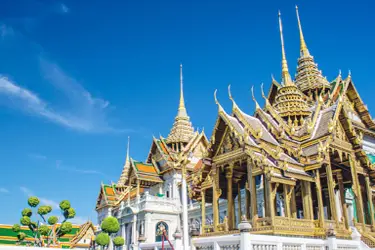
Luxurious Indochina
Hanoi , Halong Bay, Luang Prabang , Siem Reap, Saigon
An ultra-luxury Indochina experience spanning Vietnam, Laos, and Cambodia, distinguished by heritage hotels, a two-night Halong Bay cruise, refined dining, and private guiding throughout.

Vietnam, Laos, Thailand Spectacular
Hanoi, Halong Bay, Ninh Binh, Luang Prabang, Chiang Mai, Bangkok
A culturally focused arc through Northern Vietnam, Laos, and Thailand, connecting Hanoi, Luang Prabang, and Chiang Mai through river landscapes, temple heritage, and highland traditions.
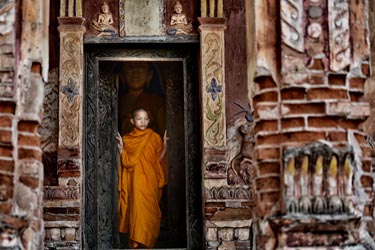
Spectacular Indochina
Saigon, Siem Reap, Hoi An, Hanoi, Halong Bay, Luang Prabang, Bangkok
A comprehensive four-country journey across Vietnam, Cambodia, Laos, and Thailand, linking Angkor, Luang Prabang, and Vietnam’s regional contrasts in one cohesive Indochina circuit.
Ready to embark on your adventure of a lifetime?
However you imagine Asia, our luxury travel specialists will bring it to life — flawlessly.