MALAYSIA TRAVEL GUIDES
Practical Tips and Insights for Traveling in Malaysia
Malaysia Travel Guides
Everything You Need to Know Before You Go
At Explorient, we believe every remarkable journey begins with insight. Our Malaysia Travel Guides equip you with the understanding needed to explore this diverse nation at its richest — from wandering Penang’s storied heritage streets to savoring Kuala Lumpur’s vibrant food scene, tranquil islands, and lush rainforest escapes. Inside, you’ll find essential travel tips, practical FAQs, cultural etiquette, and trusted local recommendations. Thoughtfully curated for discerning travelers, these guides ensure your Malaysia adventure unfolds with ease and confidence — turning preparation into the first step of discovery.
Malaysia's Destinations
Peninsular Malaysia
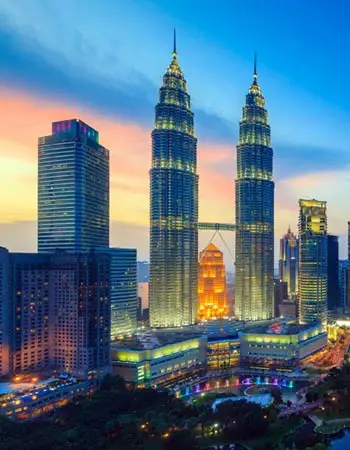

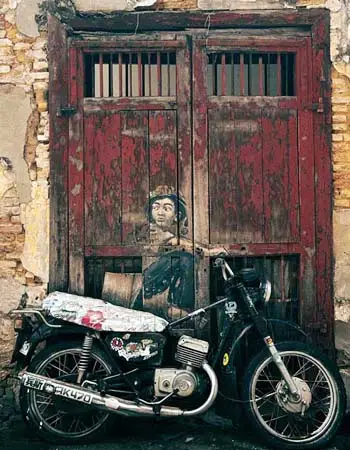
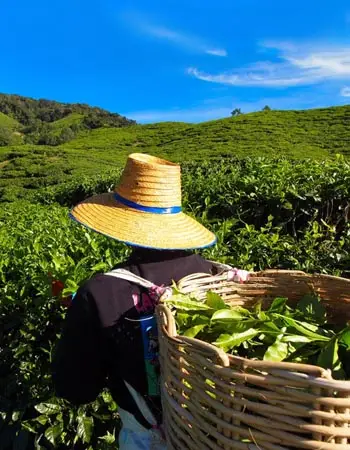
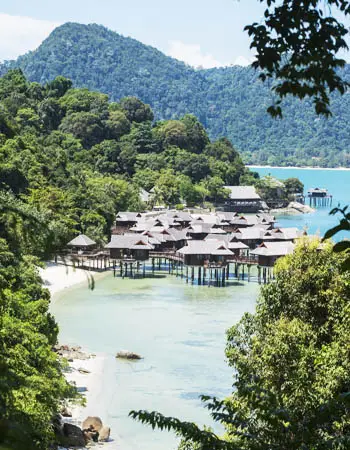
Sabah / Borneo

PRACTICAL TIPS
- Passport & Visa
- Holidays
- Airport Taxes
- Baggage
- Climate & Clothing
- Communications
- Currency
- Customs & Etiquette
- Customs Regulations
- Electricity
- Food & Water
- Health Matters
- Tipping
- Transportation
- What to Pack
Passports & Visas: Your Seamless Entry to Malaysia
Malaysia welcomes millions of visitors each year with a straightforward, traveler-friendly entry process. With a few essentials prepared in advance, clearing immigration is smooth, efficient, and stress-free — setting the stage for an unforgettable journey through this vibrant, multicultural nation.
Passport Validity
- Your passport must be valid for at least six months beyond your intended date of entry into Malaysia.
- Ensure you have at least one blank page for entry and exit stamps.
- Airlines may deny boarding if your passport is close to expiry — check early.
Visa-Free Entry & Short Stays
- Citizens of the United States, Canada, the UK, Australia, New Zealand, Japan, South Korea, and most EU nations may enter Malaysia visa-free for up to 30 or 90 days, depending on nationality.
- Travelers requiring a visa can apply for the official Malaysia eVisa or eNTRI (where applicable) through the Malaysian Immigration Department’s online portal.
- Short-term visit extensions may be granted at immigration offices within Malaysia, though approval varies.
Digital Arrival Requirements
- Some nationalities may be required to complete a Malaysia Digital Arrival Card prior to entry; requirements may vary by country and travel history.
- Submit forms online if applicable, and keep your confirmation accessible for immigration officers.
Onward Travel & Financial Proof
- You may be asked to provide proof of onward or return travel within your permitted stay.
- Immigration officers may also request evidence of sufficient funds for your trip, though this is uncommon for most short-term visitors.
Where to Verify the Latest Requirements
- Immigration Department of Malaysia: https://www.imi.gov.my
- Malaysian Embassy or Consulate nearest you
- Your government’s official travel advisory website
With the right documents in hand, entering Malaysia is refreshingly straightforward — a fitting introduction to a country known for its warmth, cultural richness, and effortless hospitality.
Holidays in Malaysia: A Tapestry of Culture, Faith & Celebration
Malaysia’s holidays reflect the nation’s rich multicultural heritage — where Malay, Chinese, Indian, and Indigenous traditions blend into a year-round calendar of vibrant celebrations. Visiting during these festive periods offers travelers an intimate glimpse into Malaysia’s living culture, expressed through community gatherings, colorful rituals, and unforgettable food.
Major Holidays to Know
- Chinese New Year (Jan–Feb): Lion dances, red lanterns, temple visits, and lively open houses fill cities like Kuala Lumpur and Penang.
- Hari Raya Aidilfitri (dates vary): Marking the end of Ramadan, families dress in traditional attire, prepare lavish feasts, and welcome guests into their homes.
- Deepavali (Oct–Nov): Little India districts glow with kolam designs, oil lamps, and festive sweets celebrating the triumph of light.
- Thaipusam (Jan–Feb): A major Hindu pilgrimage featuring colorful kavadi processions, most famously at Batu Caves.
- Wesak Day (May): Buddhist temples across the country hold prayers, candle offerings, and acts of compassion.
- Malaysia Day (Sept 16): A national celebration of unity featuring parades, cultural performances, and patriotic displays.
What to Expect as a Traveler
- Festive areas such as Penang’s Chinatown, KL’s Little India, and kampung districts can be especially lively and crowded.
- Open houses during major holidays welcome visitors — a wonderful opportunity to experience Malaysian hospitality.
- Some small businesses may close during religious observances, while malls, attractions, and major restaurants remain open.
Travel Tips
- Book early for major festivities like Chinese New Year and Hari Raya, when travel demand peaks.
- Dress respectfully when visiting temples, mosques, or attending religious events.
- Bring a camera — holiday markets, lantern displays, and cultural performances are incredibly photogenic.
Whether you’re joining an open house during Hari Raya, watching kavadi bearers climb Batu Caves at Thaipusam, or exploring lantern-lit streets during Chinese New Year, Malaysia’s holidays offer a vibrant, heartfelt window into the soul of the nation.
Airport Taxes in Malaysia: Simple, Clear & Built Into Your Fare
Malaysia keeps air travel straightforward with a transparent, traveler-friendly system for airport taxes. Once paid separately at departure counters, these fees are now fully integrated into your airfare — ensuring a smooth, hassle-free experience at airports like Kuala Lumpur International (KLIA), Penang, and Kota Kinabalu. No queues, no extra payments — everything is handled before you even arrive at the terminal.
What You Need to Know
- All airport taxes, including the Passenger Service Charge (PSC), are included in your ticket price when you purchase your fare.
- Rates vary based on destination (domestic, ASEAN, or international) and airport category, but are automatically itemized in your fare breakdown.
- No payment is required at Malaysian airports — all charges are prepaid and processed electronically.
Helpful Tips
- Check your e-ticket or booking receipt for the line items “PSC,” “Airport Tax,” or similar entries — these confirm the fees have been included.
- Since taxes are prepaid, departures from KLIA and other Malaysian airports remain quick and efficient.
- For updated PSC information, refer to the Malaysian Aviation Commission (MAVCOM) or Malaysia Airports official websites.
Malaysia’s integrated system ensures airport taxes never interrupt your travels — allowing you to enjoy the journey with clarity, ease, and complete peace of mind.
Baggage in Malaysia: Easy, Efficient & Traveler-Friendly
Whether you’re flying into Kuala Lumpur, Penang, or Kota Kinabalu, Malaysia’s airports offer a streamlined, modern experience. Knowing a few key baggage guidelines ensures your journey begins and ends with ease — especially if you’re connecting across Southeast Asia.
Checked and Cabin Baggage
- Most international airlines to Malaysia include 20–30 kg of checked baggage, depending on fare class and destination. Always verify your allowance before departure.
- Cabin baggage generally includes one carry-on (7 kg) plus a personal item such as a laptop bag or small backpack.
- Low-cost carriers like AirAsia, Scoot, and Firefly may sell base fares without checked baggage; pre-purchase add-ons online for the best rates.
- If connecting between full-service and budget airlines, confirm whether your baggage can be through-checked — many low-cost carriers require bags to be collected and re-checked.
Oversized & Special Items
- Sporting gear, strollers, and musical instruments are accepted by most airlines with prior notice; weight or size fees may apply.
- Malaysia is a major hub for divers, climbers, and golfers — airports are well-equipped to handle dive gear, hiking equipment, and golf bags.
- Efficient baggage handling at KLIA and other airports ensures timely delivery, even during peak travel periods.
Practical Tips
- Pre-book extra baggage online — it’s significantly cheaper than paying at the airport.
- Keep valuables, electronics, medication, and essential items in your carry-on.
- Follow standard liquid and gel restrictions: 100 ml per container in a clear 1-liter bag.
- Label your bags clearly and keep your baggage tags — Malaysia Airports’ Lost & Found service is reliable if items go missing.
With clear rules, modern handling systems, and well-connected airports, managing baggage in Malaysia is refreshingly simple. Pack smart, plan ahead, and enjoy a seamless travel experience from check-in to arrival.
Climate & Clothing in Malaysia: Comfortable Travel in a Tropical Nation
Malaysia’s climate is tropical year-round — warm, humid, and shaped by seasonal monsoon patterns. With temperatures typically ranging from 27–33°C (81–91°F), expect plenty of sunshine, lush greenery, and occasional refreshing showers. Whether you’re exploring Kuala Lumpur’s cityscape, Penang’s heritage streets, or Borneo’s rainforests, dressing smartly for the climate ensures a comfortable journey.
Seasons at a Glance
- Peninsula Malaysia: Warm and humid throughout the year with rainfall spread across seasons.
- West Coast (KL, Penang, Langkawi): Drier from December to March and wetter from April to October.
- East Coast (Perhentian, Redang, Tioman): Monsoon season from November to February; many resorts close during this period.
- Borneo (Sabah & Sarawak): Rainfall frequent year-round but heaviest from November to January.
- Evenings stay warm with gentle breezes, especially along coastal areas and islands.
What to Wear
- Choose light, breathable fabrics such as cotton, linen, or moisture-wicking materials.
- A compact umbrella or light rain jacket is useful for tropical showers.
- Bring a light layer (cardigan, shawl) for malls, restaurants, and airports with strong air-conditioning.
- Comfortable walking shoes or sandals are ideal for exploring cities, markets, and cultural streets.
- For island destinations, pack quick-drying beachwear, but use it only at beaches, resorts, or pools.
Cultural Considerations
- Malaysia is diverse and modest in many settings; conservative clothing is appreciated at mosques, temples, and rural areas.
- Cover shoulders and knees when visiting religious sites. A scarf or sarong is an easy solution.
- Smart-casual attire is common in cities — locals often dress neatly even in hot weather.
Helpful Tips
- Stay hydrated and apply sunscreen — the tropical sun can be intense.
- Most hotels offer laundry service, making light packing simple.
- Hats, sunglasses, and reusable water bottles help with comfort during outdoor sightseeing.
- Layer lightly when transitioning between outdoor humidity and cool indoor spaces.
With light fabrics, thoughtful layering, and a touch of cultural awareness, you’ll stay comfortable as you explore Malaysia’s cities, islands, and rainforests — all while enjoying the warmth that defines this tropical nation.
Communications in Malaysia: Reliable, Modern & Easy to Navigate
Staying connected in Malaysia is straightforward, affordable, and traveler-friendly. Whether you’re navigating Kuala Lumpur’s city streets, checking opening hours in Penang, or sharing island views from Langkawi, Malaysia offers strong mobile coverage, accessible SIM options, and widespread Wi-Fi to keep you online with ease.
Mobile & SIM Cards
- Prepaid SIM cards are available at major airports (KLIA, Penang, Kota Kinabalu) as well as convenience stores and mobile shops nationwide.
- Top providers include CelcomDigi, Maxis (Hotlink), and U Mobile, all offering extensive 4G and growing 5G coverage across urban areas.
- Plans are inexpensive, with data packages suitable for maps, ride-hailing, streaming, and messaging.
- Bring your passport for registration; staff can usually help set up your SIM on the spot.
Wi-Fi Access
- Free Wi-Fi is widely available in airports, malls, cafés, hotels, and many tourist attractions.
- Most accommodations offer strong, reliable in-room Wi-Fi.
- Travelers often combine mobile data with public Wi-Fi for seamless connectivity.
Messaging & Calls
- Common messaging apps include WhatsApp, Telegram, WeChat, and Facebook Messenger.
- Internet-based calls are typically clearer and more affordable than international calls via mobile networks.
- Locals rely heavily on messaging apps, making them the easiest way to communicate.
Tips for Peace of Mind
- Download offline maps and ride-hailing apps like Grab before arriving for smoother navigation.
- Portable Wi-Fi devices are available for rent at airports or online if you prefer to keep your home SIM active.
- Save your hotel address digitally and in writing for taxi or Grab drivers.
With dependable mobile networks and easy access to data, staying connected in Malaysia is simple and convenient — giving you the freedom to explore with confidence.
Currency in Malaysia: Easy, Accessible & Traveler-Friendly
Managing money in Malaysia is simple and convenient, with widespread ATMs, fair exchange rates, and growing digital payment options. Whether you’re enjoying street food in Penang, browsing boutiques in Kuala Lumpur, or relaxing on Langkawi’s beaches, handling currency here is refreshingly straightforward.
The Basics
- The official currency is the Malaysian ringgit (MYR), often written as RM.
- Banknotes come in RM1, RM5, RM10, RM20, RM50, and RM100 denominations; coins range from 5 sen to RM1.
- Cash remains widely used, especially at markets, small eateries, and rural areas.
- ATMs are abundant in airports, malls, and city centers, offering easy withdrawal in local currency.
Exchanging Money
- Money changers are common in airports, malls, and tourist areas — Kuala Lumpur and Penang often offer some of the best rates.
- Airport exchanges are convenient but may have slightly less favorable rates compared to city counters.
- Bring clean, undamaged foreign bills; worn or marked notes may be declined.
- Banks also provide currency exchange services, though fees and rates vary.
Cards & Digital Payments
- Credit and debit cards (Visa, Mastercard, AmEx) are widely accepted in hotels, restaurants, and larger stores.
- Digital payments such as Apple Pay, Samsung Pay, and Google Pay are increasingly common in urban areas.
- QR-based payment platforms like DuitNow are popular with locals, though foreign cards may not always integrate.
- Smaller vendors, night markets, and rural shops may accept cash only.
Tips for Peace of Mind
- Carry some cash for taxis, street food, island activities, and small purchases.
- Keep smaller denominations handy, as some vendors have limited change.
- Check your bank’s foreign transaction fees before using your card abroad.
- Save your exchange receipts if you plan to convert leftover ringgit before departing.
With a mix of cash-friendly ease and expanding digital convenience, managing money in Malaysia is stress-free — letting you focus on the flavors, sights, and experiences that define your journey.
Customs & Etiquette in Malaysia: Respectful Travel in a Diverse Cultural Landscape
Malaysia is a rich blend of Malay, Chinese, Indian, Indigenous, and expatriate communities. Courtesy, modesty, and respect for cultural differences shape daily interactions. Understanding local customs ensures warm, smooth encounters as you explore the country’s cities, islands, and rural heartlands.
Everyday Courtesy
- Greetings are polite and often gentle; handshakes may be softer than Western styles, and some Malaysians may prefer a nod or hand over heart gesture.
- Use formal titles (Mr., Mrs., Encik, Puan) until invited to use first names.
- Punctuality is appreciated, especially in business settings, though social gatherings may be more relaxed.
- Public behavior is expected to be calm and respectful; loud voices or displays of frustration are discouraged.
- Always queue respectfully and give personal space in public transport, malls, and markets.
At Temples, Mosques & Sacred Sites
- Dress modestly: cover shoulders and knees, and avoid revealing clothing.
- Remove shoes before entering mosques and some temples; follow posted signs for specific customs.
- Non-Muslims are welcome at many mosques but may be restricted from certain prayer areas.
- Avoid interrupting worship, ceremonies, or prayers; ask permission before photographing people or interiors.
- Do not touch religious objects unless clearly permitted.
Dining Etiquette
- Malaysian meals reflect diverse traditions; when dining in a Muslim home, avoid bringing alcohol or dishes containing pork.
- When eating Indian-style meals, the right hand is traditionally used for food; the left hand is considered unclean.
- Chinese dining customs often include shared dishes — use serving utensils rather than personal chopsticks.
- Finishing the food on your plate is generally seen as appreciative, though family-style meals encourage taking only what you can eat.
- Hawker centers and food courts expect diners to return trays and keep tables clean.
Helpful Tips
- Public displays of affection should be modest — Malaysia is generally conservative.
- When offering or receiving items (money, gifts, documents), using both hands is considered polite.
- Smoking is restricted in many public areas, including restaurants and indoor spaces — look for designated zones.
- Alcohol is available in most urban areas but less common in rural or predominantly Muslim regions.
- Be mindful when discussing politics or religion; these can be sensitive topics.
By observing Malaysia’s cultural norms and practicing simple courtesy, you’ll find locals warm, welcoming, and eager to share their traditions. Respect here is woven into everyday life, enriching your experience wherever you go.
Customs Regulations in Malaysia: Smooth, Straightforward & Traveler-Friendly
Malaysia’s customs regulations are clear and easy to follow, helping ensure a seamless arrival and departure. With sensible allowances and well-organized airport procedures, most travelers pass through customs quickly — especially when prepared with the basics.
Duty-Free Allowances
- Travelers aged 18 and above may bring in limited quantities of alcohol and tobacco:
- Alcohol: Up to 1 liter total of wine, spirits, or beer.
- Tobacco: Up to 200 cigarettes, 225g loose tobacco, or 50 cigars.
- Personal-use items such as clothing, electronics, and toiletries are allowed in reasonable quantities.
- Gifts and souvenirs valued under a set threshold (typically RM500 when arriving from outside Malaysia) are generally duty-free.
Prohibited & Restricted Items
- Drugs and controlled substances carry severe penalties, including long prison terms.
- Weapons, fireworks, and imitation firearms require prior approval.
- Obscene materials, pirated goods, and certain publications are prohibited.
- Plants, fresh produce, and animal products may require permits or may be restricted.
- High-value electronics or commercial goods must be declared to avoid complications.
Currency Regulations
- You may bring in or take out up to RM10,000 in Malaysian currency without declaration.
- Foreign currency equivalent to USD 10,000 or more must be declared upon arrival or departure.
Arrival Process
- Most travelers use the “Nothing to Declare” lane unless carrying restricted items or exceeding duty-free limits.
- Baggage screening is efficient, and random checks may occur to ensure compliance.
- Keep receipts for valuable items or duty-free purchases in case verification is needed.
Tips for a Smooth Experience
- Declare any items you’re unsure about — penalties for non-declaration can be significant.
- Pack restricted items (medications, specialty foods) in original packaging along with supporting documentation.
- Familiarize yourself with alcohol and tobacco limits if returning from nearby duty-free zones like Langkawi or Labuan.
- When carrying electronics for work (cameras, drones), check for any import or usage restrictions in advance.
With sensible rules and efficient airport procedures, clearing customs in Malaysia is generally quick and hassle-free. A little preparation goes a long way toward ensuring your arrival is as smooth as your stay.
Electricity in Malaysia: Simple, Standardized & Easy for Travelers
Malaysia uses a clear, traveler-friendly electrical system, making it easy to keep your devices charged throughout your trip. With widely available outlets, stable voltage, and convenient adapters, staying powered up in hotels, restaurants, and airports is hassle-free.
Power Standards
- Malaysia uses the Type G electrical plug — the same three-pin rectangular plug used in the UK.
- The standard voltage is 230V with a frequency of 50Hz.
- Most modern electronics (phones, laptops, tablets, cameras) support 110–240V and are compatible with Malaysia’s voltage.
- If your device only supports 110V, you will need a voltage converter in addition to an adapter.
Adapters & Converters
- Bring at least one Universal or Type G plug adapter; they are inexpensive and widely available at airports and convenience stores.
- Voltage converters are rarely needed, but double-check chargers for compatibility before plugging in.
- Hotels often provide adapters at the front desk, though availability may vary.
Where You’ll Find Outlets
- Type G outlets are standard across hotels, airports, cafés, malls, and most tourist areas.
- Some modern hotels may offer USB or multi-standard ports for added convenience.
- In rural or island destinations, outlets are generally reliable, though charging multiple devices may require a small power strip.
Tips for Peace of Mind
- Carry a universal adapter to stay prepared for any outlet configuration.
- Bring a portable power bank for long excursions or outdoor activities.
- Use surge protectors for sensitive equipment — occasional tropical storms can cause brief power fluctuations.
- Check your device’s voltage rating before use to avoid damage.
With standardized Type G outlets, reliable electricity, and easy access to adapters, powering your devices in Malaysia is effortless — letting you stay connected and explore confidently throughout your journey.
Food & Water in Malaysia: Safe, Flavorful & Traveler-Friendly
Malaysia is a culinary powerhouse — from vibrant hawker centers to refined hotel dining — offering some of the most delicious and diverse food in Southeast Asia. With sensible precautions and an understanding of local norms, enjoying Malaysian cuisine and staying hydrated is both safe and rewarding.
Food Safety
- Street food is a highlight of Malaysia; choose stalls that are busy and have high turnover for the freshest dishes.
- Most restaurants, cafés, and food courts maintain good hygiene standards, especially in cities like Kuala Lumpur and Penang.
- Opt for cooked, hot dishes when unsure — items prepared fresh and served steaming are generally the safest.
- Peel fruits yourself or choose pre-cut items from reputable vendors to avoid contamination.
- Seafood is widely available and usually safe; choose stalls with fresh displays and steady customer traffic.
Drinking Water
- Tap water is treated but not recommended for drinking; most travelers stick to bottled or boiled water.
- Bottled water is inexpensive and readily available at convenience stores, hotels, and restaurants.
- Ice in hotels and established restaurants is generally safe; when in doubt, ask if it’s made from filtered water.
- Hydration is important in Malaysia’s tropical heat — always carry a water bottle during sightseeing.
Dietary Considerations
- Malaysia’s multicultural cuisine includes halal Malay dishes, pork-free Indian Muslim fare, and Chinese specialties — easy to navigate with dietary needs.
- Vegetarian and vegan options are common, especially in Indian and Chinese eateries.
- Notify restaurant staff of severe allergies; while awareness is growing, cross-contamination can occur in busy kitchens.
- Spicy dishes are popular — ask for “less spicy” or “not spicy” if needed.
Tips for Peace of Mind
- Carry hand sanitizer or wipes for hawker stalls where sinks may not be available.
- When trying new street foods, start with mild dishes and gradually explore bolder flavors.
- If you have a sensitive stomach, avoid raw salads or uncooked seafood unless dining at reputable establishments.
- Reusable water bottles with built-in filters can be helpful for longer trips or rural areas.
With vibrant food culture, diverse flavors, and generally safe dining conditions, eating and drinking in Malaysia is one of the most rewarding parts of the journey — inviting you to savor the country’s warmth, heritage, and culinary soul.
Health Matters in Malaysia: Safe, Modern & Easy to Navigate
Malaysia offers modern medical facilities, accessible pharmacies, and generally safe travel conditions, making it a comfortable destination for most visitors. With a bit of preparation and awareness of the tropical environment, you can enjoy your journey with confidence and peace of mind.
General Health & Safety
- Malaysia has strong healthcare infrastructure in major cities such as Kuala Lumpur, Penang, and Kota Kinabalu.
- Private hospitals offer excellent care and English-speaking staff; they are preferred by many travelers.
- Travel insurance with medical coverage is recommended for peace of mind.
- Mosquito-borne illnesses (like dengue) exist but are manageable with precautions.
Vaccinations & Preventive Care
- Routine vaccinations (MMR, tetanus, influenza) should be up to date.
- Hepatitis A and Typhoid vaccines are commonly recommended for travelers who plan to enjoy street food or visit rural areas.
- Hepatitis B may be suggested for longer stays or certain activities.
- Malaria risk is low in cities and major tourist areas but may be present in remote jungle regions; consult your doctor if trekking in Borneo or deep rainforest areas.
Mosquito Precautions
- Use insect repellent, particularly during early mornings and evenings.
- Wear long sleeves and light layers when hiking or spending time outdoors.
- Choose accommodations with good screens or air-conditioning to reduce exposure.
Medication & Pharmacies
- Pharmacies (often called “farmasi”) are plentiful in cities and shopping centers.
- Over-the-counter medications for common ailments are readily available and inexpensive.
- Bring any prescription medication in original packaging along with your doctor’s note or prescription.
- If you rely on specialty medications, carry enough for your trip as availability may vary.
Food & Water Considerations
- Tap water is treated but not recommended for drinking; opt for bottled or boiled water.
- Street food is generally safe when chosen from popular, busy stalls with high turnover.
- Hotels and higher-end restaurants maintain strong hygiene standards.
Tips for Peace of Mind
- Stay hydrated — Malaysia’s tropical heat can quickly lead to dehydration.
- Pack sunscreen and a hat to protect against intense equatorial sun.
- Bring a small first-aid kit for minor cuts, bites, or stomach discomfort.
- If you feel unwell, private clinics and hospitals offer quick, efficient care.
With modern healthcare, easy access to medication, and straightforward precautions, staying healthy in Malaysia is simple. A little preparation ensures you can fully enjoy the country’s vibrant food, culture, and natural beauty with confidence.
Tipping in Malaysia: Simple, Appreciated & Never Complicated
Tipping is not a strong cultural expectation in Malaysia, but it is warmly appreciated — especially in the tourism and service sectors. Most locals tip modestly or not at all, so travelers are never obligated to tip. Still, offering a small gratuity for good service is a thoughtful gesture and goes a long way toward supporting those who help make your trip memorable.
General Guidelines
- Tipping is not mandatory in restaurants, taxis, or shops.
- A 10% service charge is often included in restaurant bills; if not, leaving a small tip for good service is welcome.
- Hotel bellhops and housekeeping staff appreciate small gratuities for their assistance.
Restaurants & Cafés
- Mid-range and upscale restaurants may add a 10% service charge; no extra tip is needed unless service was exceptional.
- At casual eateries, hawker stalls, and food courts, tipping is not expected.
- If you wish to leave something, RM2–RM5 is a kind gesture for attentive service.
Hotels
- Bellhops typically appreciate RM5–RM10 per bag depending on service level.
- Housekeeping may be tipped RM5–RM10 per night, left in an envelope.
- Concierge assistance (restaurant bookings, special arrangements) can be acknowledged with RM10–RM20.
Tour Guides & Drivers
- For private tours, guides typically appreciate RM30–RM60 per traveler per day, depending on the length and quality of service.
- Drivers (separate from the guide) generally receive RM15–RM30 per traveler per day.
- For full-day excursions or exceptional service, slightly higher amounts are graciously received.
- For shared or group tours, RM10–RM20 in total is customary for the guide, and RM5–RM10 for the driver.
Transportation
- Tipping taxi or Grab (ride-hailing) drivers is not expected, but rounding up the fare is common courtesy.
- Private transfer drivers do not expect tips but appreciate RM10–RM20 for good service.
Helpful Tips
- Carry small bills (RM1, RM5, RM10) for convenient tipping when desired.
- Tipping in rural areas is less common, but small gestures are appreciated.
- If service charges appear on your bill, additional tips are optional.
Tipping in Malaysia is flexible and low-pressure — a simple way to show appreciation rather than a requirement. When offered, it is always met with gratitude, helping support the warm, hardworking people who make your journey special.
Transportation in Malaysia: Convenient, Affordable & Easy to Navigate
Malaysia offers a well-connected transportation network that makes getting around straightforward — whether you’re exploring Kuala Lumpur’s urban energy, Penang’s historic streets, or the lush landscapes of Sabah and Sarawak. With modern transit options, reliable ride-hailing, and efficient domestic flights, traveling within the country is smooth and accessible for all types of travelers.
Getting Around Cities
- Kuala Lumpur’s public transit system (MRT, LRT, Monorail, and KTM Komuter) is clean, inexpensive, and covers most major areas.
- Penang offers buses, ride-hailing, and the popular CAT free shuttle in George Town.
- Ride-hailing apps like Grab are widely used and often the easiest way to travel door-to-door.
- Taxis are available but less common; ensure the meter is used or agree on a fare beforehand.
Domestic Flights
- Malaysia’s domestic flight network is extensive, connecting major cities and islands with carriers such as Malaysia Airlines, AirAsia, and Batik Air.
- Flights are generally inexpensive and efficient — ideal for covering longer distances like KL to Sabah or Sarawak.
- Peak seasons may affect availability, so booking early is recommended.
Buses & Long-Distance Travel
- Intercity buses are an affordable and popular way to travel between Penang, Kuala Lumpur, Melaka, Ipoh, and other cities.
- VIP and executive coaches offer comfortable seating and air conditioning for longer journeys.
- Buy tickets from reputable operators or through trusted online platforms.
Ferries & Island Transfers
- Ferries operate to islands such as Langkawi, Penang, Tioman, and the Perhentians during peak seasons.
- Weather conditions may affect schedules, especially on the East Coast during monsoon months.
- Private speedboat transfers are common for resort islands and can be arranged in advance.
Tips for Peace of Mind
- Use Grab for quick, reliable transportation — it’s widely used by locals and tourists alike.
- Download offline maps in case of limited connectivity during rural or island travel.
- Allow extra time for travel during holidays such as Hari Raya, Chinese New Year, and school breaks.
- When taking ferries or boats, confirm schedules in advance, especially during monsoon season.
With modern transit, reliable domestic flights, and easy ride-hailing options, getting around Malaysia is comfortable and intuitive — letting you explore bustling cities, cultural gems, and idyllic is
What to Pack for Malaysia: Practical, Lightweight & Tropical-Ready
Packing for Malaysia is all about staying comfortable in a warm, humid climate while being prepared for cultural visits, outdoor adventures, and the occasional tropical downpour. With smart essentials and versatile clothing, you’ll be ready for everything from city exploration to island relaxation.
Clothing Essentials
- Light, breathable fabrics such as cotton, linen, or moisture-wicking materials.
- A light cardigan or shawl for heavily air-conditioned malls, restaurants, and airports.
- Modest attire (long pants or skirts, covered shoulders) for visiting mosques and temples.
- Comfortable walking shoes for cities and cultural neighborhoods.
- Sandals or flip-flops for beaches and casual wear.
- Swimwear and a cover-up for pool or island activities.
Weather & Outdoor Gear
- A compact umbrella or lightweight rain jacket for sudden tropical showers.
- Hat, sunglasses, and sunscreen to protect against strong equatorial sun.
- Insect repellent, especially for outdoor excursions or jungle areas.
- Reusable water bottle to stay hydrated in humid weather.
- Dry bags or waterproof pouches for island trips or boating days.
Health & Personal Care
- Basic first-aid items: bandages, antiseptic wipes, motion-sickness tablets, pain relief.
- Prescription medications in original packaging, along with your doctor’s note.
- Hand sanitizer or wet wipes for street food or hawker centers.
- Anti-itch cream or mosquito bite relief for outdoor areas.
Electronics & Accessories
- Type G plug adapter or universal adapter.
- Portable power bank for long sightseeing days.
- Camera or smartphone with extra storage for photos.
- Offline maps and local apps (Grab, Google Maps) downloaded in advance.
Documents & Money
- Passport with at least six months’ validity.
- Copies (digital and physical) of travel documents and insurance.
- Credit/debit cards plus some Malaysian ringgit (RM) for small purchases.
- Exchange receipts if planning to reconvert leftover currency later.
Optional but Useful
- Light scarf or sarong for modest dress at religious sites.
- Small backpack or crossbody bag for daily outings.
- Quick-dry towel for island or adventure travel.
- Waterproof phone case for beach or boat days.
With lightweight clothing, weather-ready essentials, and thoughtful accessories, you’ll be perfectly equipped to enjoy Malaysia’s cities, rainforests, and beaches in comfort — no matter where your journey leads.
Travel Protection Plan
At Explorient, we believe your travel experience should be as carefree and enriching as possible. That’s why we’ve partnered with Allianz Travel Insurance — one of the most trusted names in travel protection — to help safeguard your trip from the unexpected.
WHAT OUR TRAVELERS FREQUENTLY ASK US
Malaysia is widely regarded as a safe and welcoming destination, with friendly locals and well-developed infrastructure. Major cities like Kuala Lumpur and Penang are easy to navigate, and tourist areas are well-patrolled. As with any international travel, staying aware of your surroundings and keeping valuables secure is sensible — but overall, travelers find Malaysia reassuringly comfortable and inviting.
Yes — communication is wonderfully easy. English is widely spoken across Malaysia, especially in cities, hotels, restaurants, attractions, and major transport hubs. Most signage is bilingual, and many Malaysians are multilingual, making interactions smooth and enjoyable no matter where your travels take you.
Absolutely — Malaysia is a fantastic destination for families, offering a beautiful balance of culture, nature, wildlife, and modern comfort. From kid-friendly cities and vibrant night markets to island beaches, jungle adventures, and unforgettable wildlife encounters, Malaysia delights travelers of all ages. Parents love the country’s safety, welcoming hospitality, and excellent family-oriented resorts, while kids are captivated by the sheer variety of experiences.
At Explorient, we design every family journey with thoughtful pacing, seamless logistics, and engaging activities tailored to your children’s interests. For an inspiring introduction to the country, we recommend our Malaysia Family Spectacular program — a fun, adventure-packed journey featuring Kuala Lumpur, Malacca, Turtle Island, Borneo’s jungles, orangutans, sun bears, river trips, and the beaches of Kota Kinabalu. It’s an itinerary crafted to spark curiosity, wonder, and connection.
For families seeking even deeper cultural immersion and wildlife exploration, our Malaysia & Borneo program blends the best of both worlds — Kuala Lumpur’s dynamic food scene, Kuching’s charm, Iban longhouse culture in Batang Ai, wildlife-rich river safaris in Sukau, and the coastal beauty of Kota Kinabalu.
Whichever you choose, Malaysia with Explorient becomes seamless, enriching, and filled with moments your family will remember for a lifetime.
Malaysia offers an exceptional blend of culture, cuisine, history, and natural beauty — making it a fantastic destination for first-time visitors. Several key cities and regions beautifully showcase the country’s diversity and charm:
- Kuala Lumpur
The perfect starting point. KL blends modern sophistication with rich cultural heritage — from gleaming skyscrapers and luxury malls to lively night markets, vibrant neighborhoods, and a world-class food scene. It’s Malaysia’s cosmopolitan heartbeat. - Malacca (Melaka)
A treasure trove of history shaped by Portuguese, Dutch, and British influences. Its colorful architecture, riverfront promenades, and charming old town offer a warm, leisurely glimpse into Malaysia’s multicultural past. - Cameron Highlands
A refreshing escape into tea plantations, rolling hills, and cool mountain air. Ideal for nature lovers, families, and anyone seeking scenic walking trails, strawberry farms, and a peaceful change of pace. - Penang
Malaysia’s culinary capital and a UNESCO World Heritage site. George Town’s street art, temples, colonial buildings, and incomparable food culture make this island a must for those who love vibrant urban energy mixed with heritage charm. - For travelers seeking a beautifully balanced introduction to the country, we recommend our Malaysia Highlights program — a seamless journey that captures Malaysia’s history, flavors, landscapes, and modern sophistication in one unforgettable experience.
With Explorient, your first journey to Malaysia becomes not just a trip, but a richly layered discovery crafted around what inspires you most.
Malaysia is multicultural and moderately conservative, especially in rural areas and religious sites. Cities and resort islands are relaxed, but modest dress is encouraged when visiting mosques, temples, and traditional villages. Public behavior tends to be polite and composed. Following local cues — using your right hand when giving items, avoiding overly revealing clothing, and showing respect in sacred spaces — ensures warm, positive interactions wherever you go.
Traveling around Malaysia is remarkably easy, comfortable, and intuitive — whether you’re exploring vibrant cities, historic towns, or the wild beauty of Borneo. Major destinations are connected by modern highways and efficient domestic flights, making travel smooth and time-saving. In cities like Kuala Lumpur, Penang, and Kota Kinabalu, getting around is effortless with clean, reliable taxis, Grab ride-hailing, and well-maintained public transport.
Beyond the cities, Malaysia’s infrastructure makes venturing into rainforests, highlands, and coastal regions surprisingly accessible. Even journeys into Borneo’s jungles or river lodges are well-supported with organized transfers, boats, and local guides who ensure every step feels seamless.
When you travel with Explorient, we make the experience even easier. All transportation — from private cars and flights to boats and resort transfers — is thoughtfully arranged and fully escorted, so you can simply relax and enjoy the scenery. Getting around in Malaysia isn’t just easy; it’s part of the adventure.
Credit cards are widely accepted in hotels, shopping malls, restaurants, and major attractions. However, carrying some Malaysian Ringgit (RM) is helpful for markets, small shops, taxis, and rural areas. ATMs are easy to find, and exchange services are reliable. Most travelers use a blend of cards, cash, and sometimes QR payments for convenience.
Only in certain places. Bargaining is common at open-air markets, souvenir stalls, and some small shops — always done with a smile and in friendly spirit. Prices in malls, supermarkets, cafés, and department stores are fixed. For unique finds in Penang, Kuala Lumpur, or local night markets, gentle bargaining can add a fun, cultural touch to your experience.
Alcohol is widely available in cities, hotels, bars, and restaurants. However, because Malaysia is a Muslim-majority country, availability can vary by region — especially in rural or traditional communities. In cosmopolitan areas like KL, Penang, and Langkawi, you’ll find everything from cocktail lounges to beachfront bars. Prices may be higher than neighboring countries due to taxes, but travelers rarely have trouble finding a drink where it is appropriate.
While travel insurance isn’t required to enter Malaysia, we strongly recommend it — especially for travelers looking for a seamless, worry-free journey. Malaysia offers everything from buzzing cities and cultural treasures to rainforests, islands, and wildlife experiences, and having comprehensive coverage ensures you’re protected no matter where your adventure leads.
A good travel insurance plan typically covers:
Trip cancellation or interruption
Emergency medical treatment and hospital care
Lost, delayed, or damaged baggage
Travel delays or missed connections
Adventure activities common in Malaysia and Borneo (if included in your policy)
Medical facilities in major cities like Kuala Lumpur and Penang are excellent, but private hospitals can be expensive without insurance. Coverage also brings peace of mind when taking domestic flights, entering national parks, or enjoying outdoor adventures — from boat trips to jungle treks.
For added convenience, Explorient offers a trusted Travel Protection Plan tailored to our Malaysia itineraries. We’re happy to help you select the right level of protection.
With the right insurance in place, you can explore Malaysia’s cities, rainforests, beaches, and wildlife with total confidence — knowing your journey is safeguarded from the unexpected.
Your comfort and peace of mind are our top priorities. If you need assistance at any point during your journey, you’ll have access to our dedicated local support team and 24/7 emergency assistance. Whether it’s a missed train, a sudden schedule change, or unforeseen world events —we’re just a call away and ALWAYS have your back!
For official travel guidance and helpful resources, contact:
Malaysia Tourism Promotion Board, Los Angeles, CA
Address: Located at 818 West Seventh Street, Suite 970, Los Angeles, CA 90017
Tel: +1.213.689.9702
Fax: +1.213.689.1530
Email: [email protected]
What our travelers said about us
SUGGESTED ITINERARIES
Unforgettable Malaysia
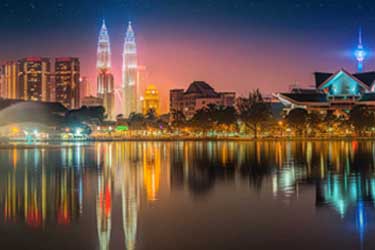
Kuala Lumpur, Sandakan, Sukau, Kota Kinabalu, Penang, Langkawi
A region-spanning Malaysia journey from Kuala Lumpur to Borneo and Langkawi—designed for cultural variety, wildlife access, and a relaxed island close.

Malaysia & Borneo Spectacular
Kuala Lumpur, Malacca, Sandakan, Selingan Turtle Island, Sukau, Kota Kinabalu
A wildlife-led Malaysia journey pairing peninsula heritage with Sabah’s iconic ecosystems—built for conservation context, rare encounters, and balanced pacing.
Malaysia Jungle Adventure
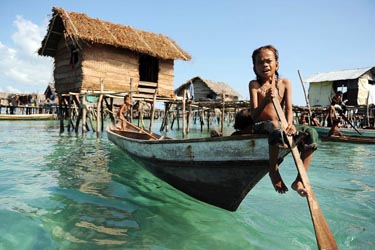
Kuala Lumpur, Sandakan, Sukau, Danum Valley, Gaya Island
A deep Borneo immersion centered on river corridors and Danum Valley—crafted for primary rainforest access, expert guiding, and exceptional lodge comfort.
Ready to embark on your adventure of a lifetime?
However you imagine Asia, our luxury travel specialists will bring it to life — flawlessly.