SINGAPORE TRAVEL GUIDES
Practical Tips and Insights for Traveling in Singapore
Singapore Travel Guides
Everything You Need to Know Before You Go
At Explorient, we believe every great journey begins with understanding. Our Singapore Travel Guides offer the insight and preparation to help you experience the Lion City at its finest — from navigating its efficient transport network to uncovering hidden hawker gems and cultural landmarks. Inside, you’ll find essential travel tips, practical FAQs, etiquette advice, and trusted local recommendations. Expertly curated and designed for discerning travelers, these guides ensure your time in Singapore unfolds seamlessly — transforming planning into the prologue of discovery.
Singapore's Destinations
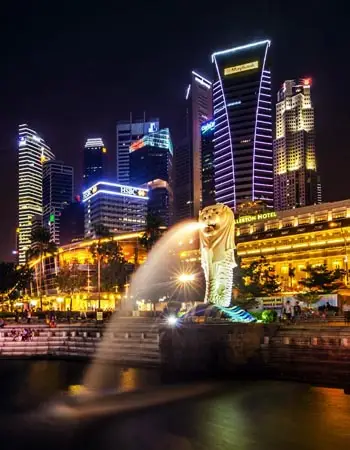
Singapore
PRACTICAL TIPS
- Passport & Visa
- Holidays
- Airport Taxes
- Baggage
- Climate & Clothing
- Communications
- Currency
- Customs & Etiquette
- Customs Regulations
- Electricity
- Food & Water
- Health Matters
- Tipping
- Transportation
- What to Pack
Passports & Visas: Your Seamless Entry to Singapore
Singapore’s reputation for efficiency extends well beyond its skyline — it begins the moment you arrive. With a little preparation, clearing immigration is fast, orderly, and stress-free, setting the tone for a smooth start to your journey through this gleaming island nation.
Passport Validity
- Your passport must be valid for at least six months beyond your intended date of departure from Singapore.
- Ensure at least one blank page is available for entry and exit stamps.
- Airlines may refuse boarding if your passport is nearing expiry, so check early to avoid surprises.
Visa-Free Entry & Short-Term Visits
- Citizens of over 160 countries — including the United States, Canada, the UK, Australia, New Zealand, Japan, and most EU nations — can enter Singapore visa-free for stays of up to 30 or 90 days, depending on nationality.
- Travelers from countries requiring a visa can apply online for an e-Visa through the official Immigration & Checkpoints Authority (ICA) website or via an authorized Singaporean contact.
- Extensions for short-term visitors are sometimes possible through ICA, though approval is not guaranteed.
Arrival Card & e-Service
- All travelers must complete the SG Arrival Card with health and travel details before arrival.
- This can be done online up to three days prior to entry through the ICA’s official portal or mobile app — it replaces traditional paper arrival cards.
- Keep your confirmation handy in digital or printed form for presentation at immigration.
Proof of Onward Travel & Funds
- You may be asked to show proof of onward or return travel confirming departure within your visa-free period.
- Immigration officers can also request evidence of sufficient funds to support your stay, though this is rarely enforced for most short-term visitors.
Where to Double-Check
- Singapore Immigration & Checkpoints Authority (ICA): www.ica.gov.sg
- Singapore Embassy or Consulate nearest you
- Your country’s official travel advisory website
With your documents prepared and SG Arrival Card submitted, entry into Singapore is as polished and efficient as the city itself — the perfect prelude to a journey defined by order, warmth, and modern ease.
Holidays in Singapore: Where Heritage and Modern Celebration Converge
In Singapore, holidays reflect the country’s multicultural harmony — where Malay, Chinese, Indian, and Western traditions come together in dazzling unity. Each celebration offers travelers a glimpse into the island’s shared rhythm of faith, festivity, and food. Visiting during these times means stepping into a city alive with light, color, and community.
Major Holidays to Know
- Chinese New Year (January–February): Streets bloom in red and gold as lion dances, lanterns, and family reunions fill the city. The Chinatown Festive Street Bazaar and River Hongbao fireworks are highlights.
- Hari Raya Aidilfitri (dates vary): Marking the end of Ramadan, homes open to guests, and Geylang Serai glows with traditional lights and food bazaars.
- Deepavali (October–November): Little India shines with intricate kolam art, twinkling arches, and the scent of jasmine and spices — a festival of light and renewal.
- Vesak Day (May): A serene Buddhist celebration honoring the birth, enlightenment, and passing of the Buddha, observed with temple offerings and candlelit prayers.
- National Day (August 9): A patriotic showcase of unity with parades, fireworks, and a stunning skyline light display over Marina Bay.
- Christmas (December): Orchard Road transforms into a wonderland of lights, carols, and festive cheer — a reflection of Singapore’s cosmopolitan charm.
What to Expect as a Traveler
- Public transport and attractions remain efficient, though popular areas like Chinatown and Little India can be especially lively.
- Many holidays are inclusive and community-based — visitors are welcome to join festivities and sample local delicacies.
- Some smaller shops may close on religious observances, while major malls and restaurants stay open year-round.
Travel Tips
- Book accommodations early around Chinese New Year and National Day, when demand peaks.
- Dress modestly when visiting temples or attending religious events.
- Bring a camera and an appetite — holiday markets are a feast for both the eyes and taste buds.
Whether you’re watching dragon dancers leap through Chinatown, savoring festive sweets in Little India, or gazing at fireworks over Marina Bay, holidays in Singapore are a celebration of unity in diversity — a living expression of the island’s spirit.
Airport Taxes in Singapore: Effortless and Transparent
Traveling through Singapore is as seamless as the city itself — and that includes airport taxes. Once a separate charge at departure counters, these fees are now fully integrated into your airfare, ensuring a smooth, stress-free experience from booking to boarding. With everything handled upfront, travelers can focus on enjoying Singapore Changi Airport’s world-class amenities rather than paperwork or payments.
What You Need to Know
- Airport taxes and passenger service charges are included in your ticket price at the time of purchase.
- Charges vary slightly by airline and destination but are automatically itemized in your fare breakdown.
- There are no separate payments required at Changi Airport — all processes are electronic and automatic.
Helpful Tips
- Review your e-ticket or booking confirmation for details — airport taxes often appear as “Passenger Service and Security Fee” or “Airport Tax.”
- Since taxes are prepaid, your departure from Changi remains swift and hassle-free.
- For reference or updates, check the Changi Airport or Civil Aviation Authority of Singapore (CAAS) websites.
In essence, Singapore’s streamlined system takes care of airport taxes long before your flight. It’s one more way the Lion City ensures your journey begins — and ends — with effortless precision.
Baggage in Singapore: Smooth Travels from Check-In to Arrival
Flying to or through Singapore is as effortless as the city itself — efficient, organized, and traveler-friendly. Whether you’re arriving at Changi Airport or connecting onward to Asia-Pacific destinations, understanding baggage rules ahead of time helps ensure a seamless start to your journey.
Checked and Cabin Baggage
- Most international airlines serving Singapore include 20–30 kg of checked baggage, depending on fare class and route. Always confirm your allowance before flying.
- Cabin baggage typically allows one carry-on (up to 7 kg) and one personal item such as a handbag, laptop, or small backpack.
- Low-cost carriers like Scoot or AirAsia may offer base fares without checked baggage, but you can pre-purchase add-ons online for lower rates.
- If you’re connecting between full-service and budget airlines, check whether bags can be through-checked — budget carriers often require separate collection and re-check.
Oversized and Special Items
- Sports equipment, strollers, and musical instruments are generally accepted with advance notice; extra fees or weight limits may apply.
- Singapore is a popular hub for divers and golfers — airlines are accustomed to handling specialized gear safely.
- All luggage is screened at Changi, and efficient baggage systems ensure rapid delivery upon arrival, even for large or connecting flights.
Practical Tips
- Pre-book additional baggage online — it’s cheaper and saves time at check-in.
- Keep essentials, valuables, and electronics in your carry-on; Singapore’s humidity can affect sensitive items in cargo holds.
- Verify liquid and gel restrictions for carry-ons (100 ml per container, in a single 1-liter bag).
- Label your luggage clearly and keep baggage receipts — Changi’s Lost & Found service is efficient if items go missing.
With clear regulations, modern handling systems, and some of the world’s most punctual airlines, baggage management in Singapore is remarkably straightforward. Plan ahead, pack smart, and let the city’s signature efficiency carry you smoothly from check-in to adventure.
Climate & Clothing in Singapore: Staying Cool in the Tropics
Singapore’s climate is equatorial — warm, humid, and consistent throughout the year. With daytime temperatures hovering around 31°C (88°F) and humidity often above 80%, light, breathable clothing is your best travel companion. Occasional tropical showers bring brief relief from the heat, and indoor air-conditioning offers a cool contrast.
Seasons at a Glance
- Singapore has no distinct seasons; it’s warm and humid year-round.
- Rain is frequent, especially between November and January, but showers are short-lived.
- June to September tends to be slightly drier, making it ideal for outdoor exploration.
- Evenings remain warm, with gentle breezes along the waterfront and gardens.
What to Wear
- Choose light, breathable fabrics such as cotton, linen, or moisture-wicking materials.
- A compact umbrella or rain jacket is useful for sudden downpours.
- Bring a light cardigan or shawl for shopping malls, restaurants, and public transport, where air-conditioning can be strong.
- Comfortable walking shoes or sandals are ideal for exploring neighborhoods like Chinatown, Kampong Glam, or Marina Bay.
Cultural Considerations
- Singapore is cosmopolitan but conservative in certain settings; modest dress is appreciated at temples, mosques, and cultural sites.
- Cover shoulders and knees when visiting religious landmarks; a scarf or shawl works perfectly.
- Beachwear is suitable only at Sentosa Island or hotel pools, not in public streets or dining areas.
- Dressing neatly is valued — locals often favor smart-casual attire even in relaxed settings.
Helpful Tips
- Stay hydrated and use sunscreen; the tropical sun is intense even on cloudy days.
- Many hotels and laundromats offer same-day laundry, making light packing easy.
- Hats and sunglasses help with midday heat, especially during sightseeing.
- Consider layering for comfort when transitioning between outdoor humidity and cool indoor spaces.
Singapore’s warmth is part of its charm — vibrant, lush, and ever-alive. With light fabrics, smart layering, and cultural mindfulness, you’ll stay comfortable as you move seamlessly from garden walks to rooftop views.
Communications in Singapore: Seamless Connectivity Wherever You Go
Singapore is one of the most connected cities in the world — fast, reliable, and remarkably convenient. Whether you’re navigating the MRT, checking restaurant reviews, or video calling home, staying connected here is effortless. From efficient mobile networks to free public Wi-Fi, you’ll never be far from a strong signal.
Mobile & SIM Cards
- Prepaid SIM cards are available at Changi Airport, convenience stores, and mobile retailers across the city.
- Leading providers include Singtel, StarHub, and M1, all offering excellent nationwide 4G and 5G coverage.
- Plans are affordable, with generous data packages suited for navigation, streaming, and social media.
- Bring your passport for registration, and staff will typically help set up your phone on the spot.
Wi-Fi Access
- Free Wi-Fi is available at Changi Airport, major shopping malls, MRT stations, and tourist attractions through the Wireless@SG network.
- Hotels, cafés, and coworking spaces provide reliable connections, often without login delays.
- Many travelers use a combination of local SIM data and public Wi-Fi for uninterrupted connectivity.
Messaging & Calls
- Popular apps like WhatsApp, Telegram, LINE, and Facebook Messenger are widely used.
- Internet-based calls are clearer and cheaper than international voice calls through SIM networks.
- Most locals rely entirely on messaging apps, so you’ll fit right in by doing the same.
Tips for Peace of Mind
- Download offline maps and ride-hailing apps like Grab before you arrive for easy navigation.
- Portable Wi-Fi devices are available for rent at the airport or online if you prefer to stay on your primary SIM.
- Keep your hotel address saved digitally and in writing for taxi or Grab drivers.
Singapore makes communication intuitive, fast, and fuss-free — perfectly in tune with its reputation for efficiency. Once connected, you’ll have everything you need to explore, plan, and share your experiences with ease.
Currency in Singapore: Simple, Modern, and Traveler-Friendly
Singapore’s currency system is as efficient and straightforward as the city itself. With modern banking, cashless convenience, and easy access to ATMs, handling money here is refreshingly hassle-free — whether you’re buying hawker food, shopping on Orchard Road, or sipping cocktails by the bay.
The Basics
- The official currency is the Singapore dollar (SGD), commonly written as S$ or simply $.
- Banknotes come in denominations of $2, $5, $10, $50, $100, and $1,000, while coins range from 5 cents to $1.
- Cash is widely accepted, though Singapore is steadily moving toward digital and contactless payments.
- ATMs are abundant in airports, malls, and MRT stations, dispensing local currency directly.
Exchanging Money
- Currency exchange booths are plentiful in Changi Airport, shopping centers, and tourist areas such as Orchard Road and Chinatown.
- Exchange rates are generally fair, though city exchange houses may offer slightly better deals than airport counters.
- Bring clean, undamaged foreign notes, as torn or marked bills may be declined.
- Banks also provide exchange services, though fees and rates may vary.
Cards and Digital Payments
- Credit and debit cards are widely accepted in hotels, restaurants, and shops. Visa and Mastercard are the most common, followed by American Express.
- Singapore is a leader in cashless payments, with Apple Pay, Google Pay, and contactless cards accepted almost everywhere.
- At hawker centers and smaller stalls, cash or NETS (local debit system) is preferred, though QR code payments are increasingly common.
Tips for Peace of Mind
- Carry a small amount of cash for taxis, markets, or smaller purchases.
- Keep smaller denominations handy, as some vendors may have limited change.
- Check for transaction fees on foreign cards — using ATMs from major banks like DBS or UOB can minimize extra charges.
- Always retain your exchange receipts if you plan to reconvert leftover currency before departure.
With a blend of cash-friendly charm and cutting-edge digital convenience, managing money in Singapore is seamless. Once your wallet — or phone — is ready, you’ll find every transaction as smooth as the city itself.
Customs & Etiquette in Singapore: Respectful Travel in a Multicultural Nation
Singapore is a harmonious blend of Chinese, Malay, Indian, and Western influences, where courtesy, cleanliness, and respect form the foundation of daily life. Observing local customs and social norms ensures smooth, pleasant interactions and reflects well on any visitor.
Everyday Courtesy
- Greetings are typically polite handshakes or simple verbal exchanges; excessive physical contact is uncommon.
- Address people formally using titles and surnames until invited to use first names.
- Punctuality is highly valued in both social and business settings — being late is considered disrespectful.
- Public behavior is expected to be calm and orderly; raising your voice or showing frustration is frowned upon.
- Always queue in lines and respect personal space, especially in public transport and busy areas.
At Temples and Sacred Sites
- Dress modestly when visiting religious sites — shoulders and knees should be covered.
- Remove shoes before entering temples or mosques; check signage for specific customs.
- Avoid interrupting prayers or ceremonies, and always ask permission before photographing worshippers or interiors.
- Handle religious offerings and statues with care; do not touch sacred objects unless clearly permitted.
Dining Etiquette
- Meals often reflect Singapore’s multicultural roots; observe the dining customs of your host (e.g., no pork or alcohol in Muslim homes).
- When dining Chinese-style, wait for the host to begin eating before you start.
- Sharing dishes is common; use serving spoons rather than personal utensils.
- Do not waste food — finishing what’s on your plate is seen as respectful.
- In hawker centers, return trays and dispose of trash properly; cleanliness is a shared responsibility.
Helpful Tips
- Chewing gum is restricted — it can only be brought for personal use and not sold locally.
- Smoking is prohibited in most public spaces, including restaurants and bus stops; check for designated smoking areas.
- Fines apply for littering, jaywalking, and eating on public transport, reflecting the country’s commitment to public order.
- Public displays of affection are acceptable but should be modest.
- Offering or receiving items, including money, is considered polite when done with both hands.
By showing respect for Singapore’s rules and multicultural etiquette, you’ll find your stay both effortless and warmly received. Courtesy here isn’t just tradition — it’s a way of life that keeps the city harmonious, efficient, and welcoming to all.
Customs Regulations in Singapore: Efficient, Transparent, and Traveler-Friendly
Singapore’s customs procedures are among the most efficient in the world, designed to balance convenience for travelers with strict adherence to local laws. Understanding what you can and cannot bring helps ensure a smooth arrival and departure experience.
What You Can Bring In
- Personal belongings for daily use such as clothing, toiletries, cameras, and laptops are allowed duty-free.
- Travelers aged 18 and above may bring in duty-free alcohol if arriving from outside Malaysia and have spent at least 48 hours abroad:
- Up to 1 liter of spirits, 1 liter of wine, and 1 liter of beer (or 2 liters of wine and 1 liter of beer).
- Tobacco products are not duty-free. Each stick, cigar, or gram of tobacco is subject to duty and Goods and Services Tax (GST).
- Foreign currency under S$20,000 (or equivalent) need not be declared; larger sums must be reported to customs upon entry or exit.
Restricted and Prohibited Items
- Drugs and narcotics are strictly prohibited, with severe penalties including the death penalty for trafficking.
- Weapons, firearms, explosives, and imitation arms require prior authorization from the Singapore Police Force.
- Chewing gum imports are restricted to limited personal use (therapeutic dental gum only).
- Cigarette lighters shaped like firearms, e-cigarettes, and vaporisers are banned.
- Endangered wildlife products (ivory, tortoiseshell, etc.) are prohibited under CITES regulations.
- Fresh fruits, vegetables, meat, and seafood may require inspection or import permits from the Singapore Food Agency (SFA).
Helpful Tips
- Use the Green Channel if you have nothing to declare and the Red Channel if carrying dutiable or restricted goods.
- GST refunds are available for tourists making eligible purchases under the Tourist Refund Scheme (TRS) — claimable at the airport before departure.
- Keep receipts and purchase records for valuables like electronics or jewelry in case customs officers request verification.
- Declare all tobacco and alcohol exceeding duty-free limits to avoid fines or confiscation.
- For the most current information, check Singapore Customs (www.customs.gov.sg) before traveling.
With clear rules and efficient procedures, Singapore’s customs process is quick and predictable. A few minutes of preparation ensures a seamless experience, letting you start — or end — your journey with the same ease and order that defines the Lion City itself.
Electricity in Singapore: Reliable, Modern, and Easy to Use
Singapore’s electrical system is modern, standardized, and traveler-friendly. With consistent voltage and universal availability of adapters, staying charged in the Lion City is effortless — whether you’re powering a laptop for business or a camera for city exploration.
Voltage and Frequency
- Singapore operates on 230 volts at 50 Hz, compatible with most modern dual-voltage devices.
- Always check the voltage rating printed on your charger or appliance to ensure safe use.
- Travelers from countries using 110–120 volts (like the United States or Japan) will need a voltage converter for non-dual-voltage devices.
Plug Types
- The standard plug type is Type G, featuring three rectangular pins in a triangular layout — the same as in the United Kingdom.
- Most hotels provide at least one universal socket, but it’s best to bring a universal travel adapter for convenience.
- Adapters and converters are widely available in electronics stores, airports, and convenience shops.
Practical Tips
- Power outlets are plentiful in hotels, airports, and public spaces, but a small power strip can be useful for multiple devices.
- Singapore’s electrical supply is very stable, so surge protectors are generally unnecessary but can be helpful for sensitive electronics.
- Power banks are allowed on flights if carried in hand luggage (generally up to 27,000mAh / 100Wh per unit).
- When charging multiple devices overnight, ensure adequate ventilation — humid conditions can make heat build-up more noticeable.
With its reliable power grid and standardized outlets, keeping your devices charged in Singapore couldn’t be simpler. A single adapter and a little preparation are all you need to stay effortlessly connected throughout your journey.
Food & Water in Singapore: Safe, Diverse, and Exceptionally Clean
Singapore’s food scene is one of Asia’s most celebrated — a melting pot of Malay, Chinese, Indian, and Peranakan flavors served everywhere from bustling hawker centers to Michelin-starred restaurants. With world-class hygiene standards and clean tap water, eating and drinking here is both delicious and worry-free.
Food Safety
- Singapore enforces strict hygiene regulations for all eateries, including hawker stalls, which display official cleanliness grades (A to D).
- Hawker centers are an essential experience — choose stalls with steady queues for fresh, high-turnover food.
- Fruits, salads, and raw vegetables are generally safe to eat anywhere due to the city’s high sanitation standards.
Seafood and meats are of excellent quality and are inspected under the Singapore Food Agency’s safety guidelines.
Drinking Water
- Tap water in Singapore is safe to drink and meets World Health Organization standards.
- Bottled and filtered water are widely available for convenience, but refilling a reusable bottle is perfectly fine.
- Ice is made from potable water and safe to use in drinks everywhere.
Beverages and Ice
- Coffee, tea, and fresh juices from licensed stalls or cafés are safe and popular among locals.
- Local favorites like kopi (strong coffee with condensed milk) and teh tarik (pulled tea) are must-tries.
- Alcoholic beverages are served in restaurants and bars, though prices are higher due to import duties.
Tips for Peace of Mind
- Look for “A” or “B” hygiene ratings at hawker stalls for added assurance.
- Carry tissues or wipes — some hawker centers don’t provide napkins.
- Avoid eating or drinking on public transport, as it’s prohibited by law.
- Try local specialties like laksa, Hainanese chicken rice, and chili crab — all safe and iconic to Singapore.
With impeccable food safety, clean tap water, and endless culinary variety, dining in Singapore is both effortless and unforgettable. Every meal offers a taste of the nation’s cultural harmony — served with the precision and pride that define the Lion City.
Health Matters in Singapore: Safe, Modern, and Hassle-Free
Singapore is one of the safest and healthiest destinations in the world, with world-class healthcare facilities, high sanitation standards, and clean air and water. With a few practical habits, you can travel confidently knowing that medical care and resources are always within easy reach.
Before You Travel
- Routine vaccinations (such as MMR, tetanus, and influenza) should be up to date before travel.
- No specific vaccines are required for entry, but hepatitis A and B may be recommended for long stays.
- Comprehensive travel insurance that covers medical care, hospitalization, and emergencies is strongly advised — healthcare quality is excellent but can be costly without coverage.
During Your Stay
- Tap water is safe to drink throughout Singapore. Bottled and filtered options are also widely available.
- The tropical climate is warm and humid year-round — stay hydrated, use sunscreen, and wear lightweight clothing.
- Mosquito-borne illnesses are rare but possible; dengue cases occur occasionally. Use repellent, especially in parks or forested areas.
- Air quality is generally excellent but can dip during regional haze periods (typically between August and October); sensitive travelers may wish to carry masks.
Healthcare Access
- Singapore’s hospitals and clinics are among the best in Asia, offering international standards of care and English-speaking staff.
- Private hospitals such as Raffles Hospital, Mount Elizabeth, and Gleneagles cater extensively to international travelers.
- Pharmacies (often labeled “Guardian” or “Watsons”) are located in malls and neighborhoods, supplying over-the-counter medicines and basic prescriptions.
- For emergencies, dial 995 for an ambulance or 999 for police assistance.
Tips for Peace of Mind
- Carry a small travel health kit with basic supplies and any personal medications in their original packaging.
- Keep a copy of your insurance policy and emergency contacts on your phone and in print.
- Singapore enforces strict regulations on controlled substances — always carry a doctor’s prescription for medications that may contain narcotics or psychotropics.
With excellent medical facilities, safe food and water, and a clean environment, Singapore is one of the easiest countries in Asia to stay healthy while traveling. With simple precautions and awareness, your journey will be as worry-free as it is enriching.
Tipping in Singapore: Appreciated, But Never Expected
In Singapore, tipping is not a customary practice, thanks to its transparent pricing and built-in service charges. While you’ll never be expected to tip, small gestures of appreciation are always received graciously, especially for exceptional service.
Restaurants and Cafés
- Most restaurants automatically include a 10% service charge, which replaces the need for tipping.
- At hawker centers, food courts, and casual eateries, tipping is not practiced — locals simply pay the exact amount shown.
- In cafés or bars without service charges, rounding up the bill or leaving small change is a kind, optional gesture.
Hotels
- High-end hotels already include service charges, so tipping isn’t necessary.
- Porters may appreciate SGD 1–2 per bag for personal assistance.
- Housekeeping staff rarely expect tips, but a small note left at checkout is a thoughtful token of thanks.
Taxis and Ride-Hailing
- Tipping is not expected for taxis or Grab rides.
- Drivers appreciate if you round up to the nearest dollar for convenience, especially for helpful or friendly service.
- Fares are usually paid electronically, so extra tips are uncommon.
Guides and Drivers
- Tour guides and private drivers do not rely on tips but will gladly accept them for exceptional service.
- For full-day private tours, 10 USD per traveler per day is a suitable gesture of appreciation.
Practical Notes
- Service charges in hotels and restaurants are subject to GST (Goods and Services Tax), automatically added to bills.
- Cash tips are best given discreetly in Singapore dollars.
- Locals generally express gratitude verbally rather than through tipping — a polite thank-you or smile goes a long way.
In essence, tipping in Singapore is purely voluntary — an act of appreciation, not obligation. With service quality already high across the board, your warm thanks often mean just as much as a few extra dollars.
Transportation in Singapore: Seamless, Safe, and Exceptionally Efficient
Getting around Singapore couldn’t be easier. Compact, modern, and meticulously organized, the city’s transport system connects every corner — from futuristic Marina Bay to cultural enclaves like Little India and Chinatown — with speed and reliability. Whether by train, bus, taxi, or on foot, travel here is smooth, affordable, and stress-free.
Public Transport
- The MRT (Mass Rapid Transit) is Singapore’s backbone — clean, punctual, air-conditioned, and covering nearly all key attractions and neighborhoods.
- Trains run daily from around 5:30 a.m. to midnight, with contactless card or mobile payment accepted directly at the gates.
- The bus network is extensive and efficient, reaching areas not covered by MRT lines. Routes are clearly displayed, and real-time updates are available on apps like SG Buses or Google Maps.
- Purchase an EZ-Link card or use a contactless Visa/Mastercard for seamless payment across MRT and buses.
Taxis and Ride-Hailing
- Taxis are safe, metered, and widely available; fares are regulated with surcharges during peak hours or at airports.
- Ride-hailing services like Grab, Gojek, and TADA offer easy app-based booking, often with competitive prices.
- Taxi stands are common in malls and major attractions; hailing on the street is also permitted.
Walking and Cycling
- Singapore is highly walkable, with shaded sidewalks, pedestrian crossings, and covered walkways in many districts.
- Cycling is increasingly popular — bike-sharing apps such as Anywheel make short rides convenient, especially in areas like Marina Bay or East Coast Park.
- Dedicated cycling paths and park connectors offer scenic routes through greenery and waterfronts.
Airport and Regional Connections
- Changi Airport, one of the world’s best, is just 20 minutes from the city by MRT or taxi.
- The Jewel complex at Changi is worth visiting even before or after flights.
- For regional travel, direct flights link Singapore to destinations across Southeast Asia, while buses and trains connect easily to Malaysia.
Practical Tips
- Avoid eating or drinking on public transport — it’s prohibited by law.
- Peak hours (7–9 a.m. and 5–7 p.m.) see crowded trains; plan outside these times for a more relaxed ride.
- Keep small change or use a stored-value card for buses, as not all routes accept cash.
- Singapore’s transport apps (MyTransport.SG, Grab, Citymapper) provide real-time navigation and fare details.
Effortless, safe, and immaculately run, transportation in Singapore is part of what makes the city so enjoyable to explore. Every journey — from the airport to the heart of the city — reflects the same precision, efficiency, and hospitality that define the Lion City itself.
What to Pack for Singapore: Smart, Light, and Weather-Ready
Packing for Singapore is all about comfort, versatility, and practicality. With its tropical climate, cosmopolitan setting, and blend of city life and nature, a well-curated suitcase ensures you’re ready for both sophistication and spontaneity.
Essentials
- Lightweight, breathable clothing for hot and humid weather year-round.
- A light jacket or wrap for strong indoor air-conditioning in malls and restaurants.
- Comfortable walking shoes or sandals — the city is compact and best explored on foot.
- A compact umbrella or light rain jacket, as showers can appear suddenly.
Style and Etiquette
- Singapore’s dress code is relaxed but polished — casual wear is fine, though neatness is valued.
- Smart-casual attire is appropriate for upscale restaurants, bars, and rooftop venues.
- Modest clothing is recommended for visiting temples and religious sites (covered shoulders and knees).
Practical Additions
- Sunscreen, sunglasses, and a hat for protection under the tropical sun.
- Reusable water bottle — tap water is safe to drink, and refill stations are common.
- A universal travel adapter (Singapore uses Type G plugs, 230V, 50Hz).
- Small pack of tissues or wet wipes, as public restrooms sometimes lack paper.
Handy Extras
- A lightweight daypack for sightseeing or shopping.
- Mosquito repellent if you plan to visit parks or nature reserves.
- Travel-size deodorant and cooling wipes — humidity can be intense.
- Extra space in your luggage for souvenirs, from designer finds on Orchard Road to crafts in Chinatown.
With Singapore’s modern amenities and compact size, you won’t need to pack much — just the essentials that keep you cool, comfortable, and ready to explore. Travel light, stay adaptable, and you’ll move through the Lion City with effortless ease.
Travel Protection Plan
At Explorient, we believe your travel experience should be as carefree and enriching as possible. That’s why we’ve partnered with Allianz Travel Insurance — one of the most trusted names in travel protection — to help safeguard your trip from the unexpected.
WHAT OUR TRAVELERS FREQUENTLY ASK US
The best time to visit Singapore is from February to April, when the weather is a little drier and perfect for sightseeing, rooftop dining, and outdoor walks. That said, Singapore’s warm, tropical climate makes it a great year-round destination — temperatures stay between 25°C and 32°C (77°F–90°F) no matter when you go.
If you visit between November and January, expect a few more rainy days due to the monsoon season, but showers usually come in short bursts and quickly give way to sunshine. From June to August, the city buzzes with shopping festivals and cultural celebrations, so it’s a lively (if slightly hotter) time to be here.
In short, you can enjoy Singapore any time of year — just pack light, bring an umbrella, and you’ll be ready for anything the island throws your way.
Singapore is packed with things to see and do — from futuristic attractions to pockets of old-world charm. Here are some highlights that shouldn’t be missed:
- Marina Bay Sands & Gardens by the Bay
- Sentosa Island
- Chinatown, Little India & Kampong Glam
- Singapore Botanic Gardens
- Clarke Quay & the Singapore River
- Hawker Centres
In short, Singapore blends nature, culture, and modern design seamlessly — whether you’re chasing skyline views, culinary adventures, or quiet garden strolls, there’s always something to discover just around the corner.
Check out our Singapore City Guides for more details.
Yes! Since all of our Singapore tours are private, any existing itinerary can be customized to your liking. In fact, the vast majority of our trips we sell have been modified to suit our travelers interests. Whether your preference is a food-focused journey, cultural deep dive, or a family-friendly trip, your trip can handcrafted based on your interests, pace, and schedules.
Absolutely! Singapore is one of the most family-friendly destinations in Asia, known for its cleanliness, safety, and abundance of activities for all ages.
Kids will love Sentosa Island, home to Universal Studios Singapore, Adventure Cove Waterpark, and the S.E.A. Aquarium — all perfect for a full day of fun. Families can explore Gardens by the Bay, where the Cloud Forest and Flower Dome feel like stepping into another world, or visit the Singapore Zoo, Night Safari, and River Wonders for unforgettable wildlife encounters.
For educational adventures, Science Centre Singapore and ArtScience Museum offer interactive exhibits that make learning exciting. Meanwhile, East Coast Park and the Botanic Gardens are great spots for picnics, bike rides, and open-air playtime.
With reliable public transport, stroller-friendly spaces, and a wide range of kid-approved dining options, Singapore makes traveling with children easy and enjoyable. It’s a destination where comfort, discovery, and family fun go hand in hand.
Singapore is more expensive than many of its Southeast Asian neighbors, largely due to its high standard of living and world-class urban environment. That said, it offers exceptional flexibility: travelers can enjoy luxurious hotels and fine dining, or savor Michelin-rated hawker meals and inexpensive, efficient public transit. Whether you lean toward indulgence or cultural simplicity, Singapore delivers remarkable quality across every budget.
Most visitors find 2–4 days ideal. Three days cover the essentials — Marina Bay Sands, Gardens by the Bay, the Botanic Gardens, and heritage districts — while adding extra days allows time for Sentosa, nature parks, museums, and deeper culinary exploration. Singapore rewards both fast-paced highlights and slower, immersive discovery.
Getting around Singapore on your own is remarkably easy — it’s one of the most visitor-friendly cities in the world.
The public transportation system is clean, safe, and incredibly efficient. The MRT (Mass Rapid Transit) network connects all major attractions, shopping areas, and neighborhoods, with clear English signage and announcements. Buses are equally convenient and air-conditioned, offering a great way to see the city above ground.
If you prefer door-to-door comfort, taxis and ride-hailing apps like Grab are widely available and reasonably priced. Many attractions are also within walking distance of each other, and Singapore’s compact size means you’ll never spend long getting from one place to another.
English is one of Singapore’s official languages, so asking for directions or reading signs is effortless. With just a map or navigation app, you’ll have no trouble exploring at your own pace — whether it’s a morning stroll through Chinatown or an evening by the Marina Bay skyline.
In short, navigating Singapore is smooth, safe, and stress-free — perfect for travelers who enjoy exploring independently.
Not necessarily — but it can be, depending on what you order.
Singapore’s food scene is a rich blend of Chinese, Malay, Indian, and Peranakan influences, so you’ll find everything from mild, aromatic dishes to fiery curries. Many popular local favorites, like Hainanese chicken rice, char kway teow (stir-fried noodles), and satay, are flavorful rather than spicy.
If you enjoy heat, dishes like laksa (spicy coconut noodle soup), chili crab, or sambal stingray deliver that satisfying kick Singapore is famous for. But don’t worry — most eateries, especially hawker centers and restaurants, are happy to adjust the spice level if you ask.
In short, Singaporean cuisine balances flavor, not just heat. Whether you love spice or prefer it mild, you’ll have plenty of delicious options to choose from.
Extremely. Singapore’s pedestrian pathways, waterfront promenades, shaded park connectors, and beautifully maintained city streets make walking a pleasure. The city’s MRT system fills any gaps, ensuring that even first-time visitors navigate with ease and confidence.
Singapore’s multicultural harmony is one of its great strengths. Courtesy, cleanliness, and respect are deeply valued. Dress modestly when visiting temples or mosques, speak softly in public spaces, dispose of trash properly, and follow posted rules in gardens and attractions. Embracing these simple norms enriches your experience and aligns with the city’s welcoming spirit.
While travel insurance isn’t mandatory for entering Singapore, we strongly recommend it — especially for travelers who want complete peace of mind while exploring one of Asia’s most dynamic and modern cities. Singapore is remarkably safe and efficient, but unexpected events like flight delays, last-minute cancellations, or medical needs can still occur.
A comprehensive travel insurance plan typically covers:
Trip cancellation or interruption
Emergency medical care and hospital services
Lost, delayed, or damaged baggage
Travel delays or missed connections
Coverage for activities, tours, and day trips
Singapore’s private healthcare system is world-class, but also among the most expensive in the region. Having insurance ensures you’re protected from unexpected costs while enjoying the freedom to focus entirely on your journey — whether that’s exploring hawker centers, wandering Gardens by the Bay, or taking day trips to the islands.
For added confidence, Explorient offers a trusted Travel Protection Plan designed to complement our Singapore and Southeast Asia itineraries. We’re happy to help you select the right level of coverage.
With the right insurance in place, your Singapore adventure becomes not just seamless, but truly stress-free — just the way travel should be.
Your comfort and peace of mind are our top priorities. If you need assistance at any point during your journey, you’ll have access to our dedicated local support team and 24/7 emergency assistance. Whether it’s a missed train, a sudden schedule change, or unforeseen world events —we’re just a call away and ALWAYS have your back!
For official travel guidance and helpful resources, contact:
Singapore Tourism Board (STB), New York
Address: Located at 589 Fifth Avenue, Suite 710, New York, NY 10017
Tel: (1-212) 302-4861
Fax: (1-212) 302-4801
Email: [email protected]
Singapore Tourism Board (STB), San Francisco
Address: Located at 999 Baker Way, Suite 120
San Mateo, California 94404
Tel: +1 (650) 596 3394
Email: [email protected]
What our travelers said about us
SUGGESTED ITINERARIES
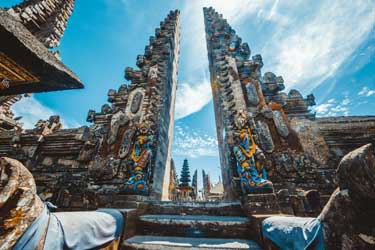
Signature Far East
Hong Kong, Bangkok, Bali, Singapore
A private journey through the Far East’s most dynamic cities and island escapes—where cultural icons, tropical elegance, and cosmopolitan energy unfold in perfect balance.

Indonesia Islands & Singapore
Bali, Gili Air, Lombok, Singapore
A refined private journey pairing Bali’s tranquil landscapes with Singapore’s cosmopolitan elegance — blending seclusion, culture, and a sophisticated city finale.
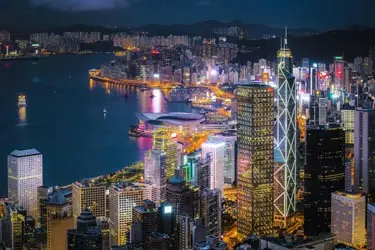
Orient Extravagance
Tokyo, Beijing, Hong Kong, Saigon, Bangkok, Singapore
A grand multi-country journey across Asia’s iconic capitals—where imperial heritage, vibrant street life, and cosmopolitan skylines reveal the region’s rich cultural contrasts.
Ready to embark on your adventure of a lifetime?
However you imagine Asia, our luxury travel specialists will bring it to life — flawlessly.