Chiang Rai Travel Guide

Discover your own version of

CHIANG RAI

Highlights

Chiang Rai: A Realm of Color, Spirit, and Story

Chiang Rai rests in the northern reaches of Thailand, where rolling hills, quiet farmland, and river valleys shape a landscape that feels spacious and deeply tied to its surroundings. The city itself is modest in scale, with temples, markets, and shaded streets reflecting a history influenced by the former Lanna Kingdom and its crossroads position near Myanmar and Laos. Mist often settles along the Kok River in the morning, softening the view of nearby mountains and reinforcing the area’s calm, rural atmosphere.

Daily life in Chiang Rai follows steady rhythms rooted in tradition and community. Local markets highlight produce gathered from nearby hills, artisans maintain regional craft styles, and villages beyond the city offer insight into the cultural heritage of northern Thailand’s diverse ethnic groups. Visitors encounter a destination that moves at an unhurried pace, where history, spirituality, and natural scenery come together in a way that encourages thoughtful exploration and quiet appreciation.

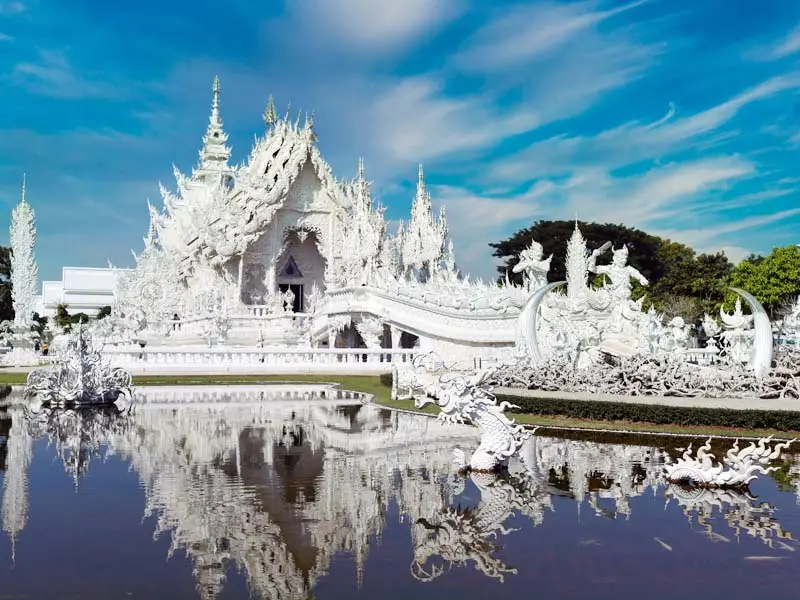
Ornate Wat Rong Khun with mirrored water reflection — upscale cultural sightseeing in Chiang Rai, Thailand
Detailed white Buddha statue framed by ornate blue carvings at Wat Rong Suea Ten

What to See in Chiang Rai

Wat Rong Khun – The White Temple
This dazzling contemporary temple gleams in pure white, inlaid with mirrored glass that sparkles in sunlight. Designed by artist Chalermchai Kositpipat, it blends Buddhist symbolism with surreal, modern artistry.

Wat Rong Suea Ten – The Blue Temple
Radiant sapphire walls and golden trim define this striking temple. Inside, a gleaming white Buddha radiates serenity against the richly decorated interior.

Baan Dam Museum – The Black House
A collection of dark, traditional-style teak buildings filled with eclectic art and artifacts. It reflects the vision of national artist Thawan Duchanee, contrasting sharply with the White Temple.

Golden Triangle – Where Borders Meet
The meeting point of Thailand, Laos, and Myanmar unfolds along the Mekong River. Historic and scenic, it was once a center of the opium trade, now marked by cultural landmarks.

Doi Tung Royal Villa & Mae Fah Luang Gardens – Legacy of Renewal
The former residence of the Princess Mother sits atop forested hills. Surrounding it, vibrant gardens bloom as symbols of transformation in an area once plagued by opium cultivation.

Singha Park – Fields & Scenic Trails
This vast agricultural park stretches with tea plantations, orchards, and flower gardens. It’s also home to cycling paths, a lake, and seasonal festivals.

Things to Do in Chiang Rai

Explore Hill Tribe Villages
Visit communities of Akha, Lahu, and Karen people, learning about traditional crafts and daily life. Encounters provide cultural depth when approached with respect and sensitivity.

Cruise the Mekong River
Take a boat ride near the Golden Triangle, gliding past riverbanks where three nations converge. The journey reveals both natural beauty and historical resonance.

Shop the Chiang Rai Night Bazaar
This lively market offers northern Thai food, handicrafts, and live performances. Its intimate scale makes it both vibrant and approachable.

Relax in Hot Springs
Soak in natural mineral waters at nearby hot springs, surrounded by lush countryside. Local stalls often sell eggs to boil in the steaming pools.

Hike in Khun Korn Forest Park
A trail through bamboo groves and jungle leads to Chiang Rai’s tallest waterfall. The 70-meter cascade thunders into a misty pool, rewarding the trek.

Taste Northern Thai Specialties
Sample dishes unique to the region, like khao soi (curried noodles) and sai ua (spiced sausage). Local markets and street vendors offer authentic flavors.

Hill tribe villagers in Northern Thailand holding freshly harvested coffee cherries — immersive cultural travel experience
Traditional elephant blessing ceremony in Northern Thailand with mahouts — luxury cultural travel experience

Why Visit Chiang Rai

Chiang Rai appeals to travelers seeking a gentler, more contemplative experience of northern Thailand. Its temples and cultural landmarks offer a distinct architectural style, from classic Lanna-era sites to contemporary works that reinterpret regional traditions. The smaller scale of the city makes navigation easy, allowing visitors to explore local neighborhoods, riverfront areas, and community markets without the rush found in larger destinations.

Beyond the urban center, Chiang Rai provides access to scenic countryside, forested hills, and cultural sites that highlight the region’s diversity. Visits to tea plantations, hill communities, and river viewpoints reveal a landscape shaped by both natural beauty and longstanding rural practices. With its blend of cultural insight, approachable size, and surrounding natural scenery, Chiang Rai offers a balanced experience for travelers looking to understand northern Thailand in a deeper and quieter way.

What's Unique About Chiang Rai

Chiang Rai is distinguished by the variety of artistic and architectural expressions found throughout the region. Iconic temples such as Wat Rong Khun, Wat Rong Suea Ten, and Wat Huay Pla Kang each present a different interpretation of spiritual symbolism, craftsmanship, and design. These structures, along with older Lanna temples, give the city an identity built on both tradition and creative reinterpretation—a rare combination within Thailand.

The region’s ethnic diversity also shapes its uniqueness. Communities representing Akha, Lahu, Karen, and other groups maintain cultural practices, festivals, and craft traditions that contribute to Chiang Rai’s rich regional character. Rural life remains closely tied to agriculture and the highland environment, offering visitors a clear sense of how local customs and landscapes influence one another. Together, these cultural and environmental elements create a destination with distinct depth and texture.

Wat Rong Khun golden structure with dramatic sky and lake reflection
Golden Triangle region with sweeping river and mountain scenery — premium Thailand nature travel shot

Best time to visit: November–February for crisp air and mountain temples, though the rainy season rewards travelers with emerald landscapes and quieter villages.

Weather and Seasons in Chiang Rai

Cool Season (November–February)
The most comfortable time to visit Chiang Rai, with crisp mornings, sunny days, and refreshing air. Perfect for exploring the White Temple, river cruises, and the rolling tea fields, all under clear skies. This is peak season, so expect lively crowds at the main sights.

Hot Season (March–May)
Temperatures rise, but the countryside glows with color. The season is marked by cultural festivals, including Songkran in April, when the city comes alive with water celebrations. A great time for slower sightseeing and evenings in the cool mountain breeze.

Rainy Season (June–October)
Chiang Rai’s landscapes flourish under the rains — fields turn emerald, waterfalls swell, and mist drifts through the valleys. Afternoon showers are common but short, and mornings often bring clear skies. With fewer tourists and softer light, it’s a beautiful and tranquil time to explore.

Chiang Rai offers a calm, culturally rich alternative to more bustling northern destinations. Its temples, highland viewpoints, and artistic landmarks create a travel experience rooted in authenticity and quiet beauty. Days unfold naturally — from tea-field walks to riverside viewpoints — allowing visitors to explore at a comfortable, unhurried pace.

For travelers looking for a destination that blends artistic expression, highland scenery, and a deeply rooted cultural identity, Chiang Rai provides a rewarding and balanced journey. When you’re ready to explore its creative landmarks, rural communities, and scenic landscapes, we’ll help craft an itinerary tailored to your interests and preferred style.

Women in traditional hill tribe attire gathering tea leaves in Chiang Rai highlands

ACCOMODATIONS IN CHIANG RAI

Chiang Rai Travel Guide image

Anantara Golden Triangle

Perched on a mist-laced ridge where Thailand meets Laos and Myanmar, Anantara Golden Triangle offers a front-row seat to one of the world’s most storied landscapes...
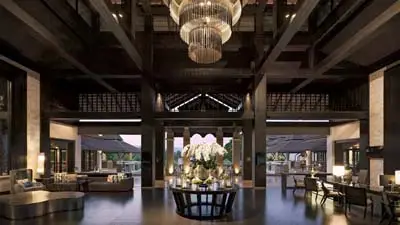
Lobby of Le Méridien Chiang Rai Resort, featuring contemporary Thai design, soaring ceilings, elegant chandeliers, and an open, airy layout overlooking lush surroundings.

Le Meridien Chiang Rai

Rising beside the gentle flow of the Kok River, Le Méridien Chiang Rai stands as a sanctuary of reflection in Thailand’s northernmost province...
SUGGESTED ITINERARIES

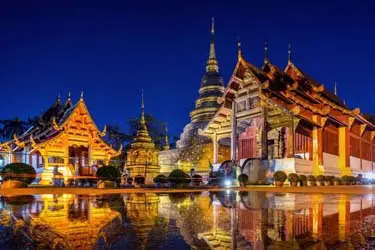
Wat Phra Singh temple complex in Chiang Mai, Thailand at night, showcasing golden stupas, ornate Lanna-style buildings, and reflections shimmering on a tranquil water surface.

Signature Thailand

Bangkok, Chiang Rai, Chiang Mai, Phuket

A flagship private Thailand tour blending vibrant city life, mountain culture, and an island finale—ideal for first-time visitors seeking iconic highlights with depth and balance.
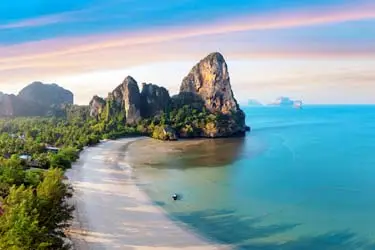
Krabi, Thailand, a perfect honeymoon escape

Spectacular Thailand

Bangkok, Mae Hong Son, Pai, Chiang Mai, Krabi

A scenic, region-spanning journey built for travelers who want deeper landscapes and contrast—remote northern beauty paired with a relaxed Andaman coast finale.
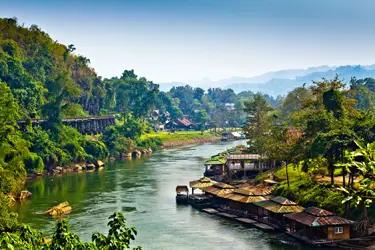
Floating lodges along the River Kwai in Kanchanaburi, Thailand, with wooden bungalows set against lush jungle hills and calm river scenery.

Thailand Family Adventure

Bangkok, Kanchanaburi, River Kwai, Chiang Mai, Krabi

An active, family-friendly journey designed with flexibility and shared discovery in mind—balancing culture, nature, and hands-on experiences for all ages.


Ready to embark on your adventure of a lifetime?

However you imagine Asia, our luxury travel specialists will bring it to life — flawlessly.

The Explorient Difference

Scroll to Top

Please fill out the form below so we can assist you as efficiently as possible. We aim to respond within 1-2 business days.

Name
What's your preferred contact method?
Press Ctrl Key and mouse click to multi-select.