Punakha Travel Guide

Discover your own version of

Punakha

Highlights

Punakha — Bhutan’s River Valley of History, Harmony & Renewal

Punakha rests at the confluence of the Pho Chhu and Mo Chhu rivers, set within a broad, fertile valley framed by forested hills and terraced farmland. Once Bhutan’s former capital, the town unfolds at a measured pace, shaped by seasonal rhythms, agricultural life, and the steady flow of the rivers that define its geography. The landscape here feels open and luminous—rice fields spread across the valley floor, villages cluster along riverbanks, and mountain ridgelines form a gentle boundary that gives Punakha a sense of space and calm distinct from Bhutan’s higher-altitude towns.

At the heart of the valley stands Punakha Dzong, an architectural and spiritual anchor where monastic life, ceremonial functions, and national history intersect. The dzong’s whitewashed walls and intricately carved timber galleries reflect Bhutan’s classical design language, while its riverside setting reinforces the intimate connection between built form and natural environment. Surrounding temples, suspension bridges, and rural settlements reveal a way of life closely tied to land, water, and tradition. In Punakha, Bhutan’s cultural foundations feel especially legible—expressed through architecture, agriculture, and enduring ritual—creating a setting that is both historically significant and quietly immersive.

Scenic view of a winding river through lush green hills and forested valleys near Wangdue Phodrang, Bhutan
Majestic Punakha Dzong perched on a hilltop surrounded by forested mountains and a river in Bhutan

What to See in Punakha

Punakha Dzong (Palace of Great Happiness) — Explore Bhutan’s most iconic fortress-monastery, dramatically positioned at the confluence of the Mo Chhu and Pho Chhu rivers.

Chimi Lhakhang Fertility Temple — Visit a revered hilltop shrine associated with Lama Drukpa Kunley, reached via footpaths through rice fields and villages.

Suspension Bridge Over the Mo Chhu — Observe daily crossings along one of Bhutan’s longest traditional suspension bridges, strung with prayer flags above the river.

Pho Chhu & Mo Chhu Riverbanks — See how rivers shape Punakha’s agricultural life, settlement patterns, and ceremonial landscape.

Punakha Valley Rice Terraces — View expansive terraced fields that define the valley floor and reflect seasonal agricultural rhythms.

Historic Royal Residences — Note former winter homes of Bhutan’s monarchy that reflect Punakha’s historical role as the old capital.

Things to Do in Punakha

Walk Across the Punakha Suspension Bridge — Cross the swaying span on foot, absorbing river views and the quiet movement of monks and villagers.

Take a Guided Dzong Visit — Learn how Punakha Dzong functions as both an administrative center and a sacred monastic complex.

Village Walks Through the Valley — Stroll between farmhouses and fields, observing traditional architecture and everyday rural routines.

Attend a Local Temple Ritual — Experience Buddhist ceremonies in smaller neighborhood temples, offering intimate insight into living religious practice.

Riverfront Picnics or Short Hikes — Enjoy gentle outdoor moments along riverbanks or hillside trails framed by cultivated landscapes.

Explore Seasonal Festivals (Tshechus) — When timing allows, witness masked dances and communal gatherings tied to Bhutanese religious calendars.

Prayer-flag-lined suspension bridge swaying gently above the Mo Chhu, linking villages, temples, and daily life.
Terraced rice fields in Punakha valley, Bhutan, framed by forested hills and a winding river under soft mountain light

Why Visit Punakha

Punakha appeals to travelers seeking a quieter, more spatially legible expression of Bhutanese life. The valley’s scale encourages unhurried exploration—walking along riverbanks, crossing suspension bridges, and observing rural routines that continue much as they have for generations. Cultural encounters here feel grounded and unforced, shaped by proximity to farmland, monasteries, and villages rather than by curated performance.

For those already familiar with Bhutan’s monastic centers, Punakha offers context and contrast. It reveals how spiritual authority once operated alongside seasonal migration, agriculture, and regional governance, all within a landscape that remains largely unchanged. The pace is reflective, the setting pastoral, and the experience immersive without being overwhelming. Punakha is best suited to travelers who value balance—between nature and architecture, history and daily life, stillness and meaning—experienced in a place where continuity is not preserved, but simply lived.

What's Unique About Punakha

Punakha’s defining distinction lies in its relationship to water and landscape. Set at the confluence of the Mo Chhu and Pho Chhu rivers, the valley is shaped by fertile floodplains, terraced fields, and ceremonial architecture positioned in deliberate dialogue with nature. Punakha Dzong anchors this meeting of rivers, serving as both a spiritual and administrative center whose placement reflects Bhutan’s historical integration of governance, belief, and geography. The result is a cultural landscape where settlement patterns, agriculture, and ritual life unfold in close connection to the valley floor.

Equally distinctive is Punakha’s historical role as Bhutan’s former capital and winter seat of government. This legacy endures in royal residences, monastic institutions, and village networks that continue to function within traditional rhythms. Unlike Bhutan’s larger urban centers, Punakha retains a distinctly agrarian character, where monastic calendars align with farming cycles and community life remains visibly rooted in the land. This combination of political heritage, living spiritual practice, and cultivated landscape gives Punakha a sense of continuity that feels both intimate and foundational to Bhutan’s identity.

Close-up of Punakha Dzong in Bhutan, showcasing ornate Bhutanese architecture with whitewashed walls, red timber balconies, and tiered golden roofs beneath a clear Himalayan sky
Traditional Bhutanese dzong overlooking a river valley near Thimphu, with forested hills and Himalayan mountains in the background

Best time to visit: Autumn (October–November) and spring (March–May) offer the most balanced combination of comfortable weather, clear conditions, and ideal opportunities for cultural and scenic exploration in Punakha.

Weather and Seasons in Punaka

Spring (March–May)
Mild temperatures, longer daylight, and fresh greenery make spring ideal in the Punakha Valley. As a lower-altitude region, Punakha warms earlier than Thimphu—excellent for dzong visits, riverside walks, and exploring surrounding farmland. Jacaranda blooms often add a soft wash of color.

Summer / Monsoon (June–September)
Warmer weather and regular rainfall turn Punakha intensely green. Rivers run full, rice paddies brighten, and the valley feels distinctly agricultural. Showers are common but sightseeing remains feasible, with fewer visitors creating a quieter experience—plan outdoor time for mornings when possible.

Autumn (October–November)
Cool, dry conditions and clear skies define Punakha’s most popular season. Post-monsoon air sharpens visibility, and temperatures are comfortable for cultural touring, scenic walks, and unhurried time at Punakha Dzong. Festivals may also take place across the region.

Winter (December–February)
Dry days, cool evenings, and generally clear skies make winter pleasant and more temperate than Bhutan’s higher valleys. Snow is uncommon in Punakha, while nearby hills may be lightly dusted. Daytime conditions suit relaxed sightseeing and photography.


Punakha leaves a quiet but lasting impression. Its appeal lies not in spectacle, but in balance—between rivers and fields, ceremony and daily life, history and continuity. Time here moves with intention, shaped by the valley’s natural openness and the steady presence of monastic tradition. Whether walking across a suspension bridge, observing rituals at the dzong, or moving through farmland framed by forested hills, the experience feels cohesive and unhurried, allowing the character of the place to reveal itself gradually.

For travelers drawn to landscapes that feel lived-in rather than staged, Punakha offers a rare sense of clarity. It is a destination best experienced at a measured pace, where context matters and subtlety rewards attention. We invite you to explore Punakha as part of a thoughtfully designed Bhutan journey—one that prioritizes depth, comfort, and meaningful connection. Our specialists would be pleased to help shape an itinerary that allows you to experience the valley with insight and ease, in harmony with its enduring rhythms.

Bhutanese monastery complex perched on a forested mountainside above a deep Himalayan valley, surrounded by layered ridgelines and pine-covered slopes

ACCOMODATIONS IN PUNAKHA

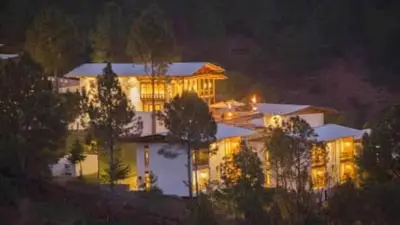
Dhensa Boutique Resort, Punakha Bhutan tour packages

Dhensa Resort

Set above the confluence of the Mo Chhu and Pho Chhu rivers, Dhensa Resort Punakha occupies a quiet hillside overlooking Punakha Valley’s patchwork...
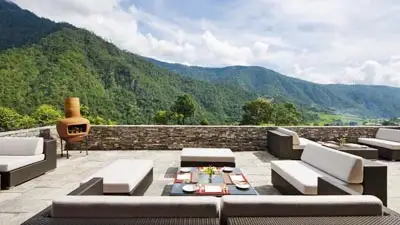
Luxury accommodtion in Punakha, Bhutan - COMO Uma Hotel

COMO Uma Punakha

The lodge-style architecture draws from traditional Bhutanese forms, with whitewashed walls, dark timber beams, and hand-painted details
SUGGESTED ITINERARIES

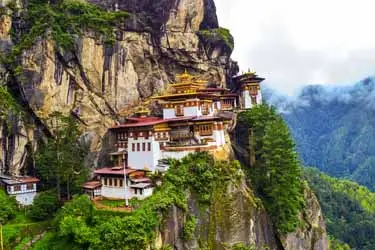
Tiger’s Nest Monastery (Paro Taktsang) in Bhutan, dramatically perched on a cliffside above forested mountains.

Priceless Bhutan

Thimpu, Punakha, Paro

A focused journey through Bhutan’s western valleys, exploring monasteries, fortress architecture, and living traditions shaped by Himalayan culture.
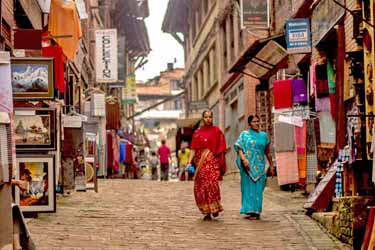
Colorful market street in Kathmandu, Nepal, with women in traditional attire walking along a cobblestone lane lined with shops and hanging textiles.

Signature India & Nepal

Delhi, Udaipur, Jodhpur, Jaipur, Agra, Kathmandu

A cross-border journey linking India’s royal cities and Mughal heritage with Kathmandu’s temple-filled valley and Himalayan cultural landscape.
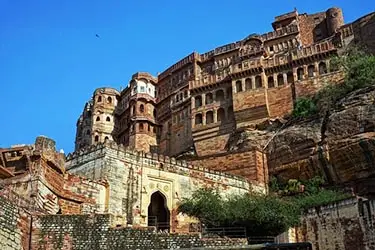
Mehrangarh Fort in Jodhpur, India, rising dramatically above the city on a rocky hill, with massive stone walls, intricate facades, and a grand प्रवेश gate.

Mystical Gems of India

Mumbai, Aurangabad, Udaipur, Jaipur, Agra, Delhi

An architecture-focused journey through India’s most extraordinary sites, from Ajanta and Ellora’s rock-cut caves to Rajasthan’s palace cities and Mughal


Ready to embark on your adventure of a lifetime?

However you imagine Asia, our luxury travel specialists will bring it to life — flawlessly.

The Explorient Difference

Scroll to Top

Please fill out the form below so we can assist you as efficiently as possible. We aim to respond within 1-2 business days.

Name
What's your preferred contact method?
Press Ctrl Key and mouse click to multi-select.