Bhutan Travel Guides
Practical Tips and Insights for Traveling in Bhutan
Bhutan Travel Guides
Everything You Need to Know Before You Go
At Explorient, we believe every remarkable journey begins with understanding — especially when visiting a destination as singular and deeply rooted in tradition as Bhutan. Our Bhutan Travel Essentials are designed to help you navigate the practical aspects of your trip with clarity and confidence, from preparing required permits and understanding the Sustainable Development Fee to managing communications and knowing what to expect upon arrival. You’ll also find thoughtful guidance shaped by firsthand experience, along with clear answers to commonly asked questions that make the logistics feel simple and grounded. Carefully crafted, these resources turn preparation into a seamless first step toward experiencing Bhutan’s monasteries, mountains, and cultural rhythms with comfort and readiness.
PRACTICAL TIPS
- Passport & Visa
- Holidays
- Airport Taxes
- Baggage
- Climate & Clothing
- Communications
- Currency
- Customs & Etiquette
- Customs Regulations
- Electricity
- Food & Water
- Health Matters
- Tipping
- Transportation
- What to Pack
Passports & Visas: Your Smooth Entry to Bhutan
Bhutan’s mountain landscapes, monasteries perched above valleys, and deeply rooted cultural traditions make it one of the world’s most distinctive destinations. Preparing your passport, visa, and required travel documents in advance ensures a seamless arrival—allowing you to focus on the country’s scenery, spiritual heritage, and warm hospitality from the moment your journey begins.
Passport Validity
- Your passport must be valid for at least six months beyond your date of entry into Bhutan.
- Ensure you have at least one to two blank pages for visa endorsements and entry stamps.
- Airlines and immigration officials may deny boarding if your passport does not meet entry requirements, so review it before traveling.
Visa Requirements for Tourists
- All international tourists—except citizens of India, Bangladesh, and the Maldives—require a Bhutanese visa in advance.
- Visas are arranged through licensed Bhutanese tour operators or their travel partners abroad, including Explorient.
- Your visa is issued only after your trip is confirmed and the applicable Sustainable Development Fee (SDF) has been processed.
- An approval letter will be provided before departure; the actual visa is stamped upon arrival in Bhutan.
Entry for Indian, Bangladeshi & Maldivian Citizens
- Citizens of these countries do not require a visa for entry.
- A valid passport or government-issued ID is required, along with payment of the reduced SDF applicable to regional tourists.
Sustainable Development Fee (SDF)
- The SDF is a mandatory per-night fee that supports Bhutan’s environmental conservation and community development initiatives.
- It must be paid in advance as part of your travel arrangement and is linked to your visa approval.
- Rates may vary over time, so it’s best to confirm the current amount before booking.
Proof of Travel Arrangements
- Travelers must have a confirmed itinerary booked through a licensed Bhutanese tour operator.
- Pre-arranged accommodations and transportation form part of the visa approval process.
- Air travel to Bhutan typically uses Drukair or Bhutan Airlines, with routes from cities such as Bangkok, Delhi, and Kathmandu.
Where to Double-Check
- Bhutan Department of Immigration (official government website)
- Your nearest Bhutanese Embassy or Consulate (where applicable)
- Your government’s latest travel advisory
- Your Explorient travel specialist for up-to-date requirements and handling of all documentation
With your passport, visa, and SDF requirements handled in advance, entering Bhutan is typically smooth and well-coordinated—your assured first step into a country guided by tradition, care, and a deep commitment to preserving its cultural and natural heritage.
Holidays in Bhutan: Festivals, Sacred Traditions & Travel Awareness
Bhutan’s holiday calendar is shaped by Buddhist rituals, seasonal rhythms, and time-honored customs that continue to guide daily life across the kingdom. Many celebrations are tied to the lunar calendar, giving them a deeply spiritual character and making festival days especially memorable for travelers. A bit of awareness helps you plan comfortably around these observances while appreciating the cultural richness they represent.
National Public Holidays
- Bhutan observes several national holidays, including National Day (December 17), the King’s Birthday, and important Buddhist anniversaries.
- On major holidays, government offices, banks, and some businesses may close or operate with limited hours.
- Travelers may notice reduced administrative services, but hotels and most tourist-related facilities continue operating normally.
Religious & Cultural Festivals (Tshechus)
- Tshechus, held at dzongs and monasteries across the country, are Bhutan’s most important cultural events—featuring masked dances, blessings, and traditional music.
- Popular Tshechus include the Paro Tshechu, Thimphu Tshechu, and Punakha Drubchen, each drawing locals and visitors alike.
- Festival dates vary each year due to the lunar calendar, so advance planning is essential if you wish to attend.
Travel Tips During Holidays
- Tshechus are major cultural gatherings—expect lively crowds and book accommodations early if your trip coincides with festival weeks.
- Roads near dzongs may experience temporary closures or limited access during ceremonies.
- Your guide will assist with timing, seating areas, and cultural etiquette so you can observe respectfully and comfortably.
Helpful Resources
- Bhutan Tourism’s official festival calendar
- Local government sites for updated regional observances
- Your Explorient specialist for tailored planning around specific Tshechus or quieter travel periods
Bhutan’s holidays offer a rare glimpse into traditions preserved across generations—moments where spiritual devotion, artistry, and community converge. With a bit of preparation, your journey can align seamlessly with these meaningful celebrations, enriching your experience throughout the kingdom.
Airport Taxes: What Travelers Should Know for Bhutan
Bhutan keeps air travel procedures straightforward, and understanding how airport taxes work helps ensure a smooth start and finish to your journey. Most fees are included directly in your airline ticket, so there are rarely any additional charges collected at the airport.
Taxes Included in Airfare
- For both international and domestic flights, airport taxes and government-imposed fees are typically bundled into the cost of your ticket.
- Airlines such as Drukair and Bhutan Airlines automatically include these charges at the time of booking, whether tickets are purchased abroad or through your travel specialist.
- Because fees are prepaid, travelers generally do not need to queue or pay anything extra during departure.
No Departure Tax at the Airport
- Bhutan does not require passengers to pay a separate departure tax at Paro International Airport.
- All formalities—immigration, security, and check-in—are handled within the standard terminal process.
Regional Considerations
- Passengers transiting through other countries (such as India, Nepal, Thailand, or Singapore) may have airport taxes governed by those airports—these are also typically built into ticket prices.
- If your itinerary includes multi-country flights, reviewing your fare breakdown can offer clarity on any third-country fees.
Where to Double-Check
- Your airline’s e-ticket breakdown
- Your Explorient travel specialist
- Official Paro International Airport or Drukair/Bhutan Airlines fare information
Bhutan’s streamlined approach to airport taxes keeps the travel experience simple, letting you move through Paro’s scenic terminal with ease—focused on the mountains, monasteries, and serene valleys that await beyond the runway.
Baggage: Traveling Light and Smoothly in Bhutan
Bhutan’s compact airports, scenic flight routes, and mountainous terrain make mindful packing especially helpful. Understanding airline baggage allowances and what to expect on domestic and regional flights ensures a comfortable, stress-free travel experience from the moment your journey begins.
Checked Baggage Allowances
- Drukair and Bhutan Airlines generally allow 20–30 kg of checked baggage per passenger, depending on your fare class and route.
- Travelers connecting from long-haul international flights should be aware that Bhutan-bound flights usually have lower weight limits.
- Excess baggage fees apply for overweight items, so weighing bags before departure is recommended.
Carry-On Allowances
- Most tickets include one piece of hand luggage (typically up to 7 kg) plus a small personal item such as a handbag or laptop case.
- Overhead storage on flights into Paro can be limited, so keeping carry-ons compact is helpful.
- Ensure valuables, medications, and essential documents are always in your carry-on.
Practical Considerations for Bhutan’s Terrain
- Soft or flexible luggage is easier to handle during hotel transfers, especially in hill towns like Punakha and Phobjikha.
- For trekking extensions, you may need an additional small bag or daypack—your guide will advise based on your specific itinerary.
- Weather can shift quickly in higher elevations, so waterproof covers or bags with protective lining are a plus.
Storage & Hotel Assistance
- Most hotels are happy to store extra luggage if your itinerary includes multi-night excursions.
- Your guide and driver will assist with handling luggage during transfers, making travel days straightforward and comfortable.
Where to Double-Check
- Your airline’s baggage policy (Drukair or Bhutan Airlines)
- Your international carrier’s rules if connecting flights are involved
- Your Explorient travel specialist for tailored advice based on your routing
With a clear understanding of baggage guidelines and Bhutan’s unique travel conditions, your journey stays effortless—letting you focus on the valleys, monasteries, and mountain scenery that make the country so extraordinary.
Climate & Clothing: Staying Comfortable Across Bhutan’s Seasons
Bhutan’s climate varies by altitude, season, and region—from cool Himalayan valleys to warmer southern foothills—so preparing a flexible wardrobe helps ensure comfort throughout your journey. With thoughtful layering and a few essentials, you’ll be well equipped for cultural visits, scenic hikes, and changing mountain weather.
Understanding Bhutan’s Climate
- Spring (Mar–May): Pleasant temperatures and blooming rhododendrons make this one of Bhutan’s most beautiful seasons. Days are mild, with cooler mornings and evenings in higher elevations.
- Summer/Monsoon (Jun–Aug): Warm, humid conditions with periodic rain showers. Green landscapes and misty valleys are common, especially in central and eastern Bhutan.
- Autumn (Sep–Nov): Clear skies, crisp air, and stable weather—ideal for sightseeing, hiking, and attending Tshechus. Temperatures drop in the evenings as you gain altitude.
- Winter (Dec–Feb): Cold mornings and evenings in places like Thimphu, Gangtey, and Bumthang, but sunny afternoons. Snow is possible at higher passes.
What to Pack for Bhutan’s Climate
- Layering is key: Combine base layers, mid-layers, and a warm outer jacket to adjust easily to shifting temperatures.
- Comfortable walking shoes: Essential for monasteries, dzongs, village walks, and mild hikes.
- Light rain jacket or poncho: Useful during monsoon months and for unexpected mountain showers.
- Modest attire: Shoulders and knees should be covered when visiting temples, dzongs, and sacred sites.
- Sunglasses, sunscreen, and a hat: Mountain sun can be strong even in cooler seasons.
- Warm accessories: Scarves, gloves, and a wool hat are useful in late autumn and winter.
Regional Considerations
- Western Bhutan (Paro, Thimphu, Punakha): Temperatures vary widely by valley; layering keeps you adaptable throughout the day.
- Central Bhutan (Trongsa, Bumthang): Cooler regions year-round; warm clothing is important even in spring and autumn.
- Eastern Bhutan: Generally warmer and more humid than the west; lightweight, breathable fabrics work well.
Where to Double-Check
- Seasonal forecasts for your travel month
- Your itinerary’s elevation levels and daily activities
- Advice from your Explorient travel specialist
With versatile layers and modest, comfortable clothing, you’ll be prepared for Bhutan’s shifting mountain weather—allowing you to explore its valleys, monasteries, and scenic trails with ease and comfort.
Communication: Staying Connected in Bhutan
Bhutan offers reliable ways for travelers to stay connected, especially in major towns and popular tourist regions. While the country’s mountainous terrain can create occasional gaps in coverage, most visitors find communication straightforward with a bit of preparation.
Mobile & SIM Cards
- Local SIM cards from providers such as B-Mobile and TashiCell are available at Paro Airport and in major towns.
- Activation requires your passport and a simple registration process.
- Coverage is strong in cities like Paro, Thimphu, and Punakha, with more limited service in remote valleys and higher-altitude regions.
- Data packages are affordable and suitable for messaging, maps, and basic browsing.
Hotel & Wi-Fi Access
- Most hotels offer complimentary Wi-Fi, though speeds may vary depending on location and weather conditions.
- Luxury properties typically provide the most stable connections, while boutique lodges in rural areas may have slower service.
International Roaming
- International roaming works in Bhutan for many carriers, but costs can be high.
- If you prefer convenience over a local SIM, check with your provider about Bhutan roaming packages before departure.
Connectivity in Remote Areas
- Bhutan’s mountainous landscape means some regions—particularly trekking routes and high passes—may experience little to no signal.
- Your guide will always assist with coordination and communication during excursions in lower-service areas.
Emergency Contacts
- Guides carry mobile phones and stay in contact with drivers and support staff throughout your trip.
- Hotels can assist with domestic calls or contacting local services if needed.
Whether you rely on hotel Wi-Fi, a local SIM, or roaming service, Bhutan offers dependable connectivity for most travelers—keeping communication simple while you enjoy the kingdom’s peaceful, unplugged atmosphere.
Currency: Handling Money with Ease in Bhutan
Bhutan’s monetary system is simple and traveler-friendly, with straightforward options for managing everyday expenses. While most major arrangements—accommodations, transportation, guiding, and meals—are included in your Explorient itinerary, it’s helpful to understand how currency works for personal purchases.
Bhutanese Ngultrum (BTN)
- The official currency of Bhutan is the Bhutanese Ngultrum (BTN), which is pegged to the Indian Rupee (INR) at a 1:1 rate.
- Indian Rupees are widely accepted throughout the country, except for the largest denominations (₹500 and ₹2,000), which may not be accepted everywhere.
Using Cash in Bhutan
- Cash is the most common form of payment in local shops, markets, rural areas, and small restaurants.
- ATMs are available in larger towns such as Paro, Thimphu, and Punakha but can occasionally run out of cash or experience connectivity issues.
- For convenience, many travelers bring a modest amount of Indian Rupees or withdraw BTN upon arrival.
Credit & Debit Cards
- Major hotels, higher-end shops, and some restaurants accept international credit cards.
- Transaction fees may apply, and connectivity issues can occasionally affect card machines.
- Carrying some cash remains essential for daily incidental spending.
Money Exchange
- Currency exchange is available at Paro International Airport, banks, and select hotels.
- Rates are generally consistent, though exchanging at the airport upon arrival is often the most convenient option.
- Keep receipts from any exchanges, as they may be needed to convert BTN back to foreign currency when departing.
Practical Tips
- Small denominations are useful for tipping, small shops, and markets.
- Outside major towns, electronic payment options may be limited—cash ensures smooth transactions.
- Your guide can advise on when and where to withdraw or exchange currency based on your itinerary.
With a basic understanding of Bhutan’s currency system and a small supply of cash on hand, day-to-day purchases become simple and stress-free—allowing you to focus on the experiences that make Bhutan so memorable.
Customs & Etiquette: Respecting Bhutan’s Traditions
Bhutan places great value on courtesy, cultural preservation, and mindful behavior. Understanding a few simple customs helps ensure meaningful interactions and shows respect for the country’s deep-rooted traditions and spiritual heritage.
General Etiquette
- Bhutanese society is gentle and respectful; speaking softly and maintaining calm behavior is appreciated in public spaces.
- Use both hands (or the right hand with the left hand supporting the elbow) when giving or receiving items.
- Modest attire is recommended throughout Bhutan, especially in religious and cultural sites.
Visiting Temples, Dzongs & Monasteries
- Shoulders and knees must be covered; long pants and covered shoulders are expected for both men and women.
- Hats must be removed before entering temple complexes or dzong courtyards.
- Photography rules vary—some interiors prohibit cameras, while courtyards may allow it. Always check with your guide.
- Walk clockwise around stupas, chortens, and prayer wheels, as it aligns with Buddhist tradition.
Interactions with Monks & Locals
- Monks are approachable, but maintain a respectful distance unless invited to speak more closely.
- Physical contact with monks is discouraged, especially for women.
- Bhutanese people are warm and welcoming; a simple smile or greeting (“Kuzuzangpo la”) is always appreciated.
At Cultural Events & Festivals
- During Tshechus, avoid blocking locals’ views—these events hold deep religious significance for Bhutanese families.
- Sit or stand where your guide indicates; festival grounds can be busy and organized areas help maintain decorum.
- Dress modestly and comfortably, as festivals may last several hours outdoors.
Environmental Respect
- Bhutan places a strong emphasis on environmental conservation—avoid littering and stay on marked paths during hikes.
- Wildlife should never be fed or approached closely.
With a few simple gestures of respect—quiet demeanor, modest clothing, cultural awareness—you’ll find that interactions throughout Bhutan feel warm, sincere, and deeply enriching, enhancing your experience of this remarkable Himalayan kingdom.
Customs Regulations: Arriving & Departing Bhutan Smoothly
Bhutan’s customs procedures are straightforward and designed to protect the country’s environment, cultural heritage, and security. Knowing what you can bring in—and take home—helps ensure a seamless arrival and departure experience.
Items You May Bring Into Bhutan
- Personal belongings for everyday travel, including clothing, cameras, laptops, and small electronics.
- Duty-free allowances generally include a modest quantity of alcohol and cigarettes (restrictions apply; your guide can confirm current limits).
- Reasonable amounts of personal medicines; prescription medication should be carried in original packaging with accompanying documentation.
Restricted & Prohibited Items
- Drone equipment is highly restricted and requires prior authorization from Bhutanese authorities.
- Satellite phones, high-powered lenses, and professional filming equipment may require special permits.
- Explosives, weapons, and hazardous materials are strictly prohibited.
- Fresh produce, plants, and animal products may be restricted to protect Bhutan’s biodiversity.
Currency Regulations
- There is no limit on bringing foreign currency into Bhutan, but amounts over a specified threshold should be declared upon arrival.
- Bhutanese Ngultrum (BTN) cannot be exported in significant quantities; exchange unused BTN before departing the country.
- Indian Rupees may be carried in or out freely, except for the highest denominations, which are not widely accepted.
Purchasing Local Handicrafts
- Most handicrafts, textiles, and artwork can be exported freely when purchased from reputable shops.
- Antiques older than 100 years cannot be taken out of Bhutan; certified shops will provide documentation confirming items are not antiques.
- Your guide can help verify appropriate certificates for valuable purchases such as thangka paintings or sculptures.
Departure Procedures
- Standard security screenings apply for both domestic and international flights.
- Declare high-value electronics or special equipment if requested by customs officers.
- Ensure all duty-free liquids comply with aviation liquid regulations.
Bhutan’s customs guidelines are clear and traveler-friendly—designed to both protect the kingdom’s cultural and natural heritage and keep your journey running smoothly. With a bit of preparation, your arrival and departure experience will be easy, efficient, and worry-free.
Electricity: Staying Powered Throughout Your Journey
Electricity in Bhutan is generally reliable in major towns and tourist areas, with occasional fluctuations in more remote valleys. With a few simple preparations, keeping your devices charged and ready is straightforward throughout your trip.
Voltage & Plug Types
- Bhutan uses a 230V supply at 50Hz, similar to many Asian and European countries.
- Common plug types include Type C, Type D, and Type G—outlets may vary from one hotel to another.
- A universal travel adapter is recommended to ensure compatibility with all sockets.
Power Reliability
- Electricity is stable in Paro, Thimphu, Punakha, and other major destinations.
- In higher-altitude or rural regions, occasional brief outages may occur, especially during storms or winter months.
- Most hotels have backup generators, ensuring minimal disruption to your stay.
Charging Devices
- Bring chargers for phones, cameras, and other electronics, along with a small power bank for long sightseeing days.
- Some hotels offer USB charging ports, but availability is not guaranteed across all properties.
- If carrying sensitive electronics, a surge protector can offer added peace of mind.
Eco-Conscious Usage
- Bhutan places a strong emphasis on sustainability; switching off lights and devices when not in use supports local conservation efforts.
- Heating systems in winter and fans in summer may be regulated to maintain energy efficiency.
With a universal adapter, a reliable power bank, and basic awareness of Bhutan’s voltage and plug types, staying connected and fully charged is simple—allowing your focus to remain on the kingdom’s landscapes, culture, and extraordinary hospitality.
Food & Water: Staying Healthy and Enjoying Bhutanese Cuisine
Bhutan’s cuisine is flavorful, comforting, and rooted in the country’s highland culture. With thoughtful preparation and a few simple precautions, travelers can enjoy a wide variety of dishes while staying healthy throughout their journey.
Understanding Bhutanese Cuisine
- Traditional Bhutanese meals often feature red rice, hearty stews, fresh vegetables, lentils, and locally sourced dairy.
- Chilies play a central role in Bhutanese cooking—dishes can be spicy, though milder options are widely available for visitors.
- Ema datshi, a signature dish of chilies cooked with cheese, is served in many variations and is a staple across the country.
- Most hotels and tourist lodges offer a mix of Bhutanese, Indian, and international cuisine to suit different palates.
Food Safety Tips
- Eat at reputable restaurants, hotels, or establishments recommended by your guide to ensure proper hygiene and preparation standards.
- Most travelers find Bhutan’s food clean and well-prepared, especially in accommodations catering to international guests.
- Street food is limited compared to other Asian countries; when available, it’s best enjoyed with guidance from your guide.
- If you have dietary restrictions, inform your guide or hotel in advance—Bhutan is accommodating and familiar with vegetarian, vegan, gluten-free, and mild-diet requests.
Water Safety
- Tap water in Bhutan is not considered safe for drinking.
- Hotels and lodges provide purified or bottled water, and additional bottles are widely available throughout the country.
- A reusable bottle can be refilled with filtered water provided by hotels, supporting Bhutan’s sustainability goals.
Beverages
- Butter tea and herbal infusions are popular traditional beverages, especially in higher-altitude regions.
- Alcohol—including local ara and beers—is served in many hotels, though availability may vary outside major towns.
- Tea and coffee are commonly offered at meals and rest stops during sightseeing.
With mindful choices and the support of your guide, dining in Bhutan becomes an enjoyable highlight—rich in tradition, flavor, and warm hospitality.
Health Matters: Staying Well Throughout Your Bhutan Journey
Traveling in Bhutan is generally safe and comfortable, especially when staying in established hotels and following standard health precautions. With its clean mountain air, peaceful environment, and thoughtful tourism infrastructure, most travelers enjoy a smooth and healthy experience from start to finish.
General Health Considerations
- Bhutan’s higher elevations—particularly in Paro, Thimphu, and Bumthang—can cause mild shortness of breath until you acclimate. Taking it easy on your first day helps your body adjust.
- Carry any prescription medications in their original packaging, along with copies of necessary documents.
- Basic medical supplies—pain relievers, motion-sickness tablets, and stomach remedies—are useful for day-to-day comfort.
Altitude Awareness
- Most classic itineraries remain at moderate elevations where altitude sickness is rare.
- If your journey includes higher passes or trekking, your guide will pace activities appropriately to support acclimatization.
- Staying hydrated and avoiding strenuous exertion on arrival days helps ease adjustment.
Food & Water Safety
- Hotels and tourist lodges maintain good hygiene standards, and meals served at reputable establishments are generally safe.
- Drink only bottled or filtered water; hotels provide ample supplies for daily use.
- Wash or sanitize hands before meals, especially when sightseeing in rural areas.
Medical Facilities
- Paro and Thimphu have the most reliable medical services; rural areas offer more limited facilities.
- For non-urgent issues, clinics and hospitals can provide basic treatment, though specialized care may require evacuation to a nearby country.
- Your guide and driver are trained to assist with medical coordination if needed.
Vaccinations & Preventive Care
- There are no mandatory vaccinations for Bhutan, though routine travel vaccines may be recommended based on personal health history.
- Consult your doctor or travel clinic at least 4–6 weeks before departure for personalized advice.
- Seasonal allergies may be affected by pollen in spring; those with sensitivities may wish to bring appropriate medication.
Travel Insurance
- Comprehensive travel protection is strongly recommended for medical coverage, evacuation, and trip disruptions.
- Policies should include coverage for high-altitude trekking if your itinerary involves such activities.
By taking a few practical precautions and listening to your body—especially in higher-altitude regions—you can enjoy Bhutan comfortably and confidently, focusing on its landscapes, culture, and warm hospitality.
Tipping: A Thoughtful Way to Show Appreciation in Bhutan
Tipping in Bhutan is not mandatory, but it is a warmly appreciated way to recognize good service. Because tourism is carefully regulated and many professionals work closely with travelers over several days, small gratuities can make a meaningful gesture of thanks.
Guides & Drivers
- Guides often accompany travelers throughout their journey, offering cultural insight, coordination, and on-the-ground support. A gratuity at the end of the trip is a considerate way to acknowledge their dedication.
- Drivers are responsible for safe transport across mountain roads and scenic valleys; giving a tip at the end of your itinerary is customary.
- Your Explorient specialist can recommend guideline ranges based on the length and style of your trip.
Hotels & Lodges
- Porters typically appreciate a small tip for handling luggage upon arrival or departure.
- Housekeeping staff may be tipped every few nights or at the end of your stay; many guests leave a modest amount in an envelope.
- Some luxury hotels include service charges in their bills, but personal tips for exceptional service are still welcome.
Restaurants
- At most hotel restaurants, tipping is discretionary; 5–10% of the bill is common when no service charge is included.
- Local eateries may not expect tips, but rounding up or leaving small change is appreciated.
Cultural Experiences & Activities
- For special performances, village visits, or hands-on craft demonstrations, small group tips may be appropriate if organized by your guide.
- Tipping is not expected at monasteries or temples; donations should be made only where clearly permitted.
Practical Notes
- Tips are generally given in Bhutanese Ngultrum (BTN) or Indian Rupees (INR), depending on availability.
- Carry small denominations for convenience during your journey.
- Your guide can discreetly advise when tipping is appropriate and what amount is customary.
Handled with simplicity and sincerity, tipping becomes an easy way to acknowledge Bhutan’s warm hospitality and the care taken to make your journey comfortable and memorable.
Transportation: Moving Comfortably Through Bhutan
Travel around Bhutan is shaped by its mountainous terrain and well-managed tourism system. Roads curve through valleys, forests, and high passes, offering scenic journeys that are often as memorable as the destinations themselves. Most transportation is arranged in advance as part of your itinerary, ensuring smooth, reliable travel without the need for self-navigation.
Private Vehicles with Driver
- Nearly all travelers explore Bhutan in a private, chauffeur-driven vehicle arranged through licensed tour operators.
- Drivers are experienced in navigating winding Himalayan roads and local conditions, providing comfort and safety throughout your journey.
- Vehicles range from SUVs to comfortable vans depending on group size.
Domestic Flights
- Bhutan’s national carrier, Druk Air, and Bhutan Airlines operate limited routes connecting Paro with cities such as Bumthang (Bathpalathang Airport).
- Flights are subject to weather and visibility conditions; schedules may shift accordingly.
- Your travel specialist will coordinate flights when they complement your itinerary.
Taxis & Local Transport
- Taxis are available in towns like Thimphu and Paro, though most sightseeing is already pre-arranged.
- Fares are usually negotiated in advance, and taxis are best for short trips such as dining out or walking excursions on your free time.
- Shared transport and public buses are used primarily by residents and are not generally recommended for visitors.
Walking & Scenic Trails
- Many cultural sites require gentle walks or short hikes, often along well-marked paths with steady inclines.
- Your guide will pace visits comfortably and provide insight along the way.
- Good walking shoes are helpful, especially for temple paths and hillside viewpoints.
What You Don’t Need
- Self-driving is not permitted for tourists, and rental cars are not an option.
- Motorbikes and scooters are not commonly used by travelers due to road conditions and licensing rules.
With transportation thoughtfully arranged and guided throughout, getting around Bhutan is straightforward and comfortable—allowing you to fully enjoy the country’s landscapes, heritage sites, and serene Himalayan atmosphere without logistical concerns.
What to Pack
Packing for Bhutan is all about comfort, layers, and practicality. With elevations ranging from quiet valley towns to high mountain passes, temperatures can shift noticeably throughout the day. Bringing the right clothing and essentials ensures you stay comfortable while enjoying Bhutan’s monasteries, nature trails, and cultural sites.
Clothing Essentials
- Lightweight layers for daytime, including breathable shirts and long sleeves for sun protection.
- A warm fleece or insulated jacket—mornings and evenings can be cool year-round, especially at higher altitudes.
- Comfortable walking or hiking shoes with good grip, as many monasteries require uphill approaches.
- Casual, modest clothing for visiting temples and dzongs (shoulders and legs should be covered).
- A rain jacket or packable shell, especially if visiting during the monsoon months.
Practical Items
- A small daypack for water, snacks, and personal items during walks or monastery visits.
- Sunscreen, sunglasses, and a hat to manage strong mountain sun.
- Reusable water bottle—filtered water is provided at many hotels and in your vehicle.
- Basic medications and personal toiletries; while pharmacies are available, selection may be limited.
- Travel adapters for Type D, F, or G outlets if your devices require them.
Optional but Useful
- Trekking poles for longer hikes or uneven terrain.
- Light gloves and a warm hat in cooler months or at higher elevations.
- A compact camera or smartphone with plenty of storage for Bhutan’s scenic landscapes.
- A scarf or shawl for added warmth or modesty at religious sites.
With a balanced mix of layers, comfortable footwear, and a few thoughtful essentials, you’ll be well-prepared to enjoy Bhutan’s serene valleys, vibrant festivals, and majestic monasteries with ease.“`
Travel Protection Plan
At Explorient, we believe your travel experience should be as carefree and enriching as possible. That’s why we’ve partnered with Allianz Travel Insurance — one of the most trusted names in travel protection — to help safeguard your trip from the unexpected.
WHAT OUR TRAVELERS FREQUENTLY ASK US
Bhutan follows a “High Value, Low Volume” tourism model designed to preserve its culture, environment, and way of life. Visitor numbers are carefully managed to support sustainable travel and protect the country’s heritage.
The SDF is a government-mandated fee that supports conservation, infrastructure, and cultural preservation. Your Explorient program already incorporates all required SDF costs unless otherwise specified.
es. All international travelers (except Indian nationals) must explore Bhutan with a licensed, government-approved guide. Explorient tours include experienced guides to ensure seamless, insightful travel.
While you may enjoy free time to wander markets or relax at your hotel, independent long-distance travel without a guide is not permitted. Most logistics—including transfers and sightseeing—are handled by your guide and driver.
Most popular towns like Paro and Thimphu sit between 7,000–8,000 feet. Travelers may feel mild altitude effects the first day or two, but serious issues are rare. Staying hydrated and pacing activities usually helps.
Many monasteries allow respectful observation, though access to certain areas may be limited during rituals or private teachings. Your guide will advise the best times and ensure you follow local protocols.
Photography is permitted in many outdoor areas, but usually restricted inside temples and sacred halls. Always follow posted signs or your guide’s direction to avoid disrupting spiritual spaces.
Yes—tshechus are among Bhutan’s most captivating experiences. They feature masked dances, music, and vibrant local participation. However, accommodations during festival periods book early, so advance planning is essential.
Many sights involve moderate walking, stairs, and uphill paths, particularly monasteries built on mountainsides. Most travelers manage comfortably with steady pacing; your guide adjusts activities to your comfort level.
Absolutely. Bhutan is known for exceptional handwoven textiles, woodcarvings, and traditional crafts. Purchases made directly from artisans support local communities and preserve Bhutan’s cultural heritage.
Bhutanese cuisine features warming stews, red rice, dumplings, and dishes seasoned with local chilies. Hotels and restaurants offer both Bhutanese and international options, and dietary accommodations are readily arranged.
While Bhutan does not require travel insurance for entry, it is strongly recommended for anyone visiting the kingdom. Bhutan’s landscapes are breathtaking—mountain valleys, cliffside monasteries, forested trails—but the terrain and altitude can introduce unexpected variables. Having comprehensive travel protection ensures your trip remains smooth and worry-free, even if plans shift along the way.
A well-rounded travel insurance plan typically includes coverage for:
Trip cancellation or interruption
Medical treatment and emergency care
Emergency evacuation (important in mountainous regions with limited medical facilities)
Lost, damaged, or delayed baggage
Travel delays, missed connections, or weather-related disruptions
Adventure activities such as hiking, trekking, or monastery climbs (depending on your policy)
While Paro and Thimphu offer good medical clinics, more remote valleys may have limited healthcare access. Travel insurance provides essential peace of mind—especially if your itinerary includes places like Punakha, Phobjikha Valley, Haa, or higher-elevation hikes.
Weather in the Himalayas can also affect domestic travel schedules, particularly during monsoon season or winter. Insurance helps protect your arrangements and expenses, keeping your journey on track.
For added convenience, Explorient offers a trusted Travel Protection Plan designed for our Himalayan destinations. To learn more or request a quote, simply visit our Travel Protection Plan page
With travel insurance in place, you can experience Bhutan’s monasteries, valleys, and cultural traditions with confidence—knowing every step of your journey is supported and safeguarded.
Your comfort and peace of mind are our top priorities. If you need assistance at any point during your journey, you’ll have access to our dedicated local support team and 24/7 emergency assistance. Whether it’s a missed train, a sudden schedule change, or unforeseen world events —we’re just a call away and ALWAYS have your back!
For official travel guidance and helpful resources, contact:
Email. [email protected]
What our travelers said about us
SUGGESTED ITINERARIES
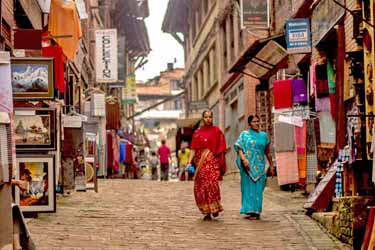
Signature India & Nepal
Delhi, Udaipur, Jodhpur, Jaipur, Agra, Kathmandu
A cross-border journey linking India’s royal cities and Mughal heritage with Kathmandu’s temple-filled valley and Himalayan cultural landscape.
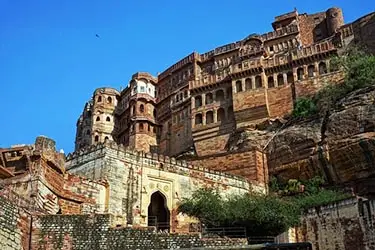
Mystical Gems of India
Mumbai, Aurangabad, Udaipur, Jaipur, Agra, Delhi
An architecture-focused journey through India’s most extraordinary sites, from Ajanta and Ellora’s rock-cut caves to Rajasthan’s palace cities and Mughal
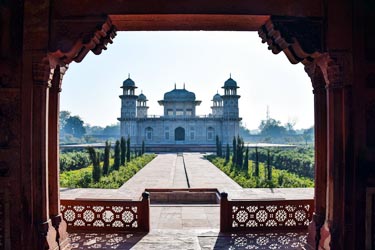
Spectacular India
Delhi, Varanasi, Agra, Ranthambhore, Jaipur, Mumbai
A broader India journey that pairs iconic cities and sacred river traditions with Ranthambore’s tiger landscapes for a more varied and expansive introduction.
Ready to embark on your adventure of a lifetime?
However you imagine Asia, our luxury travel specialists will bring it to life — flawlessly.