
Ranthambore Travel Guide
Discover your own version of
Ranthambore
Highlights
- Ranthambore Wildlife Safaris — Explore varied zones of forest, lakes, and grassland in search of tigers, leopards, deer, and vibrant birdlife.
- Ranthambhore Fort Excursions — Walk through ancient gateways, temples, and ramparts that offer expansive views across the national park.
- Padam Talao & Jogi Mahal — Visit one of the region’s most scenic lakes, framed by wide lotus fields and a historic royal lodge.
- Raj Bagh Ruins — Observe old arches and crumbling palaces situated within natural tiger territories, reflecting the region’s royal past.
- Village Craft Encounters — Meet artisans who practice block printing, embroidery, and traditional crafts in nearby rural communities.
- Guided Nature Walks — Learn about local flora, animal behavior, and ecological patterns from naturalists familiar with the terrain.
Ranthambore – A Leading Destination for Tiger Sightings, Nature & Heritage
Ranthambore sits where the Aravalli and Vindhya ranges meet, creating a landscape of dry forest, open grassland, and ancient rocky plateaus. Lakes and seasonal streams break the terrain, drawing wildlife to their edges and adding a calm, expansive quality to the park’s natural setting. Overlooking this environment, the hilltop Ranthambhore Fort rises above the canopy, its stone walls and gateways offering a steady reminder of the region’s long history.
In the villages surrounding the reserve, daily routines reflect a close relationship with the land. Farmers move between fields as livestock graze near the forest boundary, while local craft communities continue traditions linked to Rajasthan’s broader cultural heritage. Naturalists, forest rangers, and guides follow familiar paths through the park’s zones, reading tracks and terrain shaped by years of seasonal change. This interwoven rhythm of wildlife, people, and history forms the foundation of Ranthambore’s enduring character.
What to See in Ranthambore
Ranthambore National Park Landscapes — A striking mix of dry forest, open meadows, and rocky outcrops that create ideal habitats for wildlife viewing.
Ranthambore Fort — A UNESCO-listed hilltop fortress with ancient temples, reservoirs, and panoramic views across the park’s forest canopy.
Padam Talao Lake — One of the park’s most scenic water bodies, known for its wide lotus fields and the iconic Jogi Mahal at its edge.
Raj Bagh Ruins — Crumbling arches and old hunting pavilions scattered through the forest, offering glimpses into the region’s royal past.
Malik Talao Wetlands — A calm freshwater lake that attracts a variety of birdlife, including storks, egrets, and kingfishers.
Historic Royal Structures — Old watchtowers, stone walls, and hunting lodges that reflect Ranthambhore’s role as a former royal game reserve.
Things to Do in Ranthambore
Morning and Afternoon Wildlife Safaris — Traverse designated zones in open jeeps to spot tigers, leopards, deer, and diverse bird species.
Climb to Ranthambhore Fort — Walk through ancient gateways to explore temples, palaces, and sweeping views of the surrounding forest.
Visit Local Craft Communities — Meet artisans specializing in block printing, embroidery, and traditional Rajasthani crafts in nearby villages.
Enjoy Birdwatching at Key Water Bodies — Observe migratory and resident species around the park’s lakes and marshlands.
Take a Nature Walk with Naturalists — Learn about local flora, animal behavior, and the ecological significance of the park’s varied terrain.
Experience Village Life Around the Reserve — Wander through rural settlements to see farming routines, traditional homes, and daily cultural practices.
Why Visit Ranthambore
Ranthambore appeals to travelers seeking a blend of wildlife, history, and accessible nature. The park is known for its tiger population and varied landscapes, offering a strong chance to observe animals in habitats that range from lakeside clearings to forested hills. The presence of the fort and scattered ancient ruins adds depth to the experience, creating rare intersections of architectural heritage and natural ecosystem.
Beyond wildlife viewing, Ranthambore provides a calm and structured environment for exploring rural Rajasthan. Nearby villages highlight local craft traditions and agricultural life, while lodges offer comfortable bases for morning and afternoon safaris. The region combines the clarity of a well-managed national park with cultural experiences rooted in community and long-standing regional practices.
What's Unique About Ranthambore
Ranthambore is distinguished by the prominent presence of Ranthambhore Fort within the national park—a UNESCO site whose temples, reservoirs, and defensive walls overlook key wildlife corridors. This rare integration of ancient architecture and protected habitat creates a landscape where history and ecology inform one another, resulting in a distinctive viewing environment shaped by both natural and cultural forces.
Another defining feature is the visibility of tigers and other wildlife in open terrain. The park’s mixture of forest, lakes, and rocky outcrops supports a diverse ecosystem, allowing visitors to encounter animals in settings that remain visually striking yet ecologically balanced. This combination of accessible wildlife viewing, geological variety, and deep historical layering sets Ranthambore apart from other reserves in India.
Best time to visit: November to April provides the most favorable balance of weather, visibility, and wildlife activity.
Weather and Seasons in Ranthambore
Winter (November–February)
Cool, pleasant temperatures and clear visibility make this the preferred season for wildlife safaris. Animals are often active around lakes and open meadows.
Spring (March–April)
Warm but manageable conditions support continued wildlife sightings, with thinning foliage improving views across the forest.
Summer (May–June)
Heat intensifies, driving animals to gather near water sources—often increasing chances of tiger sightings during early and late safaris.
Monsoon (July–September)
The park becomes lush and green, though wildlife viewing is limited during this period and portions of the reserve may close for regeneration.
Autumn (October)
The landscape begins to dry after monsoon rains, offering fresh vegetation and comfortable temperatures for early-season safaris.
Ranthambore presents a compelling balance of natural beauty, wildlife diversity, and historic depth. Its forests, lakes, and ancient fort create a landscape where ecological and cultural narratives line up clearly across the terrain.
For travelers seeking a grounded, focused wildlife experience supported by strong regional character, Ranthambore remains one of Rajasthan’s most distinctive destinations. When you’re ready to explore its forest paths, hilltop ruins, and surrounding villages, we’ll craft an itinerary tailored to your interests and preferred pace.
ACCOMODATIONS IN RANTHAMBORE

Taj Sawai
Set just outside Ranthambore National Park, Taj Sawai Ranthambore offers a refined base for exploring one of India’s most celebrated wildlife reserves ...
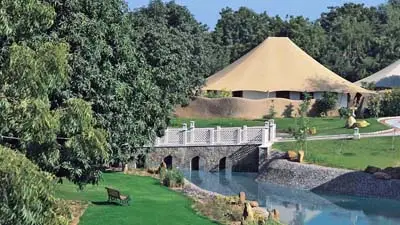
Oberoi Vanjavilas
Inspired by the elegance of royal tented camps, the resort blends Mughal-inspired architecture with refined contemporary design. Luxury tents, set within...
SUGGESTED ITINERARIES

Spectacular India
Delhi, Varanasi, Agra, Ranthambhore, Jaipur, Mumbai
A broader India journey that pairs iconic cities and sacred river traditions with Ranthambore’s tiger landscapes for a more varied and expansive introduction.
Mystical Gems of India
Mumbai, Aurangabad, Udaipur, Jaipur, Agra, Delhi
An architecture-focused journey through India’s most extraordinary sites, from Ajanta and Ellora’s rock-cut caves to Rajasthan’s palace cities and Mughal

Majestic India
Delhi, Agra, Jaipur, Kolkata, Varanasi
A private journey across India’s imperial cities, sacred river traditions, and cultural centers, offering a deeper exploration of the country’s history, spirituality, and living heritage.

Ready to embark on your adventure of a lifetime?
However you imagine Asia, our luxury travel specialists will bring it to life — flawlessly.