Jaipur Travel Guide
Discover your own version of
Jaipur
Highlights
- Jaipur City Palace Complex — Explore ornate courtyards and galleries that reflect centuries of royal heritage.
- Amber Fort Excursions — Wander through expansive ramparts, mirrored halls, and hilltop viewpoints overlooking the Aravallis.
- Pink City Market Walks — Discover textiles, block prints, and handicrafts in atmospheric lanes and historic bazaars.
- Hawa Mahal Mornings — View Jaipur’s iconic façade glowing softly in early light from quiet street corners.
- Artisan Workshops & Craft Studios — Engage with local craftsmen preserving gemstone, enamel, and textile traditions.
- Nahargarh Sunset Views — Experience sweeping panoramas of the city and surrounding hills from a historic fort.
Jaipur– The Pink City’s Must-See Forts, Palaces, Markets & Cultural Experiences
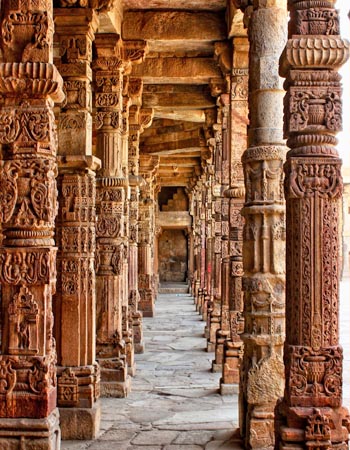
Founded in 1727 as one of India’s earliest planned cities, Jaipur was laid out with broad avenues, fortified walls, and an orderly grid that reflected the vision of the Kachwaha rulers. Its pink-hued facades, sculpted archways, and surrounding Aravalli hills give the city a clear architectural profile, where sandstone structures, open courtyards, and patterned screens create a sense of balanced proportion. The light across these surfaces—terraces, domes, and market streets—reinforces Jaipur’s distinctive blend of royal design and arid landscape.
Across the city, daily activity moves through spaces that retain this planned character. Traditional craft districts continue to operate in long-established lanes, their workshops lined with stone-carving tools, textile blocks, and jewelry benches. Temples, stepwells, and small residential clusters sit within the same urban grid envisioned centuries ago, while newer neighborhoods extend the city’s reach without disrupting its visual coherence. The result is an environment where historic architecture, artisanal heritage, and modern expansion exist within a framework that still reflects Jaipur’s original intent—a city shaped by design, continuity, and the cultural expression of Rajasthan.
What to See in Jaipur
Royal Hilltop Forts – Amber, Jaigarh, and Nahargarh rise above the Aravalli Hills, offering expansive views and showcasing Jaipur’s military architecture, ceremonial halls, and historic ramparts.
The Pink City’s Iconic Facades – Hawa Mahal, with its intricate jharokhas, and the terracotta-hued streets of the old city illustrate the planned aesthetic that defines Jaipur’s historic core.
City Palace & Museum Complex – Ornate courtyards, painted gateways, and curated royal collections reflect centuries of Rajput heritage preserved within an active royal residence.
Astronomical Masterpieces – The UNESCO-listed Jantar Mantar displays monumental instruments that highlight Jaipur’s legacy of scientific innovation and precise celestial observation.
Art & Textile Museums – The Albert Hall Museum and Anokhi Museum of Hand Printing reveal Rajasthan’s artistic lineage through textiles, carvings, and decorative arts.
Temple Architecture & Sacred Sites – Govind Dev Ji Temple, Galta Ji, and other spiritual landmarks introduce the city’s devotional traditions through vibrant rituals and historic craftsmanship.
Things to Do in Jaipur
Explore Traditional Bazaars – Wander through Johri, Bapu, and Tripolia Markets to experience Jaipur’s celebrated jewelry, textiles, block prints, and artisan craft traditions.
Join a Block-Printing or Craft Workshop – Engage with local artisans to learn traditional techniques, from hand-printing fabrics to enamelwork and miniature painting.
Walk the Old City at Dawn or Dusk – Experience Jaipur’s historic quarters as shops open or lanterns glow, revealing the city’s atmospheric rhythm beyond daytime crowds.
Dine on Rooftop Terraces – Enjoy refined Rajasthani cuisine with views of illuminated palaces, bustling streets, and distant fort outlines.
Take a Jeep Ride to Amber Fort – Travel through rugged terrain to approach the fort as generations once did, gaining perspective on its strategic position and architectural scale.
Visit Contemporary Art & Design Studios – Explore Jaipur’s modern creative scene through galleries, designer ateliers, and concept stores showcasing evolving interpretations of local craft.
Why Jaipur
Jaipur appeals to travelers seeking a destination where historic design, regional craftsmanship, and royal heritage remain visibly intact. The city’s layout—rooted in 18th-century urban planning—offers a rare opportunity to explore palaces, observatories, and fortified hilltops within a coherent architectural framework. Its markets and museums add further dimension, presenting textiles, jewelry, and artisanal traditions that have shaped Rajasthan’s cultural identity for centuries. Visitors come not only for landmarks but for the clarity with which Jaipur expresses its history through structure and material.
Beyond its heritage, Jaipur provides a comfortable base for experiencing the broader landscapes of the region. The city is well-connected, with high-quality hotels, accessible dining, and smooth links to nearby sites such as Amer, Jaigarh, and Nahargarh. Its combination of planned avenues, historic districts, and desert surroundings creates an environment that feels both substantial and easy to navigate. For travelers seeking a destination that balances cultural depth with practicality, Jaipur delivers an experience that is engaging, well-rounded, and rooted in a strong sense of place.
What's Unique About Jaipur
Jaipur stands apart for the clarity of its original city plan, one of the earliest examples of formal urban design in India. Its grid layout, uniform façades, and monumental gateways create a level of visual coherence rarely found in historic cities of this scale. Architectural elements such as jharokhas, chhatris, and carved stone screens remain widely preserved, offering a clear, uninterrupted expression of Rajasthani design across both palatial complexes and everyday structures. This consistency lends Jaipur a distinct identity—recognizable, structured, and deeply tied to its 18th-century foundations.
Equally characteristic is the city’s enduring network of craft traditions. Generations of artisans continue to work in specialized districts dedicated to block printing, gemstone cutting, metalwork, and miniature painting, maintaining techniques that have shaped Jaipur’s reputation as a center of craftsmanship. These skills are practiced within long-established workshops and family enterprises, giving the city an authenticity that reflects both cultural continuity and material expertise. Together, Jaipur’s planned architecture and living artisanal heritage form a combination seldom matched elsewhere in India.
Best time to visit: October through March offers the most comfortable climate and the best conditions for experiencing Jaipur’s outdoor architecture and historic landscapes.
Weather and Seasons in Jaipur
Winter (October–March)
Winter is Jaipur’s most comfortable season, with clear skies, cool mornings, and mild afternoons that suit outdoor visits to forts, palaces, and markets. Visibility is strong, and temperatures support full-day sightseeing without discomfort.
Summer (April–June)
Summer brings high heat and dry conditions, with daytime temperatures often rising significantly. Sightseeing is best planned for early morning or late afternoon, while indoor museums and heritage properties offer practical relief during peak hours.
Monsoon (July–September)
The monsoon brings intermittent rain and a noticeable drop in temperature. Hillsides around the city grow greener, and the air feels more tempered, though humidity increases. Roads and major sites remain accessible, making this a quieter, more spacious time to visit.
Jaipur offers a rich, multilayered experience shaped by royal architecture, artistic tradition, and the steady rhythms of daily life. Time spent walking its markets, exploring its forts, or observing its crafts reveals a city that rewards curiosity with clarity and depth.
For travelers seeking culture, color, and a refined sense of place, Jaipur provides a destination of lasting interest. When you’re ready to explore its neighborhoods, heritage spaces, and creative landscapes, we’ll design an itinerary aligned with your interests and preferred pace of travel.
ACCOMODATIONS IN JAIPUR

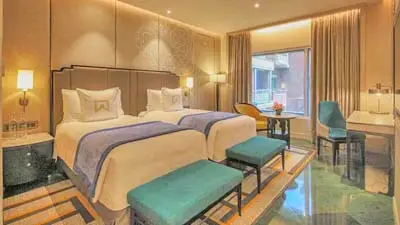
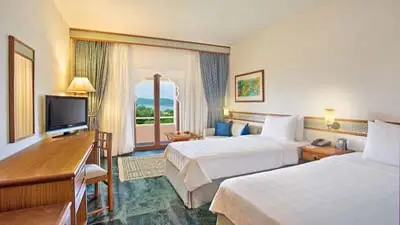
ITC Rajputana
Drawing inspiration from Rajasthan’s grand havelis and fort complexes, the hotel incorporates jali screens, carved pillars, and long verandas into a ...
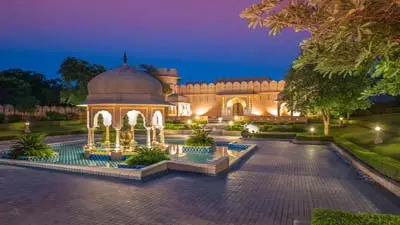
Trident Hotel
The hotel’s design balances contemporary comfort with gentle Rajasthani influences—arched corridors, jali screens, and traditional motifs woven into a clean...
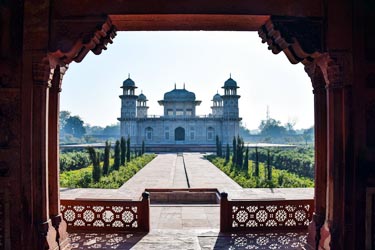
Oberoi Rajvilas
The resort’s design draws inspiration from Rajasthan’s royal palaces and desert forts, incorporating carved pillars, sandstone façades, and Mughal arches...
SUGGESTED ITINERARIES

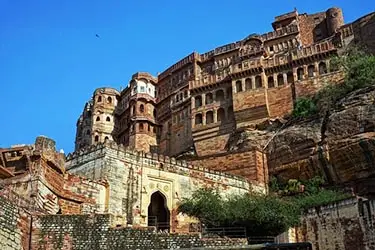
Spectacular India
Delhi, Varanasi, Agra, Ranthambhore, Jaipur, Mumbai
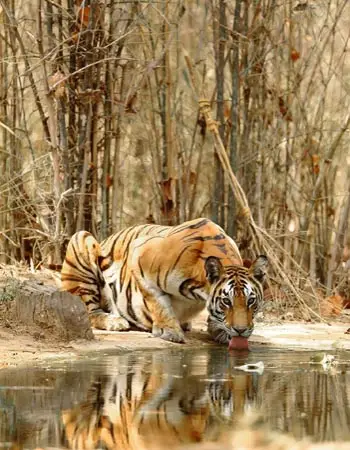
A broader India journey that pairs iconic cities and sacred river traditions with Ranthambore’s tiger landscapes for a more varied and expansive introduction.
Mystical Gems of India
Mumbai, Aurangabad, Udaipur, Jaipur, Agra, Delhi
An architecture-focused journey through India’s most extraordinary sites, from Ajanta and Ellora’s rock-cut caves to Rajasthan’s palace cities and Mughal
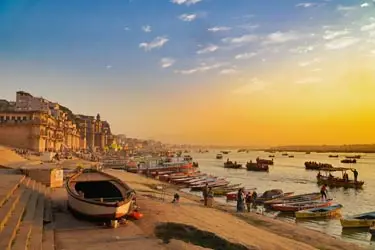
Majestic India
Delhi, Agra, Jaipur, Kolkata, Varanasi
A private journey across India’s imperial cities, sacred river traditions, and cultural centers, offering a deeper exploration of the country’s history, spirituality, and living heritage.

Ready to embark on your adventure of a lifetime?
However you imagine Asia, our luxury travel specialists will bring it to life — flawlessly.