Indonesia Travel Guides
Practical Tips and Insights for Traveling in Indonesia
Indonesia Travel Guides
Everything You Need to Know Before You Go
At Explorient, we believe every remarkable journey begins with understanding — especially in a destination as diverse and captivating as Indonesia. Our Indonesia Travel Guides are crafted to help you explore the soul of the archipelago with clarity and confidence, from the cultural heart of Ubud, the misty highlands of Munduk, and the untouched serenity of West Bali, to the volcanic majesty of Mt. Bromo and the ancient wonders of Yogyakarta. Inside, you’ll find practical tips, essential FAQs, etiquette guidance, transportation insights, and trusted recommendations from our destination experts. Thoughtfully curated, these guides transform preparation into the opening chapter of a journey defined by spirituality, nature, and Indonesia’s extraordinary cultural richness.
Indonesia's Destinations
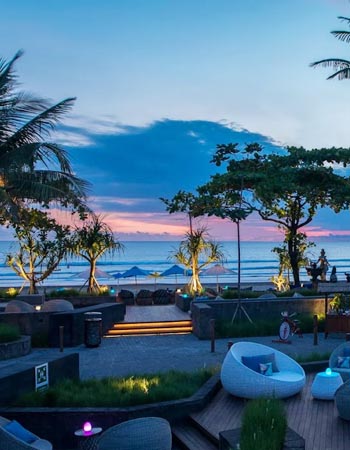
Bali




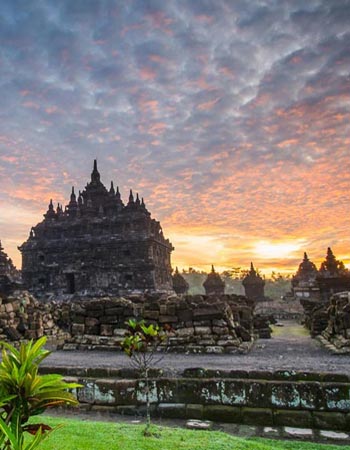
Java

The Eastern Isles


PRACTICAL TIPS
- Passport & Visa
- Holidays
- Airport Taxes
- Baggage
- Climate & Clothing
- Communications
- Currency
- Customs & Etiquette
- Customs Regulations
- Electricity
- Food & Water
- Health Matters
- Tipping
- Transportation
- What to Pack
Passports & Visas: Your Smooth Entry to Indonesia
From Bali’s emerald rice terraces to the ancient temples of Java and the volcanic highlands of East Java, Indonesia offers a dazzling tapestry of culture and nature. Sorting out your passport and visa in advance ensures a seamless arrival—so you can focus on serene sunsets, vibrant traditions, and the boundless beauty that awaits across the archipelago.
Passport Validity
- Your passport must be valid for at least six months beyond your intended stay in Indonesia.
- Make sure you have at least one blank page for entry and exit stamps.
- Airlines may deny boarding if your passport is close to expiring, so double-check ahead of time.
Visa-Free Entry
- Citizens of select countries—including Singapore, Malaysia, Thailand, Vietnam, and several others—may enter Indonesia visa-free for short stays.
- Visa-free entry typically allows up to 30 days and cannot be extended.
Visa on Arrival (VOA) & eVOA
- Most travelers—including those from the United States & Canada are eligible for a Visa on Arrival (VOA) at major airports and seaports.
- The VOA allows a 30-day stay and can be extended once for an additional 30 days.
- You may also apply for an eVOA online prior to arrival—ideal for avoiding queues and streamlining your entry.
Pre-Arranged Tourist Visas
- Travelers who prefer to have documentation confirmed beforehand can apply for a Tourist Visa at any Indonesian Embassy or Consulate.
- Depending on the visa type, stays may be longer or extendable—useful for extended holidays or multi-island itineraries.
Proof of Onward Travel
- Indonesian immigration may request proof of onward or return travel within your visa’s validity period.
- Airlines commonly check this before boarding, so keep a digital or printed confirmation handy.
Where to Double-Check
- Official Indonesian Immigration eVOA website
- Your nearest Indonesian Embassy or Consulate
- Your government’s travel advisory website
With your documents in order, entering Indonesia is typically smooth and welcoming—your first step into a world of volcanic landscapes, ancient temples, soulful hospitality, and island beauty waiting to unfold.
Holidays in Indonesia: Travel with Ease and Awareness
Indonesia’s vibrant cultural calendar is as diverse as its islands. From Balinese Hindu ceremonies to Javanese royal festivities and nationwide religious observances, holidays here are colorful, spiritual, and deeply rooted in tradition. A little preparation helps ensure smooth travels—so you can enjoy Indonesia’s magic without unexpected surprises.
National Public Holidays
- Indonesia observes numerous national holidays, including New Year’s Day, Independence Day (Aug 17), and major religious celebrations such as Eid al-Fitr, Christmas, and Nyepi (Day of Silence).
- During major holidays—especially Eid al-Fitr—local travel can be busier as Indonesians return home to celebrate with family.
- Banks, government offices, and some attractions may close or operate with limited hours on public holidays.
Religious & Cultural Celebrations
- Nyepi (Balinese Day of Silence): A unique 24-hour period in Bali when the entire island shuts down. Airports close, roads are empty, and everyone must remain indoors. It’s a powerful cultural experience but requires advance planning.
- Galungan & Kuningan: Important Balinese Hindu festivals marked by temple ceremonies, decorated streets, and family gatherings. Most tourist sites remain open, but some areas may have shorter hours.
- Waisak (Vesak Day): Celebrated at Borobudur in Yogyakarta with candlelit rituals and solemn processions.
Travel Tips During Holidays
- Book domestic flights, ferries, and hotels early during peak holiday seasons, especially Eid and Christmas/New Year.
- Expect increased traffic in major cities and popular resort areas.
- Museums, temples, and attractions may adjust operating hours—your guide will help you navigate any changes.
Helpful Resources
- Indonesian Ministry of Tourism holiday calendar
- Local government websites for regional observances
- Your Explorient travel specialist for customized holiday planning
With a little awareness of Indonesia’s holiday rhythms, your journey becomes even more enriching—offering glimpses into centuries-old traditions, vibrant ceremonies, and the spiritual heart of this extraordinary archipelago.
Airport Taxes in Indonesia: Simple and Hassle-Free
Traveling through Indonesia’s airports is refreshingly straightforward, thanks to a fully modernized system that includes all passenger fees directly in your ticket. No extra lines, no surprise charges—just an easy, seamless start to your island journey.
What You Need to Know
- All airport taxes and passenger service charges are already included in your airline ticket price.
- Fees vary slightly between domestic and international flights, but everything is automatically itemized when you book.
- You do not need to pay anything separately at the airport—Indonesia has eliminated cash-on-departure airport taxes nationwide.
Helpful Tips
- If you’re curious, you can check your e-ticket or receipt—airport taxes are typically listed under “PSC” or “Airport Tax.”
- This streamlined system makes budgeting easy since there are no last-minute fees to prepare for at check-in or departure.
- If flying domestically between islands, your airline will handle all taxes automatically with your purchase.
Where to Confirm
- Your airline’s ticket breakdown or fare details
- Official airport websites such as Ngurah Rai (Bali) or Soekarno–Hatta (Jakarta)
- Indonesia’s Ministry of Transportation
With everything built into your ticket, flying in and out of Indonesia is wonderfully convenient—leaving you more time to enjoy serene temples, forested highlands, volcanic landscapes, and the many islands waiting to be explored.
Baggage in Indonesia: Travel Light, Smooth, and Stress-Free
With Indonesia’s blend of island-hopping flights, scenic drives, and cultural excursions, packing the right way ensures a seamless and comfortable journey. Understanding airline rules and local considerations helps keep your travels smooth from one island to the next.
Airline Baggage Allowances
- Baggage allowances vary between international airlines and domestic carriers, especially on smaller inter-island flights.
- Most domestic airlines—such as Garuda Indonesia, Lion Air, and AirAsia—offer 15–20 kg of checked baggage by default, but some fares may be carry-on only.
- Oversized luggage may incur additional fees, so checking your fare class before flying is always wise.
Carry-On Luggage
- Carry-on allowances are commonly 7 kg on domestic flights, though this varies by airline.
- Because many airports use smaller regional aircraft, overhead space can be limited. A compact bag is easiest to manage.
- Keep essentials—medications, electronics, valuables—within your carry-on for convenience.
Island-Hopping Tips
- Light, flexible luggage is ideal when traveling across Bali, Java, and East Java, especially if your itinerary includes boat transfers or long scenic drives.
- Wheeled suitcases work well in major cities and resorts, while soft-sided bags are more practical in rural areas or eco-lodges.
- If traveling with surfboards or photography gear, confirm oversize policies with your airline ahead of time.
Storage & Handling
- Most hotels in Bali, Java, and beyond are happy to store bags if you’re taking overnight excursions such as Mt. Bromo or Nusa Penida day trips.
- Your Explorient guide and driver will assist with handling luggage throughout your journey, ensuring smooth transitions between destinations.
Where to Confirm
- Your airline’s official baggage policy
- Your e-ticket fare details
- Guidance from your Explorient travel specialist
With the right preparation and an understanding of domestic airline policies, traveling with luggage in Indonesia becomes effortless—letting you focus on emerald rice terraces, ancient temples, and the islands’ endless natural beauty.
Climate & Clothing in Indonesia: Stay Comfortable Across Islands
Stretching across the equator, Indonesia offers a warm, tropical climate year-round. From Bali’s sun-kissed beaches and Ubud’s misty highlands to the cool volcanic slopes of Mt. Bromo and the cultural heartlands of Java, understanding local weather helps you pack smart and enjoy every moment in comfort.
Indonesia’s Climate at a Glance
- Most regions experience warm, humid weather year-round, with temperatures typically ranging from 25–32°C (77–90°F).
- The dry season (generally April–October) brings sunny skies—ideal for beach days, temple visits, and outdoor adventures.
- The rainy season (November–March) features brief, refreshing showers and lush green landscapes, especially in Bali and Java.
- Highland areas such as Ubud, Munduk, and Mt. Bromo can be noticeably cooler, especially mornings and evenings.
What to Wear
- Lightweight, breathable fabrics like cotton, linen, and moisture-wicking materials are perfect for warm, humid days.
- A light sweater or jacket is helpful in cooler highland areas—Ubud and Munduk can get breezy, while Mt. Bromo is often cold before sunrise.
- Modest clothing is appreciated when visiting temples; bring something that covers shoulders and knees.
- A packable rain jacket or umbrella is useful during the rainy season.
Footwear Tips
- Comfortable walking shoes or sandals are ideal for exploring Bali’s towns, markets, and temples.
- Closed-toe shoes are recommended for Mt. Bromo sunrise excursions or jungle walks in Munduk.
- Easy slip-on footwear is convenient for temples and beachside restaurants where shoes may need to be removed.
Sun & Weather Essentials
- Sunscreen, a sun hat, and sunglasses are musts—Indonesia’s equatorial sun can be strong even on cloudy days.
- Insect repellent is useful, especially in rural and forested areas.
- A reusable water bottle helps you stay hydrated in warm weather.
Where to Double-Check
- Local forecasts for Bali, Java, and East Java
- Your hotel or resort for micro-climate insights
- Your Explorient travel specialist for packing guidance based on your exact itinerary
With the right clothing and a few smart essentials, you’ll feel comfortable wherever your Indonesia journey leads—from Bali’s temple-studded hillsides to the cool volcanic mornings of Mt. Bromo and the cultural treasures of Yogyakarta.
Communications in Indonesia: Stay Connected with Ease
Whether you’re wandering Bali’s rice terraces, exploring Yogyakarta’s ancient temples, or chasing sunrise at Mt. Bromo, staying connected in Indonesia is refreshingly straightforward. With modern mobile networks and widespread Wi-Fi, it’s easy to keep in touch, share photos, and navigate your journey with confidence.
Mobile & SIM Cards
- Local SIM cards from providers like Telkomsel, XL Axiata, and Indosat are inexpensive and offer excellent coverage across Bali, Java, and major cities.
- Purchase a SIM card upon arrival at the airport or at authorized shops—data packages are affordable and typically include generous high-speed allowances.
- To activate a SIM card, your passport may be required for registration.
Wi-Fi Access
- Wi-Fi is widely available at hotels, cafés, restaurants, and many tourist attractions across Bali and Java.
- Speeds are generally stable in cities and popular destinations; remote highland areas like Mt. Bromo or Munduk may have slower connections.
- Most mid-range and luxury hotels offer complimentary Wi-Fi throughout the property.
Data & Calling Tips
- Using a local SIM card is usually the most reliable and cost-effective option for navigation, messaging, and photo sharing.
- International roaming works, but rates vary by provider—check with your home carrier before departure.
- Apps like WhatsApp, FaceTime, and Messenger are commonly used for calls and texts; locals and guides rely on them as well.
Staying Connected in Remote Areas
- Highland and volcanic regions—such as Mt. Bromo—may experience weaker mobile reception.
- Your guide will always help you plan for offline maps or coverage gaps during long excursions.
- Most hotels in remote areas still offer basic Wi-Fi for essential communication.
Where to Double-Check
- Your mobile carrier’s international roaming policies
- Local telecom providers (Telkomsel, XL, Indosat) for SIM options
- Your hotel’s Wi-Fi details and coverage
With reliable networks, plentiful Wi-Fi, and easy access to local SIM cards, staying connected in Indonesia is effortless—letting you share magical moments from Bali’s temples, Java’s ancient wonders, and the breathtaking peaks of East Java as they unfold.
Currency in Indonesia: Simple, Straightforward, and Traveler-Friendly
From Bali’s vibrant markets to Yogyakarta’s artisan workshops and the highlands of East Java, handling money in Indonesia is refreshingly easy. With a little preparation, you’ll move effortlessly through shops, cafés, temples, and scenic excursions.
The Basics
- Indonesia’s official currency is the Indonesian Rupiah (IDR).
- Cash is widely used, especially in markets, small eateries, rural areas, and for tipping.
- USD is accepted only in a few tourist-oriented businesses—always expect to pay in Rupiah.
Cash & ATMs
- ATMs are readily available in Bali, Yogyakarta, and major cities, dispensing Rupiah at competitive exchange rates.
- Withdrawal limits vary by bank, so plan accordingly—especially before heading into remote areas like Mt. Bromo or Munduk.
- It’s helpful to carry smaller denominations for street vendors, temple donations, and local snacks.
Credit & Debit Cards
- Credit cards are widely accepted at hotels, upscale restaurants, and many shops in tourist areas.
- Smaller businesses may charge a modest service fee for card payments.
- Always keep some cash on hand, as card machines can be unreliable in remote locations.
Exchanging Money
- Reputable money changers and banks offer fair rates—avoid unmarked kiosks or unusually high rates.
- Bring clean, undamaged USD bills if you plan to exchange currency; worn bills are often rejected.
- Your guide can point you to trustworthy exchange counters near your hotel or sightseeing areas.
Helpful Tips
- Carry a small coin pouch—Rupiah comes in large denominations, and change can accumulate quickly.
- Check receipts and change carefully, especially in busy markets.
- Keep a digital payment method (like Apple Pay or Google Pay) as backup—accepted in some modern cafés and shops.
With a mix of Rupiah on hand and a few smart tips, navigating money in Indonesia becomes effortless—letting you enjoy Bali’s markets, Java’s heritage sites, and island adventures without skipping a beat.
Customs & Etiquette: Respectful Travel in Indonesia
Indonesia’s rich blend of cultures, religions, and traditions stretches across more than 17,000 islands. From the spiritual grace of Bali to the royal heritage of Yogyakarta and the warm villages of Java, embracing local customs not only enhances your journey—it honors the people who make this archipelago so special. With a few simple guidelines, you’ll feel welcomed wherever your travels take you.
Greetings & General Manners
- The common Indonesian greeting is a gentle handshake—often softer than in Western cultures—and sometimes accompanied by a slight bow.
- In Bali and other Hindu communities, the traditional greeting is the sembah: palms together at the chest with a respectful nod.
- A calm, friendly tone is highly valued; Indonesians appreciate politeness, patience, and warm smiles.
- Raising your voice or showing frustration is considered impolite and can cause discomfort.
Temple & Religious Etiquette
- Dress modestly at temples—shoulders and knees should be covered. In Bali, visitors may be asked to wear a sarong and sash.
- Remove your shoes before entering temple compounds or sacred areas.
- Do not stand higher than offerings or ceremonial objects; follow guidance from temple caretakers.
- Avoid touching priests, monks, or worshippers engaged in prayer.
- Women are traditionally discouraged from entering temples during menstruation, particularly in Bali.
Respecting Personal Space
- The head is considered sacred—avoid touching someone’s head, including children.
- Feet are viewed as the lowest and least clean part of the body. Do not point your feet at people or sacred objects.
- When sitting on the floor, tuck your feet behind or beside you rather than extending them forward.
Photography
- Always ask permission before photographing people, especially priests, temple guardians, or families in traditional dress.
- Some temples restrict photography during ceremonies—look for posted signs or ask your guide.
- Be respectful when photographing children; parental consent is appreciated.
Market & Everyday Etiquette
- Bargaining is common in local markets, but keep it light, polite, and good-spirited.
- Use your right hand (or both hands) when giving or receiving money, gifts, or documents.
- Public displays of affection are limited in many parts of Indonesia—especially in Islamic regions of Java and Lombok.
- It’s polite to accept food or drink offered to you, even if only a small amount.
Helpful Tips
- Learning a few simple phrases in Bahasa Indonesia—like “terima kasih” (thank you) and “selamat pagi” (good morning)—goes a long way.
- Be mindful of local customs during ceremonies or festivals; your guide will help you navigate what’s appropriate.
- When in doubt, simply observe how locals behave—it’s the easiest way to show respect.
With these customs in mind, your travels through Indonesia become even more rewarding. A little cultural awareness opens the door to warmer interactions, richer experiences, and a deeper appreciation of this extraordinary archipelago.
Customs Regulations: Smooth Arrivals & Departures in Indonesia
Indonesia’s entry and exit regulations are straightforward, and understanding a few key rules ensures your journey begins and ends without any surprises. With a little preparation, navigating customs is simple—letting you focus on Bali’s temples, Java’s ancient wonders, and the natural beauty that stretches across the archipelago.
What You Can Bring In
- Travelers may bring personal belongings and reasonable quantities of clothing, electronics, and personal items without duty.
- You are allowed up to 200 cigarettes, 25 cigars, or 100 grams of tobacco.
- You may bring up to 1 liter of alcohol per adult.
- Personal medications are permitted, but bring them in original packaging with prescriptions if possible.
Restricted & Prohibited Items
- Drugs and controlled substances are strictly prohibited, with severe penalties.
- Weapons, firearms, and certain types of sharp objects require special permits.
- Fresh produce, plants, and animal products may be restricted due to biosecurity regulations.
- Pornographic material and politically sensitive items are not allowed.
Money & Valuables
- Bringing more than IDR 100 million (or equivalent in foreign currency) must be declared upon arrival.
- Declare high-value electronics or professional equipment to avoid issues on departure.
- Keep receipts for large purchases, such as artwork or crafts.
Souvenirs & Cultural Items
- Many traditional crafts—textiles, carvings, ceramics—are allowed for export without restrictions.
- Antiques or items of cultural heritage may require documentation to take out of the country.
- Coral, turtle shells, and certain wildlife products cannot be exported.
Arrival & Departure Tips
- Indonesia uses an electronic customs declaration (e-CD), which can be completed online before arrival or at airport kiosks.
- Keep your declaration QR code handy for inspection at the customs checkpoint.
- If you’re unsure about an item, declare it—Indonesia’s customs officers are friendly and helpful, and declaring avoids delays.
Where to Double-Check
- Directorate General of Customs and Excise (Indonesian Customs)
- Official Indonesian government travel portals
- Your Explorient travel specialist for trip-specific guidance
With a clear understanding of Indonesia’s customs regulations, your entry and departure become smooth and stress-free—allowing the beauty, culture, and hospitality of the archipelago to take center stage from the moment you arrive.
Electricity: Staying Powered Up Across Indonesia
Charging your devices in Indonesia is easy, whether you’re relaxing in Bali, exploring Yogyakarta’s temples, or preparing for a sunrise trek at Mt. Bromo. With a bit of preparation, you’ll have everything you need to stay connected, capture photos, and navigate comfortably throughout your journey.
Voltage & Frequency
- Indonesia uses a standard voltage of 230V and a frequency of 50Hz.
- Most modern electronics—such as phones, cameras, and laptops—are dual voltage, but always check your device’s label to confirm compatibility.
Plug Types
- Common plug types in Indonesia are Type C (two round pins) and Type F (Schuko), similar to those used across Europe.
- Some hotels may offer universal outlets, but this is not guaranteed.
- A universal travel adapter is highly recommended, especially if you’re visiting multiple regions or staying in boutique accommodations.
Charging Your Devices
- Hotels, cafés, and restaurants across Bali, Java, and East Java typically provide easy access to outlets.
- Bring a small power strip or multi-port charger if you have several devices—outlets can be limited in some rooms.
- Power banks are useful for long excursions, especially at Mt. Bromo, in rural villages, or during full-day sightseeing tours.
Power Outages
- Short power interruptions may occur in remote or highland regions, particularly during the rainy season.
- Most hotels have backup generators, ensuring essential services remain available.
- Charge devices overnight and download offline maps for areas with spotty connectivity.
Helpful Tips
- If your device is not compatible with 230V, you’ll need a voltage converter—though this is uncommon for modern electronics.
- Carry spare charging cables; replacements may be harder to find outside major tourist centers.
- Use surge-protected adapters when possible to safeguard sensitive equipment.
With the right adapter and a few smart essentials, staying powered up in Indonesia is effortless—keeping your cameras ready, your phones charged, and your journey flowing smoothly across each island.
Food & Water: Eating Well and Staying Healthy in Indonesia
Indonesia’s culinary landscape is a feast for the senses—from Bali’s fresh coastal fare to Javanese street food and hearty mountain dishes in East Java. With a few simple precautions, you can enjoy Indonesia’s flavors confidently while staying hydrated and healthy throughout your journey.
Drinking Water
- Tap water in Indonesia is not safe to drink. Always opt for bottled, filtered, or purified water.
- Most hotels provide complimentary bottled water daily; many also offer refill stations for reusable bottles.
- When dining out, request bottled or filtered water—ice is generally safe in reputable restaurants but avoid it in small roadside stalls.
- Use bottled or filtered water when brushing your teeth, especially in rural areas.
Eating Safely
- Indonesia’s food scene is vibrant and delicious—stick to reputable restaurants, cafés, or well-known street vendors for the best experience.
- Choose food that is freshly cooked and served hot; avoid dishes that have been sitting out.
- Fruits are safe to enjoy when freshly peeled or washed with clean water.
- If you have a sensitive stomach, introduce street food gradually and avoid overly spicy dishes at first.
Fresh Produce & Salads
- Salads served at reputable hotels and restaurants are generally safe, as they are washed with filtered water.
- Be more cautious in small warungs (local eateries), where water quality may vary.
- When in doubt, opt for cooked vegetables—Indonesian cuisine offers many flavorful options.
Seafood & Meat
- Coastal regions like Bali and East Java offer excellent seafood—choose restaurants with high turnover for the freshest catch.
- Ensure meats, including satay, are thoroughly cooked.
- Avoid raw or undercooked seafood unless dining at reputable establishments.
Helpful Tips
- Carry a reusable water bottle to stay hydrated—Indonesia’s tropical climate can be hot and humid.
- Pack electrolyte packets if you’re planning active days, hikes, or long temple visits.
- When in doubt, your guide can recommend safe places to try local dishes and enjoy Indonesia’s incredible culinary diversity.
With a little awareness and a spirit of adventure, Indonesia’s food and drink become one of the highlights of your journey—inviting you to savor rich flavors, fresh ingredients, and the warm hospitality that defines the archipelago.
Health Matters: Staying Well Throughout Your Indonesia Journey
Indonesia’s tropical climate, lush landscapes, and rich cultural experiences make it an unforgettable destination. With a bit of preparation and awareness, staying healthy during your travels is simple—allowing you to fully enjoy Bali’s beaches, Java’s temples, and East Java’s volcanic highlands with complete peace of mind.
General Health Tips
- Indonesia’s climate is warm and humid year-round, so stay hydrated and take breaks during midday heat.
- Bring any personal medications you require, along with a small travel first-aid kit for everyday needs.
- If you have chronic health conditions, carry doctor’s notes and prescriptions in original packaging.
Vaccinations & Preventive Care
- No vaccinations are required for entry into Indonesia.
- Many travelers consider optional protection such as Hepatitis A, Typhoid, and Tetanus—especially if visiting rural areas or eating adventurously.
- If traveling to remote regions, consult your doctor about mosquito-borne illness precautions, including Dengue and, in very limited areas, malaria.
Mosquito Protection
- Use insect repellent, particularly at dawn and dusk or in forested areas like Munduk or national parks.
- Wear lightweight long sleeves and pants in high-mosquito regions to minimize bites.
- Many reputable hotels provide mosquito nets or room sprays; your guide can advise on local conditions.
Sun & Heat Safety
- Indonesia’s equatorial sun is strong—apply sunscreen frequently, especially during outdoor activities.
- Wear a hat, sunglasses, and breathable clothing to stay cool.
- Carry electrolytes if hiking, touring temples, or doing long day trips such as Mt. Bromo sunrise excursions.
Medical Facilities
- Major tourist areas like Bali and Yogyakarta have modern clinics and internationally accredited hospitals.
- Rural or highland areas may have limited medical infrastructure, so plan ahead when visiting remote regions.
- For emergencies, your guide can assist with transportation to the nearest reputable facility.
Travel Insurance
- Comprehensive travel insurance is highly recommended, especially for outdoor activities or multi-island itineraries.
- Ensure your policy covers medical care, emergency evacuation, and adventure activities like trekking or volcano visits.
Helpful Tips
- Wash hands frequently or use hand sanitizer, especially before meals.
- Avoid swimming in unfamiliar rivers or water sources; stick to beaches and hotel pools.
- If you feel unwell, notify your guide—local assistance and recommendations can make all the difference.
With a little preparation and awareness, staying healthy in Indonesia is straightforward. These simple steps help ensure your journey unfolds smoothly—letting you embrace the country’s natural beauty, warm hospitality, and extraordinary cultural richness with confidence and ease.
Tipping in Indonesia: A Friendly Guide to Local Customs
Tipping in Indonesia is appreciated but not strictly expected, making it a relaxed and comfortable aspect of travel. Across Bali, Java, and East Java, small gestures of gratitude go a long way—especially for great service. With a few simple guidelines, you’ll feel confident and courteous wherever your journey takes you.
Restaurants & Cafés
- Many mid-range and upscale restaurants include a 10% service charge in the bill—if so, no additional tip is required.
- If no service charge is included, tipping **5–10%** of the total is appreciated.
- In casual cafés and small warungs (local eateries), rounding up the bill or leaving small change is perfectly acceptable.
Hotels
- Porters typically appreciate **IDR 20,000–30,000** (~USD 1–2) per bag.
- Housekeeping may be tipped **IDR 20,000–50,000** (~USD 1–3) per day, left in an envelope or at the bedside.
- Spa therapists commonly receive **IDR 50,000–100,000** (~USD 3–6) for excellent service.
Drivers, Guides & Excursions
- For private drivers, a tip of **IDR 100,000–150,000** (~USD 6–10) per day is considered generous and appreciated.
- For private guides—who provide interpretation, cultural context, and on-the-ground assistance—**IDR 150,000–250,000** (~USD 10–16) per person per day is customary for good service.
- For long excursions or multi-day trips, adjusting tips upward is a kind way to show appreciation.
Transportation
- Taxis and rideshares (Grab, Gojek) do not require tipping, but rounding up to the nearest **IDR 5,000–10,000** (~USD 0.30–0.70) for friendly drivers is a nice gesture.
- Tuk-tuks and ojeks (motorbike taxis) appreciate small change rounded up from the fare.
General Tips
- Small denominations of **IDR** are extremely useful for tipping—carry a mix of IDR 5,000, 10,000, and 20,000 notes.
- While USD is rarely used for tipping, **crisp USD $1 and $5 bills** may be accepted in tourist-heavy areas like Bali; however, Rupiah is always preferred.
- Tipping is always discretionary—give based on service quality and your comfort level.
Where to Double-Check
- Your hotel’s policies (some include service charges)
- Your itinerary details for private services
- Your Explorient travel specialist for location-specific guidance
With these simple guidelines, tipping in Indonesia becomes effortless—allowing you to show appreciation for the warm hospitality that defines the archipelago while navigating each experience with confidence and ease.
Transportation: Getting Around Cities in Indonesia
Indonesia’s cities—whether it’s the artistic heart of Ubud, the cool highlands of Munduk, the coastal quiet of West Bali, or the cultural centers of Yogyakarta and Malang—offer a mix of walkable neighborhoods and easy local transport options. Since all Explorient journeys include your own private guide and driver for intercity and full-day sightseeing, you’ll only need to think about short hops within town. Fortunately, urban areas in Indonesia are friendly, convenient, and simple to navigate.
Walking
- Central areas like Ubud, parts of Seminyak, and Yogyakarta’s Malioboro Street are ideal for wandering on foot.
- Walking is often the best way to explore artisan shops, markets, cafés, and cultural sites at your own pace.
- Sidewalks can be uneven in some areas—comfortable footwear is recommended.
Blue Bird Taxis
- Blue Bird is Indonesia’s most reliable metered taxi company, especially in Bali, Jakarta, and Yogyakarta.
- Cabs are clean, safe, and inexpensive, making them ideal for short city rides.
- Always ensure the meter is used; Blue Bird does not typically negotiate fares.
Ride-Hailing Apps (Grab & Gojek)
- Grab and Gojek are widely used in urban areas and offer both car and motorbike options.
- They’re inexpensive and extremely convenient for quick rides between restaurants, shops, and attractions.
- Peak-hour traffic in Bali and Java can slow travel—motorbike options move faster but are best for confident riders.
Hotel Transfers
- Many hotels in Bali and Java offer complimentary shuttles into nearby town centers or beaches.
- These are especially useful in Ubud, where properties are often tucked into the rice terraces surrounding town.
- Ask reception for schedules or to arrange a private drop-off when needed.
Bicycles & E-Bikes
- In quieter regions—like Ubud’s backroads, West Bali National Park areas, or the outskirts of Yogyakarta—bikes and e-bikes offer a scenic and leisurely way to explore.
- Stick to daylight hours and avoid main traffic roads, especially in Bali where narrow lanes can be busy.
- Many boutique hotels provide complimentary bikes for guests.
Local Shuttles & Bemos
- Bemos (local minivans) operate fixed routes in some areas but are less common for visitors due to variable comfort and schedules.
- For reliability and ease, taxis and ride-hailing apps remain the preferred options.
Helpful Tips
- Carry small IDR notes for short rides or taxi rounding.
- Traffic can be heavy in Bali and Java—allow extra time when heading to restaurants or performances.
- Download Grab and Gojek before departure; both accept cash or card depending on the region.
- For anything beyond a short city trip, let us take care of it—your private guide and driver handle all intercity and long-distance transfers throughout your journey.
With reliable taxis, convenient ride-hailing apps, and walkable town centers, navigating Indonesia’s cities is effortless. And with Explorient handling every major transfer, you’ll enjoy complete comfort and peace of mind from start to finish.
What to Pack: Essentials for a Comfortable Journey in Indonesia
From Bali’s sun-drenched beaches and jungle retreats to the cool misty highlands of Munduk, the ancient temples of Yogyakarta, and the dramatic landscapes of East Java, Indonesia spans multiple climates and environments. Packing smart helps you stay comfortable, prepared, and ready to enjoy every moment—whether you’re exploring rice terraces, dining by the sea, or waking early for sunrise over Mt. Bromo.
Clothing Essentials
- Lightweight, breathable clothing for Bali’s tropical warmth—linen, cotton, and moisture-wicking fabrics work best.
- A light jacket or sweater for the cooler highlands of Munduk and for early mornings around Mt. Bromo.
- Modest attire (covered shoulders and knees) for temple visits, especially in Yogyakarta and Bali.
- A swimsuit for resort pools, waterfalls, and spa rituals.
- Comfortable walking shoes for city strolls, markets, and temple complexes.
Sun & Weather Protection
- Sunscreen with high SPF—Indonesia’s tropical sun is strong year-round.
- A hat and sunglasses for daytime exploring.
- A light rain jacket or poncho, especially if traveling during the rainy season (Nov–Mar).
- Insect repellent for outdoor activities, rice terraces, and forested areas.
Temple & Cultural Items
- A sarong or scarf for temple visits (some sites provide them, but not all).
- Slip-on shoes make entering and exiting temples easier.
- Reusable water bottle for staying hydrated respectfully and sustainably.
Electronics & Accessories
- Universal travel adapter (Indonesia uses 230V, Type C/F plugs).
- Power bank for full-day excursions or sunrise trips.
- Camera or phone with good storage—the landscapes and temples are breathtaking.
- Downloaded offline maps for walking around towns like Ubud or Yogyakarta.
Health & Comfort
- Basic medications (pain relievers, antihistamines, personal prescriptions).
- Motion sickness tablets if taking boats, winding mountain roads, or domestic flights.
- Hand sanitizer and wet wipes for markets and day trips.
- Electrolytes for hot, active days.
Optional but Helpful
- Lightweight daypack for excursions and temple visits.
- Small dry bag for beach days, waterfalls, or boat rides.
- A foldable umbrella for sudden tropical showers.
- Travel laundry detergent for quick sink washes.
With these essentials packed, you’ll be ready for Indonesia’s diverse landscapes, cultural treasures, and unforgettable outdoor experiences. From Bali’s coast to Java’s volcanic highlands, a well-prepared bag ensures a smoother, more comfortable journey every step of the way.
Travel Protection Plan
At Explorient, we believe your travel experience should be as carefree and enriching as possible. That’s why we’ve partnered with Allianz Travel Insurance — one of the most trusted names in travel protection — to help safeguard your trip from the unexpected.
WHAT OUR TRAVELERS FREQUENTLY ASK US
Yes. Indonesia is generally very safe, especially in popular destinations like Bali, Yogyakarta, and East Java. The culture values kindness and hospitality, and crime against visitors is rare. As with any international trip, staying aware of your surroundings, using reputable drivers, and keeping valuables secure ensures a smooth, worry-free journey. When you travel with Explorient, your experience is supported end-to-end by vetted partners and private guides who prioritize your comfort and safety.
Indonesia is a year-round destination, but most travelers find the dry season, from April to October, offers the most comfortable conditions—sunny days, calmer seas, and ideal weather for temple visits, rice-terrace walks, and volcano viewpoints. Bali, Java, and Lombok all shine during these months, with warm temperatures and clear skies.
That said, the green season (November to March) has its own quiet charm. Rainfall tends to come in short bursts, landscapes are lush and vibrant, and crowd levels drop significantly. Many cultural experiences, wellness retreats, and boutique stays remain just as enjoyable during this period.
At Explorient, we help time your journey based on what you value most—whether that’s sunshine for island hopping, misty mornings in the highlands, or fewer visitors at iconic sites. Indonesia’s beauty takes many forms, and there’s never a wrong moment to discover it.
Most experiences can be tailored to your comfort level. Bali’s temples, rice terraces, and markets involve gentle walking, while sunrise at Mt. Bromo requires early starts and some uneven terrain. We design each day around your pace—whether you prefer leisurely cultural immersion, scenic drives, or more active adventures like volcano viewpoints and waterfall walks.
Absolutely. Indonesia’s food culture is incredibly diverse, and most hotels and restaurants are able to accommodate vegetarian, vegan, halal, gluten-free, and allergy-sensitive diets. If you’re traveling with Explorient, simply tell us your dietary needs in advance—we’ll ensure your guide and every restaurant on your itinerary is prepared.
Bahasa Indonesia is the national language, but English is widely spoken in Bali, Java’s major cities, and at hotels, restaurants, and tourist sites. Your Explorient guide will always be on hand to translate, explain local customs, and help you navigate interactions effortlessly.
Popular areas can feel lively, especially around Seminyak and Ubud’s central streets. But Indonesia is full of serene, lesser-traveled corners—misty Munduk, the quiet villages of West Bali, peaceful valleys outside Ubud, and boutique stays tucked away from the crowds. Our itineraries intentionally balance iconic highlights with tranquil, curated experiences you wouldn’t discover on your own.
Indonesia is a world of its own—17,000 islands, countless cultures, and landscapes that shift from rice terraces to volcanoes to untouched coastlines. It’s spiritual without being showy, adventurous without being overwhelming, and endlessly rich in history, craft, and culinary tradition. Whether you’re drawn to Bali’s mindfulness, Java’s royal heritage, or East Java’s volcanic landscapes, Indonesia invites you to slow down, connect deeply, and experience beauty in every direction.
While Indonesia doesn’t require any specific vaccinations for most travelers, having a few routine protections in place can make your journey smoother and worry-free. Indonesia’s landscapes range from rice terraces and misty jungles to vibrant cities and coastal villages, and being prepared simply ensures you can enjoy every moment with confidence.
- Most travelers choose to be up to date on routine vaccines such as Tetanus, Measles-Mumps-Rubella (MMR), and seasonal flu. Depending on where you’re traveling—especially if your itinerary includes rural areas, highland trekking, or wildlife encounters—doctors may also recommend Hepatitis A, Typhoid, or Hepatitis B as added precaution.
- If you’re planning more adventurous activities, such as extended rainforest hikes or visiting remote regions, some travelers also discuss Rabies or Japanese Encephalitis with their healthcare provider. These aren’t common for most visitors to Bali, Yogyakarta, or Mt. Bromo, but may be worth considering based on your plans and travel style.
- Indonesia does not require Yellow Fever vaccination unless you’re arriving from a country where Yellow Fever is present.
- Because every traveler’s health needs are unique, we recommend speaking with a travel medicine specialist at least 4–6 weeks before departure. They can tailor advice to your itinerary, comfort level, and medical history.
At Explorient, we build journeys that suit your preferences and pace—so whether you’re exploring Bali’s temples, wandering Yogyakarta’s ancient sites, or taking in Bromo’s sunrise, you’ll travel feeling prepared, protected, and fully at ease.
Absolutely—Indonesia is a wonderful choice for families of all ages. Bali, in particular, blends warm hospitality with world-class resorts, gentle beaches, and activities that engage children and adults alike. From rice-terrace walks and hands-on craft workshops to wildlife encounters and calm lagoon swimming, the island offers a balance of culture, nature, and fun that families love.
Java also shines for families who enjoy learning together. Yogyakarta’s ancient temples, batik-making studios, puppet theatres, and cycling routes through local villages create immersive, interactive experiences that spark curiosity.
What makes Indonesia especially family-friendly is the rhythm of life here—unhurried, gracious, and deeply rooted in community. Many hotels offer kids’ clubs, family suites, and thoughtful amenities, while private guides help pace each day to your comfort.
At Explorient, we design every family itinerary with flexibility, ease, and enrichment in mind—ensuring parents can relax, children can explore freely, and every moment feels effortless and meaningful.
While travel insurance isn’t required to enter Indonesia, it’s one of the most valuable investments you can make for a smooth, worry-free journey. Indonesia is an extraordinary destination — diverse, spiritual, and filled with natural beauty — but it’s also a place where island-hopping, volcano viewpoints, jungle walks, and remote coastal areas are often part of the adventure. Having comprehensive coverage ensures that even the unexpected never disrupts your experience.
A strong travel insurance plan typically includes coverage for:
Trip cancellation or interruption
Medical treatment and emergency care
Emergency evacuation (especially important in regions far from major hospitals)
Lost, damaged, or delayed baggage
Travel delays or missed connections
Adventure activities such as trekking, volcano viewpoints, rafting, cycling, or boat excursions (if included in your policy)
While Bali, Yogyakarta, and major cities in Java offer excellent private clinics and hospitals, medical facilities in smaller villages, remote islands, and mountainous regions can be limited. Insurance provides essential peace of mind—particularly if your itinerary includes places like Mt. Bromo, Munduk, West Bali’s countryside, or offshore excursions.
Weather-related delays can occasionally affect domestic flights or ferry schedules, especially during the green season. Insurance helps protect your plans and expenses, ensuring your trip stays on track even if conditions shift.
For added convenience, Explorient offers a trusted Travel Protection Plan designed specifically for our Southeast Asia journeys. If you’d like guidance or a quote, we’re happy to help you select the right level of protection.
With travel insurance in place, you’re free to explore Indonesia’s temples, forests, beaches, and breathtaking landscapes with complete confidence — knowing every step of your journey is safeguarded.
Your comfort and peace of mind are our top priorities. If you need assistance at any point during your journey, you’ll have access to our dedicated local support team and 24/7 emergency assistance. Whether it’s a missed train, a sudden schedule change, or unforeseen world events —we’re just a call away and ALWAYS have your back!
For official travel guidance and helpful resources, contact:
What our travelers said about us
SUGGESTED ITINERARIES

Indonesia Islands & Singapore
Bali, Gili Islands, Lombok, Singapore
A refined journey pairing Bali’s tranquil landscapes, the Gili Islands’ laid-back charm, and Lombok’s scenic beauty with Singapore’s cosmopolitan elegance.
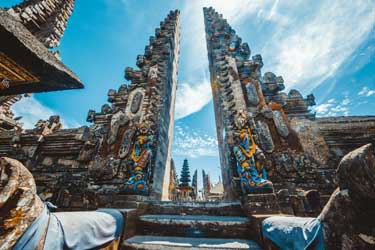
Signature Far East
Hong Kong, Bangkok, Bali, Singapore
A private journey through the Far East’s most dynamic cities and island escapes—where cultural icons, tropical elegance, and cosmopolitan energy unfold in perfect balance.

Spectacular Bali
Ubud, Munduk, West Bali National Park, Pekutatan, Seminyak Beach
A comprehensive exploration of Bali’s spiritual heartlands, volcanic highlands, and serene coastline — balancing discovery and relaxation.
Ready to embark on your adventure of a lifetime?
However you imagine Asia, our luxury travel specialists will bring it to life — flawlessly.