JAPAN TRAVEL GUIDES
Essential Tips and Insights for Traveling in Japan
Japan Travel Guides
Everything You Need to Know Before You Go
At Explorient, we believe a truly unforgettable journey begins long before take-off. Our Japan Travel Guides equip you with the knowledge to travel smarter and experience more—covering practical tips, FAQs, cultural etiquette, transportation insights, travel protection plans, and essential contacts. Expertly curated and traveler-focused, these guides provide the clarity and confidence you need to explore Japan with ease, turning preparation into the first step of your adventure.
Japan's Destinations
East Japan — Tokyo & the Alps
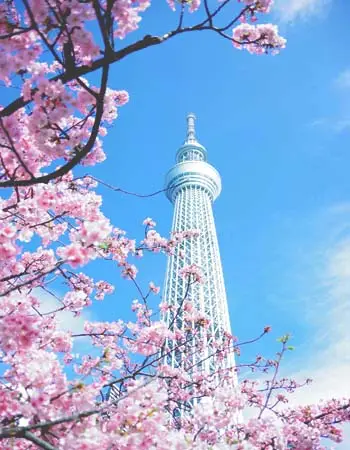
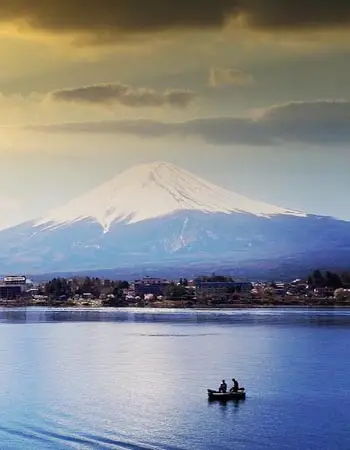
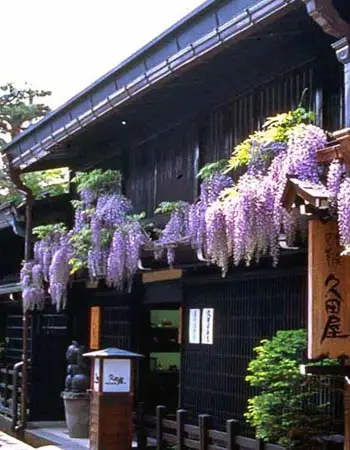
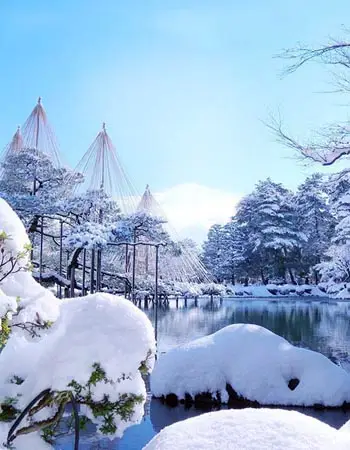
West Japan — Kansai & the West

PRACTICAL TIPS
- Passport & Visa
- Holidays
- Airport Taxes
- Baggage
- Climate & Clothing
- Communications
- Currency
- Customs & Etiquette
- Customs Regulations
- Electricity
- Food & Water
- Health Matters
- Tipping
- Transportation
- What to Pack
Passports & Visas: Your Gateway to Japan
Arriving in Japan is refreshingly smooth when your documents are in order. The country welcomes millions of visitors each year, and with clear passport and visa rules, you can step confidently into your journey — ready for temples, neon-lit streets, and serene gardens.
Passport Validity
- Your passport should be valid for the entire duration of your stay in Japan.
- Airlines and immigration may refuse entry if your passport is damaged, so check its condition before you travel.
- Having at least one blank page for entry and exit stamps ensures smooth processing at the airport.
Visa-Free Entry
- Citizens of more than 60 countries, including the United States, Canada, the UK, Australia, and much of Europe, enjoy visa-free entry for short-term stays (typically up to 90 days).
- For longer stays or special purposes such as work or study, a visa is required in advance through the Embassy or Consulate of Japan.
- You can confirm your country’s eligibility on the official Ministry of Foreign Affairs of Japan website.
Proof of Onward Travel
- Immigration officers may ask for evidence of onward or return travel, such as a confirmed flight ticket showing you’ll depart Japan within your permitted stay.
- A few travelers are also asked for proof of accommodation — having a hotel booking or address handy is helpful.
Helpful Reminders
- Japan does not require you to carry a visa sticker if you qualify for visa-free entry, but you will receive a landing permit stamp upon arrival.
- Always carry your passport with you while in Japan, as visitors are required to show identification if asked by officials.
- For the most accurate and current information, consult your nearest Embassy of Japan or your country’s travel advisory page.
With your passport in good order, a clear return plan, and an understanding of Japan’s straightforward entry rules, you can step into the country with ease. Think of it as your first bow into Japanese hospitality — calm, graceful, and reassuring.
Holidays in Japan: Tradition, Celebration, and Seasonal Charm
Japan’s calendar is filled with national holidays that reflect its deep traditions, seasonal beauty, and modern culture. Traveling during these times gives you a chance to see the country at its most festive, though it also means sharing the journey with locals who are on the move for family gatherings and leisure. With a little planning, these holidays can enrich your trip and create memorable encounters.
Major Holidays to Know
- New Year (Shōgatsu, January 1–3): The most important holiday of the year. Families gather, shrines fill with visitors making their first prayers of the year, and many businesses close for several days.
- Golden Week (late April to early May): A cluster of holidays including Showa Day, Constitution Memorial Day, Greenery Day, and Children’s Day. Travel is at its peak — book transportation and hotels well in advance.
- Obon (mid-August): A Buddhist festival honoring ancestors. Families return to their hometowns, and you’ll see lanterns, dances, and ceremonies. It’s a moving cultural moment, though trains and highways can be crowded.
- Autumn Equinox (September): A quieter holiday with visits to family graves, coinciding with some of Japan’s most beautiful seasonal scenery.
- National Foundation Day (February), Culture Day (November), and the Emperor’s Birthday (February 23): Each offers unique traditions and public celebrations.
What to Expect as a Traveler
- Trains, buses, and flights often sell out quickly during Golden Week, Obon, and New Year.
- Many shops, restaurants, and offices may close for a few days over New Year, but major tourist attractions often remain open.
- Holiday seasons bring vibrant festivals, family gatherings, and a festive atmosphere in shrines, temples, and city streets.
Travel Tips
- Book accommodations and transportation well ahead if traveling during peak holidays.
- Embrace the celebrations — holiday times are wonderful for seeing Japan’s cultural side.
- If you prefer quiet, consider traveling just before or after major holidays to enjoy lighter crowds.
Whether you join lantern-lit ceremonies during Obon, watch cherry blossoms during spring holidays, or share in New Year’s warmth at a local shrine, holidays in Japan add layers of meaning to your journey. With a little preparation, you can experience them with ease and appreciation.
Airport Taxes in Japan: Simple and Transparent
Japan makes things easy for travelers when it comes to airport taxes. There’s no need to search for a payment counter or worry about last-minute fees — everything is already included in your ticket price, so your focus can stay on the journey itself.
What You Need to Know
- All airport taxes and service fees are automatically bundled into your airline ticket.
- International travelers pay Japan’s “International Tourist Tax” (often called the Sayonara Tax), which is 1,000 yen per person. It applies when departing Japan but is already added to your ticket fare.
- Domestic flight charges, such as passenger service fees, are also included in your fare — amounts vary by airport but are never collected separately.
Helpful Tips
- Check your ticket breakdown if you’re curious — the taxes and fees are usually listed clearly.
- Since fees are prepaid, you don’t need to budget cash for airport taxes at departure.
- For official updates, you can consult the Japan Tourism Agency or your airline’s website.
In short, Japan has made airport taxes smooth and transparent. With everything included in your ticket, you can check in, relax, and savor your last moments — whether that’s shopping for souvenirs, enjoying a bowl of ramen, or simply watching planes come and go.
Baggage in Japan: Light, Organized, and Traveler-Friendly
Traveling with luggage in Japan is remarkably straightforward once you know the basics. Whether you’re flying into Tokyo, riding the Shinkansen to Kyoto, or navigating smaller towns, clear baggage rules and convenient services make it easy to move with comfort.
Checked and Cabin Baggage
- International flights to Japan typically follow standard allowances — most airlines include 20–30 kg of checked baggage plus one carry-on bag (around 7 kg). Always confirm with your specific carrier.
- Domestic flights with ANA, JAL, and other regional airlines generally allow around 20 kg of checked luggage for economy passengers, though low-cost carriers may offer only cabin baggage with add-on fees for checked bags.
- Cabin baggage usually includes one small suitcase and a personal item like a laptop or handbag.
Train and Public Transport
- On the Shinkansen (bullet train), larger suitcases require an advance seat reservation for the “oversized baggage area.” This applies to bags with total dimensions over 160 cm. Smaller bags fit easily in overhead racks or behind seats.
- Local trains and buses don’t have much dedicated luggage space — pack light if you plan to travel this way.
Practical Tips
- Japan is famous for its takkyubin (luggage delivery) services. For a small fee, you can send bags ahead to your hotel or the airport, saving the hassle of carrying them on public transport.
- Keep essentials and valuables in your carry-on, especially when using luggage delivery.
- If flying domestically with a low-cost carrier, pre-book checked baggage online to save time and money.
With clear rules, efficient trains, and luggage delivery services, baggage in Japan doesn’t need to be a burden. Pack thoughtfully, take advantage of convenience, and you’ll move through the country with ease — hands free to enjoy every moment of your journey.
Climate & Clothing in Japan: Dressing for the Seasons
Japan’s climate is beautifully diverse, with four distinct seasons that shape both landscapes and traditions. Packing the right clothing helps you feel comfortable and lets you enjoy the country’s seasonal charm — whether it’s cherry blossoms in spring, vibrant festivals in summer, or snowy temples in winter.
Seasons at a Glance
- Spring (March–May): Mild temperatures and famous cherry blossoms. Light layers and a jacket for cool evenings are ideal.
- Summer (June–August): Hot, humid, and often rainy. Light, breathable fabrics keep you comfortable, and a compact umbrella is essential.
- Autumn (September–November): Crisp air and brilliant foliage. Layers, sweaters, and a light jacket work well.
- Winter (December–February): Cold in much of the country, with snow in the north and mountains. A warm coat, scarf, gloves, and good footwear are necessary, especially if visiting Hokkaido or ski resorts.
What to Wear
- Comfortable walking shoes are a must for exploring cities, shrines, and gardens.
- Modest attire is recommended for temples and shrines — covered shoulders and respectful dress show consideration.
- In summer, a hat, sunglasses, and sunscreen help protect against strong sun.
- In winter, thermal layers and waterproof gear are helpful for snowy destinations.
Helpful Tips
- Laundry services are common in hotels and convenience-based laundromats, so you don’t need to overpack.
- Air-conditioning and heating can be strong indoors — layering makes it easy to adjust.
- Seasonal clothing stores are easy to find if you’d like to pick up a local item along the way.
With thoughtful packing and an eye on the seasons, you’ll feel at ease wherever you go in Japan. Dressing comfortably and respectfully ensures you can fully enjoy the beauty of each moment — from spring gardens to winter snowfalls.
Communications in Japan: Staying Connected with Ease
Japan’s advanced infrastructure makes it easy to stay in touch, whether you’re navigating Tokyo’s streets, sharing photos of Kyoto’s temples, or calling home. With reliable mobile networks, convenient SIM cards, and widespread Wi-Fi, you’ll find communication here smooth and stress-free.
Mobile & SIM Cards
- Prepaid SIM cards for tourists are available at airports, electronics stores, and even vending machines.
- Popular providers include NTT Docomo, SoftBank, and au, all offering excellent nationwide coverage.
- Data packages are generous and well-priced, perfect for maps, translation apps, and social sharing.
- You’ll need your passport to purchase a SIM card, and staff are usually ready to help with setup.
Pocket Wi-Fi
- Many visitors rent pocket Wi-Fi devices, available at airports and online in advance.
- These small routers provide unlimited data and can connect multiple devices — ideal for families or groups.
- Rentals are typically collected on arrival and returned at the airport before departure.
Wi-Fi Access
- Free Wi-Fi is available in most hotels, cafés, and major train stations, though it may not be as widespread in smaller towns.
- Tourist centers often provide complimentary Wi-Fi, and apps such as Japan Connected Free Wi-Fi help locate hotspots.
Helpful Tips
- Download offline maps or translation tools in case coverage dips in rural areas.
- Keep your hotel address written in both English and Japanese to show taxi drivers if needed.
- Messaging apps like LINE are popular in Japan, while WhatsApp, Messenger, and similar apps also work seamlessly with data or Wi-Fi.
With prepaid SIMs, pocket Wi-Fi, and plenty of hotspots, staying connected in Japan is simple and reliable. Once set up, you can relax knowing directions, information, and connections to home are always at your fingertips.
Currency in Japan: Simple, Reliable, and Easy to Manage
Japan’s currency system is straightforward, and with a little preparation you’ll find handling money here both easy and reassuring. From bustling train stations to quiet tea houses, being comfortable with yen ensures smooth transactions and peace of mind.
The Basics
- The official currency is the Japanese yen (JPY), available in coins (1, 5, 10, 50, 100, and 500 yen) and bills (1,000, 2,000, 5,000, and 10,000 yen).
- Japan is still a largely cash-oriented society, especially in smaller shops, temples, and rural areas, though credit card use is growing in cities.
- ATMs are widely available at convenience stores like 7-Eleven, FamilyMart, and Lawson, many of which accept international cards.
Exchanging Money
- Currency exchange services are found at airports, banks, and licensed exchange offices.
- ATMs often provide competitive rates and are a convenient way to withdraw yen directly.
- Carrying crisp, clean bills for exchange is recommended, as worn or torn notes may occasionally be refused.
Using Cards and Digital Payments
- Credit and debit cards (Visa, Mastercard, JCB, American Express) are accepted in hotels, department stores, and larger restaurants.
- Smaller vendors may be cash only, so keep some yen on hand.
- Mobile payment apps like Suica, PASMO, and PayPay are increasingly common, especially in urban areas.
Tips for Peace of Mind
- Carry a mix of small and large denominations; 1,000 yen notes are especially handy for transport, cafés, and convenience stores.
- Keep larger bills separate to avoid confusion during quick transactions.
- Always double-check your change, not out of mistrust but because coins can add up quickly.
With yen in your wallet and cards for backup, managing money in Japan is simple and secure. A little preparation lets you focus less on logistics — and more on enjoying the temples, markets, and experiences that make your journey unforgettable.
Customs & Etiquette in Japan: Respectful Travel, Enriching Encounters
Japan is a country where tradition and courtesy shape daily life. As a visitor, observing a few simple customs not only shows respect but also deepens your connection to the people and places you encounter.
Everyday Courtesy
- A polite bow is the standard greeting, though a friendly nod or smile is equally welcome.
- Punctuality is highly valued — arriving on time for tours, trains, or reservations is a sign of respect.
- Public spaces are kept quiet and orderly; speaking softly on trains and keeping your phone on silent is appreciated.
At Temples and Shrines
- Dress modestly when visiting sacred sites, covering shoulders and knees.
- Purify hands and mouth at the shrine basin before offering prayers.
- Photography may be restricted in certain areas — look for signs or follow the lead of locals.
Dining Etiquette
- Use chopsticks with care: never stick them upright in rice, and avoid passing food from chopstick to chopstick.
- Many restaurants provide wet towels for cleaning your hands before eating.
- Tipping is not customary; excellent service is included in the experience. Simply paying your bill with a smile is enough.
Helpful Tips
- Shoes should be removed before entering traditional inns, private homes, and some temples. Slippers are usually provided.
- Avoid eating or drinking while walking in public — it’s considered impolite in many areas.
- Carry a small bag for your trash, as public bins can be scarce.
By observing these customs, you’ll find your travels through Japan feel smoother and more rewarding. Courtesy here is less about strict rules and more about small acts of respect — gestures that open doors to genuine warmth and hospitality.
Check out our insightful travel blog on Japan’s Customs, Traditions & Etiquette for additional tips.
Customs Regulations in Japan: Smooth Arrivals and Easy Departures
Japan’s customs process is designed to be straightforward, ensuring your arrival and departure are as smooth as the rest of your journey. With a little awareness of what you can and cannot bring, you’ll pass through checkpoints confidently and with ease.
What You Can Bring In
- Personal belongings for everyday use, such as clothing, toiletries, laptops, and cameras.
- Duty-free allowances: up to 400 cigarettes, 100 cigars, or 500 grams of tobacco; three bottles of alcohol (760 ml each); and gifts or souvenirs up to 200,000 yen in value.
- Foreign currency of less than 1,000,000 yen (or equivalent) does not need to be declared.
Restricted and Prohibited Items
- Narcotics, firearms, explosives, and counterfeit goods are strictly forbidden.
- Certain medications, including some common over-the-counter items abroad, may be restricted in Japan — check with the Ministry of Health, Labour and Welfare if you plan to bring medicine.
- Cultural artifacts, plants, animals, and products made from endangered species may require special permits.
Helpful Tips
- Use the green channel if you have nothing to declare; the red channel if you are carrying goods above the allowances.
- Keep receipts for high-value electronics or jewelry if you’re carrying them in and out.
- If unsure about an item, declare it — customs officers are professional and helpful.
- For official guidance, visit the Japan Customs website before you travel.
With Japan’s clear customs rules and efficient process, most travelers pass through in minutes. A little preparation ensures peace of mind, so you can begin your adventure — or wrap it up — with ease and confidence.
Electricity in Japan: Plugging In with Ease
Keeping your devices charged in Japan is simple, and with a little preparation you’ll never be caught without power. Whether you’re snapping photos of cherry blossoms, checking train schedules, or calling home, knowing the basics ensures smooth travels.
Voltage and Frequency
- Japan runs on 100 volts, a bit lower than many other countries. Most modern electronics like phones and laptops adapt automatically, but double-check your charger.
- Frequency differs by region: 50 Hz in eastern Japan (Tokyo, Sapporo) and 60 Hz in western Japan (Osaka, Kyoto). Most travelers won’t notice the difference, but it’s good to know.
Plug Types
- Japan uses Type A plugs (two flat pins) and occasionally Type B (two flat pins with a ground).
- Travelers from North America will often find their plugs fit directly, while those from Europe, the UK, or Australia will need an adapter.
Practical Tips
- Bring a universal adapter if you’re unsure; it’s small, light, and useful across the country.
- A power strip can be handy if you carry multiple devices, as hotel rooms sometimes have limited outlets.
- Carry a portable power bank for long sightseeing days or journeys on trains.
- Adapters and charging accessories are easy to find at convenience stores, electronics shops, and airports if you forget one.
With the right adapter and a little planning, powering up in Japan is effortless. Once connected, you can relax knowing your phone, camera, and travel essentials are always ready for the next experience.
Food & Water in Japan: Safe, Delicious, and Worry-Free
One of the joys of visiting Japan is its incredible cuisine — from bustling ramen shops and sushi counters to quiet izakayas and street stalls. With high standards of hygiene and food safety, eating and drinking in Japan is not only a highlight of your journey, but also remarkably stress-free.
Food Safety
- Japan is renowned for its cleanliness and quality standards, making dining safe at nearly every level, from fine dining to casual food stalls.
- Raw fish (sashimi, sushi) is prepared with extreme care, so it’s safe to enjoy even for first-timers.
- Seasonal fruits, vegetables, and street snacks are fresh and handled with care.
Drinking Water
- Tap water in Japan is safe to drink everywhere, including hotels, restaurants, and public fountains.
- Bottled water is widely available, but carrying a reusable bottle helps you refill on the go and is more eco-friendly.
Beverages and Ice
- Tea is commonly offered with meals and is perfectly safe.
- Soft drinks, juices, and beer are served chilled and safe to enjoy.
- Ice in drinks is made from potable water and poses no concerns.
Helpful Tips
- Many restaurants display plastic models of their dishes — a fun and helpful way to choose if menus are only in Japanese.
- Vending machines are everywhere, offering drinks from water to hot coffee, all safe and reliable.
- If you have dietary restrictions, consider carrying a translation card or using a mobile app to communicate your needs clearly.
With its exceptional standards and thoughtful preparation, Japan makes eating and drinking an absolute pleasure. You can dine and sip with confidence — leaving you free to savor each new flavor as part of your adventure.
Health Matters in Japan: Safe, Modern, and Traveler-Friendly
Japan is one of the safest and healthiest travel destinations in the world. With modern hospitals, excellent hygiene standards, and easy access to pharmacies, you can explore confidently knowing support is close at hand if you need it.
Before You Travel
- No special vaccinations are required for entry into Japan.
- It’s still wise to be up to date on routine immunizations and carry any personal medications you need.
- Travel insurance that covers healthcare and emergencies is highly recommended, as medical care can be expensive without it.
During Your Stay
- Tap water is safe to drink throughout the country.
- Hygiene standards in restaurants and public spaces are exceptionally high.
- Pharmacies (often marked with a green cross or the word “薬/Pharmacy”) are common, with helpful staff who can assist with minor ailments.
Healthcare Access
- Major cities have hospitals and clinics with English-speaking staff, and some facilities are specifically geared toward international travelers.
- In an emergency, dial 119 for an ambulance.
- Japan has excellent emergency response times, but note that upfront payment is often required if you don’t have insurance.
Practical Tips
- Carry a small travel health kit with basics like pain relievers, bandages, and motion sickness tablets.
- Keep medications in their original packaging, with a copy of your prescription. Certain medicines that are common abroad (like some decongestants or stimulants) are restricted — check with Japan’s Ministry of Health, Labour and Welfare before traveling.
- Consider downloading a translation app to help with medical terms if you need care in a smaller town.
With Japan’s modern healthcare system, high standards of cleanliness, and friendly pharmacies, staying healthy here is wonderfully straightforward. A little preparation ensures peace of mind — leaving you free to focus on the temples, gardens, and experiences that await.
Tipping in Japan: Service with a Smile, No Extra Needed
Japan’s culture of hospitality, or omotenashi, is world-renowned — and it comes with a refreshing surprise: tipping is not part of everyday life. Exceptional service is considered standard, and showing gratitude is done more through words and gestures than through money.
Restaurants and Cafés
- Tipping is not expected and can even cause confusion.
- In some cases, trying to leave money may result in staff politely returning it.
- Service charges are sometimes included in the bill at high-end restaurants or hotels — these are clearly itemized.
Hotels and Ryokan
- Porters and housekeeping staff do not expect tips.
- At traditional inns (ryokan), it’s sometimes customary to offer a small gratuity in an envelope (goshugi-bukuro) as a gesture of thanks, though this is optional.
Taxis and Transport
- Taxi drivers do not expect tips. Simply paying the metered fare is sufficient.
- Rounding up is uncommon; exact payment is appreciated.
Guides and Tours
Professional tour guides working with international travelers may accept tips, especially on private tours, but this is not a widespread practice. A heartfelt thank-you or small gift is often equally meaningful.
In Japan, excellent service is woven into the culture itself. By expressing appreciation with a smile, a bow, or a warm “arigatou gozaimasu,” you’ll honor local customs and connect with the spirit of Japanese hospitality — no tip required.
Transportation in Japan: Smooth, Scenic, and Wonderfully Reliable
Getting around Japan is one of the joys of traveling here. With world-famous trains, efficient buses, and easy connections between cities and towns, transportation is not just practical — it’s often part of the adventure itself.
Long-Distance Travel
- Shinkansen (bullet trains): Fast, punctual, and comfortable, connecting major cities like Tokyo, Kyoto, Osaka, and Hiroshima. Reserved and non-reserved seating options are available, and the Japan Rail Pass can be excellent value for multi-city journeys.
- Domestic flights: Carriers such as ANA, JAL, and low-cost airlines link cities and islands quickly, often at competitive prices.
- Highway buses: A budget-friendly alternative, with overnight routes that save on accommodation.
City Travel
- Subways and trains: In Tokyo, Osaka, Kyoto, and other cities, subways and local trains are clean, reliable, and easy to navigate with English signage.
- Buses: Common in smaller cities and towns, with clear routes and electronic payment options in many areas.
- Taxis: Safe, spotless, and reliable, though more expensive than public transit. Doors open and close automatically — a small touch of Japanese service culture.
Smart Travel Tools
- IC cards (Suica, Pasmo, ICOCA): Prepaid cards usable on most trains, subways, buses, and even in convenience stores. They save time and reduce the need for cash.
- Apps and signs: Transit apps like HyperDia or Google Maps work seamlessly in Japan, and stations have clear bilingual signs to guide you.
- Luggage delivery services: Make long journeys easier by forwarding bags between hotels and stations.
Helpful Tips
- Always stand on the correct side of the escalator (left in Tokyo, right in Osaka).
- Keep your ticket or IC card handy for entering and exiting stations.
- Trains are famously punctual — arrive a few minutes early, especially for the Shinkansen.
With its world-class trains, organized cities, and thoughtful services, Japan makes moving around smooth and stress-free. Transportation here isn’t just a way to get from place to place — it’s an experience that reflects the country’s precision, courtesy, and charm.
What to Pack for Japan: Thoughtful, Light, and Ready for Every Season
Packing for Japan is all about comfort, practicality, and respect for local customs. With four distinct seasons, efficient transport, and a blend of modern cities and traditional sites, a carefully chosen bag ensures you’ll feel prepared and at ease throughout your journey.
Essentials
- Comfortable walking shoes — you’ll be exploring temples, gardens, and busy city streets on foot.
- Light, breathable clothing in summer; warm layers and a coat in winter.
- A small umbrella or rain jacket, especially if visiting during the rainy season (June–July).
- Modest attire for temples and shrines, such as a scarf or shawl to cover shoulders.
Practical Additions
- A universal power adapter for Japan’s Type A/B outlets (100V).
- A reusable water bottle — tap water is safe to drink and refill.
- Insect repellent and sunscreen, particularly for summer and rural travel.
- A daypack for carrying snacks, camera, and essentials while sightseeing.
Helpful Extras
- A small coin purse — Japan uses many coins, and it’s convenient for vending machines and transit tickets.
- Travel-sized health kit with any personal medications (in original packaging).
- Space in your luggage for souvenirs, whether it’s tea, ceramics, or textiles.
- Translation or transport apps on your phone, which work well with Japan’s excellent data networks.
By packing with comfort and respect in mind, you’ll be ready for everything Japan offers — from neon-lit nights in Tokyo to peaceful shrine gardens in Kyoto. Traveling light yet thoughtfully ensures you can move freely, savoring each experience with confidence and ease.
What Our Travelers Also Ask Us About Japan
All of our tours include licensed, expert English-speaking guides who provide cultural context, handle logistics, and ensure a personalized, smooth experience throughout your trip. While private cars are arranged on some excursions, most itineraries utilize public transportation (bullet trains, local trains/subways, buses, etc.). It's not only more affordable, but a fun way to experience Japan's vast transportation system that's both efficient and convenient as well as immersing in the local culture. But don't worry - you'll be accompanied by your guide in each city to show you the ropes!
Japan is one of the safest and most efficient countries to navigate, even for first-time travelers. During your tours in each city, your guide will teach you how to navigate the public transit systems as well as providing insights on where to go and how. For your free days, our team here will help you plan your itinerary based on your interests and travel style, including providing detailed instructions, Google Maps coordinates, and transportation guidance for each segment of your journey—so you're never truly on your own.
It varies by itinerary. Many journeys pair you with dedicated regional guides—local experts in Tokyo, Kyoto, and beyond—rather than one guide for the whole trip, so each destination is shown by someone who truly knows it. Your specialist will explain the guiding arrangement for your specific route, and English-speaking assistance is seamless throughout.
We handle it all—reserved bullet-train seats, any domestic flights, and private transfers are booked and ticketed for you as part of the journey. You simply travel; there are no counters to queue at or tickets to figure out.
Most journeys balance privately guided days with unstructured free time, so you get expert access to the highlights and the freedom to wander at your own pace. You tell us the mix you prefer—more guiding or more independence—and we build the itinerary around it.
Most journeys balance privately guided days with unstructured free time, so you get expert access to the highlights and the freedom to wander at your own pace. You tell us the mix you prefer—more guiding or more independence—and we build the itinerary around it.
While travel insurance isn’t mandatory for entering Japan, we highly recommend it — especially for travelers who want peace of mind in a destination known for premium experiences, high-quality healthcare, and precision travel logistics.
Japan is exceptionally safe, but unexpected events can happen anywhere: flight delays, lost luggage, last-minute schedule changes, or sudden medical needs. Having a comprehensive plan ensures you’re protected from the inconvenience and cost of these surprises, allowing your journey to unfold smoothly and stress-free.
A good policy typically covers:
Trip cancellation or interruption
Medical treatment and emergency care
Lost, delayed, or damaged baggage
Travel delays and missed connections
Adventure activities (if included in your itinerary)
Many of our travelers find that insurance offers tremendous value, particularly when booking long-haul flights, staying in ryokans, or traveling during peak seasons like cherry blossom or fall foliage.
For added convenience, Explorient offers a trusted, competitively priced Travel Protection Plan that aligns perfectly with our Japan itineraries. If you’d like details or a quote, we’re happy to guide you toward the right level of coverage for your trip.
With travel insurance, you can explore Japan’s temples, cities, and landscapes with total confidence — knowing every step of your journey is safeguarded.
Your comfort and peace of mind are our top priorities. If you need assistance at any point during your journey, you’ll have access to our dedicated local support team and 24/7 emergency assistance. Whether it’s a missed train, a sudden schedule change, or unforeseen world events —we’re just a call away and ALWAYS have your back!
Travel Protection Plan
At Explorient, we believe your travel experience should be as carefree and enriching as possible. That’s why we’ve partnered with Allianz Travel Insurance — one of the most trusted names in travel protection — to help safeguard your trip from the unexpected.
For official travel guidance and helpful resources, contact:
Japan National Tourism Organization, Los Angeles
515 South Figueroa St., Suite 1470 Los Angeles, CA 90071
Tel: (213) 623-1952 Fax: (213) 623-6301
Email. [email protected]
Website: https://www.jnto.go.jp
What our travelers said about us
SUGGESTED ITINERARIES

Japan World Heritage
Tokyo, Hakone, Takayama, Kanazawa, Kyoto
Private Japan tour blending timeless tradition and nature — soak in views of Fuji, explore Shirakawa-go, marvel Kanazawa's Kenrokuen Garden & temple-hope in Kyoto.
10 DAYS FROM: $5,975

Priceless Japan & China
Tokyo, Kyoto, Beijing, Xian, Shanghai
A luxury Japan and China vacation package — explore Tokyo, Kyoto, and Shanghai alongside Beijing's Great Wall, and Forbidden City, and Xian's Terracotta Warriors
19 DAYS FROM: $11,000
Majestic Japan
Tokyo, Takayama, Kyoto, Kinosaki-onsen, Osaka
A private Japan Tour blending timeless tradition with natural beauty | Tsukiji Market, Shirakawa-go village, Kinkaku-ji- Fushimi Inari, soothing onsens & luxury Ryokans
11 DAYS FROM: $6,925
Ready to embark on your adventure of a lifetime?
However you imagine Asia, our luxury travel specialists will bring it to life — flawlessly.