Kathmandu Travel Guide
Discover your own version of
Kathmandu
Highlights
- Kathmandu Durbar Square Heritage Walks — Explore palaces, shrines, and carved façades that showcase centuries of Newar royal architecture.
- Swayambhunath Hilltop Sanctuary — A landmark stupa complex offering panoramic valley views and layers of Buddhist symbolism.
- Boudhanath Monastic Circuit — Walk the circular kora path around one of Asia’s largest stupas, surrounded by monasteries and prayer walls.
- Pashupatinath Temple Complex — Observe one of Hinduism’s most important Shiva temples, set along the historic Bagmati River.
- Patan & Bhaktapur Excursions — Visit nearby sister cities known for refined craftsmanship, preserved palace squares, and traditional urban form.
- Valley Viewpoints & Hill Stations — Drive to Nagarkot or Dhulikhel for broad Himalayan horizons and a quieter contrast to the city.
Kathmandu – Nepal’s Cultural Capital of Temples, Palaces & Valley Heritage
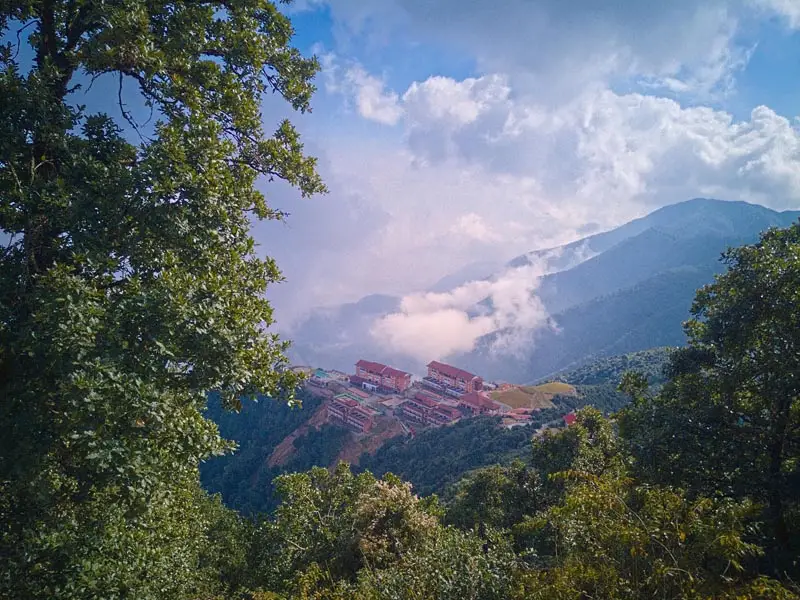
Kathmandu sits within a broad Himalayan valley shaped by terraced hillsides, river corridors, and historic settlements organized around palace squares and temple precincts. The city’s core reflects a long architectural lineage: brick-and-timber façades, tiered pagoda temples, and interconnected courtyards form a dense historic pattern that has guided its urban layout for centuries. Stupas, shrines, and traditional rooflines establish a consistent visual character, framed by the surrounding valley rim that defines the city’s scale and orientation.
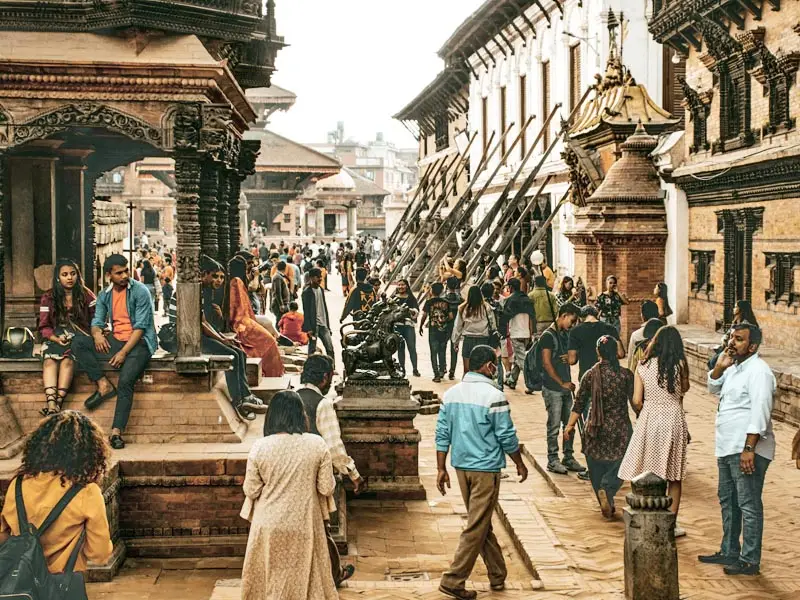
Cultural heritage remains closely tied to the built environment. Palace complexes, monastic sites, and long-standing neighborhood clusters retain spatial arrangements developed across dynastic eras, while characteristic Newar craftsmanship appears in carved windows, stonework, and ceremonial structures. These elements create a cohesive urban landscape where architectural continuity, religious significance, and layered history remain central to Kathmandu’s identity, giving the city a clear sense of place shaped by form, tradition, and enduring cultural lineage.
What to See in Kathmandu
Kathmandu Durbar Square Complex — Explore palace courtyards, tiered temples, and carved façades that illustrate the depth of Newar royal architecture at the city’s historic core.
Swayambhunath Hilltop Stupa — View a landmark Buddhist complex where a white dome, gilded spire, and hillside setting define one of the valley’s most iconic silhouettes.
Boudhanath Stupa Circuit — Walk the circular path surrounding this monumental stupa, framed by monasteries, prayer wheels, and a distinct blend of Himalayan Buddhist design.
Pashupatinath Temple Grounds — Observe a major Hindu temple complex along the Bagmati River, where shrines, sacred courtyards, and ancient stonework reflect centuries of ritual use.
Patan Durbar Square Heritage Zone — See refined metalwork, brick craftsmanship, and preserved palace structures that showcase the artistic legacy of the neighboring Newar city.
Bhaktapur Durbar Square Preservation Area — Wander through a medieval urban landscape of pagoda temples, pottery squares, and restored brick architecture that retains its traditional character.
Things to Do in Kathmandu
Walk the Kora at Boudhanath — Join the circular movement around the stupa, observing monastic rhythms and architectural detail from a gradual, meditative pace.
Guided Old City Architecture Walk — Trace the city’s heritage through hidden courtyards, temple complexes, and traditional urban patterns explained with expert context.
Visit Patan’s Artisan Workshops — Step into studios where metalworkers, woodcarvers, and painters continue longstanding Newar craft traditions.
Attend a Monastic or Temple Ceremony — Experience structured Himalayan Buddhist or Hindu rituals in settings shaped by centuries of cultural continuity.
Hike to Valley Rim Viewpoints — Follow accessible trails toward Shivapuri or other ridge paths that reveal broad views of the valley’s settlements and surrounding hills.
Join a Nepali Cooking or Tea Workshop — Learn foundational techniques and regional flavors in a hands-on culinary experience guided by local experts.
Why Visit Kathmandu
Kathmandu stands apart for the density and diversity of its sacred architecture. Nowhere else in Nepal brings together such an array of pagoda temples, stupas, monastic structures, and palace complexes—all shaped by centuries of Newar artistry. The city’s unique blend of Hindu and Buddhist influences is expressed through its spatial arrangements, ritual sites, and distinctive craftsmanship, giving the valley an architectural identity found nowhere else in the region.
Equally distinct is the city’s preservation of traditional urban patterns. Courtyard-based neighborhoods, carved wooden windows, and brick façades remain integral to its streetscapes, demonstrating continuity that has survived political shifts, rebuilding efforts, and modernization. This cultural and architectural cohesion offers travelers a rare opportunity to experience a historic Asian capital whose core identity remains both visible and intact.
What's Unique About Kathmandu
Kathmandu stands apart for the density and diversity of its sacred architecture. Nowhere else in Nepal brings together such an array of pagoda temples, stupas, monastic structures, and palace complexes—all shaped by centuries of Newar artistry. The city’s unique blend of Hindu and Buddhist influences is expressed through its spatial arrangements, ritual sites, and distinctive craftsmanship, giving the valley an architectural identity found nowhere else in the region.
Equally distinct is the city’s preservation of traditional urban patterns. Courtyard-based neighborhoods, carved wooden windows, and brick façades remain integral to its streetscapes, demonstrating continuity that has survived political shifts, rebuilding efforts, and modernization. This cultural and architectural cohesion offers travelers a rare opportunity to experience a historic Asian capital whose core identity remains both visible and intact.
Best time to visit: Autumn (October–November) and spring (March–May) provide the most comfortable climate and best visibility for cultural and scenic exploration.
Weather and Seasons in Kathmandu
Spring (March–May)
Clear mornings, moderate temperatures, and blooming valley landscapes make this one of Kathmandu’s most pleasant seasons. Visibility is generally good for temple visits and excursions to nearby viewpoints.
Summer / Monsoon (June–September)
Warm, humid conditions prevail, with frequent rain showers and softer light across the valley. Temple visits remain feasible, though mountain views may be limited on cloudy days.
Autumn (October–November)
Crisp air, stable weather, and excellent visibility define the post-monsoon season. This is the most popular time to visit, offering ideal conditions for cultural touring and day trips.
Winter (December–February)
Cool, dry weather shapes the valley atmosphere, with colder mornings and evenings. Skies are often clear, creating favorable conditions for Himalayan views from nearby hill towns.
Kathmandu offers a journey grounded in heritage, architecture, and the enduring cultural identity of the Kathmandu Valley. Its palace squares, sacred complexes, and historic neighborhoods create a setting where centuries of craftsmanship remain visibly integrated into contemporary life. As part of a wider Nepal itinerary or a dedicated cultural stay, the capital provides clarity, depth, and a steady introduction to the region’s spiritual and architectural traditions.
When you’re ready to experience Kathmandu’s temples, palaces, and valley vistas with the ease of private guides and curated planning, we’ll help shape an itinerary that reflects your interests and preferred travel style.
ACCOMODATIONS IN KATHMANDU

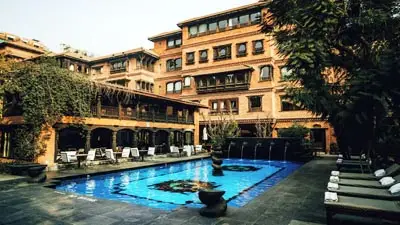
The Dwarika's
The property draws inspiration from Mewar’s royal heritage, blending traditional palace architecture with contemporary luxury. Hand-carved marble...
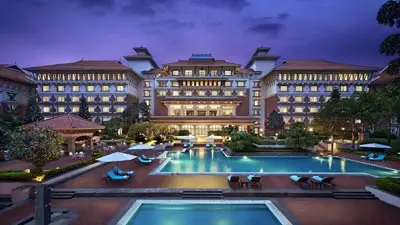
Hyatt Regency
Built in 1746 as a royal summer retreat, the palace showcases exquisite Mewar architecture expressed through carved archways, domed pavilions...
SUGGESTED ITINERARIES

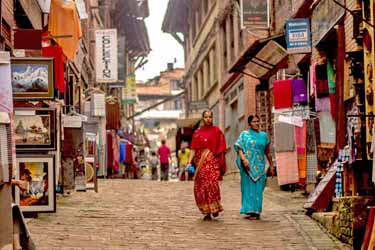
Signature India & Nepal
Delhi, Udaipur, Jodhpur, Jaipur, Agra, Kathmandu
A cross-border journey linking India’s royal cities and Mughal heritage with Kathmandu’s temple-filled valley and Himalayan cultural landscape.
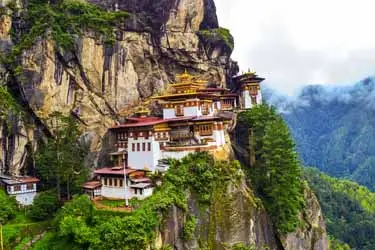
Priceless Bhutan
Thimpu, Punakha, Paro
A focused journey through Bhutan’s western valleys, exploring monasteries, fortress architecture, and living traditions shaped by Himalayan culture.
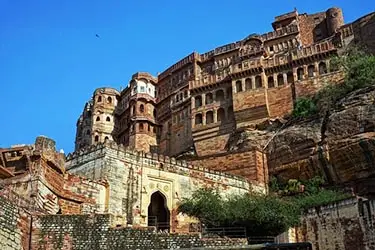
Mystical Gems of India
Mumbai, Aurangabad, Udaipur, Jaipur, Agra, Delhi
An architecture-focused journey through India’s most extraordinary sites, from Ajanta and Ellora’s rock-cut caves to Rajasthan’s palace cities and Mughal

Ready to embark on your adventure of a lifetime?
However you imagine Asia, our luxury travel specialists will bring it to life — flawlessly.