Pokhara Travel Guide
Discover your own version of
Pokhara
Highlights
- Phewa Lake Scenic Promenade — Walk along lakeside viewpoints that frame calm water against the Annapurna range’s dramatic contours.
- Peace Pagoda Hilltop Viewpoint — Reach a stupa complex positioned to overlook the lake, valley basin, and Himalayan skyline
- Sarangkot Sunrise Ridge — Experience a high vantage point known for unobstructed morning views of the Annapurna and Machhapuchhre peaks.
- Bindhyabasini Temple Grounds — Visit a hilltop temple complex reflecting traditional architectural patterns and long-standing cultural significance.
- Begnas Lake Basin — Explore a quieter lake setting surrounded by terraced hillsides and a balanced mix of rural and natural landscapes.
- Seti River Gorge Overlooks — Observe deep limestone formations that reveal the valley’s geologic structure in an accessible urban setting.
Pokhara – Himalayan Lakeside Landscape Framed by Annapurna Views
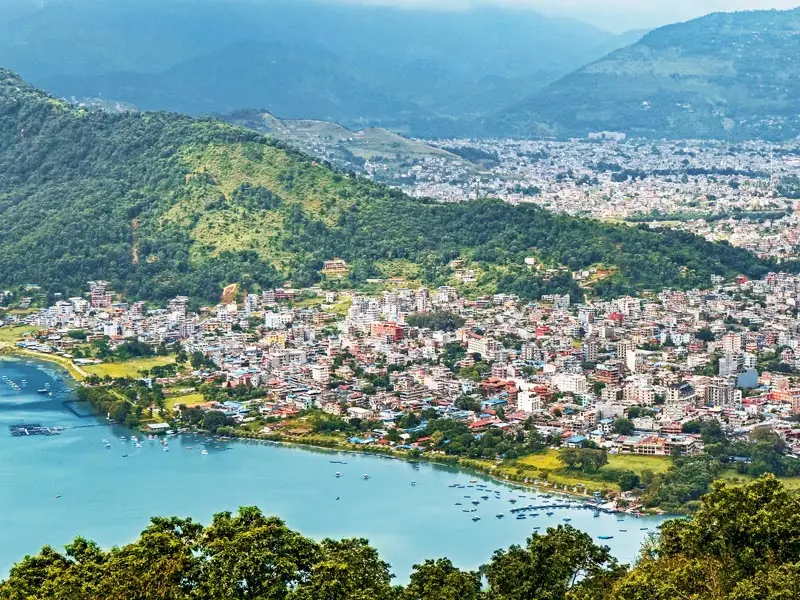
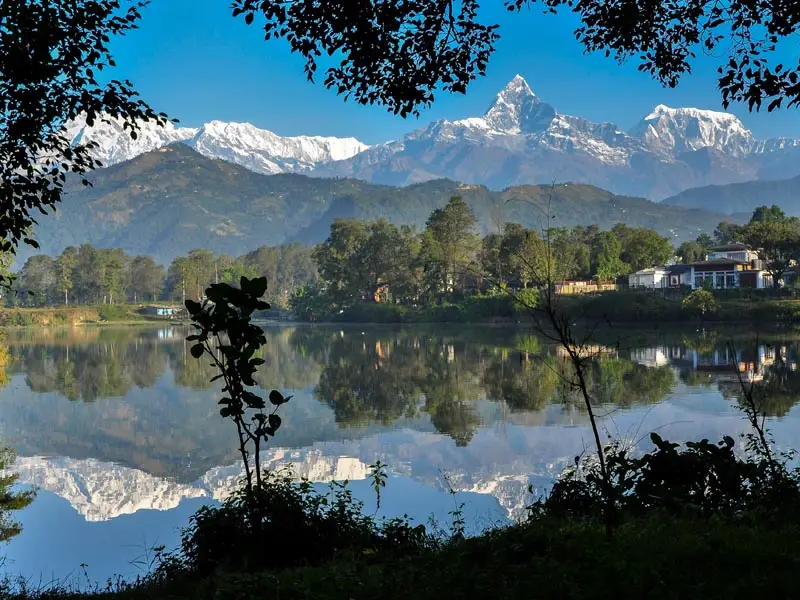
Pokhara is defined by a landscape of broad valley floors, terraced hillsides, and a chain of lakes that reflect the long geological shaping of the Himalayan foothills. With the Annapurna range rising beyond the valley, Pokhara gains a clear mountain backdrop that shapes the direction of its views and open spaces. Phewa Lake forms the center of this landscape, its broad surface establishing a calm focal point for shoreline paths, low-rise buildings, and gentle lakeside routes. Terraced hills, forested slopes, and smaller lakes extend outward from the basin, creating a terrain that feels continuous and visually tied to the surrounding foothills.
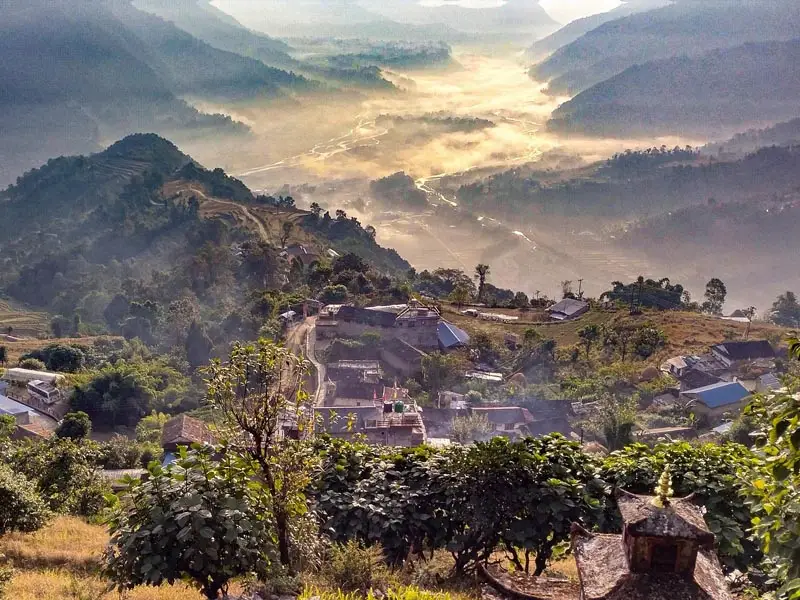
Regional traditions and architectural patterns add further definition to Pokhara’s character. Hilltop temples, stone-paved routes, and long-standing village layouts appear throughout the area, offering a sense of continuity between the older settlements and the more contemporary lakeside district. Small shrines, carved details, and terraced fields signal the cultural and agricultural practices that have shaped the region over generations. Seen together, these elements present Pokhara as a place where landscape, heritage, and measured development remain in balance—offering a steady, grounded experience shaped by both its mountain geography and its enduring local identity.
What to See in Pokhara
Phewa Lake Basin — Take in a broad lakescape bordered by forested hills and the Annapurna range, where open water, gentle shorelines, and well-placed viewing points give the city a calm, spacious center.
World Peace Pagoda Viewpoint — See a striking white stupa positioned along a ridge above the lake, its clean, symmetrical form paired with some of Pokhara’s most expansive views across the valley and mountain horizon.
Bindhyabasini Temple Complex — Visit one of Pokhara’s oldest religious sites, set on a raised platform with whitewashed shrines, traditional gateways, and an architectural layout that reflects long-standing hilltop temple design.
Davis Falls Geological Site — Observe the point where the Pardi Khola river drops into a deep limestone channel, creating a dramatic subterranean flow that highlights the region’s distinctive rock formations and hydrology.
Seti River Gorge — Look down into a narrow chasm carved directly through the city’s terrain, revealing layered sediment and sheer stone walls that show the natural forces shaping the valley.
Old Pokhara Quarter — Walk among low-rise Newari houses, carved windows, and compact courtyards that preserve the city’s early commercial and cultural patterns within a modest, historically coherent district.
Things to Do in Pokhara
Boat Across Phewa Lake — Cross the lake by traditional rowboat or canoe, moving toward Tal Barahi Temple or the wooded shoreline while watching mountain reflections shift across the water’s surface.
Hike to the World Peace Pagoda — Follow hillside paths that move through forested segments and terraced clearings, culminating at a panoramic ridge that provides structured views over the lake and city below.
Visit the International Mountain Museum — Explore exhibits that contextualize Himalayan geology, Sherpa mountaineering heritage, and regional cultural traditions through artifacts, scaled models, and curated installations.
Stroll the Lakeside Promenade — Spend time along the waterfront district where cafés, small boutiques, and open terraces are oriented toward Phewa Lake, creating a relaxed pedestrian environment shaped around the views.
Ride the Sarangkot Cable Car — Ascend directly from the valley floor to a ridgeline lookout, where open platforms and short walking paths offer clear perspectives of the Annapurna and Machhapuchhre peaks.
Take a Guided Nature Walk in the Foothills — Move through terraced farmland, mixed forest, and small rural clusters, gaining insight into the area’s natural vegetation, traditional land use, and hillside settlement patterns.
Why Visit Pokhara
Pokhara appeals to travelers seeking a setting where comfort and scenic clarity come together with ease. Its lakefront accommodations, approachable walking paths, and proximity to panoramic viewpoints create a restful environment that balances natural beauty with accessible exploration. The city also serves as an excellent base for travelers who prefer gentle outdoor activities without committing to long expeditions.
The surrounding valley expands these possibilities with opportunities for short hikes, peaceful boat rides, and curated excursions that reveal views of the Annapurna and Machhapuchhre peaks. Thoughtfully designed lodges, cafés, and wellness-focused retreats add comfort without overpowering the landscape. For those looking to experience Nepal’s natural side in a calm, structured, and visually striking environment, Pokhara offers an ideal blend of scenery and ease.
What's Unique About Pokhara
Pokhara stands apart for the directness of its Himalayan panorama—rare among accessible urban centers in Nepal. The alignment of the city with the Annapurna range and the distinctive profile of Machhapuchhre creates a visual relationship that remains consistent across its lakes, ridgelines, and open spaces. This integration of mountain scale and urban accessibility is one of the region’s defining characteristics.
Equally distinctive is the interplay between water and terrain. Phewa Lake, Begnas Lake, and Rupa Lake each demonstrate how the valley’s glacial history shapes both settlement and recreation. The city’s vantage points, such as the Peace Pagoda and Sarangkot ridge, highlight this geographic layering, reinforcing Pokhara’s position as one of Nepal’s most coherent examples of natural form meeting gradual, low-rise urban development.
Best time to visit: Autumn (October–November) provides the most reliable mountain clarity, while spring (March–May) offers comfortable temperatures and scenic landscapes.
Weather and Seasons in Pokhara
Spring (March–May)
Mild temperatures and relatively clear skies shape a favorable season for panoramic views and short hikes. Rhododendron blooms add color to the surrounding foothills.
Summer / Monsoon (June–September)
Warm, humid conditions with frequent rain soften visibility and create lush greenery across the valley. Mountain views may be intermittent.
Autumn (October–November)
Stable weather and crisp air offer the clearest Himalayan visibility of the year, making this the peak season for scenic travel and outdoor excursions.
Winter (December–February)
Cool, dry conditions prevail, with clear skies on many days and colder mornings near the lake. The season remains suitable for sightseeing and relaxed touring.
Pokhara offers a composed and scenic perspective on Nepal’s Himalayan landscapes, shaped by the relationship between its lakes, foothills, and the Annapurna range. Its accessible viewpoints, measured urban scale, and refined accommodations create a destination where natural form and quiet exploration remain central. Whether part of a broader Nepal itinerary or a dedicated retreat, Pokhara provides a balanced and visually coherent setting for travelers seeking clarity, comfort, and steady immersion in the region’s mountain geography.
When you’re ready to experience Pokhara with curated guidance, private drivers, and tailored planning, we’ll help design an itinerary that reflects your preferred pace and interests.
ACCOMODATIONS IN POKHARA

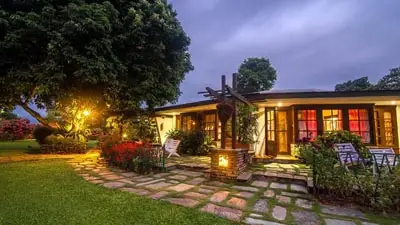
Dorje’s Resort & Spa
The property draws inspiration from Mewar’s royal heritage, blending traditional palace architecture with contemporary luxury. Hand-carved marble...
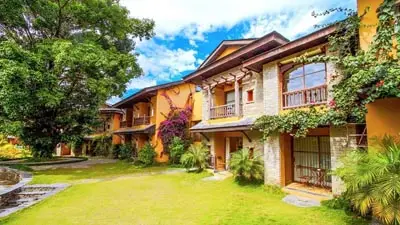
Fish Tail Lodge
Built in 1746 as a royal summer retreat, the palace showcases exquisite Mewar architecture expressed through carved archways, domed pavilions...
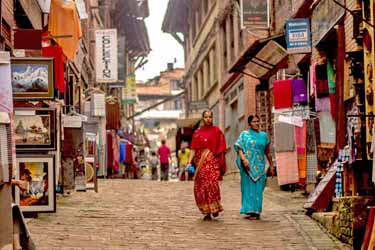
Temple Tree Resort
Built in 1746 as a royal summer retreat, the palace showcases exquisite Mewar architecture expressed through carved archways, domed pavilions...
SUGGESTED ITINERARIES

Signature India & Nepal
Delhi, Udaipur, Jodhpur, Jaipur, Agra, Kathmandu
A cross-border journey linking India’s royal cities and Mughal heritage with Kathmandu’s temple-filled valley and Himalayan cultural landscape.
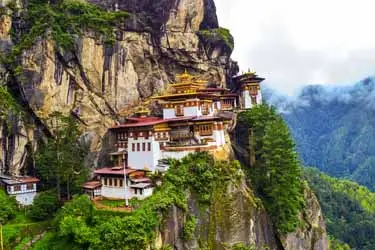
Priceless Bhutan
Thimpu, Punakha, Paro
A focused journey through Bhutan’s western valleys, exploring monasteries, fortress architecture, and living traditions shaped by Himalayan culture.
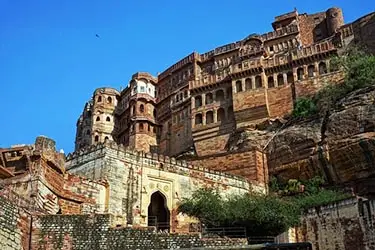
Mystical Gems of India
Mumbai, Aurangabad, Udaipur, Jaipur, Agra, Delhi
An architecture-focused journey through India’s most extraordinary sites, from Ajanta and Ellora’s rock-cut caves to Rajasthan’s palace cities and Mughal

Ready to embark on your adventure of a lifetime?
However you imagine Asia, our luxury travel specialists will bring it to life — flawlessly.