Nepal Travel Guides
Practical Tips and Insights for Traveling in Nepal
Nepal Travel Guides
Everything You Need to Know Before You Go
At Explorient, we believe every remarkable journey begins with understanding — especially when preparing for a destination as culturally rich and geographically diverse as Nepal. Our Nepal Travel Essentials guide brings together the practical information travelers search for most, including passport and visa requirements, health and safety considerations, communication tips, and what to expect across Nepal’s main regions such as Kathmandu, Pokhara, Chitwan, and Dhulikhel.
Thoughtfully crafted to make planning smooth and intuitive, this guide offers clear, experience-driven advice and straightforward answers to commonly asked questions about transportation, climate, packing, and on-arrival logistics. Whether exploring historic cities, wildlife regions, or Himalayan foothills, these essentials ensure you’re equipped with the confidence and clarity needed to travel comfortably through Nepal’s landscapes, cultural traditions, and diverse environments.
PRACTICAL TIPS
- Passport & Visa
- Holidays
- Airport Taxes
- Baggage
- Climate & Clothing
- Communications
- Currency
- Customs & Etiquette
- Customs Regulations
- Electricity
- Food & Water
- Health Matters
- Tipping
- Transportation
- What to Pack
Passports & Visas: Your Smooth Entry to Nepal
From the Kathmandu Valley’s historic squares to Pokhara’s lakefront panoramas and the lowland forests of Chitwan, Nepal offers an extraordinary range of landscapes and cultural experiences. Preparing your passport and visa arrangements ahead of time helps ensure a smooth arrival—allowing you to begin your journey focused on the country’s heritage, scenery, and warm sense of welcome.
Passport Validity
- Your passport must be valid for at least six months beyond your arrival date in Nepal.
- Ensure your passport contains at least one blank page for visa and entry stamps.
- Airlines and immigration officials may deny boarding or entry if requirements are not met, so review your documentation before departure.
Visa on Arrival (VOA)
- Most international travelers—including citizens of the United States, Canada, Europe, Australia, and many Asian nations—are eligible for a Visa on Arrival at Tribhuvan International Airport and designated land borders.
- VOA options typically include 15-day, 30-day, and 90-day visas, each available for a fee payable in major foreign currencies.
- Travelers must complete an arrival form and provide a passport-sized photo (though photo booths are often available at the airport).
Online Visa Application (Recommended)
- You may submit Nepal’s online visa application up to 15 days before arrival to streamline processing at the airport.
- Bring the printed submission receipt with the barcode to the VOA counter for faster service.
- This option is especially useful during peak travel seasons when arrival queues may be longer.
Pre-Arranged Visas
- Those who prefer to secure documentation in advance may apply for a tourist visa at a Nepalese Embassy or Consulate prior to travel.
- Visa validity and permitted stay lengths may vary depending on nationality and embassy regulations.
- Fees are generally similar to those paid on arrival.
Entry for Indian Citizens
- Indian nationals may enter Nepal without a visa when presenting a valid passport, voter ID, or other government-approved identification.
- Additional travel documents may be required for minors; confirm requirements prior to departure.
Proof of Onward Travel & Accommodation
- Immigration may request proof of onward travel within your visa’s permitted duration.
- Having your first night’s accommodation details readily available is recommended and may be required at check-in or entry.
Where to Double-Check
- Department of Immigration, Government of Nepal (official website)
- Your nearest Nepalese Embassy or Consulate
- Your government’s current travel advisory website
- Your Explorient travel specialist for the most up-to-date requirements
With your documentation prepared ahead of time, entering Nepal is typically straightforward and flexible—your smooth first step into a country defined by mountain vistas, historic cities, and rich cultural traditions.
Holidays in Nepal: Travel with Awareness and Ease
Nepal’s holiday calendar is shaped by its diversity of cultures, faiths, and regional traditions. Throughout the year, the country observes Hindu, Buddhist, and national celebrations—each influencing local rhythms, business hours, and travel patterns in distinct ways. With a bit of awareness, these holidays can add meaningful context to your journey while helping you plan comfortably around peak periods.
National Public Holidays
- Nepal observes numerous national holidays, including Constitution Day, Dashain, Tihar, Nepali New Year, and major religious festivals.
- During key holidays—especially Dashain and Tihar—travel across the country becomes busier as families return to their hometowns.
- Government offices, banks, and some businesses may close or reduce hours on these days.
Major Religious & Cultural Celebrations
- Dashain: Nepal’s largest festival, marked by family gatherings, temple visits, and a nationwide holiday period when many services operate on reduced schedules.
- Tihar: A five-day festival honoring crows, dogs, cows, and the goddess of prosperity, celebrated with lights, offerings, and cultural performances.
- Buddha Jayanti: A major Buddhist observance commemorated at Lumbini, Swayambhunath, and Boudhanath with prayers and ceremonial rituals.
- Holi: A lively celebration of color marking the arrival of spring; some areas experience temporary street closures or altered transportation schedules.
Travel Tips During Holidays
- Book domestic flights and accommodations early if visiting during Dashain, Tihar, or Nepali New Year, as availability can tighten quickly.
- Expect heavier traffic on major roads before and after major holidays.
- Some museums, heritage sites, and shops may adjust operating hours; your guide will assist with planning around closures.
Helpful Resources
- Government of Nepal holiday calendar
- Local tourism board announcements for regional observances
- Your Explorient travel specialist for up-to-date holiday guidance and smooth itinerary planning
Traveling with an understanding of Nepal’s holiday rhythms helps you move comfortably through the country—whether you’d like to avoid peak periods or experience these rich cultural traditions firsthand.
Airport Taxes in Nepal: What Travelers Should Know
Nepal’s airports apply a structured system of taxes and service charges on both domestic and international departures. These fees help support airport maintenance, infrastructure, and safety services throughout the country. Understanding how these charges are collected ensures a smooth, predictable departure experience.
International Departure Taxes
- International airport taxes are typically included in the cost of your airline ticket when departing from Tribhuvan International Airport (Kathmandu).
- Most major carriers factor these fees into the final fare, so no additional payment is required at the airport.
- Airlines may list these charges separately under “airport taxes,” “service fees,” or “fuel and infrastructure charges.”
Domestic Airport Service Charges
- For internal flights—such as those to Pokhara, Bharatpur (Chitwan), or Lukla—domestic airport service fees are usually included in the ticket price.
- At some smaller regional airports, travelers may occasionally be asked to pay a modest service fee at departure counters.
- These charges are standardized and typically posted near check-in areas for transparency.
Additional Considerations
- As policies can change, it’s helpful to review ticket details or consult your Explorient travel specialist before departure.
- Cash payments, when required at smaller airports, are usually collected in Nepalese Rupees, so having small denominations can be useful.
- Airport improvement or infrastructure fees vary by airport category; however, Kathmandu remains the primary point of international entry and exit.
With most airport taxes already built into your fare, departures in Nepal are generally straightforward—allowing you to transition smoothly from one region to the next as you explore the country’s mountains, cultural centers, and national parks.
Baggage Guidelines for Travel in Nepal
Traveling through Nepal often involves a mix of international flights, domestic routes, and occasionally smaller regional aircraft. Understanding baggage allowances and practical considerations helps ensure smooth connections between Kathmandu, Pokhara, Chitwan, and other destinations.
International Flight Allowances
- Baggage allowances vary by airline and fare class, but most international carriers offer at least one checked bag plus a carry-on.
- Weight limits and size restrictions differ by route; review your airline’s policy before packing.
- Oversized or overweight bags may incur additional fees at check-in.
Domestic Flight Restrictions
- Domestic airlines in Nepal typically have more limited allowances, often 15–20 kg (33–44 lbs) for checked luggage and 5 kg (11 lbs) for carry-ons.
- Smaller aircraft—especially on routes to Bharatpur (Chitwan), Pokhara, or mountain regions—impose strict weight limits due to aircraft capacity.
- Excess baggage fees are common and must usually be paid in Nepalese Rupees at the airport.
Soft Bags vs. Hard Cases
- Soft-sided duffels are generally easier to handle on domestic flights and in vehicles, particularly when traveling to lodges or rural regions.
- Hard shell cases provide added protection but may be less flexible to load on smaller planes and jeeps.
Security & Handling
- Kathmandu’s international and domestic terminals follow standard security protocols; allow extra time during peak trekking seasons.
- Keep valuables, electronics, medications, and important documents in your carry-on rather than checked baggage.
- Bag tags and luggage locks are recommended for added security, especially when transiting through busy airports.
Storage Options
- Many hotels in Kathmandu offer secure luggage storage, helpful if your itinerary includes Chitwan, Pokhara, or short domestic flights with limited space.
- Storing non-essential items simplifies travel between cities and reduces excess baggage fees on domestic routes.
With a clear understanding of baggage policies across Nepal’s flight network, your journey between cultural hubs, national parks, and mountain landscapes remains smooth, efficient, and worry-free.
Climate & Clothing: Preparing for Nepal’s Varied Environments
Nepal’s climate shifts dramatically between the lowland jungles, temperate valleys, and high mountain regions. Packing with these variations in mind helps ensure comfort whether you’re exploring Kathmandu’s heritage sites, cruising through Chitwan’s subtropical forests, or enjoying the lakeside air in Pokhara.Seasonal Overview
- Autumn (Oct–Nov): Clear skies and moderate temperatures make this the most popular travel season. Days are warm in the valleys, while evenings can be cool.
- Winter (Dec–Feb): Kathmandu and Pokhara experience crisp mornings and chilly nights. Higher-altitude areas near viewpoints or hill stations can be significantly colder.
- Spring (Mar–Apr): Mild weather across most regions, with blooming rhododendrons and comfortable daytime warmth.
- Summer/Monsoon (May–Sep): Expect warm, humid conditions with periodic rains—lush landscapes in Pokhara and Chitwan, and wetter afternoons in Kathmandu.
What to Wear in Each Region
- Kathmandu Valley: Lightweight layers work well year-round, with a sweater or light jacket for evenings in winter.
- Pokhara: Warm days and cooler nights call for breathable fabrics plus one or two warm layers, especially near viewpoints or early morning excursions.
- Chitwan: Hot, humid weather dominates most of the year. Neutral-toned, lightweight clothing is ideal for wildlife activities.
- Dhulikhel & Hill Areas: Temperatures drop more quickly, so pack extra layers, a fleece, and a windproof outer shell.
Recommended Clothing
- Breathable, moisture-wicking tops for daytime exploration.
- Layering pieces such as a light sweater, fleece, or soft-shell jacket.
- Comfortable walking shoes suitable for uneven terrain and paved streets.
- A waterproof jacket or compact rain shell during the monsoon season.
- Sun protection essentials: hat, sunglasses, and sunscreen.
- Modest attire (covered shoulders and knees) when visiting temples and religious sites.
Special Considerations
- Even in warm seasons, mornings and evenings can be surprisingly cool—especially near lakesides or in elevated areas.
- Chitwan’s wildlife zones favor neutral colors to avoid attracting insects or disturbing animals.
- Comfortable layers are preferable to heavy clothing, as temperatures can shift quickly throughout the day.
Communication in Nepal: Staying Connected While Traveling
Nepal offers reliable communication options in major cities and popular travel regions, making it easy to stay in touch while exploring the country. With a bit of preparation, travelers can manage calls, messaging, and internet access smoothly throughout their journey.
Mobile Networks & SIM Cards
- Local SIM cards are widely available at Tribhuvan International Airport and in city centers such as Kathmandu and Pokhara.
- Nepal Telecom and Ncell are the two main providers, offering good coverage in urban areas, tourist regions, and along major travel routes.
- A passport and a passport-sized photo are typically required to purchase a SIM card.
Internet & Wi-Fi Access
- Hotels, lodges, and cafés in Kathmandu, Pokhara, and Chitwan generally offer Wi-Fi, though speeds may vary.
- Internet connections can be slower or less consistent in rural areas and during peak usage times.
- Streaming and large downloads may be limited outside major cities.
International Calling & Messaging
- International calling is affordable using local SIM plans or internet-based apps.
- Messaging platforms such as WhatsApp, Viber, and email are commonly used and reliable where internet access is available.
- International roaming is possible but often expensive; local SIM cards are the most cost-effective option.
Power & Connectivity Considerations
- Power outages are less common than in the past but may still occur, especially during the monsoon season.
- Carrying a portable power bank is recommended for charging phones during long excursions or travel days.
With local SIM access and widespread Wi-Fi in key destinations, staying connected in Nepal is generally straightforward—allowing you to communicate comfortably while traveling between cities, valleys, and scenic regions.
Currency in Nepal: What Travelers Should Know
Nepal uses a straightforward cash-based system alongside limited digital payment options. Understanding how currency works and where to exchange or withdraw money helps ensure smooth daily transactions throughout your trip.
Official Currency
- The official currency of Nepal is the Nepalese Rupee (NPR).
- Banknotes are commonly issued in denominations of NPR 5, 10, 20, 50, 100, 500, and 1,000.
- Coins are used for small amounts but are less common in everyday transactions.
Cash vs. Cards
- Cash remains the most widely accepted form of payment, especially outside major hotels and upscale restaurants.
- Credit and debit cards are accepted at many hotels, restaurants, and shops in Kathmandu and Pokhara.
- In smaller towns, rural areas, and local markets, cash is essential.
ATMs & Withdrawals
- ATMs are readily available in Kathmandu, Pokhara, and other major towns.
- Withdrawal limits are typically lower than in many countries, and multiple transactions may be needed.
- ATM fees may apply, both locally and from your home bank.
Currency Exchange
- Money exchange counters operate at Tribhuvan International Airport, major hotels, and authorized exchange offices in city centers.
- US dollars, euros, and British pounds are the easiest foreign currencies to exchange.
- Exchange receipts may be required if converting rupees back into foreign currency upon departure.
Practical Tips
- Carry small denominations for taxis, tips, and local purchases.
- Notify your bank before travel to avoid card issues.
- Mobile payment apps exist but are not widely used by international travelers.
With reasonable access to ATMs and exchange services in key destinations, managing money in Nepal is generally simple—especially when carrying a mix of cash and cards suited to both cities and quieter regions.
Customs & Etiquette in Nepal: Traveling with Respect
Nepal’s customs and etiquette are shaped by a blend of Hindu and Buddhist traditions, with an emphasis on respect, modesty, and courtesy. Being mindful of local norms helps create positive interactions and ensures a comfortable experience as you move through cities, villages, and sacred sites.
Greetings & Social Etiquette
- A traditional greeting of “Namaste,” with palms pressed together, is widely appreciated and appropriate in most situations.
- Handshakes are common in urban settings, though a light, polite approach is preferred.
- Public displays of affection are generally discouraged, especially in rural areas and religious spaces.
Temple & Sacred Site Etiquette
- Remove shoes before entering temples, monasteries, and private homes.
- Dress modestly, covering shoulders and knees when visiting religious sites.
- Always walk clockwise around stupas and prayer wheels unless otherwise indicated.
- Photography may be restricted in certain temples; follow posted signs or ask for permission.
Respectful Behavior
- The head is considered sacred; avoid touching anyone’s head, including children.
- Feet are viewed as unclean—do not point them toward people, religious objects, or images.
- Use your right hand when giving or receiving items, including money or offerings.
Dress & Public Conduct
- Casual attire is acceptable in tourist areas, but modest clothing is appreciated throughout the country.
- When visiting rural communities, more conservative dress helps demonstrate respect for local customs.
- Quiet, polite behavior is valued, particularly in religious and residential settings.
Photography & Interaction
- Ask permission before photographing people, especially monks, religious ceremonies, or village residents.
- Some sacred rituals and cremation areas may prohibit photography altogether.
By observing Nepal’s customs with awareness and sensitivity, travelers are welcomed warmly and experience the country’s cultural traditions in a respectful and meaningful way.
Customs Regulations in Nepal: What You Can Bring
Nepal’s customs regulations are designed to protect cultural heritage, public safety, and the environment. Knowing what is permitted—and what requires declaration—helps ensure a smooth entry and departure process at airports and land borders.
Duty-Free Allowances
- Travelers may bring personal effects and reasonable quantities of clothing for personal use duty-free.
- Limited amounts of alcohol and tobacco are permitted within standard duty-free allowances.
- Gifts and non-commercial items may be allowed duty-free up to a modest value; excess quantities may be subject to customs charges.
Restricted & Prohibited Items
- Firearms, ammunition, and explosives are strictly prohibited without prior government authorization.
- Narcotics and illegal substances are prohibited and carry severe penalties.
- Drones require advance permission from Nepalese authorities and must be declared on arrival.
- Antiquities, religious artifacts, and items of historical significance may not be exported without official clearance.
Currency Regulations
- Foreign currency amounts above government-set limits must be declared on arrival.
- The export of Nepalese Rupees is restricted; carrying large sums out of the country is not permitted.
- Keep exchange receipts if you plan to convert unused rupees before departure.
Electronics & Personal Equipment
- Personal electronics such as cameras, laptops, and phones are allowed for personal use.
- Professional filming equipment may require special permits and customs documentation.
- Multiple high-value electronic items may be questioned to ensure non-commercial use.
Food, Plants & Animal Products
- Fresh food, plants, seeds, and animal products may be restricted to prevent the spread of pests and disease.
- Packaged and commercially sealed food items are generally permitted in small quantities.
Helpful Guidance
- Declare any items you are unsure about to customs officials upon arrival.
- Regulations can change, so checking official guidance before departure is recommended.
- Your Explorient travel specialist can assist with questions related to permits or special items.
Following Nepal’s customs regulations ensures a straightforward arrival and departure—allowing you to focus on your journey rather than administrative delays.
Electricity in Nepal: Power, Plugs & Practical Tips
Electricity in Nepal is generally reliable in major cities and popular travel regions, though some variability can occur depending on location and season. Knowing what to expect helps keep your devices charged and your travel days running smoothly.
Power Supply & Voltage
- Nepal operates on a 230V supply with a frequency of 50Hz.
- This is compatible with most devices from Europe, Asia, Australia, and many modern dual-voltage electronics from North America.
- Always check your device’s voltage rating before plugging it in.
Plug & Socket Types
- Nepal commonly uses Type C, Type D, and Type M plug sockets.
- Type C (two round pins) is widely accepted, while Type D and M are more common in older buildings.
- A universal travel adapter is strongly recommended.
Power Reliability
- Scheduled power cuts (load shedding) are far less common than in the past but may still occur, particularly during the monsoon season.
- Hotels and lodges catering to travelers typically have backup generators or battery systems.
- Power interruptions, when they occur, are usually brief.
Charging Tips
- Carry a portable power bank for charging phones and cameras during long sightseeing days or travel between destinations.
- Charging multiple devices overnight is recommended when staying in more remote areas.
- Voltage fluctuations can happen occasionally, so surge-protected adapters are useful for sensitive electronics.
With the right adapter and a little preparation, staying powered in Nepal is straightforward—allowing you to keep devices charged while traveling between cities, valleys, and scenic regions.
Food & Water in Nepal: Eating Well and Staying Hydrated
Nepal offers a wide range of dining experiences, from traditional local cuisine to international menus in major travel hubs. With a few simple precautions, enjoying food and staying hydrated throughout your journey is generally easy and comfortable.
Local Cuisine
- Nepali food is typically mild to moderately spiced, with staples such as dal bhat (lentils and rice), vegetable curries, momos (dumplings), and flatbreads.
- Meals are often prepared fresh and served warm, which helps ensure food safety.
- Vegetarian options are widely available and well integrated into local cooking traditions.
Dining Standards
- Hotels and reputable restaurants in Kathmandu, Pokhara, and Chitwan maintain good hygiene standards and cater regularly to international travelers.
- When dining outside major hotels, choosing busy, well-reviewed establishments is a reliable approach.
- Street food is popular but may not suit all travelers; discretion is advised if you choose to sample it.
Drinking Water
- Tap water in Nepal is not safe for drinking.
- Use bottled, filtered, or treated water for drinking and brushing teeth.
- Most hotels provide complimentary bottled water or refill stations with filtered water.
Ice, Produce & Beverages
- Avoid ice in drinks unless you are certain it has been made from purified water.
- Wash fruits thoroughly or choose fruits that can be peeled.
- Hot beverages such as tea and coffee are generally safe, as water is boiled during preparation.
Practical Tips
- Carry hand sanitizer or wipes for use before meals.
- Staying well hydrated is important, especially at higher elevations.
- Your guide can recommend suitable dining options throughout your itinerary.
With mindful choices and reputable dining venues, enjoying Nepal’s food culture is both rewarding and safe—adding comfort and flavor to your travel experience.
Health Matters in Nepal: Traveling with Confidence
Nepal is a welcoming and accessible destination for travelers, with generally good healthcare facilities in major cities and tourist regions. A bit of preparation and awareness helps ensure comfort and peace of mind throughout your journey.
Medical Facilities
- Kathmandu and Pokhara have reputable private hospitals and clinics that are well accustomed to treating international travelers.
- Medical facilities in rural or remote areas are more limited, so access may require travel back to major towns.
- Your guide can assist with locating medical care if needed during your trip.
Altitude Considerations
- Most cultural itineraries in Nepal, including Kathmandu, Pokhara, Chitwan, and Dhulikhel, remain at moderate elevations.
- Mild altitude-related symptoms are uncommon at these levels but staying hydrated and pacing activities is recommended.
- If your itinerary includes higher-altitude viewpoints or extensions, gradual acclimatization is important.
Vaccinations & Preventive Care
- No vaccinations are required for entry into Nepal, but routine immunizations should be up to date.
- Some travelers may choose additional vaccinations based on personal health history or travel plans.
- Consult your healthcare provider or travel clinic well before departure for personalized guidance.
Medications & Personal Care
- Bring an adequate supply of any prescription medications, along with copies of prescriptions.
- Carry a small personal first-aid kit with items such as pain relievers, digestive aids, and motion-sickness medication.
- Pharmacies are widely available in cities, but specific brands may not always be stocked.
General Wellness Tips
- Drink only bottled or filtered water and maintain good hand hygiene.
- Use sun protection, especially at higher elevations where UV exposure is stronger.
- Rest as needed during busy sightseeing days to avoid fatigue.
With thoughtful preparation and sensible precautions, staying healthy in Nepal is straightforward—allowing you to focus fully on the country’s landscapes, heritage, and memorable travel experiences.
Tipping in Nepal: Practical Guidance for Travelers
Tipping in Nepal is not mandatory, but it is appreciated in many service settings, particularly within the tourism and hospitality industry. A thoughtful, modest approach aligns well with local expectations and helps acknowledge good service without feeling excessive.
Guides & Drivers
- Tipping licensed guides and drivers is customary on private or multi-day tours.
- Amounts vary based on trip length and level of service, but tips are typically given at the end of the itinerary.
- Your Explorient travel specialist can offer guidance on appropriate ranges based on your specific journey.
Hotels & Lodges
- Tipping hotel staff is optional but appreciated for attentive service.
- Porters, housekeeping, and concierge staff may be tipped modestly in cash.
- Higher-end hotels sometimes include service charges, though additional tips for exceptional service are welcomed.
Restaurants & Cafés
- In restaurants, a small tip is customary if service is not already included.
- Rounding up the bill or leaving approximately 5–10% is common in tourist-oriented establishments.
- Local eateries and casual cafés do not generally expect tips.
Other Services
- Tipping is not expected for taxi rides, though rounding up the fare is a polite gesture.
- Small gratuities may be given to porters or helpers at airports or lodges if assistance is provided.
Practical Tips
- Tips are best given in Nepalese Rupees and handed directly to the recipient.
- Carry small denominations for convenience.
- Tipping should always feel voluntary and reflective of your experience.
Approached thoughtfully, tipping in Nepal is a simple way to acknowledge good service while remaining respectful of local customs and expectations.
Transportation in Nepal: Moving Comfortably Between Regions
Travel in Nepal is shaped by its varied terrain, from Himalayan foothills to river valleys and historic cities. With thoughtful planning and the right support, moving between destinations is generally smooth and well-managed—allowing you to focus on the landscapes and cultural experiences along the way.
Private Guide & Driver (Included)
- All Explorient journeys in Nepal include a private guide and driver, providing a comfortable and reliable way to travel between cities, heritage sites, and natural areas.
- Private vehicles allow for flexible pacing, scenic stops, and smooth navigation through both urban centers and rural regions.
- This approach minimizes logistical concerns and is the most practical option given Nepal’s road conditions and geography.
Domestic Flights
- Domestic flights are commonly used to cover longer distances efficiently, particularly between Kathmandu, Pokhara, and other regional hubs.
- Flights are generally short and scenic, offering views of mountains, rivers, and terraced landscapes.
- Weather conditions can occasionally affect schedules, so flexibility is built into most itineraries.
Local Transport for Independent Time
- On free days or short outings, taxis and ride-hailing services are readily available in cities such as Kathmandu and Pokhara.
- Cycle rickshaws may be used for brief, local travel in historic districts, offering a slower-paced way to explore.
- Your guide can assist with arranging reliable taxis for dinners, markets, or independent exploration.
Rail Travel
- Nepal’s railway network is very limited and not typically used for tourist travel.
- Most long-distance journeys are completed by road or air, which are more practical and time-efficient.
General Travel Notes
- Road travel times may vary due to terrain, traffic, or weather, particularly in hilly or rural areas.
- Travel is planned with comfort and realism in mind, balancing distance with time to enjoy each destination.
With private transportation arrangements and carefully planned connections, getting around Nepal is designed to feel steady and well-supported—allowing each journey to unfold with ease, comfort, and confidence.
What to Pack for Nepal: Practical Essentials for a Comfortable Journey
Nepal’s landscapes range from vibrant cities and subtropical lowlands to cool hill towns and mountain regions, making thoughtful packing key to a comfortable and adaptable trip. Focusing on versatile layers and practical essentials will help you move easily between destinations and changing conditions.
Clothing
- Lightweight, breathable clothing for daytime sightseeing in cities and lower elevations.
- Warmer layers such as a fleece or light jacket for cooler mornings, evenings, and higher-altitude areas like Pokhara or Dhulikhel.
- A waterproof or wind-resistant jacket, especially useful during the monsoon season or in mountain regions.
- Modest attire for temple visits and religious sites—long pants or skirts and tops that cover shoulders are recommended.
Footwear
- Comfortable walking shoes or trainers suitable for uneven pavements, temple steps, and cobbled streets.
- Optional hiking shoes if your itinerary includes nature walks or short treks.
- Sandals or slip-on shoes for casual use at hotels or during downtime.
Accessories & Gear
- A small daypack for daily outings, camera gear, and personal items.
- Sun protection including a hat, sunglasses, and sunscreen, particularly at higher altitudes where sunlight is stronger.
- A reusable water bottle—filtered or bottled water will be readily available.
Health & Personal Items
- Any prescription medications, along with copies of prescriptions.
- Basic personal toiletries; most standard items are available locally, but preferred brands may be limited.
- Hand sanitizer and a small first-aid kit for convenience while traveling.
Documents & Travel Essentials
- Your passport, visa documentation, and travel insurance details.
- Printed or digital copies of your itinerary and hotel confirmations.
- A universal travel adapter suitable for Nepal’s electrical outlets.
Packing with flexibility and comfort in mind ensures you’re well-prepared for Nepal’s varied environments—allowing you to enjoy its cities, landscapes, and cultural sites with ease and confidence throughout your journey.
Travel Protection Plan
At Explorient, we believe your travel experience should be as carefree and enriching as possible. That’s why we’ve partnered with Allianz Travel Insurance — one of the most trusted names in travel protection — to help safeguard your trip from the unexpected.
WHAT OUR TRAVELERS FREQUENTLY ASK US
Nepal is generally considered a safe and welcoming destination. Violent crime against visitors is rare, and locals are known for their hospitality. As with any destination, basic awareness—especially in crowded areas is recommended.
Yes. Nepal is a popular destination for solo travelers, including women. Respectful dress, cultural awareness, and choosing reputable accommodations and guides contribute to a comfortable experience.
Some trekking regions require permits such as TIMS cards or conservation area permits. If your itinerary includes walking routes or national parks, these are typically arranged in advance as part of your travel planning.
Photography is widely welcomed, but certain religious sites, monasteries, and interior temple spaces may restrict it. Always look for signage and ask permission before photographing people or sacred areas.
Nepal operates on Nepal Standard Time (NST), which is UTC +5:45—a unique offset that may differ slightly from neighboring countries.
Nepali is the official language, but English is commonly spoken in hotels, restaurants, and tourist areas—especially in Kathmandu, Pokhara, and major cultural sites.
In addition to local cuisine, Nepal offers Indian, Tibetan, and international dining options. Cities like Kathmandu and Pokhara have a growing selection of cafés, bakeries, and global restaurants.
Bargaining is common in local markets and souvenir stalls, but not in shops with fixed pricing. A polite, lighthearted approach is customary and generally well received.
Handmade textiles, pashmina scarves, singing bowls, thangka paintings, tea, and locally crafted jewelry are among Nepal’s most meaningful souvenirs.
In national parks such as Chitwan, wildlife can include deer, crocodiles, birds, and—more rarely—rhinos or tigers. Encounters are managed safely through guided excursions.
While travel insurance isn’t required to enter Nepal, it is strongly recommended and widely considered essential for a smooth, worry-free journey. Nepal’s appeal lies in its dramatic landscapes, historic cities, and outdoor experiences—from mountain viewpoints and river valleys to national parks and walking routes—many of which are located far from major medical facilities. Having comprehensive coverage ensures that unexpected situations are handled efficiently, without disrupting your plans.
A well-rounded travel insurance policy typically includes coverage for:
• Trip cancellation or interruption
• Medical treatment and emergency care
• Emergency evacuation, including helicopter transport from remote areas
• Lost, delayed, or damaged baggage
• Travel delays or missed connections
• Adventure and outdoor activities such as hiking, nature walks, wildlife excursions, or rafting (when included in your policy)
While Kathmandu and Pokhara have reputable private hospitals and clinics, medical services become more limited outside major cities and in rural or mountainous regions. Evacuation costs in Nepal—particularly from highland areas—can be significant without insurance coverage.
Seasonal weather conditions, including monsoon rains or winter fog, can occasionally affect domestic flights and road travel. Travel insurance helps protect your schedule and expenses should plans need to adjust.
For added peace of mind, Explorient offers a trusted Travel Protection Plan designed to complement our itineraries across South Asia and the Himalayas.
With travel insurance in place, you’re free to explore Nepal’s temples, valleys, wildlife reserves, and mountain landscapes with confidence—knowing your journey is protected every step of the way.
Your comfort and peace of mind are our top priorities. If you need assistance at any point during your journey, you’ll have access to our dedicated local support team and 24/7 emergency assistance. Whether it’s a missed train, a sudden schedule change, or unforeseen world events —we’re just a call away and ALWAYS have your back!
For official travel guidance and helpful resources, contact:
Embassy of Nepal, Washington DC
Address: 2730 34th Place, NW, Washington, DC 20007
For inquiries: (202) 667-4550
For Consular and Passport Matters: (202) 774-7452
For NRN Card and Attestation: (202) 480-6858
For Tourist Visa, J1 Waiver, and Travel Documents: (202) 774-4608
Fax: +1 (202) 667 5534
Email: [email protected]
What our travelers said about us
SUGGESTED ITINERARIES
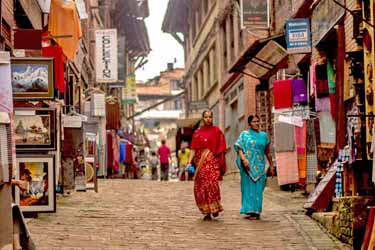
Signature India & Nepal
Delhi, Udaipur, Jodhpur, Jaipur, Agra, Kathmandu
A cross-border journey linking India’s royal cities and Mughal heritage with Kathmandu’s temple-filled valley and Himalayan cultural landscape.
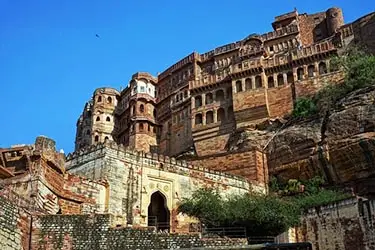
Mystical Gems of India
Mumbai, Aurangabad, Udaipur, Jaipur, Agra, Delhi
An architecture-focused journey through India’s most extraordinary sites, from Ajanta and Ellora’s rock-cut caves to Rajasthan’s palace cities and Mughal
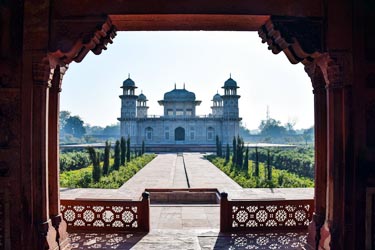
Spectacular India
Delhi, Varanasi, Agra, Ranthambhore, Jaipur, Mumbai
A broader India journey that pairs iconic cities and sacred river traditions with Ranthambore’s tiger landscapes for a more varied and expansive introduction.
Ready to embark on your adventure of a lifetime?
However you imagine Asia, our luxury travel specialists will bring it to life — flawlessly.