THAILAND TRAVEL GUIDES
Practical Tips and Insights for Traveling in Thailand
Thailand Travel Guides
Everything You Need to Know Before You Go
At Explorient, we believe a truly unforgettable journey begins long before take-off. Our Thailand Travel Guides equip you with the knowledge to travel smarter and experience more—covering practical tips, FAQs, cultural etiquette, transportation insights, travel protection plans, and essential contacts. Expertly curated and traveler-focused, these guides provide the clarity and confidence you need to explore Thailand with ease, turning preparation into the first step of your adventure.
Thailand's Destinations
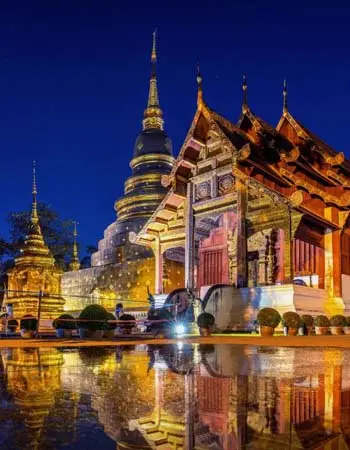
Northern - The Lanna highlands
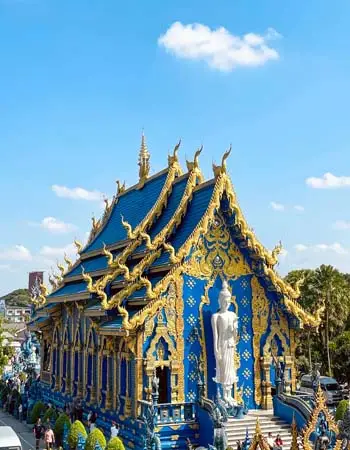

Central - the Bangkok gateway
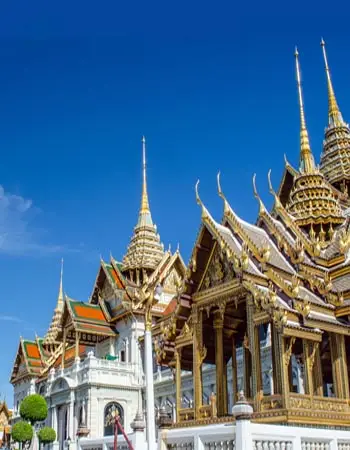

South - islands, beaches & rainforest





PRACTICAL TIPS
- Passport & Visa
- Holidays
- Airport Taxes
- Baggage
- Climate & Clothing
- Communications
- Currency
- Customs & Etiquette
- Customs Regulations
- Electricity
- Food & Water
- Health Matters
- Tipping
- Transportation
- What to Pack
Passports & Visas: Your Smooth Entry to Thailand
Thailand is known as the “Land of Smiles,” and that spirit begins right at the border. With a valid passport and the right entry documents, you’ll find arriving here refreshingly simple. A little preparation ahead of time ensures your journey starts stress-free, letting you focus on golden temples, white-sand beaches, and vibrant night markets.
Passport Validity
- Your passport should be valid for at least six months beyond your intended stay in Thailand.
- Make sure you have at least one blank page for entry and exit stamps.
- Airlines may deny boarding if your passport is close to expiry, so check well before your departure.
Visa-Free Entry & Tourist Visas
- Many nationalities — including travelers from the United States, Canada, UK, EU, Australia, and much of Asia — can enter visa-free for stays of up to 30 days by air or 15 days by land (extensions possible).
- If you’d like to stay longer, you can apply for a Tourist Visa (TR) in advance, generally valid for 60 days with one possible 30-day extension.
- Thailand also offers an e-Visa system, available for citizens of certain countries, which can be applied for online via the official Royal Thai Embassy website.
Proof of Onward Travel
- Immigration officers may ask for proof of onward or return travel — such as a flight confirmation showing departure before your visa expires.
- Some airlines check this at the gate, so keeping a printed or digital copy handy avoids delays.
Where to Double-Check
- The official Thai e-Visa website
- The Royal Thai Embassy or Consulate nearest you
- Your country’s travel advisory website
With your passport in order, visa checked, and onward plans in hand, entry into Thailand is typically smooth and welcoming. Think of it as the very first smile of your Thai journey — a gentle reassurance that everything is set for your adventure.
Holidays in Thailand: When Tradition Meets Celebration
Thailand’s holidays are more than days off the calendar — they’re vibrant expressions of faith, family, and community. Traveling during these times offers you a chance to witness the country at its most colorful and heartfelt. With just a little planning, these celebrations can enrich your journey and create unforgettable moments.
Major Holidays to Know
- Songkran (Thai New Year, mid-April): A nationwide water festival marking renewal and joy. Expect splashing in the streets, temple visits, and plenty of good cheer.
- Loy Krathong (November, full moon): Lanterns float across rivers and skies in a graceful festival of light and reflection.
- Makha Bucha and Visakha Bucha (Buddhist holy days): Peaceful, spiritual occasions observed with candlelit processions at temples.
- King’s Birthday (July 28) and Queen Mother’s Birthday (August 12): National celebrations with decorations, parades, and public festivities.
- New Year’s Eve & Day (December 31–January 1): Welcomed with fireworks in Bangkok, Chiang Mai, and beach resorts across the country.
What to Expect as a Traveler
- Transport and hotels may book quickly around Songkran, Loy Krathong, and year-end holidays.
- Many local businesses close on Buddhist holy days, while temples and cultural sites are filled with activity.
- Celebrations are family-centered but warmly inclusive — visitors are often invited to join in.
Travel Tips
- Book flights and hotels well in advance if traveling during April or November.
- Dress modestly if attending temple ceremonies; light clothing works best in the heat.
- Be ready to slow down — holidays are about joy and connection, not rushing.
Whether you join a candlelit procession, release a lantern into the night sky, or simply enjoy the lively streets, holidays in Thailand offer a window into the country’s heart. With a little planning, you can embrace the celebrations with confidence and let them become a highlight of your journey.
Airport Taxes in Thailand: Simple and Seamless
One of the easiest parts of traveling to Thailand is that you don’t need to think twice about airport taxes. Years ago, travelers had to pay these fees separately at the airport, but today everything is built right into the price of your ticket. That means no extra lines, no surprise payments, and more time to relax before your flight.
What You Need to Know
- Airport taxes and passenger service charges are already included in your ticket fare.
- Fees vary depending on whether your flight is domestic or international, but the amount is automatically itemized when you purchase your ticket.
- No separate cash payments are required at the airport — the system has been streamlined for travelers’ convenience.
Helpful Tips
- If you’re curious, check your e-ticket receipt — airport taxes are usually listed under “PSC” or “Airport Tax.”
- Budget planning is easier since there are no hidden fees to cover at departure.
- For official information, you can confirm with your airline or review updates from the Airports of Thailand (AOT) or the Tourism Authority of Thailand websites.
In short, Thailand makes it wonderfully easy — your airport taxes are already taken care of. Think of it as one less detail on your travel checklist, giving you peace of mind as you step into your journey.
Baggage in Thailand: Traveling Light, Traveling Easy
Whether you’re flying into Bangkok, island-hopping to Phuket, or heading north to Chiang Mai, baggage rules in Thailand are straightforward once you know what to expect. With a little planning, you can breeze through airports and focus on the adventure ahead.
Checked and Cabin Baggage
- International flights to Thailand generally follow standard rules — most airlines include at least 20–30 kg of checked baggage, plus a cabin bag of around 7 kg. Always confirm with your carrier, as allowances can vary.
- Domestic flights on airlines like Thai Airways, Bangkok Airways, AirAsia, VietJet Thailand, and Nok Air often include 15–20 kg of checked baggage, but some low-cost fares are cabin-bag only. Additional checked baggage can be purchased online, usually at a lower price than at the airport.
- Cabin allowance typically includes one small suitcase and a personal item such as a handbag, laptop, or camera bag.
Oversized and Special Items
- Sports equipment, musical instruments, or bulky luggage may incur extra fees. Most airlines offer special handling if arranged in advance.
- Thailand’s beaches and golf courses attract travelers with gear in tow, so airlines are familiar with these requests.
Practical Tips
- Pre-book checked baggage for domestic flights if you’re flying low-cost carriers — it saves money and avoids stress at the counter.
- Keep essentials like medications, documents, and valuables in your carry-on.
- Check weight limits carefully: overweight fees can add up quickly if you arrive at the counter unprepared.
With clear baggage rules and plenty of add-on options, traveling within Thailand is refreshingly simple. A little preparation before you fly means you can check in smoothly, keep what you need close at hand, and step into your journey with ease.
Climate & Clothing in Thailand: Packing for Comfort and Culture
Thailand’s tropical climate is as diverse as its landscapes — from bustling Bangkok and misty northern mountains to the turquoise waters of the Andaman Sea. With warm weather year-round, the key is to pack light, breathable clothing while keeping cultural respect in mind.
Seasons at a Glance
- Cool season (November–February): Pleasant temperatures, lower humidity, and clear skies — the most popular time for travel.
- Hot season (March–May): Temperatures rise, especially in central and northern regions; lightweight clothing is essential.
- Rainy season (June–October): Short, heavy showers are common, often in the afternoon or evening, but plenty of sunshine still fills the days.
What to Wear
- Light, breathable fabrics like cotton or linen for everyday comfort.
- A light sweater or jacket for cooler evenings in the north or strong air-conditioning indoors.
- A compact rain jacket or umbrella if traveling during the rainy season.
- Comfortable shoes or sandals for exploring cities, temples, and markets.
Cultural Considerations
- Modest attire is important at temples and sacred sites: cover shoulders and knees; a scarf or shawl is a simple solution.
- Swimwear is fine at beaches and pools but should be reserved for those settings only.
- Lightweight trousers or skirts are versatile, offering both comfort and respect for local customs.
Helpful Tips
- Laundry services are affordable and widely available, so packing light is easy.
- Sunscreen, hats, and sunglasses are essential under the strong tropical sun.
- Layers help you adjust quickly between outdoor heat and indoor air-conditioning.
With the right mix of comfort, practicality, and cultural awareness, you’ll feel at ease wherever your journey takes you in Thailand — from golden temples to lush jungles and serene beaches.
Communications in Thailand: Staying Connected with Ease
Thailand makes it simple to stay in touch, whether you’re calling home, navigating city streets, or sharing a photo of your first bowl of tom yum. With widespread mobile coverage, affordable data, and plentiful Wi-Fi, you’ll find it easy to stay connected from bustling Bangkok to the quiet islands.
Mobile & SIM Cards
- Prepaid SIM cards are widely available at airports, convenience stores, and mobile shops.
- Popular providers include AIS, DTAC, and TrueMove, all offering reliable nationwide coverage.
- Data packages are inexpensive, with generous allowances suitable for maps, messaging, and streaming.
- To purchase a SIM, have your passport ready for registration. Staff will usually assist with setup.
Wi-Fi Access
- Free Wi-Fi is common in hotels, cafés, restaurants, and shopping centers.
- Speeds are generally good in cities and tourist hubs, though they may slow in more remote areas.
- Many travelers use a mix of local SIM data and Wi-Fi for seamless coverage.
Messaging & Calls
- Apps like LINE (very popular locally), WhatsApp, Facebook Messenger, and Viber are widely used for quick chats and calls.
- International calls through SIM cards are possible, but internet-based calls are typically more convenient and cost-effective.
Tips for Peace of Mind
- Download offline maps in advance if traveling to rural or mountainous areas where coverage may dip.
- Consider renting a portable Wi-Fi device if you’d prefer not to swap SIM cards.
- Keep your hotel’s address written in both English and Thai to show taxi drivers if needed.
With affordable SIM options, plentiful Wi-Fi, and familiar messaging apps, communication in Thailand is refreshingly hassle-free. Once connected, you can relax knowing you’ll always have what you need at your fingertips — whether it’s directions, a dinner recommendation, or a friendly call home.
Currency in Thailand: Easy, Colorful, and Convenient
Thailand’s currency system is simple to navigate, and with a little preparation, you’ll feel confident managing day-to-day expenses — from sipping coffee in Chiang Mai to bargaining at Bangkok’s markets.
The Basics
- The official currency is the Thai baht (THB), available in both coins and bright banknotes ranging from 20 to 1,000 baht.
- Cash is still the most common form of payment, especially at markets, food stalls, and in rural areas.
- ATMs are widely available, dispensing baht directly, though international withdrawal fees may apply.
Exchanging Money
- Currency exchange booths are plentiful in airports, cities, and tourist areas, often offering better rates than banks.
- Bring crisp, clean bills for exchange, as damaged foreign notes may be refused.
- Keep an eye on exchange rates and compare booths — rates are often posted clearly outside.
Cards and Digital Payments
- Credit and debit cards are accepted at hotels, shopping malls, and higher-end restaurants, though small vendors prefer cash.
- Visa and Mastercard are the most widely used, with American Express less common.
- Mobile payment apps are popular with locals, but travelers will find cash and cards the most practical.
Tips for Peace of Mind
- Carry a mix of small and large notes; 20 and 50 baht bills are especially useful for taxis and street food.
- Store larger bills separately to avoid confusion during quick transactions.
- Always check your change, not out of distrust, but because the many zeros can be confusing at first.
With plenty of ATMs, easy exchange options, and colorful baht notes in hand, managing money in Thailand is stress-free. Once you get the hang of the bills, you’ll be free to enjoy the tastes, sights, and experiences that make every day here special.
Customs & Etiquette in Thailand: Graceful Travel, Warm Connections
Thailand is often called the Land of Smiles, and much of its charm lies in gentle traditions of respect, kindness, and harmony. As a visitor, a few simple courtesies go a long way toward making your experiences more meaningful and your interactions warmly received.
Everyday Courtesy
- A traditional greeting, the wai (palms pressed together with a slight bow), is common, though a friendly smile is always welcome.
- Respect for elders is deeply valued; small gestures like offering your seat are appreciated.
- Public displays of anger or loud behavior are discouraged — calmness and politeness reflect well in Thai culture.
At Temples and Sacred Sites
- Dress modestly: cover shoulders and knees; a light scarf or shawl is an easy option.
- Shoes should be removed before entering temple buildings and often private homes.
- Avoid touching statues or sacred objects unless clearly permitted.
Dining Etiquette
- Meals are usually shared, with several dishes placed in the center of the table.
- Use the serving spoon provided rather than your own when taking food.
- Avoid placing chopsticks upright in a bowl of rice, as this resembles funeral offerings.
Helpful Tips
- The head is considered the most sacred part of the body — avoid touching anyone’s head, even children.
- Feet are viewed as the lowest and least respectful part of the body; don’t point them at people or sacred objects.
- Small gifts are appreciated if you are invited into someone’s home — sweets, fruit, or something from your country are thoughtful.
By embracing these small but meaningful customs, you’ll find Thailand’s warmth and hospitality returned to you many times over. Etiquette here isn’t about strict rules, but about showing respect — a simple gesture that turns every encounter into a richer connection.
For more information, check out our Thailand’s customs, traditions, and etiquette blog.
Customs Regulations in Thailand: Smooth Arrivals and Easy Departures
Thailand makes arriving and departing straightforward, with clear customs rules designed to keep your journey stress-free. With a little awareness of what you can and cannot bring, you’ll breeze through checkpoints and get on with enjoying your travels.
What You Can Bring In
- Personal belongings for everyday use such as clothing, toiletries, laptops, and cameras.
- Duty-free allowance for travelers 18 years and older: up to 200 cigarettes or 250 grams of tobacco, and up to 1 liter of wine or spirits.
- Foreign currency under USD 20,000 (or equivalent) does not need to be declared. Larger sums must be reported on arrival.
Restricted and Prohibited Items
- Narcotics, counterfeit goods, and certain chemicals are strictly banned.
- Weapons, ammunition, and fireworks require prior permits.
- Buddha images or religious artifacts of cultural or historical importance cannot be taken out of the country without authorization.
- Plants, animals, and food products may require inspection or special permits from quarantine authorities.
Helpful Tips
- Use the green channel if you have nothing to declare; red channel if carrying goods above allowances.
- Keep receipts for valuable electronics, jewelry, or cameras in case customs officers ask.
- If you’re unsure, declare your items — officers are professional and helpful.
With Thailand’s straightforward customs process, most travelers pass through in minutes. A little preparation ensures peace of mind — so you can focus on the smiles, flavors, and adventures waiting just beyond the arrivals hall.
Electricity in Thailand: Plugging In Without Worry
Keeping your devices charged in Thailand is straightforward. Whether you’re uploading photos of a temple sunrise, catching up on messages, or planning tomorrow’s journey, a little preparation ensures you’ll stay powered up from Bangkok to the islands.
Voltage and Frequency
- Thailand runs on 220 volts at 50 Hz.
- Most modern electronics like phones, laptops, and cameras are dual-voltage, but always check the fine print on your charger.
Plug Types
- The most common sockets are Type A (two flat pins), Type B (two flat pins with a ground), and Type C (two round pins).
- Many hotels have outlets that accept multiple plug types, but it’s wise to bring a universal travel adapter.
Practical Tips
- Pack a small power strip if you have multiple devices — hotel rooms often have limited outlets.
- A surge protector can be helpful if you’re traveling with sensitive electronics.
- Carry a power bank for long journeys, overnight trains, or day trips where charging isn’t available.
- If you forget an adapter, they’re easy to find in convenience stores, electronics shops, and airports.
With a universal adapter and a little foresight, keeping your devices charged in Thailand is easy and reliable. Think of it as one simple detail handled — leaving you free to enjoy the experiences that matter most.
Food & Water in Thailand: Flavorful, Fresh, and Safe with Care
Thailand’s cuisine is one of the highlights of any journey — fragrant curries, sizzling stir-fries, and street food that bursts with flavor. With a little awareness around food and water safety, you can relax and enjoy every bite with confidence.
Food Safety
- Street food is part of the adventure. Choose stalls that are busy and cook food hot to order.
- Tropical fruits are delicious — peel them yourself for peace of mind.
- Salads and raw vegetables are safest at reputable hotels or restaurants where water quality is monitored.
- Seafood is abundant and fresh, especially in coastal regions — just look for places with high turnover.
Drinking Water
- Tap water is not recommended for drinking. Use bottled or filtered water instead.
- Bottled water is inexpensive and widely available; always check the seal before opening.
- Many hotels and eco-lodges now offer refill stations, so a reusable bottle can be both practical and eco-friendly.
Beverages and Ice
- Coffee and tea from reputable cafés are safe, as they’re prepared with boiled water.
- Ice with hollow, cylindrical shapes is commercially produced and safe to use; chipped or rough ice is best avoided.
- Soft drinks, juices, and beer from bottles or cans are safe and refreshing.
Tips for Peace of Mind
- Carry hand sanitizer or wipes when exploring markets or eating on the go.
- Ease into spicier dishes gradually if you’re not accustomed to heat.
- For sensitive stomachs, stick to freshly cooked foods and bottled beverages.
With Thailand’s rich food culture and a bit of common-sense care, dining here is both safe and unforgettable. Every meal becomes part of the adventure — colorful, flavorful, and shared with the warmth of Thai hospitality.
Health Matters in Thailand: Traveling Well and Worry-Free
Exploring Thailand is a delight for the senses — and staying healthy along the way is mostly about common sense and preparation. With modern healthcare in the cities, friendly pharmacies, and a few smart habits, you can enjoy the journey with peace of mind.
Before You Travel
- Make sure your routine vaccinations are up to date; some travelers also consider hepatitis A, hepatitis B, typhoid, or Japanese encephalitis depending on their itinerary.
- Travel insurance that covers medical care and emergencies is strongly recommended.
During Your Stay
- Stick with bottled or filtered water, and enjoy street food from busy stalls where food is cooked fresh.
- Thailand’s heat and humidity can be intense — carry water, wear light clothing, and take breaks in the shade.
- Mosquitoes are common, especially in rural or coastal areas. Use repellent, wear long sleeves at dusk, and consider mosquito nets in simple accommodations.
Healthcare Access
- Major cities like Bangkok, Chiang Mai, and Phuket have international-standard hospitals and clinics with English-speaking staff.
- Pharmacies are plentiful, often staffed by knowledgeable pharmacists who can advise on minor issues.
- For emergencies, the nationwide number for an ambulance is 1669.
Tips for Peace of Mind
- Carry a small travel health kit with essentials like antiseptic wipes, bandages, rehydration salts, and any personal medications.
- Keep your insurance details and emergency contacts handy.
- Learn a few simple phrases in Thai or carry translations (such as “I need a doctor”) for extra reassurance.
Tipping in Thailand: Thoughtful Gestures, Warm Smiles
In Thailand, tipping is not a rigid expectation but a kind gesture that goes a long way. Locals don’t rely on tips as part of their income the way service workers might in other countries, but showing appreciation through small tokens of thanks is always received with a smile.
Restaurants and Cafés
- At small eateries and street stalls, tipping isn’t expected — rounding up the bill is a nice touch if you’d like.
- In mid-range and upscale restaurants, leaving about 5–10% of the bill is a thoughtful way to thank your server if service isn’t already included.
Hotels
- Porters usually receive the equivalent of $1–2 USD per bag.
- Housekeeping staff are grateful for a small daily tip left in the room.
- Spa staff and other service providers also appreciate a modest token of thanks.
Guides and Drivers
- For private or multi-day tours, guides often receive $5–10 USD per traveler per day, while drivers typically receive half that amount.
- For half-day or group tours, a smaller tip is welcome.
Taxis and Ride-Hailing
Rounding up the fare or adding a small extra amount is common courtesy but not required.
In short, tipping in Thailand is about kindness rather than obligation. A few coins, a small note, or simply rounding up is enough to show gratitude — gestures that reflect the very spirit of Thai hospitality and are always met with warmth.
Transportation in Thailand: Easy Journeys, Endless Choices
Getting around Thailand is part of the adventure, whether you’re gliding down a river in Bangkok, catching a flight to the islands, or hopping on a tuk-tuk through lively streets. With plenty of options, moving from place to place is convenient, affordable, and often a memorable highlight of your trip.
Domestic Travel
- Flights: Thai Airways, Bangkok Airways, AirAsia, Nok Air, and Thai VietJet connect major cities and islands quickly and at reasonable fares.
- Trains: The rail network stretches from Bangkok north to Chiang Mai and south toward the Malaysian border, offering scenic views and an authentic experience. Overnight sleeper trains are a popular way to travel.
- Buses: Long-distance and VIP coaches link cities and towns across the country, often with air-conditioning and reclining seats.
Around the Cities
- Taxis and ride-hailing: Metered taxis are common in Bangkok, Chiang Mai, and Phuket. Grab (a ride-hailing app) is widely used and helps avoid price haggling.
- Tuk-tuks: Fun for short trips and an iconic Thai experience, but always agree on the fare beforehand.
- Motorbike taxis: Quick and affordable for short rides, especially in busy areas — best for those comfortable with a little adventure.
- BTS Skytrain and MRT Subway (Bangkok): Clean, efficient, and a great way to skip city traffic.
Practical Tips
- Book tickets in advance for trains and flights during peak holidays like Songkran and New Year.
- For taxis, ask drivers to use the meter; if not, confirm the fare before setting off.
- Domestic flights can save hours of travel time if your schedule is tight, while trains and buses are better for soaking in the scenery.
With so many options, transportation in Thailand is flexible and traveler-friendly. Whether you choose speed, scenery, or something in between, getting around is part of the joy — and always brings you closer to the heart of the country.
What to Pack for Thailand: Light, Practical, and Ready for Discovery
Packing for Thailand is about balancing comfort with respect for local culture. With warm weather year-round, vibrant city life, and serene temples, a thoughtful bag keeps you prepared without weighing you down.
Essentials
- Light, breathable clothing for hot and humid days.
- A light sweater or jacket for cooler evenings in the north or strong air-conditioning.
- Comfortable walking shoes or sandals for city exploring, plus flip-flops for the beach.
- A compact rain jacket or umbrella if traveling during the rainy season.
Cultural Considerations
- Modest attire (shoulders and knees covered) for temples and sacred sites; a scarf or shawl is an easy solution.
- Swimwear is fine at the beach or pool, but should be reserved for those settings.
- Lightweight trousers or skirts provide both comfort and cultural respect.
Practical Additions
- Sunscreen, sunglasses, and a wide-brimmed hat for strong tropical sun.
- Insect repellent, especially for evenings or rural travel.
- A reusable water bottle for eco-friendly refills at hotels and filtered stations.
- A universal travel adapter (Thailand uses 220V, 50Hz with Types A, B, and C plugs).
Handy Extras
- A daypack for excursions and sightseeing.
- A small travel health kit with basic supplies and any personal medications.
- Space in your luggage for the souvenirs, textiles, or handicrafts you’ll want to bring home.
With these essentials, you’ll be comfortable, respectful, and free to focus on the experiences that matter most. Packing light — but thoughtfully — ensures you step into Thailand’s rhythm with ease and confidence.
Travel Protection Plan
At Explorient, we believe your travel experience should be as carefree and enriching as possible. That’s why we’ve partnered with Allianz Travel Insurance — one of the most trusted names in travel protection — to help safeguard your trip from the unexpected.
What Our Travelers Also Ask Us
For first-time visitors, Thailand offers a dazzling blend of culture, cuisine, nature, and coastal beauty — and a handful of destinations beautifully capture the essence of the Kingdom.
- Bangkok is the perfect starting point: vibrant, dynamic, and endlessly fascinating. Here, shimmering temples rise beside modern skyscrapers, longtail boats glide down the Chao Phraya River, and street food stalls serve flavors you’ll remember long after your journey ends. It’s Thailand’s heartbeat — busy, bold, and irresistibly alive.
- Chiang Mai, the cultural jewel of the North, offers a gentler rhythm. With its ancient temples, lush mountains, artisan villages, and ethical elephant sanctuaries, this city invites deeper connection. It’s ideal for travelers who crave culture, nature, and serenity woven together.
- Phuket is Thailand’s gateway to sun and sea — a tropical paradise offering both world-class resorts and easy access to the Andaman’s most iconic islands, from Phang Nga Bay to the Phi Phi archipelago. Whether you seek relaxation, adventure, or family-friendly fun, Phuket delivers it with style.
- For those wanting something more refined and boutique, Krabi, Koh Samui, and Khao Sok also make wonderful additions, each offering its own landscape and personality — from limestone cliffs to tranquil bays and ancient rainforest.
At Explorient, we help you choose the destinations that best match your travel style — whether you’re drawn to ancient temples, idyllic beaches, vibrant street food, wildlife encounters, or a little of everything. For a beautifully balanced introduction to the Land of Smiles, our Signature Thailand program curates the perfect blend of culture, nature, and relaxation across Thailand’s most iconic cities. Your first journey should feel seamless, inspired, and crafted around you — and we’re here to design it to perfection.
Thailand's regions are distinct, so many journeys pair you with dedicated local guides—an expert in Bangkok and the central temples, another in the Lanna north around Chiang Mai—rather than one guide for the whole country. Your specialist explains the arrangement for your route, and English-speaking assistance is seamless throughout, including on the islands.
We handle it all—domestic flights (Bangkok to Chiang Mai, Phuket, or Koh Samui), private transfers, and the speedboats or ferries out to the islands are booked and ticketed as part of the journey. Thailand's distances are bridged by quick internal flights rather than long drives, so you simply travel while we manage the logistics.
Days are designed to feel unhurried, but Thailand rewards those on foot—expect walking on temple grounds, markets, and old-town lanes, often in tropical heat. We tailor the pace to you, build in rest during the hottest hours, and are happy to arrange additional private transport wherever it makes the day more comfortable.
Thai food is known for bold flavors and can be quite spicy, but not all dishes are hot. Many restaurants and street vendors can adjust the spice level to your preference—just say “mai phet” (not spicy) or “phet nit noi” (a little spicy) if you're sensitive to heat.
Our advice? Even if you like spicy food, start with "Mild" or "Medium". The Thais' "spicy" scale can be off the charts!
Yes—and we work only with genuine ethical sanctuaries where elephants are observed and cared for rather than ridden or made to perform. You can walk alongside them, help prepare their food, and learn about their rescue and conservation. We build a visit into your northern days around Chiang Mai, chosen for their welfare standards.
Most Thailand journeys pair the cultural mainland—Bangkok and the north—with time on the coast to unwind. We arrange the transfers and select refined island resorts to match the ending you want, whether that's the lively Andaman around Phuket and Krabi or the calmer Gulf at Koh Samui. Your specialist helps you choose the coast and the balance of culture and beach.
While travel insurance isn’t required to enter Thailand, it’s one of the smartest investments you can make for a smooth, worry-free journey. Thailand is an incredible destination — vibrant, adventurous, and full of discovery — and having comprehensive coverage ensures that unexpected surprises never disrupt your experience.
A good travel insurance plan typically covers:
Trip cancellation or interruption
Medical treatment and emergency care
Lost or delayed baggage
Travel delays or missed connections
Adventure activities common in Thailand (if included in your policy)
Medical care in Thailand is generally excellent, but private hospitals and emergency services can be costly without coverage. Insurance also gives added peace of mind when taking domestic flights, exploring islands, or engaging in activities like snorkeling, trekking, or elephant experiences.
Many travelers find that insurance offers tremendous value, especially when journeying long-haul or traveling during monsoon seasons when delays are more common.
For added convenience, Explorient offers a trusted Travel Protection Plan designed specifically for our Southeast Asia itineraries. If you’d like guidance or a quote, we’re happy to help you choose the right level of protection.
With travel insurance in place, you’re free to enjoy Thailand’s temples, markets, jungles, and beaches with complete confidence — knowing every step of your journey is safeguarded.
Your comfort and peace of mind are our top priorities. If you need assistance at any point during your journey, you’ll have access to our dedicated local support team and 24/7 emergency assistance. Whether it’s a missed train, a sudden schedule change, or unforeseen world events —we’re just a call away and ALWAYS have your back!
For official travel guidance and helpful resources, contact:
Tourism Authority of Thailand, New York
Address: Located at 61 Broadway, Suite 2810, New York, NY 10006
Tel: (212) 432-0433
Fax: (212) 482-1177
Email. [email protected], [email protected]
Website: https://tourismthailand.org
SUGGESTED ITINERARIES

Signature Thailand
Bangkok, Chiang Rai, Chiang Mai, Phuket
A flagship private Thailand tour blending vibrant city life, mountain culture, and an island finale—ideal for first-time visitors seeking iconic highlights with depth and balance.

Thailand Family Adventure
Bangkok, Kanchanaburi, River Kwai, Chiang Mai, Krabi
An active, family-friendly journey designed with flexibility and shared discovery in mind—balancing culture, nature, and hands-on experiences for all ages.

Spectacular Thailand
Bangkok, Mae Hong Son, Pai, Chiang Mai, Krabi
A scenic, region-spanning journey built for travelers who want deeper landscapes and contrast—remote northern beauty paired with a relaxed Andaman coast finale.
What our travelers said about us
Ready to embark on your adventure of a lifetime?
However you imagine Asia, our luxury travel specialists will bring it to life — flawlessly.