
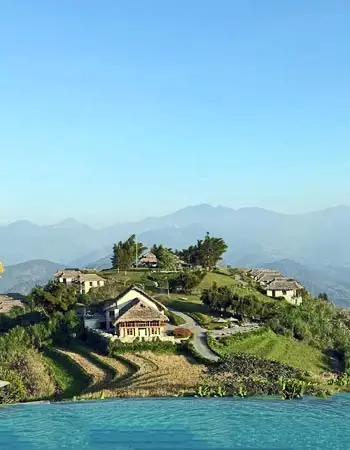


Ninh Binh Travel Guide

Discover your own version of

NINH BINH

Highlights

Ninh Binh: Vietnam’s Countryside of Limestone Valleys and Quiet Traditions

Ninh Binh is one of northern Vietnam’s most celebrated natural destinations, renowned for its dramatic limestone karsts, winding waterways, and rich cultural heritage. Often referred to as “Ha Long Bay on land,” the region combines spectacular landscapes with ancient temples, rural villages, and the historic capital of Hoa Lu, offering travelers a rewarding blend of nature, history, and traditional Vietnamese countryside.

Beyond its iconic scenery, Ninh Binh remains deeply connected to its agricultural and spiritual traditions. Rice paddies, quiet villages, and riverside communities continue to shape everyday life, while pagodas, temples, and historic monuments reflect the region’s enduring cultural significance. Whether exploring the waterways of Tam Coc and Tràng An or discovering Vietnam’s early imperial history, visitors experience a destination where natural beauty and cultural heritage exist in remarkable harmony.

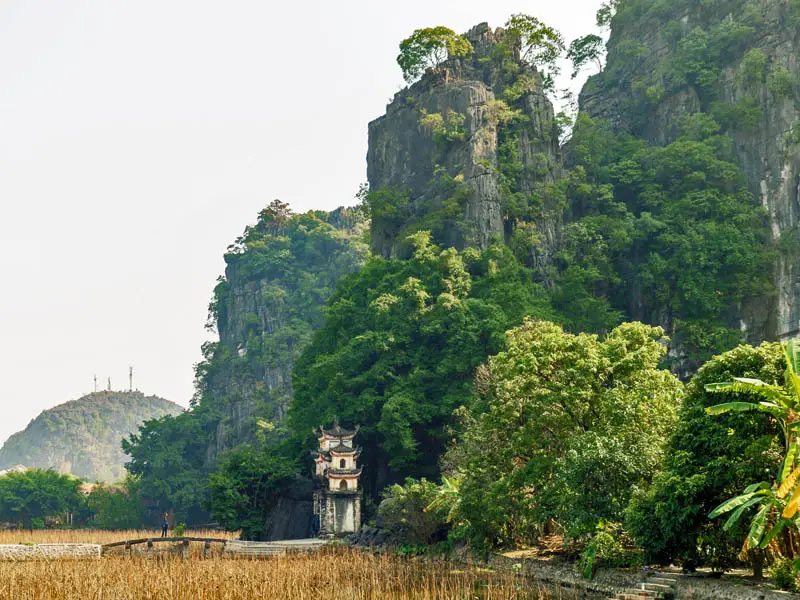
Ancient pagoda nestled beneath towering limestone cliffs in Ninh Binh, Vietnam
Panoramic view of Hang Mua Peak and its stone staircase in Ninh Binh, Vietnam

What to See in Ninh Binh

Tam Cốc
Often explored by traditional sampan, Tam Cốc is known for its winding river, limestone karsts, and three natural caves. The leisurely boat journey passes through rice paddies and dramatic landscapes that have made Ninh Bình one of Vietnam’s most iconic natural destinations.

Tràng An Landscape Complex
A UNESCO World Heritage Site, Tràng An features an extensive network of rivers, caves, limestone valleys, and historic temples. Boat excursions offer an immersive way to experience one of Vietnam’s most remarkable cultural and natural landscapes.

Bái Đính Pagoda
One of Southeast Asia’s largest Buddhist temple complexes, Bái Đính is renowned for its monumental architecture, towering pagodas, and thousands of Buddha statues. The sprawling complex remains an important pilgrimage site and offers sweeping views across the surrounding countryside.

Múa Cave Viewpoint
After climbing nearly 500 stone steps, visitors are rewarded with panoramic views over Tam Cốc’s limestone peaks, winding waterways, and rice fields. It is widely regarded as one of the finest viewpoints in northern Vietnam.

Hoa Lư Ancient Capital
Vietnam’s capital during the 10th and 11th centuries, Hoa Lư preserves temples dedicated to Emperors Đinh Tiên Hoàng and Lê Đại Hành. The historic site provides valuable insight into the country’s early imperial history.

Vân Long Nature Reserve
Vietnam’s largest wetland nature reserve, Vân Long is known for its tranquil waterways, limestone mountains, and diverse wildlife, including the endangered Delacour’s langur. Its peaceful landscapes offer a quieter alternative to the more visited areas of Tràng An and Tam Cốc.

Things to Do in Ninh Binh

Take a Sampan Boat Ride in Tràng An or Tam Cốc
Explore Ninh Bình’s limestone landscapes aboard a traditional sampan, passing through caves, winding waterways, and dramatic karst formations. It is the region’s signature experience and the best way to appreciate its remarkable scenery.

Cycle Through the Countryside
Cycle along quiet roads connecting rice fields, villages, and limestone peaks while experiencing the slower pace of rural life. The flat terrain makes cycling one of the most enjoyable ways to explore the surrounding countryside.

Climb to the Múa Cave Viewpoint
Ascend nearly 500 stone steps to one of northern Vietnam’s most spectacular viewpoints. The panoramic views over Tam Cốc’s rivers, rice fields, and limestone mountains are especially rewarding at sunrise or sunset.

Explore Hoa Lư Ancient Capital
Walk through the temples and historic grounds of Vietnam’s first imperial capital while learning about the country’s early dynasties. The site offers valuable historical context that complements the region’s spectacular natural landscapes.

Explore Vân Long Nature Reserve
Take a peaceful boat ride through Vietnam’s largest wetland nature reserve, known for its limestone scenery, abundant birdlife, and population of the endangered Delacour’s langur. The reserve offers a quieter alternative to Tràng An and Tam Cốc.

Sample Ninh Bình’s Regional Cuisine
Try local specialties such as mountain goat and crispy rice (cơm cháy), two of the region’s best-known dishes. These traditional recipes reflect Ninh Bình’s distinctive culinary heritage.

Ninh Binh Travel Guide image
Boat gliding through the tranquil Trang An river at sunset in Ninh Binh, Vietnam.

Why Visit Ninh Binh

Ninh Bình appeals to travelers seeking a combination of spectacular natural scenery, cultural heritage, and relaxed outdoor exploration. Boat journeys through Tam Cốc and Tràng An provide an immersive way to experience the region’s limestone karsts, winding waterways, and rice fields, while cycling routes and scenic viewpoints reveal the beauty of the surrounding countryside. Together, these landscapes make Ninh Bình one of Vietnam’s most distinctive natural destinations.

The region also offers a rich historical and spiritual dimension. Hoa Lư, Vietnam’s ancient capital, preserves important temples and monuments from the country’s early imperial history, while Bái Đính Pagoda reflects its continuing religious significance. Combined with its peaceful rural setting and easy pace of travel, these experiences make Ninh Bình a rewarding complement to Vietnam’s larger cities.

What's Unique About Ninh Binh

Ninh Bình’s defining feature is the way its dramatic limestone karsts rise directly from rice paddies, winding rivers, and fertile valleys. Unlike many other karst landscapes in Southeast Asia, the region combines extraordinary natural scenery with an active agricultural landscape, where farming communities continue traditions that have shaped the countryside for generations. The result is a landscape that changes subtly with the seasons, reflecting the rhythms of rural life.

The region’s cultural heritage further distinguishes Ninh Bình. Hoa Lư, Vietnam’s ancient capital, preserves important reminders of the country’s early imperial history, while centuries-old temples and pagodas are nestled among limestone hills and river valleys. Together, these natural and cultural landscapes create a destination where history, tradition, and everyday life remain closely connected.

Boat gliding through the tranquil Trang An river at sunset in Ninh Binh, Vietnam.
Couple on a traditional rowboat through lotus-lined canals in Ninh Binh’s countryside

Best Time to Visit: March through May and September through November generally offer the most favorable weather, with comfortable temperatures and ideal conditions for exploring Ninh Bình’s landscapes, waterways, and historic sites.

Weather and Seasons in Ninh Binh

Spring (March–May)
Spring brings warm temperatures, relatively low rainfall, and vibrant green landscapes, making it one of the best times to visit Ninh Bình. Comfortable weather provides excellent conditions for boat excursions, cycling, and exploring the region’s historic and natural attractions.

Summer (June–August)
Summer is hot and humid, with frequent afternoon showers that keep the countryside lush and green. Rice fields are at their most vibrant during this season, although sightseeing is generally most comfortable in the mornings and late afternoons.

Autumn (September–November)
Autumn brings cooler temperatures and the rice harvest, when many of the region’s fields turn brilliant shades of gold. Pleasant weather and scenic landscapes make this a rewarding season for photography, boat trips, and outdoor exploration.

Winter (December–February)
Winter is the coolest time of year, with mild temperatures and occasional mist across the limestone valleys and waterways. The quieter season offers a peaceful atmosphere for sightseeing, with fewer visitors at many of the region’s most popular attractions.

Ninh Bình offers a slower, more contemplative way to experience Vietnam, where time is measured by quiet river journeys, rural landscapes, and encounters with the country’s rich cultural heritage. Its unhurried pace encourages travelers to look beyond the landmarks and appreciate the traditions, scenery, and everyday rhythms that define the region.

Whether visited as part of a broader journey through northern Vietnam or as a destination in its own right, Ninh Bình leaves a lasting impression through the balance of nature, history, and authentic rural life. Explorient’s privately guided journeys provide the flexibility to experience the region alongside nearby destinations such as Hanoi and Ha Long Bay.

Aerial view of Bai Dinh Pagoda complex surrounded by limestone mountains in Ninh Binh, Vietnam

Nearby / Combine With

ACCOMODATIONS IN NINH BINH

Elegant guest room at Tam Coc Garden Resort in Ninh Binh, Vietnam, featuring traditional stone walls, wooden furnishings, and a serene garden setting near Tam Coc’s limestone landscapes.

Tam Coc Garden Resort

Hidden among the limestone karsts and rice paddies of Ninh Binh, Tam Coc Garden Resort feels like a private Eden carved from the heart of the countryside... ...
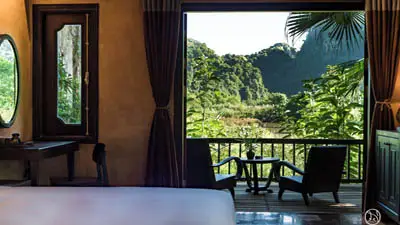
Nham Village in Ninh Binh Vietnam - accommodations on your private Vietnam vacation packages

Nham Village

Cradled at the foot of towering limestone cliffs and beside the still waters of lotus-filled ponds, Nham Village emerges as a hidden sanctuary ...

Private Journeys Featuring Ninh Binh

Back to our Bespoke Vietnam Tour Packages

Ready to embark on your adventure of a lifetime?

However you imagine Asia, our luxury travel specialists will bring it to life — flawlessly.

The Explorient Difference

Scroll to Top

Please fill out the form below so we can assist you as efficiently as possible. We aim to respond within 1-2 business days.

Name
What's your preferred contact method?
Press Ctrl Key and mouse click to multi-select.