
Sapa Travel Guide
Discover your own version of
SAPA
Highlights
- Sapa Rice Terrace Trekking — Walk through layered fields and narrow trails that reveal seasonal patterns of highland agriculture.
- Ethnic Market Exploration — Visit weekly markets where Hmong, Red Dao, and other groups gather to trade produce, textiles, and handmade goods.
- Muong Hoa Valley Walks — Enjoy gentle hikes through riverside villages surrounded by terraced slopes and forested hills.
- Fansipan Cable Car Journey — Ascend Southeast Asia’s highest peak for panoramic views stretching across the mountain ranges.
- Traditional Village Homestay Visits — Experience daily routines, local crafts, and community warmth in ethnic minority villages.
- Herbal Bath & Wellness Rituals — Relax with Red Dao-style herbal treatments rooted in long-standing highland healing practices.
Sapa: Mountain Landscapes Shaped by Heritage and Highland Life
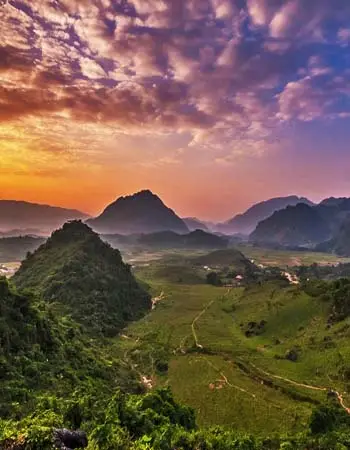
Sapa is northern Vietnam’s premier mountain destination, renowned for its spectacular rice terraces, dramatic mountain landscapes, and rich ethnic diversity. Set high in the Hoàng Liên Sơn Mountains near Vietnam’s border with China, the region offers sweeping valley views, traditional villages, and some of the country’s most rewarding trekking opportunities, making it one of Vietnam’s most distinctive highland destinations.
Home to several ethnic minority communities, including the Hmong, Red Dao, Tày, and Giáy, Sapa offers visitors the opportunity to experience traditions that continue to shape everyday life. Farming, textile weaving, local markets, and village life remain central to the region’s identity, while thoughtfully designed lodges and contemporary amenities make it possible to explore the highlands in comfort. Together, these experiences create a destination where extraordinary natural beauty and living cultural traditions remain closely connected.
What to See in Sapa
Fansipan – Roof of Indochina
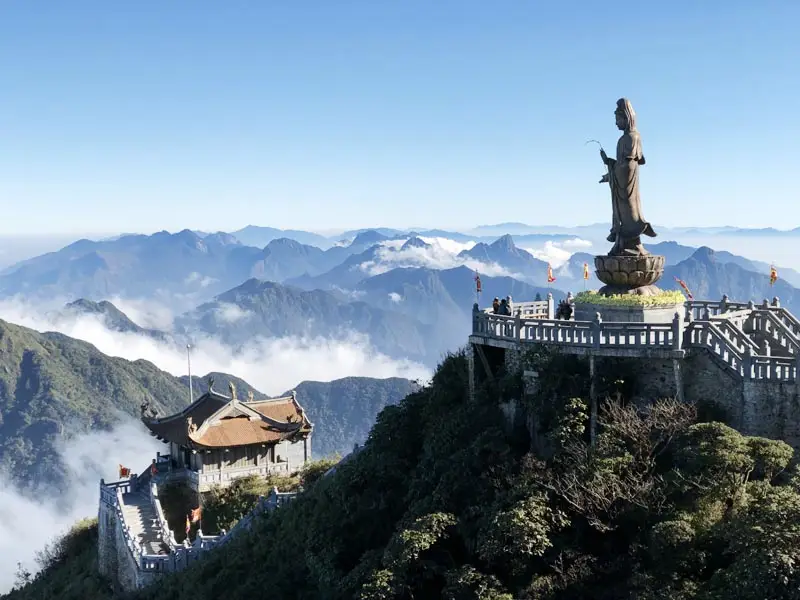
At 3,143 meters, Fansipan is the highest peak in Vietnam and the tallest mountain in Indochina. Whether reached by cable car or on a guided trek, the summit rewards visitors with panoramic views across the Hoàng Liên Sơn Mountains.
Mường Hoa Valley – Terraces and Traditions
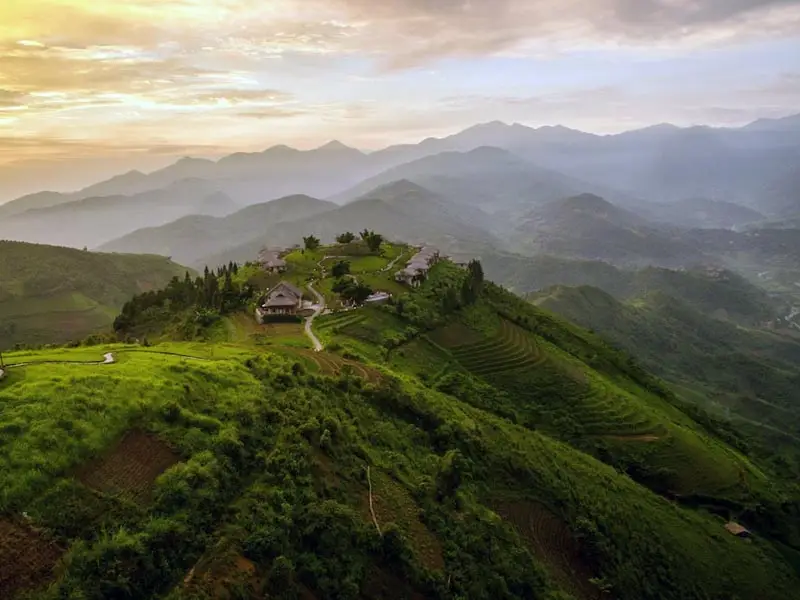
Renowned for its spectacular terraced rice fields, Mường Hoa Valley is home to Black Hmong and Giáy villages that have cultivated these landscapes for generations. Walking trails, mountain streams, and ancient stone carvings reveal one of northern Vietnam’s most iconic cultural landscapes.
Lao Chải & Tả Van Villages – Highland Communities
Nestled within Mường Hoa Valley, these neighboring villages offer an authentic glimpse into the traditions of the Black Hmong and Giáy people. Their terraced fields, wooden homes, and scenic walking paths showcase the enduring connection between local communities and the surrounding landscape.
Ô Quy Hồ Pass – Gateway to the Highlands
One of Vietnam’s highest and most scenic mountain passes, Ô Quy Hồ offers sweeping views of the Hoàng Liên Sơn range. Its winding roads and dramatic viewpoints make it one of the region’s most memorable scenic drives.
Tả Phìn Village – Red Dao Traditions
Home to the Red Dao community, Tả Phìn Village is known for its traditional herbal baths, distinctive embroidery, and welcoming village atmosphere. The surrounding rice terraces and limestone hills add to its scenic appeal.
Sapa Stone Church – Colonial Landmark
Built during the French colonial period, the stone church stands at the heart of Sapa town and remains one of its most recognizable landmarks. Its simple architecture and central location continue to make it a focal point for the local community.
Things to Do in Sapa
Trek Through the Rice Terraces
Guided treks through Mường Hoa Valley and the surrounding mountains offer the best way to experience Sapa’s spectacular landscapes and ethnic minority villages. Routes range from leisurely walks to full-day hikes through terraced fields and forested hills.
Ride the Fansipan Cable Car
Ascend Vietnam’s highest mountain aboard one of the world’s longest three-rope cable car systems. The journey provides panoramic views of the Hoàng Liên Sơn Mountains before arriving near the summit of Fansipan.
Visit Ethnic Minority Villages
Explore villages such as Lao Chải, Tả Van, and Tả Phìn, where Black Hmong, Giáy, and Red Dao communities continue longstanding traditions in farming, weaving, and daily village life. Guided visits provide valuable cultural insight while supporting local communities.
Experience a Local Market
Weekly highland markets, including Bắc Hà and Cán Cấu, bring together ethnic communities from across the surrounding mountains to trade produce, livestock, textiles, and handicrafts. These lively gatherings offer one of the region’s most authentic cultural experiences.
Stay in a Traditional Mountain Lodge or Homestay
Spend a night in a locally owned lodge or traditional stilt house overlooking the valleys to experience Sapa’s peaceful mountain setting. Many accommodations also provide opportunities to enjoy regional cuisine and learn about local customs.
Explore the Hoàng Liên Sơn Mountains
Travel through the region’s mountain roads and scenic passes to discover waterfalls, panoramic viewpoints, and remote highland landscapes beyond Sapa town. The surrounding mountains offer some of the most dramatic scenery in northern Vietnam.
Why Visit Sapa
Sapa appeals to travelers seeking a combination of spectacular mountain scenery, outdoor exploration, and meaningful cultural experiences. Guided treks through terraced rice fields, scenic valleys, and ethnic minority villages provide an immersive way to experience the region’s remarkable landscapes, while a range of boutique lodges and mountain retreats offer a comfortable base for exploring the highlands.
The region also offers exceptional opportunities to experience the traditions of northern Vietnam’s ethnic communities. Visits to local markets, traditional villages, and family-run workshops provide insight into longstanding customs, craftsmanship, and everyday life. Together, these experiences make Sapa one of Vietnam’s most rewarding destinations for travelers interested in both natural beauty and living cultural heritage.
What's Unique About Sapa
Sapa’s defining feature is its remarkable terraced rice fields, which climb the steep slopes of the Hoàng Liên Sơn Mountains. Shaped by generations of farming, the terraces transform with the seasons—from reflective paddies in spring to vibrant green in summer and golden fields at harvest—creating one of Southeast Asia’s most iconic cultural landscapes.
The region’s ethnic diversity further distinguishes Sapa. Home to Hmong, Red Dao, Tày, Giáy, and other minority communities, the highlands preserve traditions that continue to shape everyday life. Local markets, handwoven textiles, traditional architecture, and village customs offer meaningful insight into cultures that have remained closely connected to the mountains for generations. Together, these living traditions give Sapa a cultural richness that is unique to northern Vietnam.
Best Time to Visit: March through May and September through November generally offer the most favorable weather, with comfortable temperatures and ideal conditions for trekking, cultural exploration, and enjoying Sapa’s spectacular mountain landscapes.
Weather and Seasons in Sapa
Spring (March–May)
Spring brings mild temperatures, blooming landscapes, and the beginning of the growing season across Sapa’s terraced rice fields. Comfortable weather makes it an excellent time for trekking, village visits, and exploring the surrounding mountain scenery.
Summer (June–August)
Summer is warm and humid, with frequent afternoon showers that keep the rice terraces and mountain valleys lush and vibrant. Although rain is common, mornings are often well suited for hiking and outdoor activities.
Autumn (September–November)
Autumn is widely regarded as the best time to visit Sapa, as cooler temperatures coincide with the rice harvest and golden terraces across the mountainsides. Clear skies and comfortable conditions make it an ideal season for trekking and photography.
Winter (December–February)
Winter brings cooler temperatures, occasional mist, and crisp mountain air. While the terraces are less colorful, the quieter season offers a peaceful atmosphere, and higher elevations occasionally experience frost or even light snowfall.
Sapa offers a journey that rewards curiosity, patience, and a slower pace of travel. Time spent walking through mountain villages, meeting local communities, and exploring the highlands provides a deeper understanding of northern Vietnam’s landscapes and cultural traditions.
Whether visited as part of a broader journey through northern Vietnam or as a destination in its own right, Sapa leaves a lasting impression through the experiences it offers and the connections it fosters. Explorient’s privately guided journeys provide the flexibility to discover the region at a pace that reflects your interests and travel style.
ACCOMODATIONS IN SAPA

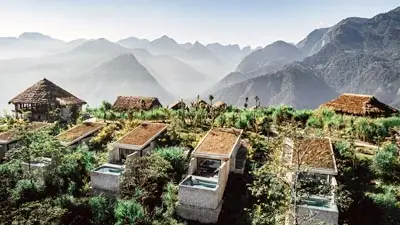
Topas Ecolodge
Perched on a private hilltop in the Hoang Lien National Park, Topas Ecolodge overlooks cascading rice terraces and distant peaks of the Tonkinese Alps... ...
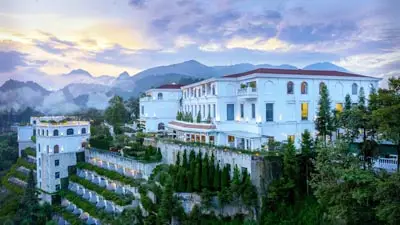
Silk Path Resort
Silk Path Sapa Hotel is perched at the edge of Sapa’s bustling town center, framed by the mist-laden Hoang Lien Son mountains. From the moment of arrival... ...
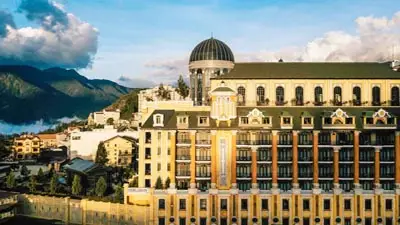
Hotel De Coupole MGallery
Set in the heart of Sapa town, Hotel de la Coupole rises above the market square with sweeping views of the Hoang Lien Son mountains... ...
SUGGESTED ITINERARIES

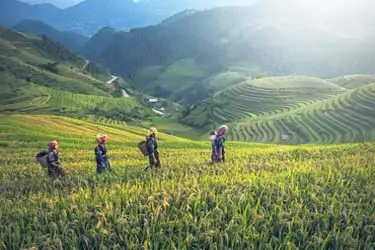
Northern Vietnam Adventure
Hanoi, Sapa, Halong & Lan Ha Bay
A nature-forward northern journey through mountain landscapes, minority cultures, and emerald bays—designed for travelers who want active exploration balanced by cultural depth.
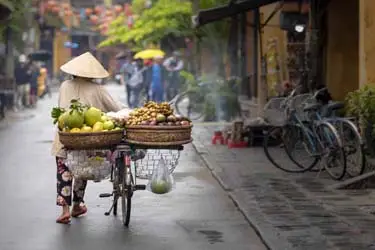
Signature Vietnam
Saigon, Nha Trang, Hoi An, Hue, Hanoi, Halong Bay
A comprehensive private journey linking Vietnam’s cultural capitals, coastal beauty, and everyday traditions—designed for effortless discovery and a clear sense of the country as a whole.
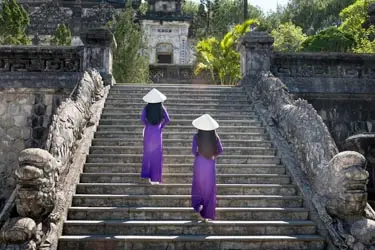
Spectacular Vietnam
Hanoi, Ninh Binh, Halong Bay, Hoi An, Phu Quoc, Saigon
An iconic Vietnam experience blending celebrated landscapes, cultural depth, and a true island escape—ideal for those seeking both discovery and indulgent leisure.

Ready to embark on your adventure of a lifetime?
However you imagine Asia, our luxury travel specialists will bring it to life — flawlessly.