A journey through Japan often moves between its major cities and cultural landmarks—but in Takayama, the experience takes on a different rhythm.
Nestled within the Japanese Alps, Takayama offers one of the country’s most complete views of its past—where Edo-period streets, traditional crafts, and regional culture remain closely tied to daily life. Paired with nearby alpine landscapes and the UNESCO-listed villages of Shirakawa-go, it becomes not simply a stop along the way, but a destination that adds depth and contrast to a broader journey.
A Town Shaped by History
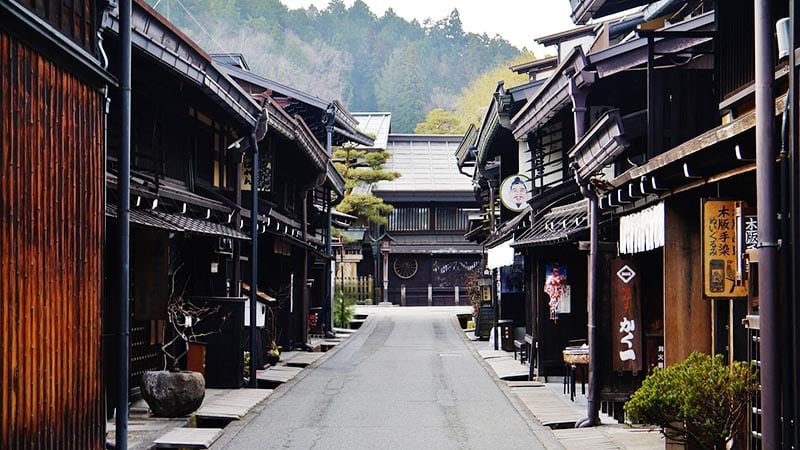
Takayama’s Old Town—known as Sanmachi-suji—is often described as a step back in time, though what distinguishes it is how intact that experience feels.
Wooden merchant houses line narrow streets, many of which continue to operate as they have for generations—selling local crafts, sake, and regional specialties. The preserved architecture reflects a period when Takayama flourished as a center of skilled artisans under direct shogunate control.
Landmarks such as Takayama Jinya, a former government outpost dating back to the 17th century, provide further context to the town’s historical importance. Yet much of Takayama’s appeal lies not in individual sites, but in the continuity of the town itself—where history is experienced through atmosphere rather than display.
It is this sense of preservation that makes Takayama such a strong fit within journeys like Japan World Heritage and Japan Panorama, where the emphasis extends beyond cities into places that reveal a more layered view of the country.
A Culinary Identity Rooted in Region
Food in Takayama reflects its geography and climate—simple, precise, and deeply local.
The region is particularly known for Hida beef, one of Japan’s most prized varieties, often prepared in ways that emphasize its natural richness. Alongside this, Takayama’s compact center is home to a thriving collection of small eateries and street stalls, where dishes such as local-style ramen and seasonal specialties are served with minimal formality.
Equally notable is the town’s sake culture. Fed by the clear waters of the surrounding mountains, Takayama’s breweries produce distinct regional varieties, many of which can be sampled along the Old Town’s streets.
Together, these elements create a culinary experience that feels both accessible and specific to place—less about variety, more about depth. For travelers drawn to Japan through food, culture, and atmosphere, Majestic Japan and Luxurious Japan each place Takayama within a broader rhythm of regional discovery.
Living Traditions and Seasonal Rhythm
Takayama’s cultural identity is closely tied to its seasonal cycles.
The Takayama Festival—held in spring and autumn—is widely regarded as one of Japan’s most beautiful, featuring elaborate floats and a level of craftsmanship that reflects centuries of tradition.
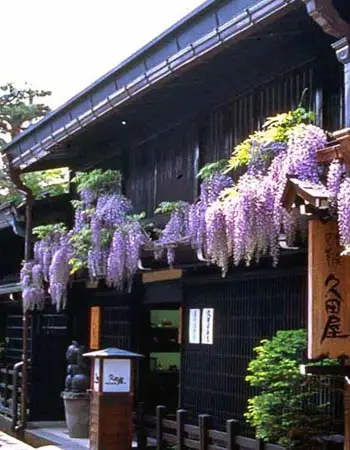
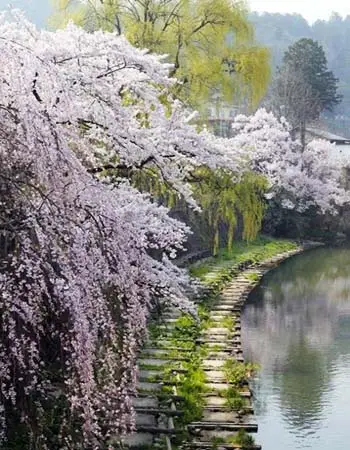
Beyond the festival itself, the town’s atmosphere shifts throughout the year. Cherry blossoms in spring, foliage in autumn, and snow-covered streets in winter each offer a different perspective, shaping how the destination is experienced.
Museums such as the Hida Folk Village provide additional insight into regional life, though the town itself remains the most immediate expression of its heritage.
For couples in particular, this quieter, more reflective side of Japan gives Takayama a special resonance—one of the reasons it works so naturally within Japan Romance, where slower settings and more intimate experiences take on greater meaning.
Shirakawa-go and the Alpine Landscape
About an hour from Takayama, Shirakawa-go introduces a different dimension of the region.
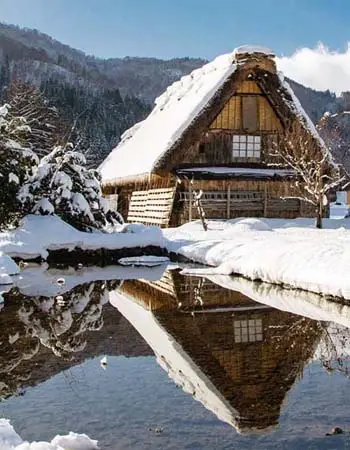
This UNESCO World Heritage Site is known for its gassho-zukuri farmhouses—structures designed with steep, thatched roofs to withstand heavy snowfall. Many of these homes are more than 250 years old, yet remain part of a living community rather than a static display.
Nearby Gokayama offers an even quieter counterpart, where the scale is smaller and the atmosphere more remote.
Together, these villages provide a broader understanding of how communities have adapted to the alpine environment—extending the experience beyond Takayama itself. Their inclusion is also part of what makes Japan World Heritage and Japan Panorama especially compelling for travelers looking to connect historic Japan with its more rural and architectural traditions.
Nature, Wellness, and Space
Surrounding Takayama, the landscape opens into forests, valleys, and mountain ranges that invite a slower pace of travel.
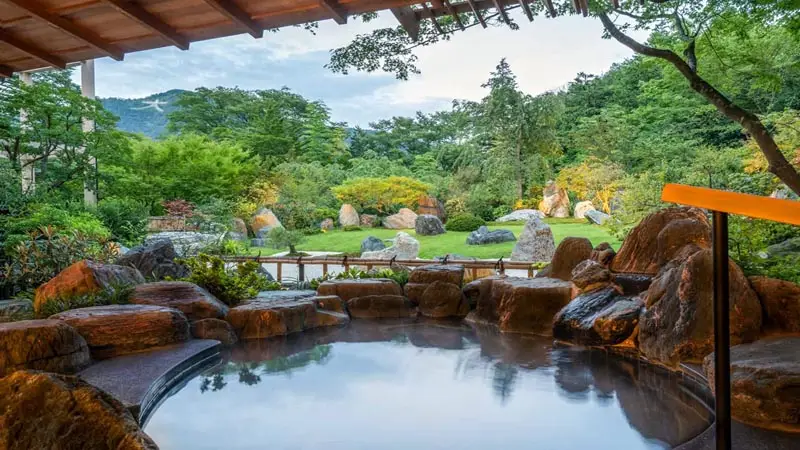
Onsen culture is particularly prominent in the region, with areas such as Okuhida and Gero Onsen offering traditional hot spring experiences set within natural surroundings. Staying in a ryokan—complete with tatami rooms, kaiseki dining, and access to thermal baths—adds another layer to the experience, emphasizing rest as much as exploration.
For those inclined toward activity, destinations such as Kamikochi and the Shinhotaka Ropeway provide access to highland landscapes, where trails, rivers, and panoramic views define the setting.
This combination of nature, wellness, and regional depth is also why Takayama lends itself so well to more elevated itineraries such as Luxurious Japan, where comfort and setting are as important as sightseeing itself.
A Final Thought
Takayama is not defined by scale, but by cohesion.
It offers a perspective on Japan that feels both complete and accessible—where history, culture, and landscape are closely connected rather than experienced in isolation. As part of a broader journey through Japan, it provides contrast to the country’s larger cities, while reinforcing a deeper understanding of its traditions and rhythms.
For those considering how to incorporate Takayama into a wider itinerary, exploring a thoughtfully designed Japan journey offers a more seamless way to experience the region—connecting destinations in a way that feels both natural and well-paced.