Why Travel to Japan: Culture, Cuisine & Unique Experiences

Osaka Castle rising above blooming cherry blossoms and colorful trees, set against a bright blue sky with billowing clouds.

Few destinations balance contrast as seamlessly as Japan. Across the country, centuries-old traditions exist alongside some of the most advanced urban environments in the world. Temples and shrines sit quietly beneath city skylines, seasonal rituals shape daily life, and landscapes

Few destinations balance contrast as seamlessly as Japan.

Across the country, centuries-old traditions exist alongside some of the most advanced urban environments in the world. Temples and shrines sit quietly beneath city skylines, seasonal rituals shape daily life, and landscapes shift from coastal plains to alpine regions within a matter of hours.

For travelers, this creates not just variety, but a sense of continuity—where each experience feels connected to a broader cultural framework. For those beginning to explore what that journey might look like, our curated private luxury Japan tours offer a useful starting point.

What follows are seven reasons Japan continues to stand out—not simply as a destination, but as a place that rewards a more thoughtful approach to travel.

A Culture That Exists in Layers

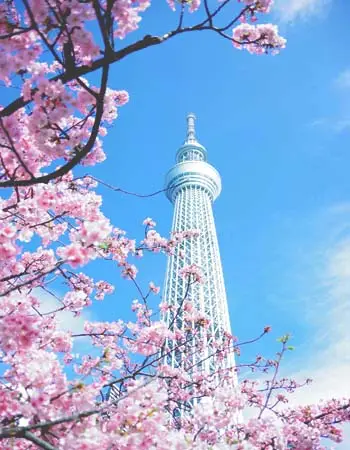
Spring cherry blossoms surrounding Tokyo Skytree, one of Tokyo’s modern landmarks
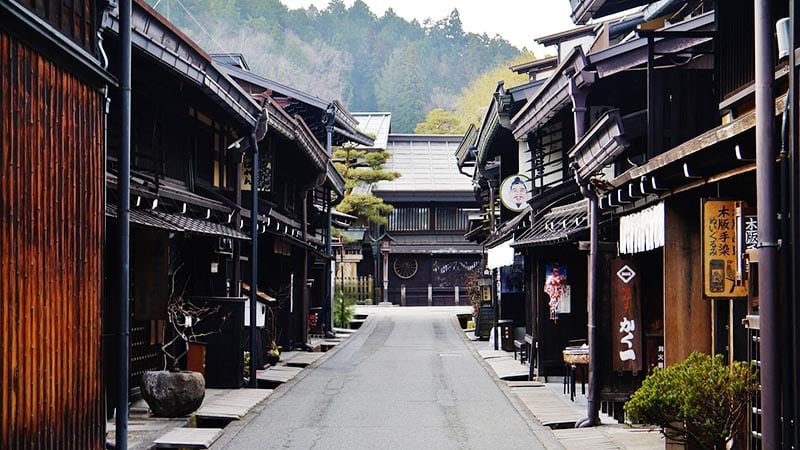
Quiet street in Takayama’s old town lined with traditional wooden merchant houses, with mountains rising in the background.

Japan is often described as a blend of old and new, though in practice, these elements are not in contrast—they coexist.

In cities like Tokyo, modern districts such as Akihabara and Harajuku reflect contemporary culture, while quieter neighborhoods maintain traditions that have evolved over generations. In Kyoto, temples, tea houses, and seasonal rituals continue to shape daily life in ways that feel both preserved and present.

Across the country, over 80,000 shrines and temples remain active sites of worship, not simply historical landmarks. Experiences such as tea ceremonies, local festivals, and time spent in traditional districts provide insight not just into Japan’s past, but into how that past continues to inform the present. Travelers drawn to this deeper cultural dimension often find it especially well expressed in programs such as our Japan UNESCO heritage itineraries and private Japan cultural tours, where historical and regional context are central to the journey.

A Culinary Tradition Defined by Precision

Japanese market stall selling packaged grilled fish and seafood, arranged in trays with handwritten price signs in yen and colorful labels.
Hands holding a bowl of ramen with sliced pork, soft-boiled eggs, noodles, and greens, with chopsticks resting on the side.

Food in Japan is less about variety and more about refinement.

From casual ramen shops to Michelin-recognized dining, the emphasis is consistently placed on technique, seasonality, and presentation. Cities like Tokyo continue to lead globally in fine dining, while smaller towns offer equally compelling regional specialties.

A stay in a traditional ryokan introduces another dimension through kaiseki—multi-course meals designed to reflect the season, local ingredients, and balance of flavors. Even the simplest meals often carry a level of intention that elevates the experience.

For many travelers, food becomes a central thread—one that connects place, culture, and daily life in a way that feels immediate and memorable. This culinary depth is also part of what gives our luxury Japan tours and scenic Japan itineraries their appeal., where regional specialties and refined hospitality become part of the broader experience.

Experiences That Feel Distinctly Japanese

Geisha in Japan
Japanese cast-iron teapot with steam rising, incense burning, and tea ceremony elements arranged on a bamboo mat.

What sets Japan apart is not simply what you see, but what you encounter along the way.

Moments can shift quickly—from attending a sumo match or exploring immersive digital installations to walking through quiet temple grounds or local neighborhoods. These contrasts do not feel disjointed, but rather part of a broader spectrum of experiences unique to the country.

Destinations such as teamLab Planets present a contemporary interpretation of art and space, while traditional settings—from tea houses to local workshops—offer a more grounded connection.

It is this range, and the ease with which travelers move between it, that defines the experience. For families in particular, this balance of energy, novelty, and cultural access is one of the reasons a well-designed Japan family vacation itinerary resonates so strongly.

Landscapes That Change with the Seasons

Deer grazing beside the reflective pond and autumn foliage at Nara Park in Japan.
Cherry Blossoms in Kyoto Japan

Japan’s geography plays a central role in how it is experienced.

From the slopes of Mount Fuji to the forests of central Honshu and the coastlines of Okinawa, the country offers a remarkable range of environments within a relatively compact space.

What distinguishes these landscapes is their relationship to seasonality. Spring’s cherry blossoms, autumn’s foliage, and winter’s snow each transform familiar places into something entirely different.

For travelers, timing becomes part of the journey—shaping not just what is seen, but how each destination is experienced. This seasonal rhythm is part of what makes broader itineraries such as Japan Panorama so compelling, where the movement between regions reveals just how varied the country can be.

A Natural Sense of Calm and Reflection

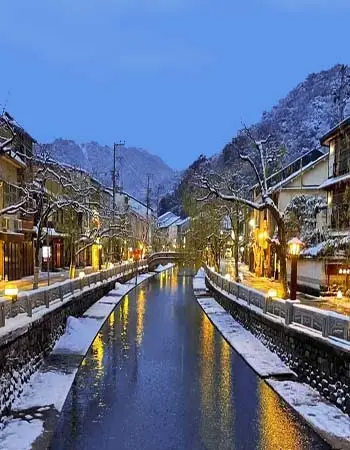
Snow and mountain silence frame Kinosaki's historic canal district, where reflected lantern light honors centuries of thermal tradition
Hot spring steam enveloping a bright blue geothermal pond at Beppu’s famous Jigoku attractions in Oita, Japan

Japan also offers a quieter dimension—one centered on rest, balance, and atmosphere.

Onsen towns such as Shibu Onsen provide an environment where time slows, and daily routines are replaced with more deliberate rhythms. Staying in a ryokan, bathing in mineral-rich waters, and dining in a private setting creates a sense of separation from the outside world.

These moments are not positioned as luxury in the conventional sense, but as part of a broader cultural approach to wellbeing—one that emphasizes simplicity and presence. For couples especially, this quieter side of Japan often feels most naturally expressed in a more thoughtfully paced Japan honeymoon itinerary, where pace and atmosphere are given more space to unfold.

A Destination That Works Across Travel Styles

Fushimi Inari Shrine in Kyoto with rows of illuminated red torii gates winding through the forest path.
Lantern-lit street in Kiso Valley, a historic Japanese town, with families walking past traditional wooden houses at dusk.

Japan adapts naturally to different types of travelers.

For families, the country’s safety, efficiency, and variety make it particularly accessible. Public transportation is reliable and intuitive, while activities—from cultural workshops to outdoor exploration—are easily incorporated into a well-paced itinerary.

For couples, the experience often shifts toward atmosphere—quiet stays, seasonal travel, and more reflective settings. For those seeking a broader journey, Japan’s regional diversity allows for itineraries that move fluidly between cities, countryside, and coast.

This flexibility is one of Japan’s defining strengths—it does not require a single way of traveling to be fully appreciated.

A Moment That Feels Right

Sake service in handcrafted cups, reflecting a quiet, upscale dining experience in Japan
Rickshaw ride through Kyoto’s historic district during cherry blossom season, with blooming sakura trees, traditional buildings, and pedestrians along the street.

While Japan has long been a sought-after destination, recent years have made it more accessible in practical terms.

The relative value of the yen, combined with continued improvements in infrastructure and travel services, has made on-the-ground experiences more approachable than many expect—particularly when balanced against the quality and consistency the country offers.

At the same time, interest in Japan continues to grow. For those considering a visit, timing becomes part of the equation—not in urgency, but in recognizing the current alignment of accessibility and demand.

A Final Thought

Japan is not defined by any single experience.

It is encountered gradually—through cities, landscapes, meals, and quiet moments that build upon one another. What begins as curiosity often becomes something more layered, shaped by the relationship between places rather than any one destination alone.

Whether approached as a first visit or a return journey, Japan rewards travelers willing to move beyond the surface—offering an experience that feels both complete and continuously evolving.

For those considering where to begin, private Japan tours and customizable itineraries across Tokyo, Kyoto, Hakone, and beyond provide a thoughtful way to bring the country’s many elements together into a journey that feels cohesive, balanced, and distinctly its own.

Share:

Facebook
Twitter
Pinterest
LinkedIn
On Key

Related Posts

Travel Documents, Tips and Visa requirements for Asia

A Guide to Asia’s Entry Requirements

Planning a Trip to Asia? Here’s What You Need to Know Before You Go Planning a trip to Asia often begins with the same practical question: what do I need to enter the country? While many of Asia’s most popular destinations are now relatively straightforward for U.S. and Canadian travelers, entry requirements are ever changing, and can vary widely by country. Some allow visa-free entry, others require an e-visa and/or arrival card, and a few still involve more formal advance

eSIM for Your Asia Travel Planning

Best eSIM for International Travel (2026): SIM Cards, Data Plans & Smart Connectivity

Reliable connectivity has become a quiet backbone of international travel. From navigation and translation to reservations and real-time coordination, access to mobile data now shapes how travelers move through a destination. The question is no longer whether to stay connected—but how to do so efficiently. For 2026, that conversation increasingly centers on one solution: eSIMs for international travel. What follows is a practical guide to choosing the best eSIM for your trip—along with when alternatives like local SIM cards or

Osaka Castle rising above blooming cherry blossoms and colorful trees, set against a bright blue sky with billowing clouds.

Why Travel to Japan: Culture, Cuisine & Unique Experiences

Few destinations balance contrast as seamlessly as Japan. Across the country, centuries-old traditions exist alongside some of the most advanced urban environments in the world. Temples and shrines sit quietly beneath city skylines, seasonal rituals shape daily life, and landscapes shift from coastal plains to alpine regions within a matter of hours. For travelers, this creates not just variety, but a sense of continuity—where each experience feels connected to a broader cultural framework. For those beginning to explore what that

Snow-covered rural landscape in Takayama Japan featuring a lone farmhouse beneath a large leafless tree, surrounded by a forested hillside under a partly cloudy sky.

Discover Takayama: A Hidden Gem in the Japanese Alps

A journey through Japan often moves between its major cities and cultural landmarks—but in Takayama, the experience takes on a different rhythm. Nestled within the Japanese Alps, Takayama offers one of the country’s most complete views of its past—where Edo-period streets, traditional crafts, and regional culture remain closely tied to daily life. Paired with nearby alpine landscapes and the UNESCO-listed villages of Shirakawa-go, it becomes not simply a stop along the way, but a destination that adds depth and contrast

Fisherman net fishing at dusk in Southern Thailand

Why Visit Asia: 8 Reasons to Travel

A new year often brings new travel plans—but few regions offer the range and depth of Asia. Across its countries, travelers encounter a spectrum of experiences that rarely exist so closely together—modern cities and ancient civilizations, structured itineraries and spontaneous discovery, natural landscapes and cultural immersion. For many, what begins as a trip becomes something more layered: a journey shaped not just by where you go, but by how each place connects to the next. Our curated Asia journeys offer


Scroll to Top

Please fill out the form below so we can assist you as efficiently as possible. We aim to respond within 1-2 business days.

Name
What's your preferred contact method?
Press Ctrl Key and mouse click to multi-select.