
Food has an unexpectedly lasting impact on us when we travel. The distinctive dishes and tastes in each corner of the world help flavor our sensory experience when we are far from home. It is so regionally unique, and often a cultural identifier. Because of this, food has become just as big of a reason to travel as sightseeing or adventure. Here we explore the different food experiences in Thailand, from the ubiquitous street foods and endless vendors to the finer dining experiences in urban Bangkok, and even what to expect on a culinary tour. Join us as we explore the flavorful aspects of Thailand!

Thailand proves to be heaven on earth for foodies, especially in Bangkok. Finding authentic, local flavors is as easy as walking down the street. Street food is a staple in the Bangkok metropolis, and many of the vendors even have different shifts or rotations as the day transitions from breakfast to lunch to dinner. These quick meals are ideal in Thailand, as most people eat several small meals throughout their day. Even though these foods are “fast,” rest assured they’re not a mediocre substitute for a quality dining experience, and you will not be disappointed. With the incredible amount of vendors, each has to serve their best, most delectable food in order to stay competitive. Just be warned that Mondays in Bangkok are reserved for street cleaning, so expect only about half the vendors than normal.
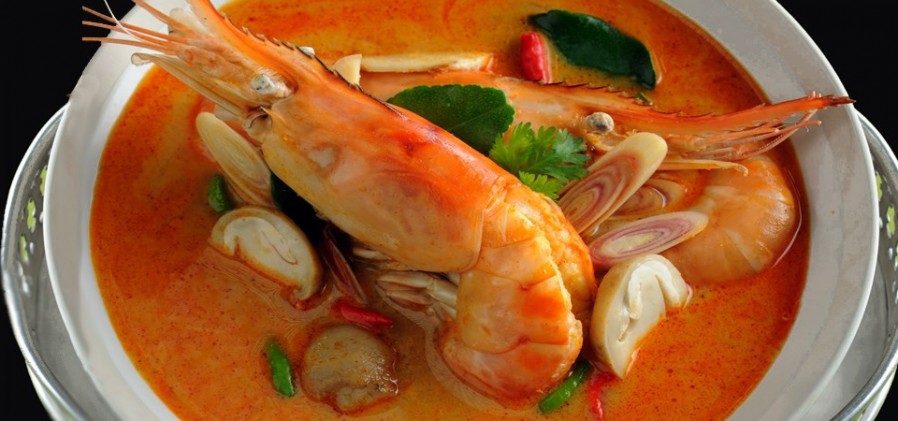
The great thing about street food is you can find almost every dish that is classically Thai, and there is a huge variety of options from which to choose. Expect lots of chilies, basil, curry paste, fish sauce, shrimp paste, coconut milk, garlic, and rice, among other flavors! Green papaya salad, or Som Tam, is an iconic dish and popular street food in Thailand. This literally cool salad is made of shredded green (unripe) papaya, crunchy beans, peanuts, dried shrimp and crab. Another favorite is Tom Yum – which is a hot/sour soup, but it can vary with flavors. Tom Yum Goong is spicy shrimp or prawn soup is one version. Keep in mind, if you’re not familiar with Thai spicy food, ask for it as mild as possible to test it out. The level of spice in Thai cuisine may not be something you’re used to!

Located on Yaowarat Road, Bangkok also has its own Chinatown. You’ll find the food and vendors there is a mixture of Chinese and Thai-Chinese food. Yaowarat Road is an excellent spot for seafood. Be sure to check out Sukhumvit Soi 38 – a side street just off this main road. There are plenty of evening stalls and English menus. This is a great way to start off on Thailand’s street food scene! The area opens for dinner around 5 pm.
Chatuchak is the famous local weekend market – and touted as Asia’s largest outdoor bazaar. There are nearly 30 sections with vendors selling intricate wood carvings, clay crafts, and all kinds of goods and wares. Some of the top street food vendors include Or Tor Kor, which is one of the oldest street markets located near the Chatuchak street market. This is a favorite place to buy produce, but also a great place to find som tam, among other classic dishes.

On the other end of the spectrum, Bangkok also offers high-end dining, some whose owners and chefs have received Michelin-star accolades. Enjoy a four or seven-course meal at the top of the world at Mezzaluna restaurant, with spectacular 180° views of the city and the Chao Phraya river. For exquisite French cuisine, Le Normandie Bangkok at the Mandarin Oriental Hotel has been a top recommendation and featured various Michelin-starred chefs over the 40 years of its existence. The Signature restaurant at KuDeTa Bangkok is a sophisticated, fine-dining experience in the urban area on the 39th floor of Sathorn Square Building, with exceptional detail to plating and presentation, and an extensive wine list to boot. For the upscale and trendy, Zuma at the St. Regis Hotel is a Japanese-style restaurant, but less traditional and more izakaya – an establishment that serves primarily drinks, and food as an accompaniment. Sra Bua serves delicious Thai flavors, but not in their traditional forms. Their style is innovative, with a keen emphasis in presentation so that your aesthetic and your palate are deservingly satisfied. The restaurant itself is dramatic, with high ceilings and plenty of antique Thai decor.

For a more intimate food experience, there are many culinary schools that offer lessons in local flavors. Take an entire day or just a partial day, starting out from the local market to pick out fresh produce and ingredients, all the way to savoring the very dishes you prepare at the end. Some offer private sessions on their own property or farm, where you can harvest fresh vegetables and spices from their gardens. Others are held at a facility, but still retain the unique and attentive care from the instructors. Learning to cook authentically native dishes deepens your connection to the country and its culture, especially since food is often a communal experience.
If you’re hungry for adventure, culinary or otherwise, Explorient can serve up some wonderful options for traveling in style. Visit our Thailand Vacations or Asia Foodies Tours pages to get started on planning your next unforgettable holiday.