
Bhutan is a small Himalayan kingdom whose Buddhist heritage, distinctive architecture, and commitment to environmental and cultural preservation shape nearly every aspect of daily life. Set between India and China, the country is known for its dramatic mountain landscapes, fortified monasteries, traditional villages, and a national identity that remains closely connected to spirituality and community.
Bhutan has long approached tourism with an emphasis on sustainability rather than visitor volume. International travelers follow a formal visa process and contribute a Sustainable Development Fee that supports cultural preservation, environmental protection, infrastructure, and national development. This reflects Bhutan’s broader philosophy of balancing economic progress with social well-being and responsible stewardship.
Visitors are not expected to understand every Bhutanese tradition before arriving. Learning a few basic customs, however, can help you travel respectfully and gain a deeper appreciation for the values that distinguish this remarkable destination.
Gross National Happiness
Bhutan is internationally associated with Gross National Happiness, a development philosophy introduced by the Fourth King, Jigme Singye Wangchuck, during the 1970s.
Rather than measuring national progress solely through economic output, Gross National Happiness promotes a more holistic approach that considers well-being, cultural preservation, environmental conservation, good governance, and sustainable development.
The concept should not be interpreted to mean that Bhutan rejects economic growth or that every citizen is uniformly happy. Instead, it reflects the country’s aspiration to consider the social, spiritual, and environmental consequences of development alongside financial progress.
Courtesy and Respect
Bhutanese society generally places considerable value on humility, patience, and respectful behavior.
Speaking loudly, displaying anger, or confronting someone publicly can cause embarrassment and is rarely productive. A calm manner and friendly disposition are especially helpful when navigating cultural differences or unexpected changes.
Respect is also shown toward elders, religious figures, public officials, and members of the Royal Family. When meeting a group, it is courteous to acknowledge the eldest or most senior person first.
Greetings
A warm smile and slight bow of the head are appropriate in most everyday situations. Handshakes are increasingly common, particularly in professional settings and when meeting international visitors.
The word “kuzu zangpo la” is a polite traditional greeting. Bhutanese speakers frequently add “la” to sentences as a sign of courtesy and respect.
Visitors are not expected to perform elaborate traditional gestures. A sincere greeting, measured tone, and attentive manner are generally sufficient.
Respect for the Monarchy
Bhutan is a democratic constitutional monarchy, and the King and Royal Family occupy an important place in the country’s public and cultural life.
Royal portraits are displayed in government offices, hotels, schools, businesses, and private homes. These images, as well as royal monuments and ceremonies, should be treated respectfully.
Visitors should avoid disparaging comments or jokes about the monarchy, religion, or national institutions. Political discussions are best approached with sensitivity and without pressing local residents to express views they may prefer to keep private.
Dress and Modesty
Bhutan is socially conservative, and modest clothing is appropriate throughout the country.
Lightweight trousers, long skirts, and shirts covering the shoulders are suitable for most sightseeing. More formal standards apply at dzongs, monasteries, temples, and administrative buildings.
When visiting sacred or official sites:
- Cover your shoulders and legs.
- Avoid shorts, sleeveless tops, and revealing clothing.
- Remove hats and caps.
- Wear clean and presentable clothing.
- Follow any additional guidance provided by your guide.
Bhutan’s official tourism guidance recommends long sleeves and covered legs when entering temples and other sacred places.
Dzongs, Temples and Monasteries
Bhutan’s dzongs are imposing fortified complexes that often serve both religious and administrative functions. Temples and monasteries remain active centers of worship and should be approached with respect.
When visiting:
- Remove your shoes before entering designated interior spaces.
- Remove hats and sunglasses where appropriate.
- Speak quietly and silence mobile devices.
- Do not touch religious paintings, statues, manuscripts, or ceremonial objects.
- Avoid sitting on raised seats or thrones reserved for lamas.
- Follow all posted photography restrictions.
- Do not interrupt prayers, ceremonies, or meditation.
- Remain with your guide in areas where visitor access is controlled.
Photography is commonly permitted in courtyards and exterior areas but frequently prohibited inside temple halls. Always ask before taking a photograph, even when no sign is visible. Bhutan’s official visitor guidance specifically advises against photography inside sacred sites and touching religious items or paintings.
Moving Clockwise
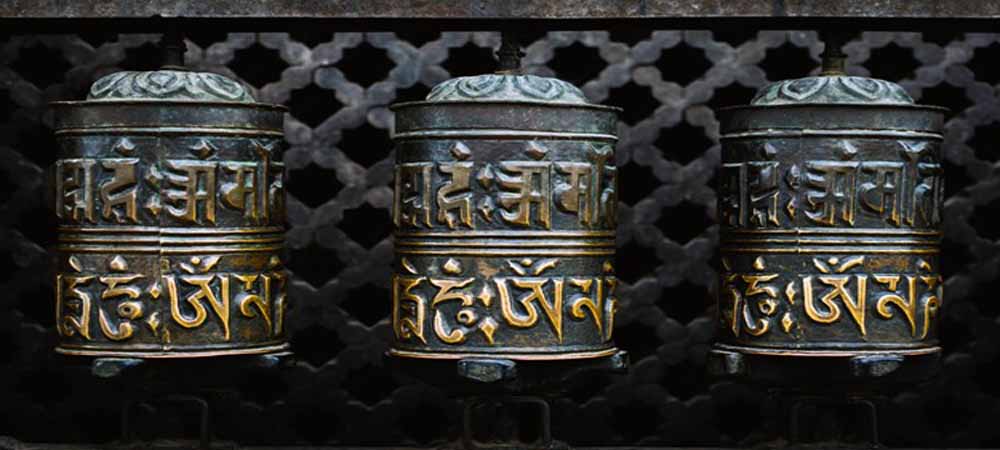
Bhutanese Buddhist practice traditionally follows a clockwise direction around temples, monasteries, chortens, prayer wheels, and other sacred objects.
When walking around a religious monument, keep it to your right. Prayer wheels should also be turned clockwise unless otherwise indicated.
Following this direction is an easy and meaningful way for visitors to demonstrate awareness of local religious custom.
Monks and Religious Figures
Monks, nuns, and senior religious teachers are treated with considerable respect.
A slight bow is appropriate when greeting a monk or lama. Avoid touching religious figures casually, standing directly above someone who is seated, or placing personal belongings on religious texts or ceremonial surfaces.
When seated on the floor with a monk, elder, or host, sit cross-legged or with your legs positioned to one side. Avoid extending your feet toward another person or toward a shrine.
Heads, Feet and Body Language
As in many Buddhist cultures, the head is regarded as the highest and most respected part of the body, while the feet are considered the lowest.
Avoid touching another person’s head, including that of a child, unless you know the individual well and understand that it is welcome.
Do not point your feet toward people, altars, religious images, or sacred objects. When seated on the floor, keep your legs crossed or folded to one side.
Using an open hand rather than pointing with one finger is also a more courteous way to indicate a person or direction.
Giving and Receiving
Gifts, money, documents, and other important items should ideally be offered and received with both hands.
A recipient may initially decline a gift out of politeness, although the idea that every gift must be refused exactly three times should not be treated as a universal rule. Present the item without insisting, and allow the recipient to respond naturally.
Gifts may be opened later rather than in front of the giver. This allows the exchange to remain focused on the gesture instead of the value or immediate reaction.
Butter Tea and Ara
Visitors may be offered suja, Bhutanese butter tea, during a home visit, festival, or cultural encounter. Its salty, buttery flavor can be unexpected for those accustomed to sweet tea.
Ara, a traditional alcoholic beverage made from rice, maize, wheat, or barley, may also be offered on social or ceremonial occasions.
Accepting a small amount is courteous, but visitors should not feel compelled to consume something they do not want. A polite explanation is generally sufficient.
Dining Etiquette
Bhutanese meals are generally relaxed and hospitable, with rice, vegetables, meat dishes, cheese, and chilies commonly shared among the group.
A few customs are helpful to remember:
- Wait until everyone has been served before beginning.
- Follow your host’s lead at private meals.
- Use serving utensils when provided.
- Accept offered food graciously, even if only in a small portion.
- Avoid taking more than you are likely to finish.
- Use your right hand when eating without utensils or passing food.
At traditional meals, hosts may wait for guests to begin before serving themselves. Small portions of food or drink may occasionally be offered symbolically before the meal in accordance with local religious practice.
Prayer Flags and Sacred Objects
Colorful prayer flags are found throughout Bhutan on mountain passes, bridges, homes, monasteries, and trails.
They are religious objects intended to carry prayers and blessings through the wind, rather than decorations or souvenirs. Avoid stepping on fallen prayer flags, removing them from their location, or handling them unnecessarily.
Likewise, mani stones, prayer wheels, small shrines, and roadside chortens should be treated with respect and left undisturbed.
Festivals and Masked Dances
Bhutan’s religious festivals, known as tshechus, are among the country’s most important cultural occasions. They bring communities together for masked dances, prayers, blessings, social gatherings, and traditional dress.
Visitors are welcome at many festivals but should remember that these are religious events rather than staged performances.
Avoid obstructing local worshippers, walking across performance areas, using intrusive flash photography, or positioning yourself directly in front of others for an extended period. Your guide can help you identify appropriate viewing and photography areas.
Visiting Homes and Villages
An invitation into a Bhutanese home offers a valuable opportunity to experience local hospitality.
Remove your shoes if your host does so or if footwear is left at the entrance. Wait to be shown where to sit, and avoid entering private rooms without invitation.
Hosts may offer tea, snacks, or a meal. Accepting at least a small portion is a gracious response. Compliments about the home, food, or surrounding landscape are generally appreciated when expressed sincerely.
When visiting villages, avoid treating daily life as a performance. Ask before photographing residents, do not enter fields or homes without permission, and respect the pace and privacy of the community.
Environmental Responsibility
Environmental conservation is central to Bhutan’s national identity and tourism philosophy.
Travelers should avoid littering, disturbing wildlife, removing plants, or leaving marked trails. Single-use plastics should be minimized, and reusable bottles or bags are preferable where practical.
Sacred landscapes, forests, and mountain environments may carry spiritual as well as ecological significance. Following your guide’s instructions helps protect these places for residents and future visitors.
Understanding Modern Bhutan
Bhutan is often described primarily through its monasteries, mountains, and Gross National Happiness philosophy, but it is also a modern society experiencing rapid social and economic change.
Thimphu and Paro include contemporary restaurants, cafés, shops, schools, and businesses, while rural communities may maintain more traditional routines. Younger Bhutanese often balance international influences with strong ties to language, religion, family, and national identity.
Bhutan also reached an important development milestone when it graduated from the United Nations’ least developed country category in December 2023. The country continues to pursue economic growth while emphasizing cultural preservation, environmental stewardship, and social well-being.
Final Thoughts
Understanding a few basic customs allows travelers to experience Bhutan with greater confidence while showing respect for the spiritual traditions, social values, and natural environment that make the kingdom so distinctive. Whether entering a monastery in Paro, exploring a dzong in Punakha, sharing tea with a local family, or walking through the streets of Thimphu, humility, patience, and genuine curiosity will always be appreciated.
For a broader introduction to the kingdom, explore our Bhutan Travel Guide, featuring cultural highlights, principal destinations, and seasonal travel considerations. Travelers ready to begin planning can check out our Priceless Bhutan itinerary which features Thimphu, Punakha, Paro, and the legendary hike to Tiger’s Nest.