
Varanasi Travel Guide

Discover your own version of

Varanasi

Highlights

Varanasi – India’s Iconic Center of Devotion, River Rituals & Ancient Urban Life

Varanasi extends along a sweeping bend of the Ganges, its stone ghats stepping down to the river in a pattern shaped by centuries of ritual and daily movement. Boats drift across calm water, while the city’s skyline rises in layers of temples, spires, and narrow lanes that climb back from the riverbank. Light moves steadily over the sandstone steps and riverfront buildings, giving the landscape a timeless, grounded presence anchored in both geography and tradition.

Within this setting, the cadence of daily life is constant and deeply rooted. Pilgrims gather for morning rites, merchants open small shops tucked into historic alleyways, and priests perform ceremonies that mark the passage of each day. The old city’s lanes reveal shrines, courtyards, and centuries-old residences that reflect the continuity of spiritual practice. Through its rituals, crafts, and enduring rhythms, Varanasi expresses a cultural identity that has been shaped by devotion and river-centered life for millennia.

Varanasi riverside scene with worshippers and travelers walking the ghats during morning rituals
Evening Ganga Aarti ceremony at Varanasi’s Dashashwamedh Ghat illuminated by vibrant lights and riverfront architecture

What to See in Varanasi

Ganges River Ghats — A continuous riverfront of stone steps, temples, and historic pavilions where daily rituals shape the city’s cultural rhythm.

Kashi Vishwanath Temple Complex — One of Varanasi’s most significant sacred sites, marked by intricate architecture and steady streams of devotees.

Sarnath Archaeological Ruins — The remains of ancient monasteries and stupas that reflect the early spread of Buddhism across northern India.

Ramnagar Fort & Museum — A 17th-century riverside fort showcasing royal artifacts, palanquins, and historical displays tied to the region’s noble lineage.

Bharat Mata Temple — A unique temple featuring a detailed marble map of India, highlighting geographical rather than deific devotion.

Historic Alleyways of the Old City — Narrow lanes filled with shrines, aging facades, and centuries-old residences that reveal the depth of Varanasi’s urban history.

Things to Do in Varanasi

Sunrise Boat Rides on the Ganges — Drift past the ghats as the city awakens, observing rituals that have shaped local life for generations.

Attend the Evening Aarti Ceremony — Watch a coordinated ritual of lamps, chants, and movement performed by priests along the riverfront.

Explore Traditional Silk Weaving Studios — Meet artisans producing Banarasi saris using techniques passed down through families.

Join a Guided Old City Walk — Navigate atmospheric lanes, visiting small temples, courtyards, and craft enclaves rarely seen from the main roads.

Sample Varanasi’s Street Foods — Taste classics such as kachori-sabzi, malaiyo, and lassi in neighborhoods known for long-standing culinary traditions.

Visit Classical Music Houses — Experience intimate performances and learn about Varanasi’s influence on Hindustani classical music.

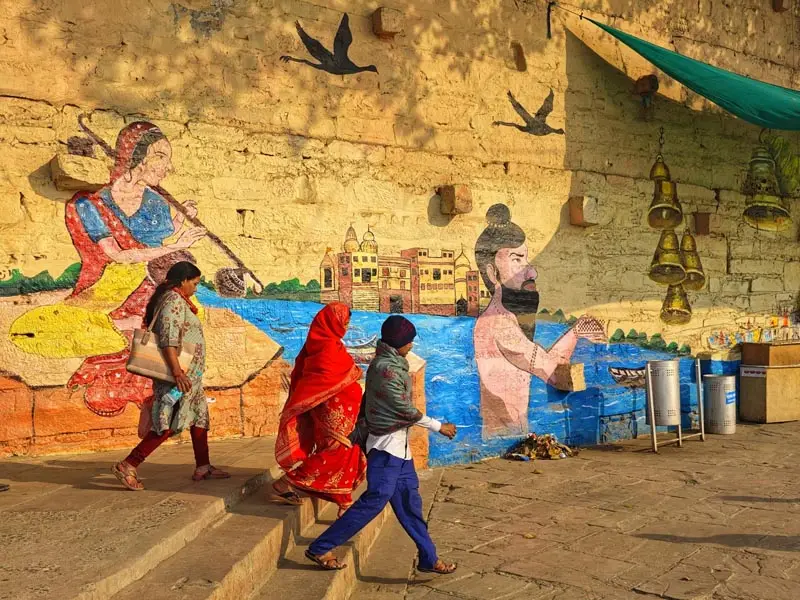
Colorful wall art on the Varanasi riverfront illustrating devotional scenes beside historic stone steps
Sacred ghat in Varanasi showcasing ritual firewood stacks and the city’s enduring spiritual traditions.

Why Varanasi

Varanasi appeals to travelers who seek destinations with profound cultural depth and long-standing ritual traditions. The city’s ghats, temples, and riverfront spaces offer a rare opportunity to witness practices that have remained central to local life for generations. From the serenity of early river journeys to the precision of nightly ceremonies, Varanasi provides meaningful insight into India’s spiritual heritage.

Beyond its sacred landmarks, the city presents a rich tapestry of craft, cuisine, and community. Handwoven Banarasi silks, traditional music, and regional dishes reflect a heritage that extends far beyond the riverbanks. With its compact scale and strong identity, Varanasi serves as a compelling destination for travelers seeking history, atmosphere, and a deeper understanding of India’s cultural landscape.

What's Unique About Varanasi

Varanasi’s defining distinction is its uninterrupted relationship with the Ganges River. The ghats form an architectural and cultural corridor where worship, daily chores, and communal gatherings occur side by side. This river-centered urban design is unlike any other city in India, creating a civic landscape that is simultaneously functional, spiritual, and historical. Each ghat carries its own significance, contributing to a mosaic of lived tradition shaped across centuries.

Equally distinctive is Varanasi’s role as a center for classical music, Sanskrit learning, and artisanal weaving. The city has nurtured generations of musicians and scholars, while its Banarasi silk workshops maintain techniques that are highly valued across India. This combination of sacred practice, artistic lineage, and intellectual tradition gives Varanasi a multilayered identity found nowhere else in the country.

Morning prayer ritual on the ghats of Varanasi as young devotees make offerings to the Ganges.
Devotees covered in vibrant powders during a traditional Holi celebration at a temple in Varanasi

Best time to visit: November to February provides the most comfortable climate and atmospheric clarity for exploring Varanasi’s riverfront and historic districts.

Weather and Seasons in Varanasi

Winter (November–February)
Cool, pleasant weather makes this the most comfortable time for river journeys, temple visits, and exploring the old city’s narrow lanes.

Spring (March–April)
Warm but manageable temperatures support sightseeing and outdoor ceremonies, with early mornings offering particularly comfortable conditions.

Summer (May–June)
Heat becomes intense; activities are best scheduled for early morning and evening. Indoor visits to museums and workshops help balance the day.

Monsoon (July–September)
Rains swell the Ganges and create humid conditions, though the riverfront takes on a dramatic character. Travel remains feasible with flexible planning.

Autumn (October)
Clearer skies and moderate temperatures return, coinciding with festivals that bring additional cultural vibrancy.

Varanasi offers a rare combination of spiritual continuity, cultural craftsmanship, and river-centered life. Its ghats, alleyways, and ceremonies reveal a city shaped by long-standing traditions and a rhythm that remains steady across generations.

For travelers seeking depth, heritage, and a destination with strong cultural identity, Varanasi stands as one of India’s most compelling places to explore. When you’re ready to experience its river journeys, historic quarters, and enduring traditions, we’ll design an itinerary that reflects your interests and preferred pace.

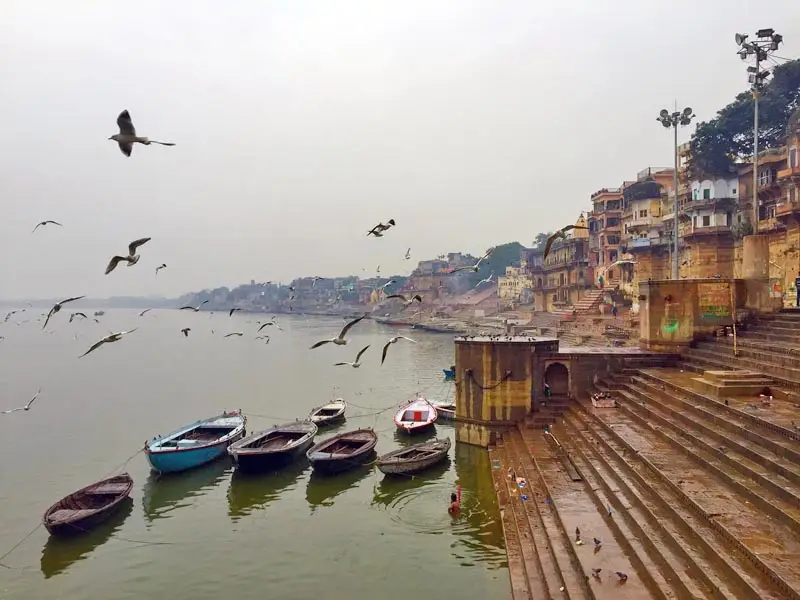
Boats lined along the misty ghats of Varanasi on the Ganges River with birds flying overhead

ACCOMODATIONS IN VARANASI

Cozy seating area at Taj Ganges, Varanasi, featuring an upholstered armchair, side table with decor, warm lighting, and framed artwork on the wall.

Taj Ganges

Set on the historic Nadesar Palace grounds, Taj Ganges Varanasi offers a rare sense of space within one of India’s most storied cities. Surrounded by mango ...
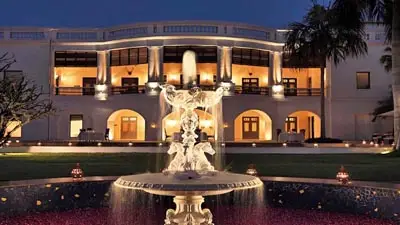
Evening view of Taj Nadesar Palace, Varanasi, featuring a grand heritage façade with arched verandas, warm lighting, and a central fountain in the foreground.

Taj Nadesar Palace

Built in the early 19th century, the palace reflects a blend of colonial and Indian architectural influences, preserved with care and comfort...
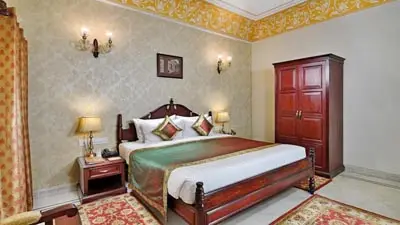
Classic heritage-style room at BrijRama Palace, Varanasi, featuring a wooden bed with ornate headboard, patterned textiles, antique furnishings, and warm traditional decor.

BrijRama Palace

Originally built in the 18th century by the Maratha rulers, the palace retains its historic grandeur while integrating subtle modern comforts. Ornate jharokha windows...
SUGGESTED ITINERARIES

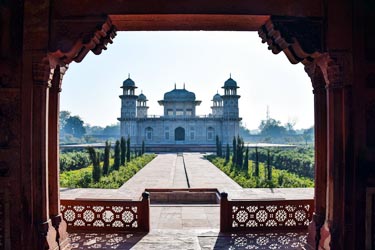
Framed view of Itimad-ud-Daulah’s Tomb in Agra, India, showcasing Mughal architecture with manicured gardens and intricate archway details in the foreground.

Spectacular India

Delhi, Varanasi, Agra, Ranthambhore, Jaipur, Mumbai

A broader India journey that pairs iconic cities and sacred river traditions with Ranthambore’s tiger landscapes for a more varied and expansive introduction.
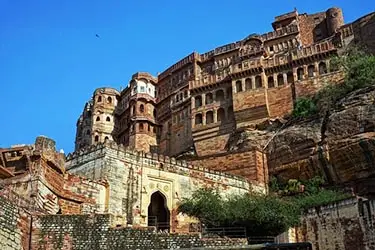
Mehrangarh Fort in Jodhpur, India, rising dramatically above the city on a rocky hill, with massive stone walls, intricate facades, and a grand प्रवेश gate.

Mystical Gems of India

Mumbai, Aurangabad, Udaipur, Jaipur, Agra, Delhi

An architecture-focused journey through India’s most extraordinary sites, from Ajanta and Ellora’s rock-cut caves to Rajasthan’s palace cities and Mughal
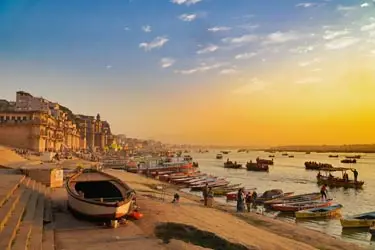
Sunrise over the Ganges River in Varanasi, India, with boats along the ghats, historic riverside buildings, and people gathered along the steps.

Majestic India

Delhi, Agra, Jaipur, Kolkata, Varanasi

A private journey across India’s imperial cities, sacred river traditions, and cultural centers, offering a deeper exploration of the country’s history, spirituality, and living heritage.


Ready to embark on your adventure of a lifetime?

However you imagine Asia, our luxury travel specialists will bring it to life — flawlessly.

The Explorient Difference

Scroll to Top

Please fill out the form below so we can assist you as efficiently as possible. We aim to respond within 1-2 business days.

Name
What's your preferred contact method?
Press Ctrl Key and mouse click to multi-select.