Agra Travel Guide
Discover your own version of
Agra
Highlights
- Taj Mahal Sunrise or Sunset Views — Experience the monument’s shifting colors and fine marble details under soft natural light.
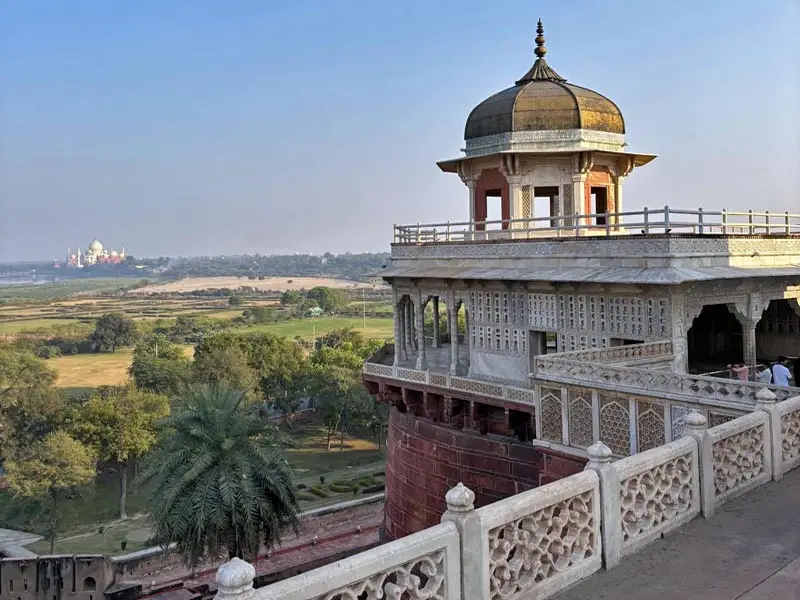
- Agra Fort Heritage Walks — Explore palatial chambers, courtyards, and river-facing terraces that reveal Mughal political life.
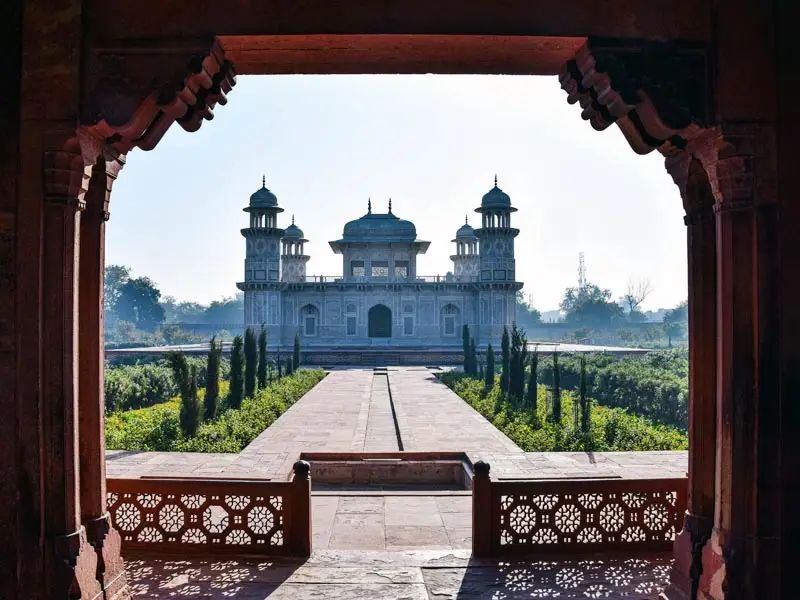
- Itimad-ud-Daulah’s Garden Setting — Discover a delicate marble tomb that marks an important evolution in Mughal architectural style.
- Mehtab Bagh Riverfront Perspectives — Enjoy balanced, symmetrical views of the Taj Mahal across the Yamuna from a historic Mughal garden.
- Traditional Craft Workshops — Observe artisans practicing marble inlay, embroidery, and other crafts linked to the city’s imperial heritage.
- Mughlai Cuisine Tastings — Savor dishes inspired by royal kitchens, from aromatic kebabs to richly spiced curries and breads.
Agra – Explore the Taj Mahal, Majestic Forts & UNESCO Mughal Landmarks
Agra sits along a broad curve of the Yamuna River, where Mughal gardens, sandstone ramparts, and marble mausoleums shape the city’s distinctive silhouette. The Taj Mahal rises at the river’s edge with a clarity that anchors the landscape, its surfaces shifting gently as light moves across the sky. Nearby, red-sandstone forts, ceremonial gateways, and symmetrical gardens contribute to an environment defined by balance, scale, and centuries of architectural refinement.
Daily rhythms deepen this sense of continuity. Stone inlay workshops echo the craftsmanship perfected during the Mughal era, markets move with a steady cadence, and riverfront neighborhoods carry routines shaped by long-standing traditions. Vendors prepare morning snacks, artisans open their studios, and the old city reveals layers of trade and cultural exchange. Through these patterns, Agra’s character emerges as a blend of monumental design and the lived heritage that continues to shape everyday life.
What to See in Agra
Taj Mahal’s Marble Mastery — White marble, inlaid stonework, and perfect symmetry create a landmark that reveals new details with every shift of light.
Agra Fort’s Imperial Architecture — Massive sandstone walls, audience halls, and river-facing pavilions reflect the power and sophistication of the Mughal court.
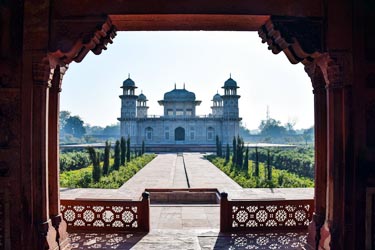
Itimad-ud-Daulah’s Garden Tomb — A delicate marble structure set within charbagh gardens, marking a pivotal transition toward the Taj’s design language.
Mehtab Bagh Riverside Vistas — A historic Mughal garden aligned with the Taj Mahal, offering serene, balanced perspectives across the Yamuna.
Akbar’s Tomb at Sikandra — A striking complex blending red sandstone, marble inlay, and monumental gateways that convey the emperor’s eclectic vision.
Mughal-Era Gardens & Monuments — Early landscapes like Ram Bagh and other riverside sites illustrate the empire’s mastery of geometry, horticulture, and water design.
Things to Do in Agra
Walk the Taj Mahal’s Plinth — Observe intricate carvings and symmetrical craftsmanship up close while taking in expansive views of its surrounding gardens.
Explore Agra Fort’s Inner Pathways — Move through palaces, courtyards, and audience halls that reveal layers of daily life within the Mughal court.
Visit Marble Inlay Studios — Meet artisans who continue pietra dura traditions, shaping semi-precious stones into the same patterns found on the Taj.
Stroll Through Agra’s Old Bazaars — Discover zardozi embroidery, leatherwork, and local sweets in markets that reflect long-standing regional craftsmanship.
Enjoy Sunset at Mehtab Bagh — Watch the Taj Mahal’s silhouette shift in color as the river and gardens settle into evening calm.
Taste Mughlai Cuisine in Heritage Settings — Experience dishes rooted in imperial culinary techniques, from slow-cooked curries to fragrant kebabs and breads.
Why Agra
Agra appeals to travelers who appreciate destinations with profound historical resonance and architectural mastery. The Taj Mahal, Agra Fort, and nearby tombs offer a rare concentration of UNESCO-listed sites, each reflecting a different facet of Mughal innovation—marble inlay, red-sandstone engineering, and Persian-influenced garden planning. These landmarks allow visitors to experience centuries of artistic experimentation through spaces that remain remarkably intact.
Beyond its monuments, Agra provides a meaningful introduction to North India’s cultural and culinary traditions. Local eateries highlight Mughlai dishes shaped by imperial kitchens, while markets display handicrafts linked to techniques passed down through families. The city’s close proximity to Delhi and Jaipur also positions it as an accessible and essential part of India’s Golden Triangle, offering depth and variety within a compact region.
What's Unique About Agra
Agra’s identity is defined by its extraordinary Mughal legacy. Few cities in the world present such a cohesive architectural narrative, from Humayun-influenced garden tombs to Shah Jahan’s marble masterpieces. The city’s monuments are not isolated relics—they form a connected landscape that reveals shifts in artistic taste, political power, and technological innovation across multiple reigns. The relationship between sandstone forts, white-marble mausoleums, and meticulously planned gardens creates a distinctive architectural dialogue found nowhere else in India.
Equally unique is Agra’s dedication to preserving artisanal techniques rooted in its imperial history. Stone inlay, marble carving, zardozi embroidery, and leather craftsmanship remain active trades practiced in small workshops across the city. These crafts provide continuity between Agra’s past and present, linking monumental architecture with the fine details produced by local hands. This combination of grand design and intricate workmanship distinguishes Agra as a cultural and artistic center.
Best time to visit: November to February provides the most comfortable climate and atmospheric clarity for Agra’s architectural sites.
Weather and Seasons in Agra
Winter (November–February)
Agra’s most pleasant season, with cool mornings and mild afternoons ideal for visiting monuments and wandering gardens. Clear skies enhance views of the Taj Mahal.
Spring (March–April)
Warm but comfortable weather supports outdoor exploration, with blooming flowers adding softness to the city’s gardens and riverfront areas.
Summer (May–June)
Heat becomes intense, making early-morning and late-evening visits preferable. Indoor museum stops and craft workshops offer welcome breaks during midday hours.
Monsoon (July–September)
Intermittent rains cool the air and lend a fresh quality to the landscape. Travel remains manageable with flexible planning, especially for outdoor excursions.
Autumn (October)
Temperatures begin to ease, and the air clears after monsoon season, creating favorable conditions for photography and heritage walks.
Agra offers a compelling blend of monumental architecture, living craft traditions, and riverside calm. Time spent moving between its forts, gardens, and workshops reveals a city shaped by artistry, history, and enduring cultural rhythm.
For travelers seeking depth, beauty, and a clear sense of India’s imperial past, Agra delivers a richly layered experience. When you’re ready to explore its landmarks, neighborhoods, and creative heritage, we’ll craft an itinerary that reflects your interests and preferred pace of travel.
ACCOMODATIONS IN AGRA

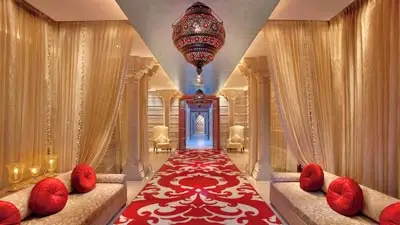
ITC Mughal
Situated just minutes from the Taj Mahal, ITC Mughal sits within verdant expanses inspired by the gardens and waterways of India’s Mughal heritage...

Oberoi Amarvilas
Set less than a kilometer from the Taj Mahal, The Oberoi Amarvilas occupies one of the most coveted positions in India, with uninterrupted views of the monument...
SUGGESTED ITINERARIES

Spectacular India
Delhi, Varanasi, Agra, Ranthambhore, Jaipur, Mumbai
A broader India journey that pairs iconic cities and sacred river traditions with Ranthambore’s tiger landscapes for a more varied and expansive introduction.
Mystical Gems of India
Mumbai, Aurangabad, Udaipur, Jaipur, Agra, Delhi
An architecture-focused journey through India’s most extraordinary sites, from Ajanta and Ellora’s rock-cut caves to Rajasthan’s palace cities and Mughal
Majestic India
Delhi, Agra, Jaipur, Kolkata, Varanasi
A private journey across India’s imperial cities, sacred river traditions, and cultural centers, offering a deeper exploration of the country’s history, spirituality, and living heritage.

Ready to embark on your adventure of a lifetime?
However you imagine Asia, our luxury travel specialists will bring it to life — flawlessly.