
Delhi Travel Guide
Discover your own version of
Delhi
Highlights
- Old Delhi Heritage Streets — Walk through atmospheric lanes filled with spice markets, Mughal-era facades, and long-standing culinary traditions.
- Humayun’s Tomb Gardens — Explore serene, geometrically planned gardens surrounding one of India’s most significant Mughal monuments.
- Lutyens’ Delhi Drives — Take in imperial-era boulevards, government buildings, and tree-lined vistas that define the capital’s modern identity.
- Contemporary Art and Crafts Circuits — Discover galleries, ateliers, and design studios showcasing India’s evolving creative landscape.
- Culinary Journeys Through Tradition & Modernity — Experience refined Indian dining, regional specialties, and celebrated street food scenes.
- Temple & Mosque Rituals — Observe daily worship and cultural rhythms at historical religious sites across the city.
Delhi – A Vibrant Destination for Culture, Cuisine, and Heritage Travel
Delhi is one of the world’s oldest continuously inhabited cities, shaped by dynasties, empires, and trade routes that have left a visible record across its terrain. Today it serves as India’s capital and a major urban center, where broad avenues planned under British rule meet older quarters marked by Mughal gardens, sandstone fortifications, and dense residential clusters. The city’s scale is immediately apparent—domes, gateways, and leafy boulevards setting a measured rhythm that stretches across both New Delhi and the historic districts to the north.
Daily life brings further definition to this landscape. In Old Delhi, markets move with a steady pulse, their lanes lined with spice traders, metalworkers, and long-standing family shops. South and central districts reveal a more contemporary pace, with galleries, cafés, and diplomatic enclaves built around older monuments. Morning prayers rise from temples and mosques, Metro trains carry commuters between neighborhoods, and public spaces host a mix of leisure, commerce, and routine. Across these layers, Delhi’s character emerges as a city where centuries of architectural heritage and modern civic life remain closely intertwined.
What to See in Delhi
Mughal-Era Landmarks – The Red Fort, Humayun’s Tomb, and Jama Masjid anchor Delhi’s historical landscape, showcasing monumental architecture, intricate stonework, and centuries of imperial heritage.
Lutyens’ Imperial Boulevards – India Gate, Rashtrapati Bhavan, and the tree-lined avenues of New Delhi reflect the city’s early 20th-century urban vision—grand, symmetrical, and symbolically designed.
Sacred Sites Across Faiths – From the serene Lotus Temple to Bangla Sahib’s gleaming sarovar and the ancient Qutub complex, Delhi’s spiritual spaces reveal the diversity at the heart of the capital.
Bustling Old Delhi Streets – Chandni Chowk’s narrow lanes, spice markets, and centuries-old havelis offer an atmospheric window into the city’s living history and layered cultural traditions.
Museums & Cultural Institutions – The National Museum, Crafts Museum, and Gandhi Smriti present India’s artistic, political, and anthropological narratives through immersive collections and exhibitions.
Urban Gardens & Monuments – Lodhi Gardens, Safdarjung’s Tomb, and Sunder Nursery bring together Mughal-era monuments with tranquil green spaces, ideal for wandering among history and horticulture.
Things to Do in Delhi
Explore Old Delhi by Rickshaw – Weave through historic bazaars, aromatic spice alleys, and vibrant trading streets for an immersive look at the city’s oldest quarter.
Savor Delhi’s Culinary Traditions – From kebabs in Old Delhi to contemporary Indian cuisine in New Delhi’s refined dining rooms, the city offers deep regional flavors and culinary innovation.
Walk Through Lodi Art District – Discover India’s largest open-air public art gallery, where bold murals transform residential streets into a lively creative corridor.
Attend a Cultural Performance – Classical dance, music recitals, and theatre events at venues like India Habitat Centre bring India’s performing arts to life.
Shop Handcrafted Textiles & Design – Khan Market, Dilli Haat, and upscale boutiques across the city highlight India’s craftsmanship—from woven silks to contemporary artisanal décor.
Join a Guided Heritage Walk – Explore forgotten stepwells, Mughal gardens, old neighborhoods, and architectural stories that reveal Delhi’s centuries of transformation.
Why Delhi
Delhi appeals to travelers who appreciate destinations with depth, contrast, and cultural resonance. Its architectural breadth—spanning ancient dynasties, Mughal refinement, colonial design, and modern India—offers an immersive look into the country’s evolving story. Iconic monuments stand alongside active religious sites, allowing visitors to experience history not as a preserved display, but as a living, integrated part of daily life.
Beyond its landmarks, the city offers a dynamic mix of dining, shopping, and neighborhood exploration. Street food stands, boutique restaurants, and contemporary cafés reflect Delhi’s culinary diversity, while markets like Khan Market, Chandni Chowk, and Dilli Haat provide access to textiles, crafts, and regional specialties. Whether traveling for culture, cuisine, or immersion in one of Asia’s most significant capitals, Delhi rewards curiosity with endless layers to explore.
What's Unique About Delhi
Delhi’s uniqueness lies in its role as a continuous seat of power for nearly a millennium—a place where successive empires left distinct architectural, cultural, and administrative imprints. The city’s historic cores, including Shahjahanabad and Mehrauli, preserve this long arc of rule through mosques, stepwells, mausoleums, and fortifications that reveal different moments in India’s political history. Few capitals in the world offer such a concentrated, living archive of empire and governance.
Equally distinctive is the contrast between Old and New Delhi. The planned symmetry of Lutyens’ Delhi—with its wide avenues, diplomatic missions, and ceremonial spaces—sits in deliberate tension with the organic complexity of older districts. This interplay between formality and spontaneity, between structured civic design and vibrant local neighborhoods, gives Delhi an identity that cannot be replicated elsewhere. The city’s cultural institutions, intellectual life, and artistic communities further enhance this sense of singularity.
Best time to visit: October through March offers the most comfortable climate and the best conditions for experiencing Jaipur’s outdoor architecture and historic landscapes.
Weather and Seasons in Delhi
Winter (November–February)
Delhi’s most pleasant season brings crisp mornings, mild afternoons, and clear skies ideal for sightseeing. Outdoor dining, garden strolls, and heritage walks are especially enjoyable. Light layers are recommended.
Spring (March–April)
Temperatures rise but remain comfortable, with blooming trees and longer days creating a warm, active atmosphere. This is a good time for cultural festivals and neighborhood markets.
Summer (May–June)
Intense heat defines this season, making early mornings and late evenings the most comfortable times to explore. Indoor museums, galleries, and culinary experiences become ideal alternatives.
Monsoon (July–September)
Rain brings relief from the heat and adds a fresh quality to the city’s parks and monuments. Showers are intermittent, and travel remains manageable with flexibility.
Autumn (October)
A transition period marked by gradually cooling weather and clear skies. This is a popular time for cultural events and outdoor excursions.
Delhi offers a substantial and wide-ranging introduction to India’s history, architecture, and contemporary civic life. Its monuments, museums, gardens, and varied districts create a comprehensive perspective on the region’s past and present, supported by strong infrastructure and excellent accommodations.
If you are planning to explore Delhi’s heritage or use the capital as a base for broader travel throughout northern India, we can design an itinerary that reflects your preferred pace, interests, and level of immersion. Our team will ensure a seamless and informed experience throughout your stay.
ACCOMODATIONS IN NEW DELHI

Taj Palace
The hotel blends contemporary elegance with subtle Indian craftsmanship, expressed through intricate jaali screens...

Oberoi Hotel
Set in the heart of New Delhi’s diplomatic enclave, The Oberoi New Delhi occupies a privileged position overlooking...

Leela Palace
The hotel’s architecture draws inspiration from India’s grand palatial traditions, integrating domes, ...
SUGGESTED ITINERARIES

Mystical Gems of India
Mumbai, Aurangabad, Udaipur, Jaipur, Agra, Delhi
An architecture-focused journey through India’s most extraordinary sites, from Ajanta and Ellora’s rock-cut caves to Rajasthan’s palace cities and Mughal
Signature India & Nepal
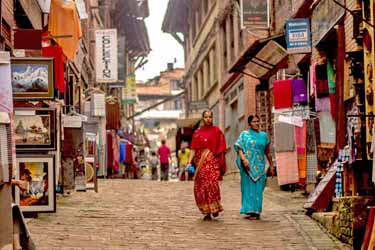
Delhi, Udaipur, Jodhpur, Jaipur, Agra, Kathmandu
A cross-border journey linking India’s royal cities and Mughal heritage with Kathmandu’s temple-filled valley and Himalayan cultural landscape.
Majestic India
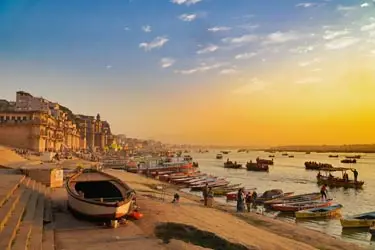
Delhi, Agra, Jaipur, Kolkata, Varanasi
A private journey across India’s imperial cities, sacred river traditions, and cultural centers, offering a deeper exploration of the country’s history, spirituality, and living heritage.

Ready to embark on your adventure of a lifetime?
However you imagine Asia, our luxury travel specialists will bring it to life — flawlessly.