

Planning a Trip to Asia? Here’s What You Need to Know Before You Go Planning a trip to Asia often begins with the same practical question: what do I need to enter the country? While many of Asia’s most popular destinations are now relatively straightforward for U.S. and Canadian travelers, entry requirements are ever changing, and can vary widely by country. Some allow visa-free entry, others require an e-visa and/or arrival card, and a few still involve more formal advance

Reliable connectivity has become a quiet backbone of international travel. From navigation and translation to reservations and real-time coordination, access to mobile data now shapes how travelers move through a destination. The question is no longer whether to stay connected—but how to do so efficiently. For 2026, that conversation increasingly centers on one solution: eSIMs for international travel. What follows is a practical guide to choosing the best eSIM for your trip—along with when alternatives like local SIM cards or

Few destinations balance contrast as seamlessly as Japan. Across the country, centuries-old traditions exist alongside some of the most advanced urban environments in the world. Temples and shrines sit quietly beneath city skylines, seasonal rituals shape daily life, and landscapes shift from coastal plains to alpine regions within a matter of hours. For travelers, this creates not just variety, but a sense of continuity—where each experience feels connected to a broader cultural framework. For those beginning to explore what that

A journey through Japan often moves between its major cities and cultural landmarks—but in Takayama, the experience takes on a different rhythm. Nestled within the Japanese Alps, Takayama offers one of the country’s most complete views of its past—where Edo-period streets, traditional crafts, and regional culture remain closely tied to daily life. Paired with nearby alpine landscapes and the UNESCO-listed villages of Shirakawa-go, it becomes not simply a stop along the way, but a destination that adds depth and contrast

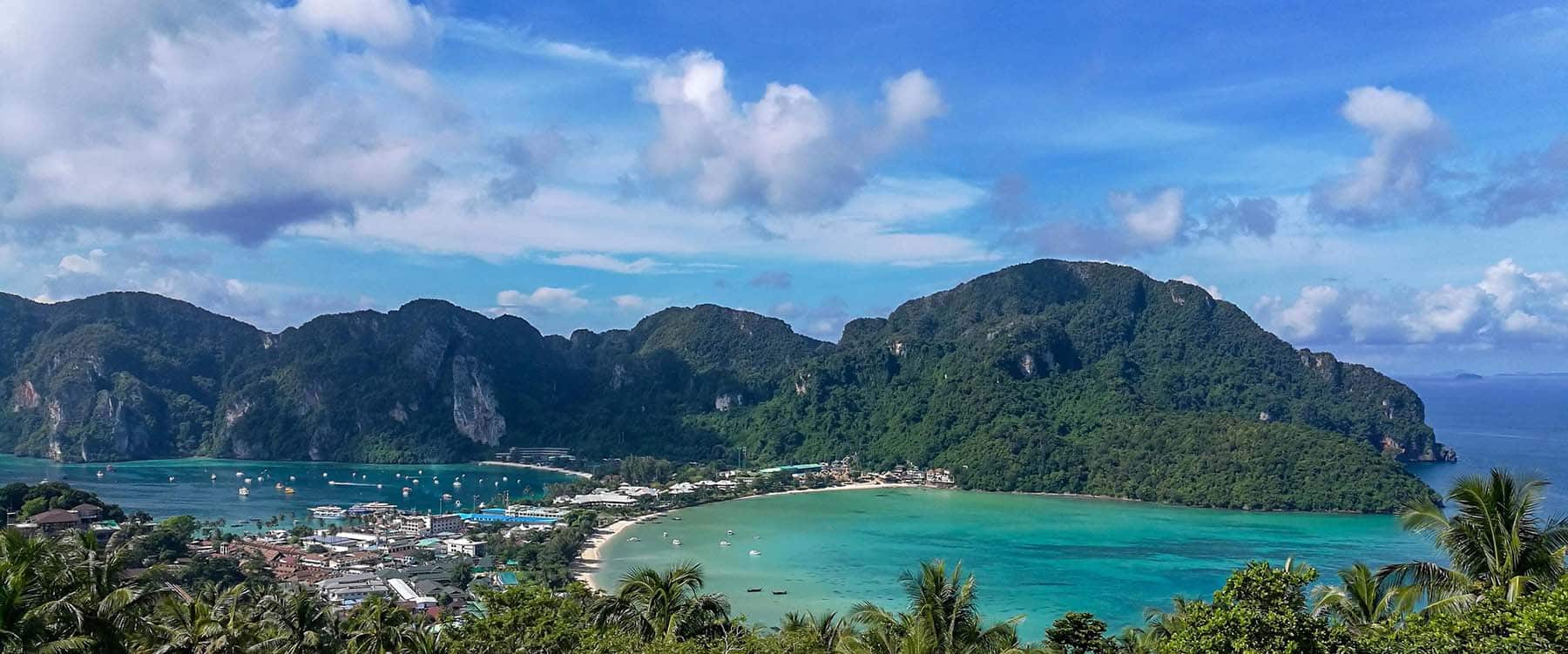
A new year often brings new travel plans—but few regions offer the range and depth of Asia. Across its countries, travelers encounter a spectrum of experiences that rarely exist so closely together—modern cities and ancient civilizations, structured itineraries and spontaneous discovery, natural landscapes and cultural immersion. For many, what begins as a trip becomes something more layered: a journey shaped not just by where you go, but by how each place connects to the next. Our curated Asia journeys offer