Customs Traditions & Etiquette of China

Chinese Etiquette

When embarking on a trip to a place like China, it can be exciting and enthralling all at once. The new experiences you’re sure to have, the foods you’re intending to eat and the new culture you’re going to get

When embarking on a trip to a place like China, it can be exciting and enthralling all at once. The new experiences you’re sure to have, the foods you’re intending to eat and the new culture you’re going to get a look at can all get your excitement level reaching new heights, but there are some things to remember when going to a country whose culture and traditions differ vastly from your own. Every country has its own customs, traditions, and etiquette and it’s a great idea to learn a bit about each before heading off on your trip. Not only will it help you to be prepared for what you’re likely to experience when you get there, but it will ensure you don’t make any strange social faux pas errors in your own behavior. You never know – something as seemingly innocent as a hug may make people in a foreign land feel uncomfortable.

When you head off to China on one of Explorient’s amazing China tours, you’re going to experience a lot of the beautiful country, meet different people and generally have a wonderful experience. But just what should you be prepared for? We’ve put together this short guide to the customs, traditions and etiquette of China to help you get prepared so you can hit the ground running. So sit back, relax and enjoy learning more about this unique, historical and beautiful country.

Chinese Customs and Traditions

There are often a number of different customs that many foreigners may find strange, but hopefully, with this short guide, you can be prepared for your trip to China with Explorient on our Spectacular Yunnan tour, a tour that takes you throughout the country to explore a number of regions. Have a read through these unique customs and traditions that you may run into to help ensure you’re prepared for every eventuality.

Gifting and Receiving Gifts

When gifting and receiving gifts in China, it’s customary to present or receive the gift with both hands. This is a show of respect and is considered polite. On top of this, the person receiving the gift will normally refuse the gift politely several times before accepting it. As for what to gift? Something from your home country such as candies or chocolates or well-known local spirits or cigarettes. You can also give small items such as CDs, perfume or books from your home country as well.

Colors

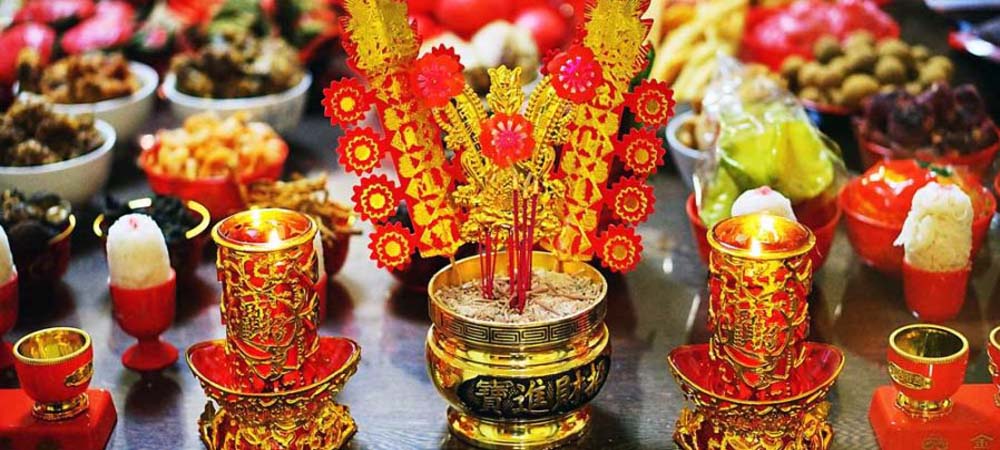
In Chinese culture, the color red can be fairly prominent in certain situations. Never write in red ink as it has connections to death and announcing bad news. Instead, be sure to write in black or blue ink if writing something to someone. Save the red colors for things like clothing, money wallets and decorations.

Meeting People

Always address the most senior person first and greet with a handshake. Bowing is not customary in China, but is in Japan and Korea so a handshake will suffice. It’s likely you will meet a number of people throughout China on your China Impressions tour with Explorient – a great opportunity to explore many parts of this beautiful country.

Spitting Is Common

It’s true – loudly spitting is a common activity throughout China and it’s one that travelers may find strange and gross. Just be mindful of where you walk if you’re bothered by this and understand that it’s just something that happens.

Pointing Is Rude

This is a big thing in a lot of countries and cultures around the world. Sometimes even in the west we’re told not to point at people because it’s rude, but it’s especially so in parts of China with Tibetan populations such as Lhasa, the capital of the Tibetan region or parts of western China. You’ll visit the beautiful capital of Lhasa on Explorient’s Tibet Highlights tour, a beautiful exploration of all the best bits of this unique region.

 Eating With Chopsticks

There are a number of unofficial rules when eating with chopsticks that are good to know about in advance. Firstly, when taking food from communal bowls, it’s frowned upon to use your own chopsticks to take food as it’s seen as unhygienic. Secondly, it’s seen as bad luck and tied to a ritual associated with death offerings to leave your chopsticks sitting upright in a bowl. You should also not tap on the bowl or table with your chopsticks or have them in your hand when making hand gestures. Overall, treat chopsticks with respect.

Belching Is Best

It’s true! China is one of the countries where burping after a meal is considered a sign of gratitude to the chef and is commonly done at the dinner table. Likewise, leaving a bit of food on the plate is done to show gratitude to the host or chef for their generosity, so be sure to leave a couple of morsels of food on your plate – even if it’s delicious beyond belief and you want to eat every crumb. You’ll find this a common sight throughout China.

 Non-Stop Tea

If you like tea, China is the place to be. During meals and tea-drinking sessions, your tea is liable to be filled seemingly non-stop. The host will ensure your cup doesn’t run dry by refilling it constantly, an activity that is responded to by the guest tapping the table with their fingers as a sign of gratitude. With the high-quality teas that China produces, anytime you find yourself lucky enough to have non-stop tea, you will be in for a treat.

Refusing Compliments

Refusing complimentary words is seen as a polite gesture in China. Accepting a compliment immediately can be seen as a sign of vanity. Instead, refusing compliments is seen as the polite thing to do, so if someone compliments you, be sure to act the part of the bashful recipient, at least at first.

Tipping Is Not Expected

While in the west it’s the complete opposite, tipping in China is rather uncommon. Tipping in restaurants is not necessary and you won’t see anyone doing it really except on tours or in higher class hotels, so save your tipping and math skills for when you’re back home.

Say Cheese

Chinese people love westerners and as a result, you might get to embrace your inner celebrity and pose for photos with locals. Many travelers have been asked for photos with locals or other tourists from other parts of the country. It’s quite a fun activity, if a bit strange, but just say cheese and have a laugh about it. What can it hurt?

Napping On the Street

You might be surprised to see people napping on the sides of streets or in parks on grassy knolls or benches. It’s quite common, especially in the summer months when the heat can be stifling in some parts of the country. Most of the time it’s just a bit of a surprising thing that westerners might find strange, but it doesn’t harm anyone and is actually a pretty great way to catch a few Z’s.

There you have a list of some of the customs, traditions, and bits of etiquette that might be useful for you to know in advance of your trip to China on our China Explorient tour. Enjoy!

Share:

Facebook
Twitter
Pinterest
LinkedIn
On Key

Related Posts

Travel Documents, Tips and Visa requirements for Asia

A Guide to Asia’s Entry Requirements

Planning a Trip to Asia? Here’s What You Need to Know Before You Go Planning a trip to Asia often begins with the same practical question: what do I need to enter the country? While many of Asia’s most popular destinations are now relatively straightforward for U.S. and Canadian travelers, entry requirements are ever changing, and can vary widely by country. Some allow visa-free entry, others require an e-visa and/or arrival card, and a few still involve more formal advance

eSIM for Your Asia Travel Planning

Best eSIM for International Travel (2026): SIM Cards, Data Plans & Smart Connectivity

Reliable connectivity has become a quiet backbone of international travel. From navigation and translation to reservations and real-time coordination, access to mobile data now shapes how travelers move through a destination. The question is no longer whether to stay connected—but how to do so efficiently. For 2026, that conversation increasingly centers on one solution: eSIMs for international travel. What follows is a practical guide to choosing the best eSIM for your trip—along with when alternatives like local SIM cards or

Osaka Castle rising above blooming cherry blossoms and colorful trees, set against a bright blue sky with billowing clouds.

Why Travel to Japan: Culture, Cuisine & Unique Experiences

Few destinations balance contrast as seamlessly as Japan. Across the country, centuries-old traditions exist alongside some of the most advanced urban environments in the world. Temples and shrines sit quietly beneath city skylines, seasonal rituals shape daily life, and landscapes shift from coastal plains to alpine regions within a matter of hours. For travelers, this creates not just variety, but a sense of continuity—where each experience feels connected to a broader cultural framework. For those beginning to explore what that

Snow-covered rural landscape in Takayama Japan featuring a lone farmhouse beneath a large leafless tree, surrounded by a forested hillside under a partly cloudy sky.

Discover Takayama: A Hidden Gem in the Japanese Alps

A journey through Japan often moves between its major cities and cultural landmarks—but in Takayama, the experience takes on a different rhythm. Nestled within the Japanese Alps, Takayama offers one of the country’s most complete views of its past—where Edo-period streets, traditional crafts, and regional culture remain closely tied to daily life. Paired with nearby alpine landscapes and the UNESCO-listed villages of Shirakawa-go, it becomes not simply a stop along the way, but a destination that adds depth and contrast

Fisherman net fishing at dusk in Southern Thailand

Why Visit Asia: 8 Reasons to Travel

A new year often brings new travel plans—but few regions offer the range and depth of Asia. Across its countries, travelers encounter a spectrum of experiences that rarely exist so closely together—modern cities and ancient civilizations, structured itineraries and spontaneous discovery, natural landscapes and cultural immersion. For many, what begins as a trip becomes something more layered: a journey shaped not just by where you go, but by how each place connects to the next. Our curated Asia journeys offer

Scroll to Top

Please fill out the form below so we can assist you as efficiently as possible. We aim to respond within 1-2 business days.

Name
What's your preferred contact method?
Press Ctrl Key and mouse click to multi-select.