Your Perfect Itinerary For a One Day Tokyo Visit

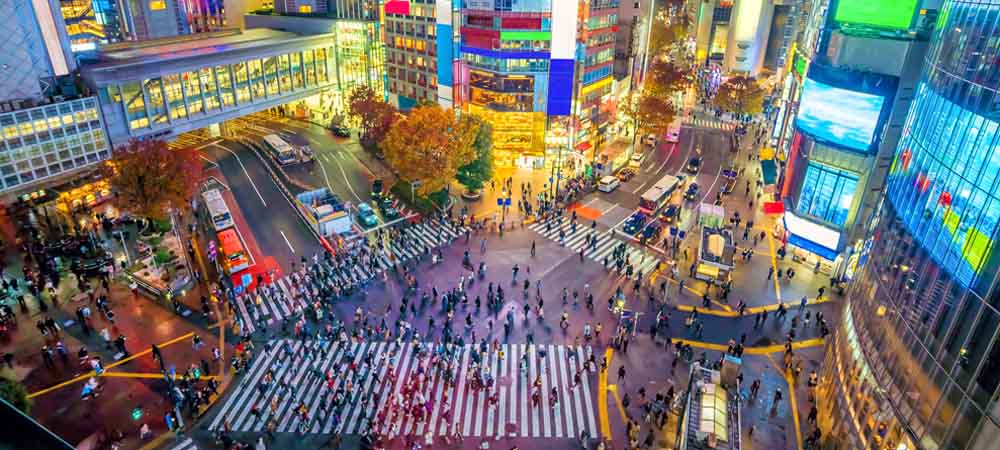
Shibuya Crossing, Tokyo tours

Perhaps you’re in Tokyo for a brief business trip—a single day carved out between obligations. Or maybe it’s a long layover, arriving early and departing late, with just enough time to step into the city. If you have just one

Perhaps you’re in Tokyo for a brief business trip—a single day carved out between obligations. Or maybe it’s a long layover, arriving early and departing late, with just enough time to step into the city.

If you have just one day in Tokyo—whether on a layover, a short visit, or between destinations—this itinerary shows you how to experience the city efficiently and meaningfully. Thoughtfully paced and geographically aligned, it balances Tokyo’s contrasts: serenity and spectacle, tradition and modernity, all within a single, well-composed day.

It’s an ambitious day—but with an early start and efficient routing, it is entirely achievable.

A Measured Beginning

Breakfast at Your Hotel

In Japan, breakfast is less routine than ritual. Even in larger hotels, mornings are approached with care—often offering both Western and Japanese styles.

The Western spread is familiar, but the Japanese breakfast offers something more considered: steamed rice, miso soup, grilled fish or pork, and seasonal pickles. Light, balanced, and quietly restorative, it sets the tone for the day ahead.

Take your time. In Tokyo, even the first hour matters.

Early Morning — Meiji Shrine

Meiji Shrine in Tokyo, a traditional Shinto shrine with sweeping wooden roofs, ornate gold details, and visitors walking along the entrance beneath surrounding trees.
Tori Gate at Meiji Temple in Tokyo Japan on a snowy day.

Begin at Meiji Shrine, one of the city’s most atmospheric sanctuaries.

Passing beneath its towering torii gate, the transition is immediate. The surrounding forest softens the city’s intensity, replacing movement with stillness. It is a rare moment of pause—one that reframes your experience of Tokyo before the day gathers pace.

A short train or taxi ride from most central districts brings you here easily.

Moments like this—where the city gives way to something quieter—are woven throughout thoughtfully designed Japan journeys, balancing movement with stillness in equal measure.

Late Morning — Harajuku & Omotesando

Nighttime street in Omotesando, Tokyo, with illuminated boutiques and modern buildings lining a tree-lined avenue, light traffic, and pedestrians along the sidewalks.
Night view of Ginza, Tokyo, with brightly lit high-rise buildings, busy multilane traffic, and a glowing central avenue stretching into the distance.
Urban cityscape in Tokyo at dusk with illuminated office buildings, a busy transit hub, construction cranes, and a pedestrian walkway connecting modern structures.

From Meiji Shrine, the city returns in layers.

Walk toward Omotesando, a broad, tree-lined avenue defined by striking architecture and flagship boutiques. Often compared to the Champs-Élysées, it offers a composed, design-forward perspective on Tokyo.

Then shift tone entirely at Takeshita Street—a narrow, energetic corridor where youth culture takes center stage. Fashion here is expressive, experimental, and constantly evolving.

Together, these two streets capture a defining contrast: refinement and rebellion, side by side.

Midday — Tsukiji Outer Market

Your Perfect Itinerary For a One Day Tokyo Visit image
Japanese market stall selling packaged grilled fish and seafood, arranged in trays with handwritten price signs in yen and colorful labels.

Make your way to Tsukiji Outer Market for lunch.

Though no longer the wholesale fish market, Tsukiji remains one of Tokyo’s most compelling culinary destinations. Narrow lanes are filled with vendors serving impeccably fresh sushi, grilled seafood, and small, immediate pleasures best enjoyed standing at the counter.

There is no need for a formal meal. Sampling your way through the market is part of the experience—and often the highlight of the day.

A 20–30 minute subway ride connects Harajuku to Tsukiji.

For travelers particularly drawn to Japan’s culinary culture, this experience often becomes a starting point—one that deepens across regions, from Tokyo’s markets to Kyoto’s refined dining traditions.

Afternoon — Ginza to the Imperial Palace

Stone bridge over a calm moat at sunset with a traditional Japanese palace building and manicured trees in the background, reflecting warm evening light.
Your Perfect Itinerary For a One Day Tokyo Visit image

From Tsukiji, continue on foot toward Ginza, Tokyo’s most polished district.

Luxury storefronts, architectural precision, and understated elegance define the area. Whether browsing or simply observing, Ginza offers a slower, more deliberate pace—an opportunity to take in the city without urgency.

From here, walk onward to the Imperial Palace East Gardens.

This final transition—urban refinement to open space—is one of the day’s quiet rewards. Stone walls, manicured grounds, and wide skies create a sense of calm that feels far removed from the city’s density.

It is here, more than anywhere else, that the day seems to settle into focus.

If your schedule allows, consider extending your day with:

  • An evening visit to Shibuya for Tokyo’s neon-lit energy
  • A proper sushi counter experience
  • A second cultural district such as Asakusa, home to Sensō-ji, Tokyo’s oldest and most vibrant temple

While slightly out of the way for a single-day route, Asakusa offers a more traditional, street-level atmosphere—particularly rewarding in the early morning or evening when the crowds soften.

Each adds depth—but even without them, the day already forms a complete narrative.

A Final Thought

A single day in Tokyo offers a glimpse—enough to feel the rhythm, but not yet the full composition.

What makes Japan so compelling is not just its highlights, but the way each place builds upon the last—Tokyo’s energy giving way to Kyoto’s quiet refinement, regional cuisine deepening your understanding of place, and moments of stillness woven between movement.

Our journeys are designed with this progression in mind—expanding beyond a single day into a more layered and immersive experience of Japan.

  • Explore our Japan private tours for a broader view of the country
  • Or consider a Tokyo, Kyoto & Osaka culinary journey—an urban exploration of Japan’s most dynamic cities, where the energy, food culture, nightlife, and everyday rituals introduced here unfold more fully over time.

Share:

Facebook
Twitter
Pinterest
LinkedIn
On Key

Related Posts

Travel Documents, Tips and Visa requirements for Asia

A Guide to Asia’s Entry Requirements

Planning a Trip to Asia? Here’s What You Need to Know Before You Go Planning a trip to Asia often begins with the same practical question: what do I need to enter the country? While many of Asia’s most popular destinations are now relatively straightforward for U.S. and Canadian travelers, entry requirements are ever changing, and can vary widely by country. Some allow visa-free entry, others require an e-visa and/or arrival card, and a few still involve more formal advance

eSIM for Your Asia Travel Planning

Best eSIM for International Travel (2026): SIM Cards, Data Plans & Smart Connectivity

Reliable connectivity has become a quiet backbone of international travel. From navigation and translation to reservations and real-time coordination, access to mobile data now shapes how travelers move through a destination. The question is no longer whether to stay connected—but how to do so efficiently. For 2026, that conversation increasingly centers on one solution: eSIMs for international travel. What follows is a practical guide to choosing the best eSIM for your trip—along with when alternatives like local SIM cards or

Osaka Castle rising above blooming cherry blossoms and colorful trees, set against a bright blue sky with billowing clouds.

Why Travel to Japan: Culture, Cuisine & Unique Experiences

Few destinations balance contrast as seamlessly as Japan. Across the country, centuries-old traditions exist alongside some of the most advanced urban environments in the world. Temples and shrines sit quietly beneath city skylines, seasonal rituals shape daily life, and landscapes shift from coastal plains to alpine regions within a matter of hours. For travelers, this creates not just variety, but a sense of continuity—where each experience feels connected to a broader cultural framework. For those beginning to explore what that


Snow-covered rural landscape in Takayama Japan featuring a lone farmhouse beneath a large leafless tree, surrounded by a forested hillside under a partly cloudy sky.

Discover Takayama: A Hidden Gem in the Japanese Alps

A journey through Japan often moves between its major cities and cultural landmarks—but in Takayama, the experience takes on a different rhythm. Nestled within the Japanese Alps, Takayama offers one of the country’s most complete views of its past—where Edo-period streets, traditional crafts, and regional culture remain closely tied to daily life. Paired with nearby alpine landscapes and the UNESCO-listed villages of Shirakawa-go, it becomes not simply a stop along the way, but a destination that adds depth and contrast

Fisherman net fishing at dusk in Southern Thailand

Why Visit Asia: 8 Reasons to Travel

A new year often brings new travel plans—but few regions offer the range and depth of Asia. Across its countries, travelers encounter a spectrum of experiences that rarely exist so closely together—modern cities and ancient civilizations, structured itineraries and spontaneous discovery, natural landscapes and cultural immersion. For many, what begins as a trip becomes something more layered: a journey shaped not just by where you go, but by how each place connects to the next. Our curated Asia journeys offer

Scroll to Top

Please fill out the form below so we can assist you as efficiently as possible. We aim to respond within 1-2 business days.

Name
What's your preferred contact method?
Press Ctrl Key and mouse click to multi-select.