
As the world’s largest continent, Asia is defined less by its scale than by its range.
Across the region, ancient civilizations and modern cities exist side by side, while landscapes shift from dense urban skylines to remote mountain valleys and island coastlines. For travelers, this creates not just variety—but the ability to experience entirely different worlds within a single journey.
What follows is a considered selection of destinations that reflect the breadth of Asia—not simply where to go, but where the experience feels most complete.
Kyoto — Tradition in Practice
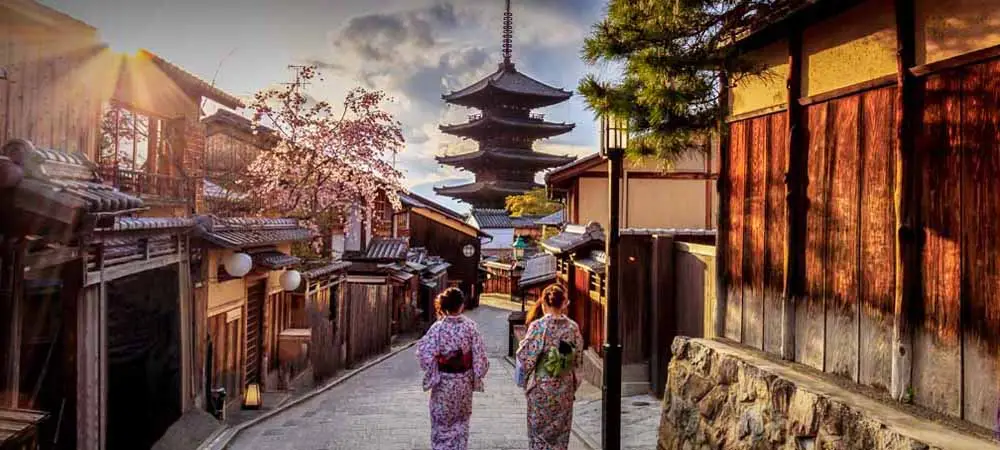
Kyoto remains one of Asia’s most refined cultural centers.
As Japan’s former imperial capital, it is home to hundreds of temples, shrines, and gardens—but what distinguishes Kyoto is not preservation alone, but continuity. Seasonal rituals, tea culture, and neighborhood rhythms continue to shape daily life.
Experiences here tend to be quiet and deliberate—temple visits at first light, walks through historic districts, and time spent in spaces where tradition is still practiced.
For those interested in exploring this balance of old and new, our Japan journeys offer a thoughtful way to experience Kyoto alongside other defining regions of the country.
Tokyo — Precision and Possibility

If Kyoto reflects tradition, Tokyo represents its evolution.
One of the world’s most dynamic cities, Tokyo balances scale with precision—where cutting-edge design, culinary innovation, and hyper-efficient infrastructure coexist with moments of calm.
Neighborhoods shift dramatically in character, allowing the city to be experienced in layers rather than all at once.
Many of our Japan itineraries pair Tokyo with Kyoto, creating a more complete understanding of the country through contrast.
Angkor and Siem Reap — Monument and Memory

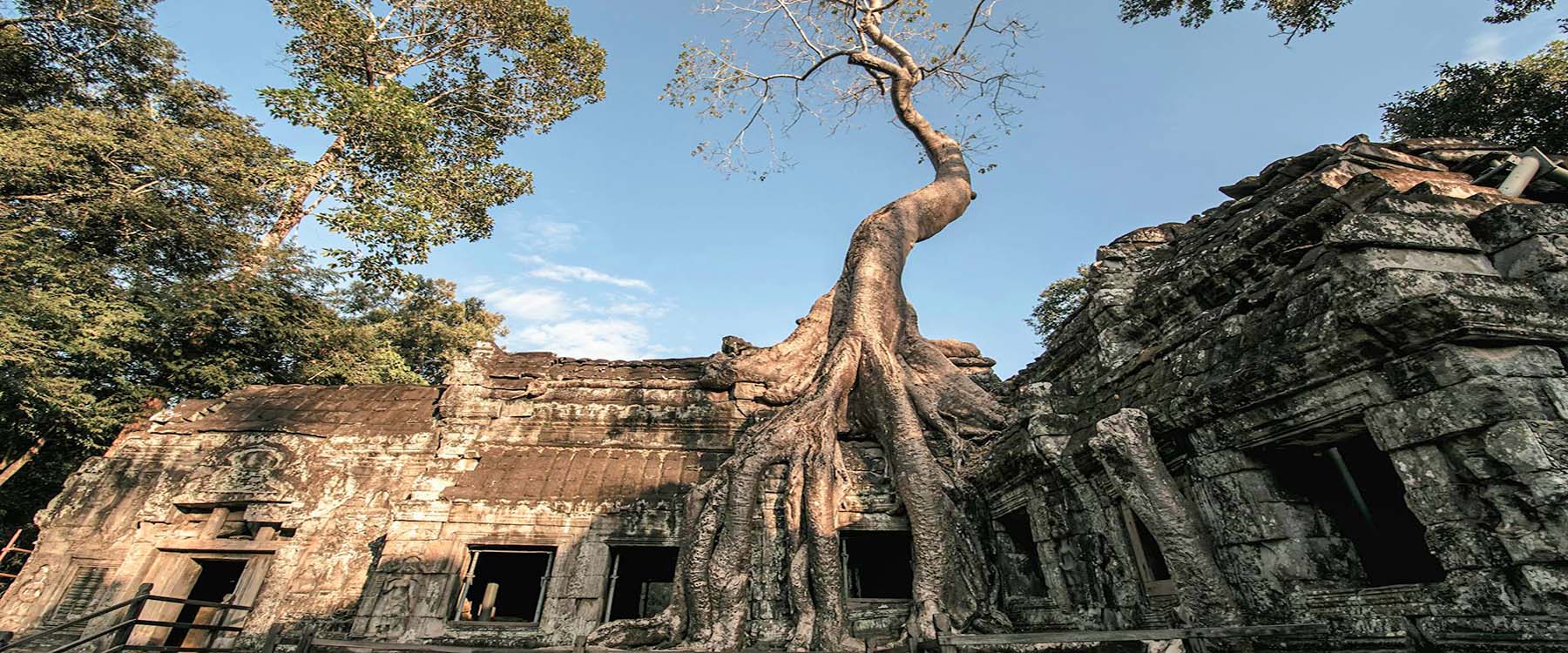
Siem Reap serves as the gateway to Angkor—one of the most significant cultural landscapes in the world.
While Angkor Wat is its most recognized structure, the broader site reveals a vast network shaped over centuries.
The experience is less about individual monuments and more about scale—understanding the reach of a civilization that once defined the region.
Our Cambodia-focused journeys often position Angkor within a broader Southeast Asia itinerary, adding context through neighboring destinations.
Bali — Landscape and Balance

Bali offers a rare balance between landscape and culture.
Rice terraces, volcanic highlands, and coastal cliffs create a varied environment, while daily rituals and temple life remain deeply visible.
For travelers, Bali’s appeal lies in this duality—where relaxation and immersion exist side by side.
To experience this range more fully, our Bali journeys are designed to move between coastal and inland settings in a way that feels natural and unhurried.
Ha Long Bay — Nature as Architecture

In northern Vietnam, Ha Long Bay presents one of Asia’s most iconic natural landscapes.
Thousands of limestone karsts rise from the water, forming a seascape that is best understood through movement—cruising between formations and observing how light reshapes the environment.
Many of our Vietnam journeys incorporate Ha Long Bay as a key moment of pause within a broader cultural itinerary.
Hoi An — A Preserved Rhythm

Further south, Hoi An offers a more intimate counterpoint.
Its preserved architecture reflects centuries of trade, but what defines it is continuity—markets, crafts, and daily routines remain part of the town’s living structure.
Within our Vietnam itineraries, Hoi An often provides a slower, more atmospheric balance to the country’s larger cities.
Rajasthan — Scale and Storytelling
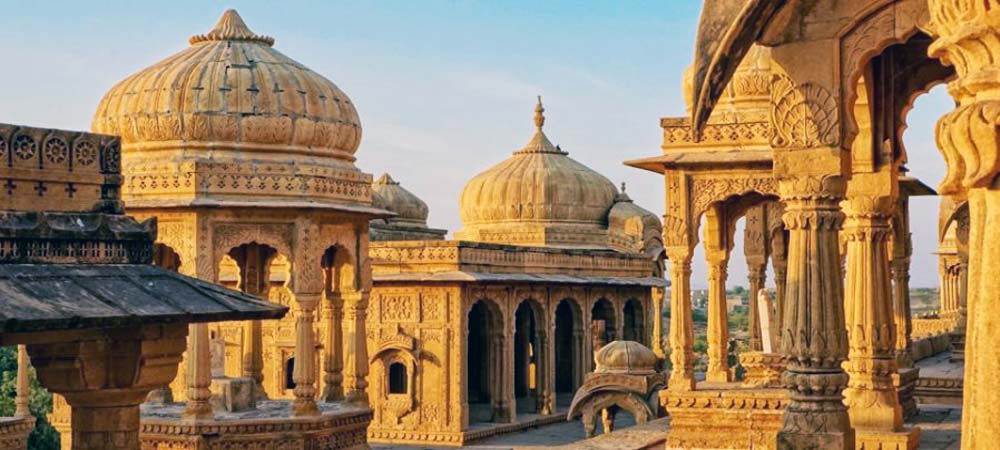
In northern India, Rajasthan offers a different kind of immersion—defined by scale, color, and narrative.
Palaces, forts, and desert landscapes create a setting that feels both theatrical and deeply historical. Cities such as Jaipur, Udaipur, and Jodhpur each carry distinct identities while sharing a common architectural language.
Our India itineraries bring these elements together, allowing the region’s contrasts to unfold in a cohesive way.
Bhutan — Intention and Landscape
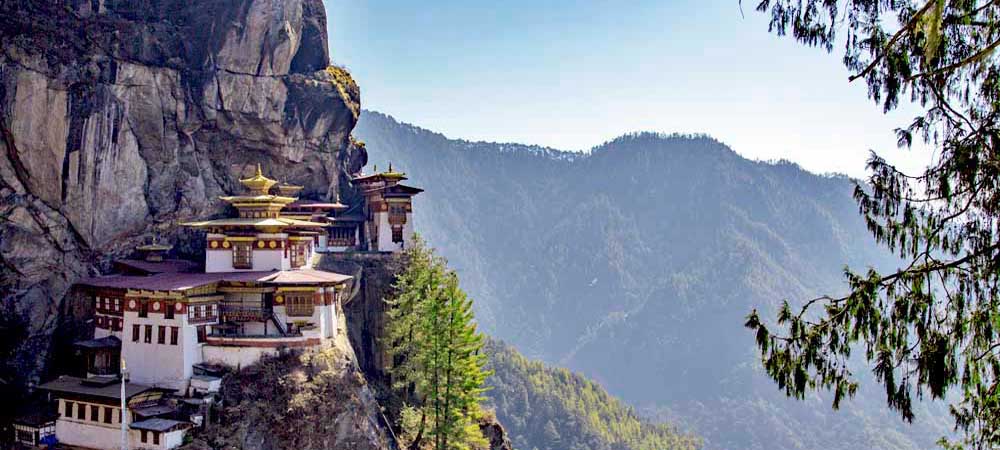
In Bhutan, travel is shaped as much by philosophy as by geography.
The country’s emphasis on preservation defines the experience, from architecture to the pace of daily life.
The Paro Valley, home to the iconic Tiger’s Nest Monastery, reflects this harmony between landscape and spirituality.
For those seeking a more intentional journey, our Bhutan programs are designed around this slower, more reflective approach.
Borneo — Wilderness and Scale

On the island of Borneo, nature dominates.
Ancient rainforests and river systems support wildlife rarely seen elsewhere, offering immersive experiences that feel far removed from urban life.
Our Borneo journeys focus on these environments—combining wildlife exploration with time in carefully selected lodges.
Singapore — A Curated Urban Experience

Singapore offers a different interpretation of the Asian metropolis—one defined less by scale and more by precision.
Compact yet highly developed, the city brings together architecture, green space, and infrastructure in a way that feels intentional. From Marina Bay to the Gardens by the Bay, its skyline reflects a forward-looking identity, while neighborhoods such as Chinatown and Kampong Glam retain cultural depth beneath the surface.
Dining is central to the experience. From Michelin-recognized restaurants to hawker centers, Singapore’s culinary landscape reflects its multicultural roots while maintaining a consistently high standard.
Often included at the beginning or end of a journey, our Singapore extensions provide a seamless transition within a broader Southeast Asia itinerary.
A Final Thought
Asia is not defined by any single destination, but by the relationships between them.
Each place offers a distinct perspective, but it is often the movement between these environments that defines the journey most meaningfully.
For those considering where to begin, exploring one of these destinations through a thoughtfully designed itinerary offers not just access—but a deeper understanding of how the region connects as a whole.