VIETNAM TRAVEL GUIDES
Practical Tips and Insights for Traveling in Vietnam
Vietnam Travel Guides
Everything You Need to Know Before You Go
At Explorient, we believe a truly unforgettable journey begins long before take-off. Our Vietnam Travel Guides equip you with the knowledge to travel smarter and experience more—covering practical tips, FAQs, cultural etiquette, transportation insights, travel protection plans, and essential contacts. Expertly curated and traveler-focused, these guides provide the clarity and confidence you need to explore Vietnam with ease, turning preparation into the first step of your adventure.
Vietnam's Destinations
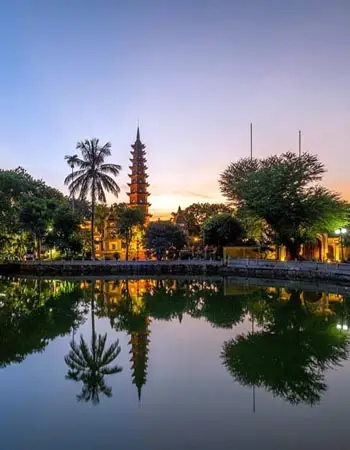
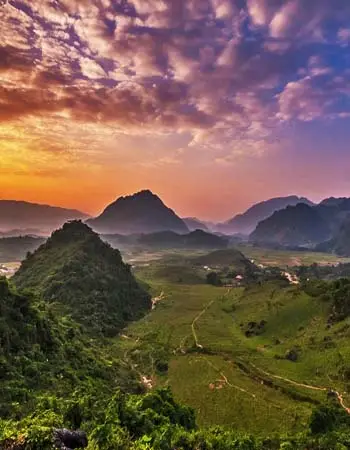
Northern Vietnam
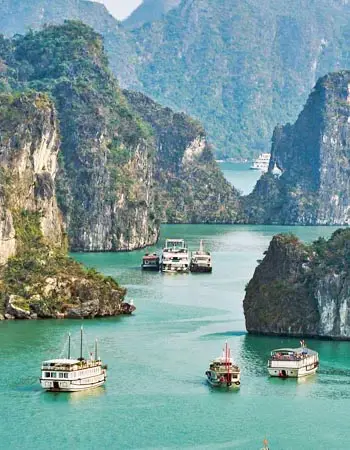

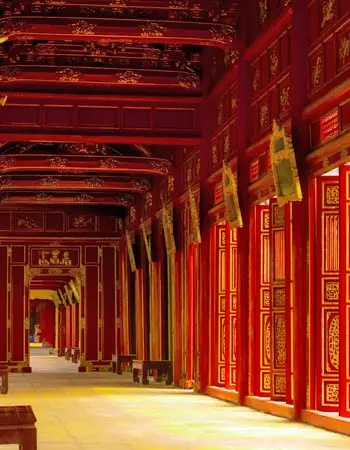
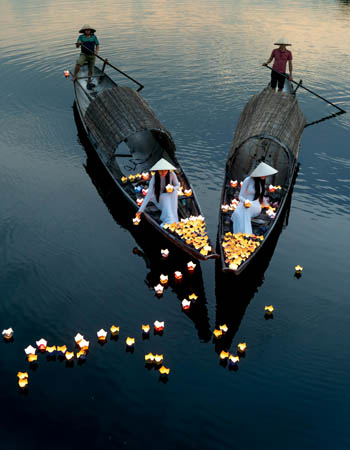
Central Vietnam

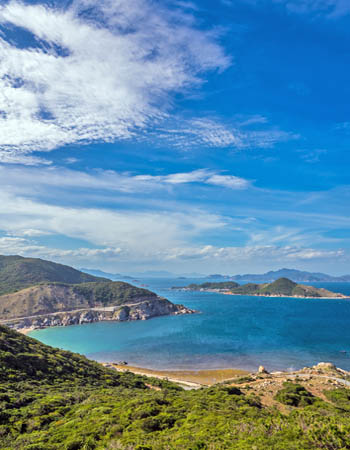
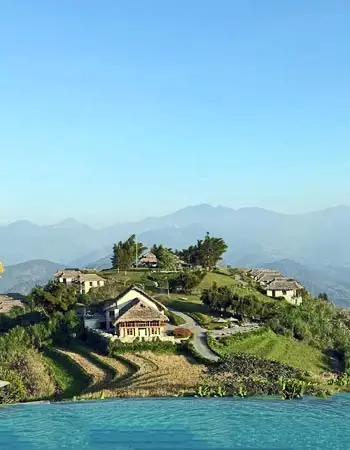
Southern Vietnam

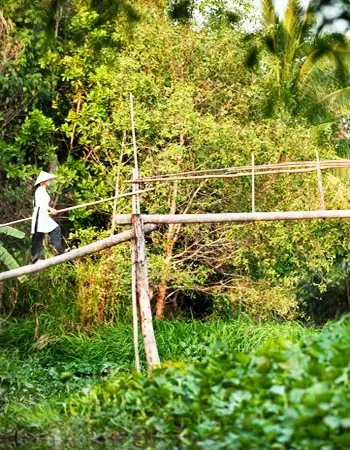
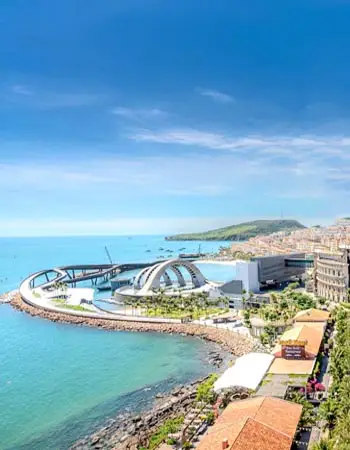
PRACTICAL TIPS
- Passport & Visa
- Holidays
- Airport Taxes
- Baggage
- Climate & Clothing
- Communications
- Currency
- Customs & Etiquette
- Customs Regulations
- Electricity
- Food & Water
- Health Matters
- Tipping
- Transportation
- What to Pack
Passports & Visas: Your Key to Vietnam
Traveling to Vietnam should feel effortless, and getting your documents in order is the first step toward a smooth, carefree journey. The good news is that Vietnam has made passport and visa requirements increasingly straightforward for international visitors, whether you’re planning a quick getaway or a longer adventure.
Passport Validity
- Make sure your passport is valid for at least six months beyond your planned departure from Vietnam.
- You’ll also want at least one blank page for entry and exit stamps.
- Double-check that your passport is in good condition — some airlines may not board travelers with torn or heavily damaged documents.
Visa-Free Entry & E-Visa Options
- Citizens of several countries (including much of Europe and parts of Asia) can enter Vietnam visa-free for stays ranging from 15 to 45 days, depending on nationality.
- For longer stays, most travelers find the Vietnam e-Visa the easiest choice: it’s available to over 80 nationalities, valid for up to 90 days, single or multiple entry, and can be applied for directly on the official Vietnam Immigration Portal.
- Processing usually takes about three working days, but it’s best to apply at least one to two weeks in advance to avoid last-minute stress.
Proof of Onward Travel
- Vietnam immigration may ask to see proof of onward or return travel. This is simply your confirmation of a flight or onward ticket showing you’ll depart Vietnam before your visa expires.
- Some airlines also check this at check-in, so keeping a copy (printed or digital) handy is a smart move.
Where to Double-Check
For the most accurate, up-to-date guidance, visit:
- The official Vietnam Immigration Department website
- The Embassy or Consulate of Vietnam nearest to you
- Your own country’s travel advisory or foreign ministry page
With a valid passport, a confirmed visa, and your onward travel plans in hand, you’ll breeze through the formalities and step right into Vietnam’s vibrant streets with confidence. Think of it as your warm welcome at the gateway to adventure — everything else is waiting just beyond customs.
Holidays in Vietnam: When the Country Comes Alive
Vietnam’s calendar is dotted with vibrant holidays that bring streets to life with color, tradition, and joy. Traveling during these times can be a highlight of your journey, offering an intimate glimpse into the country’s cultural heartbeat. With just a little planning, holidays in Vietnam can add richness and unforgettable memories to your trip.
Major Holidays to Know
- Tết (Lunar New Year) – Vietnam’s most important holiday, usually in late January or February. Families reunite, homes are decorated with peach blossoms and kumquat trees, and whole cities pause for celebration. Travel can be busy, but the atmosphere is warm and festive.
- Hung Kings’ Festival (April) – A day honoring Vietnam’s ancient founders, marked by processions, incense offerings, and local festivities.
- Reunification Day (April 30) & International Labor Day (May 1) – Back-to-back public holidays when many Vietnamese take short breaks; expect lively domestic travel.
- National Day (September 2) – Patriotic celebrations and parades, particularly in Hanoi, bring a spirited energy to the streets.
- Mid-Autumn Festival (September/October) – Especially delightful for families, with lantern displays, mooncakes, and lion dances lighting up the evenings.
What to Expect as a Traveler
- Busy transport and higher demand – Around Tết and other major holidays, trains, flights, and hotels book up quickly.
- Some closures – Family-run shops, restaurants, and government offices may close for a few days, especially during Tết.
- Festive atmosphere – Streets glow with decorations, special foods appear at markets, and you may be invited to join in local customs.
Travel Tips
- Book transportation and accommodation well in advance if visiting during Tết or other peak holidays.
- Be flexible with your schedule — crowds can be part of the experience.
- Take the chance to taste holiday specialties such as bánh chưng (square sticky rice cake) or mooncakes.
Whether you choose to travel during Vietnam’s biggest celebrations or around them, knowing what to expect ensures you can relax and enjoy the journey. Holidays here aren’t just dates on a calendar — they’re windows into the country’s soul, offering warmth, hospitality, and a chance to connect more deeply with local traditions.
Airport Taxes in Vietnam: Simple, Seamless, and Stress-Free
For travelers to Vietnam, the topic of airport taxes is refreshingly uncomplicated. Unlike in years past, when passengers sometimes had to pay cash at the airport, today most fees are already wrapped neatly into your ticket price. This means you can focus less on small details and more on savoring the anticipation of your trip.
What You Need to Know
- Included in Your Fare: For nearly all international and domestic flights departing Vietnam, airport taxes and passenger service charges are automatically included in the price of your airline ticket. You’ll see them itemized on your receipt, often as “PSC” (Passenger Service Charge) or “Airport Tax.”
- No Separate Payment: You don’t need to queue at the airport with local currency to pay extra fees — a system that was retired years ago. Today’s process is smooth and modern.
- Standardized Fees: Charges vary slightly depending on whether you’re flying domestically or internationally, but since they’re bundled into your fare, you won’t notice the difference beyond the breakdown on your e-ticket.
Tips for Peace of Mind
- Check Your Ticket Breakdown: If you’re curious, look at the tax/fee section of your ticket confirmation. This is where the airport tax is listed.
- Budgeting Made Easy: Since there are no surprise payments at departure, you can plan your trip expenses without leaving room for unexpected airport charges.
- Official Guidance: For reassurance, you can confirm Vietnam’s airport tax policies through your airline or on official government sites such as the Vietnam Ministry of Transport or Vietnam’s Civil Aviation Authority.
In short, airport taxes in Vietnam are already taken care of before you even arrive at the terminal. Think of it as one less box to tick on your travel checklist — leaving you free to relax, enjoy the lounge, and dream about the journey ahead.
Baggage in Vietnam: Traveling Light, Traveling Right
Whether you’re jetting between Hanoi and Ho Chi Minh City or arriving from abroad, baggage rules in Vietnam are refreshingly straightforward once you know what to expect. With a little preparation, your journey through the airports here can be as seamless as the flights themselves.
Checked & Cabin Baggage
- International flights: Most major airlines serving Vietnam follow standard international allowances — typically 23kg (50 lbs) for checked bags and one cabin bag around 7kg (15 lbs). Exact rules vary by airline, so it’s always wise to confirm with your carrier before you pack.
- Domestic flights: Vietnam Airlines, VietJet Air, and Bamboo Airways each set their own baggage policies. Some domestic fares include checked luggage (often 20kg with Vietnam Airlines), while low-cost carriers may sell tickets with cabin baggage only. You can usually add checked baggage online at a better price than at the airport.
- Cabin comfort: Cabin allowances are generally one small suitcase plus a personal item such as a handbag, camera bag, or laptop.
Practical Tips
- Pre-book luggage online if you’re flying low-cost carriers — it saves both money and time at the airport.
- Traveling during holidays (like Tết)? Airports get busier, and baggage counters can be hectic, so allow extra time.
- Keep essentials in your carry-on (medications, valuables, important documents) — just as you would anywhere in the world.
Oversize & Special Items
- Sports gear (bicycles, surfboards) and musical instruments can be checked in for an additional fee. Airlines typically require advance notice, so arrange this when booking.
- Domestic carriers are accustomed to travelers carrying everything from trekking poles to fishing gear — just pack securely, and you’ll be fine.
With most airlines including or clearly outlining baggage options, there’s little guesswork involved. Think of your luggage not as a hurdle, but as part of the rhythm of travel: once it’s checked and tagged, you’re free to look ahead to the adventures waiting in Vietnam.
Climate & Clothing in Vietnam: Packing with Confidence
Stretching from misty northern mountains to tropical southern deltas, Vietnam’s climate is wonderfully diverse. The country’s long, narrow shape means weather can vary dramatically from one region to the next — sometimes even on the same day. Knowing what to expect makes packing simple and ensures you’re comfortable wherever the journey takes you.
Seasons at a Glance
- North (Hanoi, Halong, Sapa): Distinct seasons. Winters (Dec–Feb) can be cool and misty, with temperatures dipping below 15°C (59°F). Summers (May–Aug) are hot, humid, and rainy.
- Central (Hue, Da Nang, Hoi An): Warm year-round, but the rainy season (Sep–Dec) can bring heavy showers and occasional flooding. Spring and summer are generally sunny and dry.
- South (Ho Chi Minh City, Mekong Delta, Phu Quoc): Tropical and consistent. Expect warm to hot weather year-round (25–35°C / 77–95°F), with a dry season (Nov–Apr) and a wet season (May–Oct).
- What to Pack
- Light, breathable clothing: Cotton, linen, or moisture-wicking fabrics help in the heat.
- Layering pieces: A light jacket or sweater is useful for cool northern evenings or air-conditioned buses and flights.
- Rain protection: A compact umbrella or rain jacket is essential, especially during monsoon months.
- Footwear: Comfortable walking shoes or sandals are ideal for exploring cities and temples; hiking boots are best for treks in Sapa or Dalat.
- Respectful attire: Modest clothing (covered shoulders and knees) is recommended when visiting pagodas and temples. A light scarf or shawl is an easy, stylish solution.
Traveler Tips
- Laundry services are affordable and widely available, so you don’t need to overpack.
- In luxury hotels, resorts, and fine restaurants, smart-casual attire is always welcome.
- Sun protection is essential — bring a hat, sunglasses, and high-SPF sunscreen.
With the right mix of breathable basics, a few layers, and a touch of respect for local customs, you’ll feel comfortable and confident wherever Vietnam takes you — from mist-covered mountains to golden beaches.
Communications in Vietnam: Staying Connected with Ease
Whether you’re sharing snapshots of lantern-lit streets in Hội An or checking in with loved ones back home, staying connected in Vietnam is simple and affordable. The country has invested heavily in modern telecoms, so you’ll find reliable coverage in cities, towns, and even many rural areas. With just a few easy steps, you’ll be online and connected throughout your journey.
Mobile & SIM Cards
- Prepaid SIM cards are widely available at airports, convenience stores, and mobile shops. Popular providers include Viettel, Vinaphone, and Mobifone.
- Data packages are inexpensive and generous — perfect for navigation, messaging, or streaming on the go.
- To purchase a SIM, bring your passport for registration. Staff will usually help with set-up on your phone.
Wi-Fi Access
- Free Wi-Fi is the norm in hotels, cafés, restaurants, and even some public spaces. Speeds are generally good in major cities and tourist hubs.
- Many travelers rely on a mix of local SIM data and Wi-Fi, ensuring they’re covered at all times.
Messaging & Calls
- Apps like WhatsApp, Zalo (popular locally), Facebook Messenger, and Viber are commonly used for quick chats and calls.
- International calling via local SIM is possible, but most travelers find internet-based calls more convenient and budget-friendly.
Tips for Smooth Communication
- Download offline maps (Google Maps or Maps.me) before traveling to rural or mountainous areas, where coverage may occasionally dip.
- Consider a portable Wi-Fi device (pocket Wi-Fi) if you prefer not to swap SIM cards — available for rent at airports and online.
- Keep a note of your hotel’s contact information in both English and Vietnamese in case you need to show a taxi driver.
With plentiful Wi-Fi, affordable SIM options, and familiar messaging apps, communication in Vietnam is refreshingly hassle-free. You can relax knowing that staying in touch — with home or with your local guide — will be as smooth as your travels themselves.
Currency in Vietnam: Smooth, Simple, and Traveler-Friendly
Handling money in Vietnam is refreshingly straightforward once you know the basics. With the right mix of cash and cards, you’ll find transactions easy whether you’re shopping at a bustling market, paying for a taxi, or dining in a fine restaurant.
The Basics
- Official currency: The Vietnamese đồng (VND). Notes come in colorful denominations, from small bills of 1,000 VND up to larger notes of 500,000 VND.
- Cash is king: While hotels and upscale restaurants often accept cards, most daily purchases — street food, taxis, small shops — are still cash-based.
- Exchange rates: The đồng can have many zeros; for perspective, 1 USD is typically worth tens of thousands of VND.
Exchanging Money
- ATMs are widely available in cities and tourist areas, dispensing đồng directly. Check with your bank for fees.
- Currency exchange counters at airports, banks, and licensed gold/jewelry shops often provide competitive rates.
- Bring crisp bills if you plan to exchange foreign currency — worn or torn notes may be refused.
Using Cards & Mobile Payments
- Credit and debit cards are accepted in major hotels, shopping centers, and high-end restaurants. Visa and Mastercard are most common.
- Mobile payments (like Momo or ZaloPay) are popular with locals, but travelers may find cash and cards more practical.
Tips for Peace of Mind
- Carry a mix of small and large notes — handy for taxis, cafés, and tips.
- Keep an eye on zeros; 20,000 VND and 200,000 VND notes look similar at first glance.
- Store larger bills separately to avoid confusion during quick transactions.
With ATMs on hand, fair exchange options, and a little awareness of Vietnam’s colorful banknotes, managing money becomes second nature. You’ll soon be navigating markets and cafés with ease, focusing not on the details of payment — but on the joys of the journey.
Customs & Etiquette in Vietnam: Graceful Travel, Genuine Connections
Part of Vietnam’s charm lies in its traditions — an unspoken rhythm of respect, kindness, and community that colors daily life. As a traveler, embracing a few simple customs not only shows courtesy but also enriches your experience, opening doors to more authentic connections.
Everyday Courtesy
- Greetings: A friendly smile and slight nod are the most common forms of greeting. A handshake may be used in business or more formal settings.
- Respect for elders: Age is deeply respected in Vietnamese culture. Offering your seat to an older person or addressing them politely goes a long way.
- Public behavior: Loud or overly boisterous behavior may draw unwanted attention. A calm and considerate demeanor is appreciated.
At Temples & Sacred Sites
- Dress modestly: Cover shoulders and knees; a light scarf or shawl is a simple solution.
- Shoes off: Always remove your shoes before entering a pagoda or someone’s home.
- Photographs: Ask permission before taking pictures of worshippers or monks. Some temples may restrict photography altogether.
Dining Etiquette
- Sharing style: Meals are communal, with dishes placed in the center of the table to share.
- Chopstick etiquette: Don’t stick chopsticks upright in a bowl of rice — it resembles funeral offerings. Instead, rest them neatly on the chopstick holder.
- Invitations: If invited to a meal, it’s polite to wait until the host signals to begin eating.
Helpful Tips
- Gestures: Pointing directly at people or touching someone’s head (especially children) is considered impolite.
- Gifts: Small tokens of appreciation are welcomed if you’re invited to a home — fruit, sweets, or something from your country are thoughtful options.
- Shoes indoors: Always check if others have removed their shoes before entering a home; most households prefer it.
By observing these small courtesies, you’ll find warmth and hospitality returned to you in abundance. Customs in Vietnam aren’t strict rules but gentle traditions — reminders of a culture that values respect, community, and kindness. Step into them with openness, and your journey will feel all the more rewarding.
Customs Regulations in Vietnam: Smooth Arrivals, Stress-Free Departures
Arriving in a new country should feel exciting, not overwhelming. Fortunately, Vietnam’s customs procedures are straightforward, and with a little awareness of the rules, you’ll pass through with ease and peace of mind.
What You Can Bring In
- Personal belongings: Items for personal use — clothing, toiletries, a camera, laptop, or phone — are duty-free.
- Alcohol & tobacco (for travelers 18+): Up to 1.5 liters of spirits or 2 liters of wine, plus 200 cigarettes or equivalent.
- Currency: You may carry up to the equivalent of USD 5,000 in cash or VND 15 million without declaration. Larger amounts must be declared on arrival.
Restricted & Prohibited Items
- Drugs, narcotics, and certain chemicals are strictly prohibited.
- Weapons and ammunition cannot be brought into the country.
- Cultural artifacts, antiques, and protected wildlife products require special permits — removing them without approval is not allowed.
- Drones may require prior authorization; check with Vietnamese customs before traveling with one.
Duty-Free Shops
Vietnam’s international airports have duty-free shops where you can purchase alcohol, cosmetics, and other goods within permitted limits, either on arrival or departure.
Helpful Tips
- Declare honestly: If in doubt, declare — customs officers are professional and helpful.
- Keep receipts for valuable electronics or jewelry you’re bringing in, especially if you plan to take them back out.
- Green channel / Red channel: At arrival halls, choose the “Green Channel” if you have nothing to declare, or the “Red Channel” if carrying goods above allowances.
With Vietnam’s clear regulations and friendly customs process, there’s no need to worry. Pack thoughtfully, know the allowances, and you’ll sail through the airport ready to focus on the adventures ahead.
Electricity in Vietnam: Plugging In with Ease
Staying powered up in Vietnam is easy once you know the basics. Whether you’re charging your phone after a day in bustling Hanoi or plugging in your camera before a Mekong Delta tour, a little preparation ensures you’re never caught without juice.
Voltage & Frequency
- Vietnam uses 220 volts at 50 Hz.
- Most modern devices (like phones, laptops, and cameras) are dual-voltage and will work fine — just check your charger’s label to be sure.
Plug Types
- The most common sockets are Type A (two flat pins), Type C (two round pins), and Type F (two round pins with side grounding clips).
- Many hotels and guesthouses offer universal outlets, but it’s wise to bring a universal travel adapter.
Practical Tips
- Pack a surge protector if you’re traveling with sensitive electronics; power cuts and surges can happen occasionally in rural areas.
- Carry a small power bank — useful for long train rides or day trips where outlets aren’t guaranteed.
- Adapters are easy to buy locally at convenience stores or electronics shops if you forget to pack one.
With the right adapter and a little foresight, keeping your devices charged in Vietnam is stress-free. Think of it as one more simple step that keeps your travel rhythm flowing — so your camera, phone, and spirit of adventure are always ready.
Food & Water in Vietnam: Safe, Flavorful, and Full of Adventure
Vietnam is one of the world’s great food destinations — fragrant bowls of phở, sizzling street-side skewers, and delicate spring rolls are all part of daily life. With a little awareness around food and water safety, you can relax and enjoy every bite with confidence.
Food Safety
- Street food delights: Vietnam’s street stalls are legendary. Choose vendors who are busy (a good sign of freshness and turnover) and where food is cooked hot to order.
- Fresh produce: Enjoy tropical fruits, but consider peeling them yourself. Washed salads are best enjoyed at higher-end restaurants or hotels where water quality is controlled.
- Seafood & meats: Vietnam excels in fresh seafood, especially along the coast. Opt for places with visible refrigeration or ice storage.
Drinking Water
- Tap water is not recommended: While safe for brushing teeth in most cities, it’s best not to drink directly from the tap.
- Bottled water is widely available and inexpensive. Always check the seal before opening.
- Filtered water stations are increasingly common in hotels and eco-lodges, letting you refill a reusable bottle.
Beverages & Ice
- Coffee culture: Don’t miss Vietnam’s famous cà phê sữa đá (iced coffee with condensed milk). Served with filtered water, it’s generally safe from reputable cafés.
- Ice cubes: Those with round, hollow centers are factory-made and safe; avoid rough, chipped ice from unknown sources.
- Beer & soft drinks: Bottled and canned options are widely available and safe to enjoy.
Tips for Peace of Mind
- Carry hand sanitizer or wipes when exploring street markets.
- When in doubt, follow the locals — busy stalls and cafés often mean safe, tasty food.
- For sensitive stomachs, ease into street food slowly before going all in.
With a little care and a spirit of curiosity, dining in Vietnam is not just safe but truly one of the highlights of travel here. Every meal becomes part of the adventure — fresh, flavorful, and shared with a warm smile.
Health Matters in Vietnam: Traveling Well, Feeling Secure
Staying healthy while exploring Vietnam is mostly about common sense and a little preparation. With its tropical climate, vibrant street food scene, and bustling cities, Vietnam offers incredible experiences — and with a few simple habits, you’ll feel confident and at ease throughout your journey.
Before You Travel
- Routine vaccinations: Make sure your standard vaccinations (such as tetanus, measles, and hepatitis A) are up to date. Some travelers also consider hepatitis B, typhoid, or Japanese encephalitis, depending on trip length and rural exposure.
- Travel insurance: A policy covering medical care and evacuation provides peace of mind and is highly recommended.
During Your Stay
- Food & water: Stick with bottled or filtered water, and enjoy street food from busy, reputable vendors. This keeps stomach upsets to a minimum.
- Heat & hydration: Vietnam’s climate can be hot and humid. Carry water, wear light clothing, and take breaks in shaded spots to avoid heat exhaustion.
- Insect protection: Mosquitoes are present, particularly in rural areas. Bring insect repellent, wear long sleeves at dusk, and consider sleeping under a net if staying in simple accommodations.
Healthcare Access
- Urban hospitals & clinics: Major cities like Hanoi, Da Nang, and Ho Chi Minh City have international-standard clinics and hospitals, with English-speaking staff and modern facilities.
- Pharmacies: Widely available and often well-stocked, but bring along any prescription medications you need in their original packaging.
- Emergency number: Dial 115 for an ambulance in Vietnam.
Tips for Peace of Mind
- Carry a small travel health kit (bandages, rehydration salts, antiseptic wipes, and any personal meds).
- Learn a few simple phrases in Vietnamese or keep translations handy (e.g., “I need a doctor”).
- Keep your insurance details and emergency contacts accessible.
Tipping in Vietnam: Customary, Appreciated & Meaningful
Tipping is becoming increasingly common in Vietnam, especially within the tourism and hospitality sectors. While it is never mandatory, small gratuities are genuinely appreciated and can make a meaningful difference to those providing your service. A little generosity goes a long way and is often received with heartfelt gratitude.
Restaurants and Cafés
- Local eateries and street food stalls do not expect tips; diners simply pay the listed price.
- Mid-range and upscale restaurants may include a 5–10% service charge, though this does not always go directly to staff.
- At cafés or casual dining spots, rounding up the bill or leaving 10,000–20,000 VND (≈ USD 0.50–1) is a kind and optional gesture.
Hotels
- High-end hotels may include a service charge, making tipping optional but still warmly welcomed.
- Porters typically appreciate 20,000–40,000 VND per bag (≈ USD 1–2).
- Housekeeping rarely expects tips, but 40,000–80,000 VND per night (≈ USD 2–3) left at checkout is thoughtful.
- Concierge staff assisting with reservations or special arrangements may be tipped 50,000–100,000 VND (≈ USD 2–4).
Taxis and Ride-Hailing
- Tipping is not expected for taxis or Grab rides.
- Rounding up the fare is the most common and appreciated courtesy.
- Electronic payments typically leave little room for additional tipping, but drivers value verbal thanks.
Guides and Drivers
- Tour guides and private drivers appreciate gratuities for quality service, especially on full-day tours.
- Suggested amounts for a full-day private tour: Guides USD 10–15 per traveler per day; Drivers USD 5–10 per traveler per day.
- For half-day tours, half the full-day amount is appropriate.
- Larger groups may give a combined tip to be shared among staff.
Spas & Massage
- Tipping is appreciated at spas and massage centers, especially outside luxury hotels.
- Offering 10–15% of the service cost is a considerate gesture unless a service charge is already included.
- In upscale hotel spas, service charges may apply, making additional tipping optional.
Practical Notes
- Tips are best given in Vietnamese đồng (VND) for ease of use.
- Offer tips discreetly, preferably with your right hand as a sign of respect.
- Small gestures, paired with a warm “Cảm ơn” (thank you), are always appreciated.
In essence, tipping in Vietnam is a heartfelt gesture rather than an obligation. Even modest amounts are received with sincere gratitude, helping support the hardworking individuals who make your journey unforgettable.
Transportation in Vietnam: Getting Around with Confidence
From buzzing motorbike traffic in the cities to scenic train rides along the coast, transportation in Vietnam is part of the adventure. With plenty of options for every pace and budget, you’ll find moving around the country both convenient and memorable.
Domestic Travel
- Flights: With three major carriers — Vietnam Airlines, VietJet Air, and Bamboo Airways — domestic flights are quick and affordable, connecting major cities like Hanoi, Da Nang, and Ho Chi Minh City.
- Trains: The north-to-south railway (Reunification Express) is a classic journey, offering coastal views and a slower, scenic way to see the country.
- Long-distance buses: Comfortable sleeper buses link cities and towns, popular with budget-conscious travelers.
Getting Around Cities
- Taxis & ride-hailing: Reliable and inexpensive. Grab is the most popular ride-hailing app for both cars and motorbikes.
- Motorbike rentals: Available everywhere, but traffic can be intense for newcomers. If you’re experienced, it’s a thrilling way to explore. Always wear a helmet and carry a valid license.
- Cycling: In smaller towns and rural areas like Hội An or the Mekong Delta, bicycles are a relaxed way to explore.
Practical Tips
- Book in advance for trains and domestic flights during holidays like Tết, when routes fill quickly.
- Check meters or apps before hopping into a taxi; ride-hailing apps make pricing clear.
- Consider comfort: Overnight buses and trains are an adventure but may not be as restful as flying if time is short.
With flights, trains, buses, and bikes all at your fingertips, Vietnam’s transportation network makes it easy to shape your journey your way — whether that means traveling quickly, slowly, or somewhere in between. However you choose to move, you’ll find that getting there is part of the story.
What to Pack for Vietnam: Smart, Light, and Ready for Adventure
Packing for Vietnam is less about bringing everything and more about bringing the right things. With its varied climates and mix of city bustle, tropical beaches, and mountain escapes, a thoughtful bag will keep you comfortable and carefree wherever the journey takes you.
Essentials
- Light, breathable clothing for warm, humid days — cotton or quick-dry fabrics work best.
- A light jacket or sweater for cooler evenings in the north or strong air-conditioning indoors.
- Rain gear: A compact umbrella or lightweight rain jacket is invaluable during the rainy season.
- Comfortable walking shoes for city strolls and temple visits, plus sandals or flip-flops for beaches.
Practical Additions
- Modest attire (shoulder-covering tops, knee-length bottoms) for visiting temples and pagodas.
- Sun protection: High-SPF sunscreen, sunglasses, and a hat for strong tropical sun.
- Reusable water bottle for eco-friendly refills at hotels and filtered stations.
- Insect repellent to stay comfortable in rural or coastal areas.
Handy Extras
- Travel health kit with personal medications, hand sanitizer, and bandages.
- Universal power adapter (Vietnam uses 220V, 50Hz, with Type A, C, and F plugs).
- Daypack for carrying water, snacks, and essentials on excursions.
- Small gifts (like local candies or souvenirs from home) if you’re invited into a family’s home — always appreciated.
With these essentials in your bag, you’ll be prepared for Vietnam’s many moods — from lantern-lit city streets to serene rice terraces. Travel light, stay comfortable, and leave space for the treasures and memories you’ll collect along the way.
What Our Travelers Also Ask Us
Vietnam is a country of breathtaking contrasts — from ancient cities and imperial landmarks to emerald bays and vibrant street life. For first-time travelers, a handful of destinations beautifully capture the spirit, flavors, and soul of the country.
- Hanoi: Vietnam’s cultural heartbeat. Wander atmospheric Old Quarter lanes, savor steaming bowls of phở, and explore millennia-old temples and French-colonial boulevards. Hanoi offers an enchanting introduction to Vietnam’s history and artistry.
- Ha Long Bay: A natural wonder of limestone peaks and jade-green waters. Whether aboard a luxury overnight cruise or a private day charter, it’s one of the world’s most unforgettable landscapes — serene, cinematic, and utterly timeless.
- Hoi An: A jewel of lantern-lit streets, riverside cafés, colorful markets, and centuries-old merchant homes. This UNESCO treasure blends culture, cuisine, and romance in a way few places can match.
- Hue: Home to Vietnam’s Imperial City, royal tombs, and dragon boat traditions. It’s a haven for travelers seeking depth, heritage, and peaceful riverfront landscapes.
- Ho Chi Minh City (Saigon): Dynamic, modern, and full of energy. Discover rooftop dining, bustling markets, poignant war history, and some of the best street food in the country. It’s Vietnam’s most cosmopolitan gateway.
Whether you’re seeking culture, cuisine, family fun, or a blend of everything, Explorient curates the perfect balance based on your interests.
For a beautifully crafted introduction to the country, consider our Signature Vietnam program — a seamless journey through the nation’s most iconic destinations.
For families, our Vietnam Family Spectacular combines adventure, hands-on experiences, and cultural immersion designed for travelers of all ages.
Wherever your compass points, we’ll tailor the perfect route so your first trip to Vietnam feels both effortless and extraordinary.
Vietnam is long and diverse, so many journeys pair you with dedicated local guides in the north, center, and south—each an expert in their own area—rather than one guide for the whole country. Your specialist will explain the arrangement for your route, and English-speaking assistance is seamless from Hanoi to the Mekong.
We handle it all—internal flights between Hanoi, Danang, and Saigon, private transfers, and your Halong Bay cruise are booked and ticketed as part of the journey. Vietnam's distances are covered by short flights rather than long drives, so you simply travel, with no logistics to manage.
Most journeys balance privately guided days with unstructured free time, so you get expert access to the highlights and the freedom to wander Hanoi's Old Quarter or Hoi An's lantern-lit streets at your own pace. You tell us the mix you prefer, and we build the itinerary around it—with maps and directions for your open days.
Days are designed to feel unhurried, but Vietnam rewards those on foot—expect walking on temple grounds, market lanes, and the uneven streets of old towns like Hoi An. We tailor the pace to you, build in rest, and are happy to arrange additional private transport wherever it makes the day more comfortable.
An overnight cruise is the classic way to experience Halong Bay—or the quieter Lan Ha and Bai Tu Long bays. You'll sail among thousands of limestone karsts, kayak or swim from the boat, enjoy fresh seafood, and wake to mist over the water. We select refined, smaller vessels with private balconies rather than crowded party boats, so the bay feels serene.
The rivers of motorbikes in Hanoi and Saigon surprise every first-time visitor, but it's more orderly than it looks. Your guide shows you the local rhythm of crossing—walk steadily and predictably, and the traffic flows around you—and once you have it, exploring on foot is part of the fun. For longer distances, your private car and driver are always on hand.
While travel insurance is not required for entry into Vietnam, we highly recommend it — especially for travelers seeking a seamless, worry-free journey through one of Asia’s most vibrant and diverse destinations. Vietnam’s experiences range from bustling cities and scenic cruises to mountain trails and rural excursions, and having comprehensive coverage ensures you’re protected every step of the way.
A good travel insurance plan typically includes:
Trip cancellation or interruption
Emergency medical treatment and hospital care
Lost, delayed, or damaged baggage
Travel delays or missed connections
Coverage for adventure activities (if applicable to your itinerary)
Vietnam offers excellent medical facilities in major cities like Hanoi and Saigon, but private hospitals and emergency services often require upfront payment without insurance. Coverage also offers peace of mind when taking domestic flights, cruising Ha Long Bay, riding boats in the Mekong Delta, or enjoying outdoor adventures.
For added convenience, Explorient offers a reliable Travel Protection Plan tailored to our Vietnam itineraries. We’re happy to help you choose the right level of coverage for your trip.
With travel insurance in place, you can immerse yourself fully in Vietnam’s culture, cuisine, scenery, and warm hospitality — knowing your journey is safeguarded from the unexpected.
Your comfort and peace of mind are our top priorities. If you need assistance at any point during your journey, you’ll have access to our dedicated local support team and 24/7 emergency assistance. Whether it’s a missed train, a sudden schedule change, or unforeseen world events —we’re just a call away and ALWAYS have your back!
Travel Protection Plan
At Explorient, we believe your travel experience should be as carefree and enriching as possible. That’s why we’ve partnered with Allianz Travel Insurance — one of the most trusted names in travel protection — to help safeguard your trip from the unexpected.
For official travel guidance and helpful resources, contact:
Vietnam National Tourism Organization, Vietnam
Address: 80 Quan Su Street, Hoan Kiem District, Hanoi, Vietnam.
Tel: (84-24) 3942 3760 Fax: (84-24) 3942 4115
Email. [email protected]
Website: https://vietnam.travel/
What our travelers said about us
SUGGESTED ITINERARIES
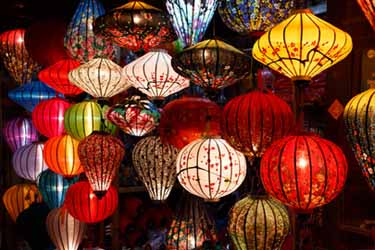
Majestic Vietnam
Hanoi, Pu Long, Ninh Binh, Halong Bay, Hoi An, HCM City
Discover the natural & cultural Gems of Vietnam on this bespoke journey taking the road less traveled. Rice terrace treks, countryside biking, Halong Bay cruise and seaside fun.
13 DAYS FROM: $4,825
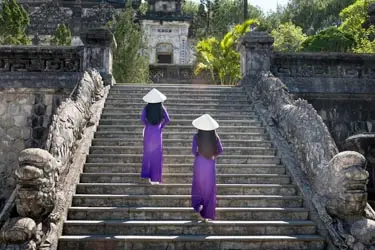
Spectacular Vietnam
Hoi An, Halong, Hanoi, Tam Coc, Phu Quoc, Saigon
A luxury Vietnam journey of Nature, Culture and Beach Escape featuring countryside by bicycle, immersive culture, Halong Cruise, beach escape and big city fun.
13 days from $5,475
13 DAYS FROM: $5,475

Vietnam Family Spectacular
Hanoi, Ninh Binh, Halong, Hoi An, Can Tho, HCM City
A bespoke and immersive Vietnam family holiday – explore Hanoi, Ninh Binh, Halong Bay, Hoi An, Can Tho, and Saigon with culture, nature, and family fun.
12 DAYS FROM: $4,625
Ready to embark on your adventure of a lifetime?
However you imagine Asia, our luxury travel specialists will bring it to life — flawlessly.