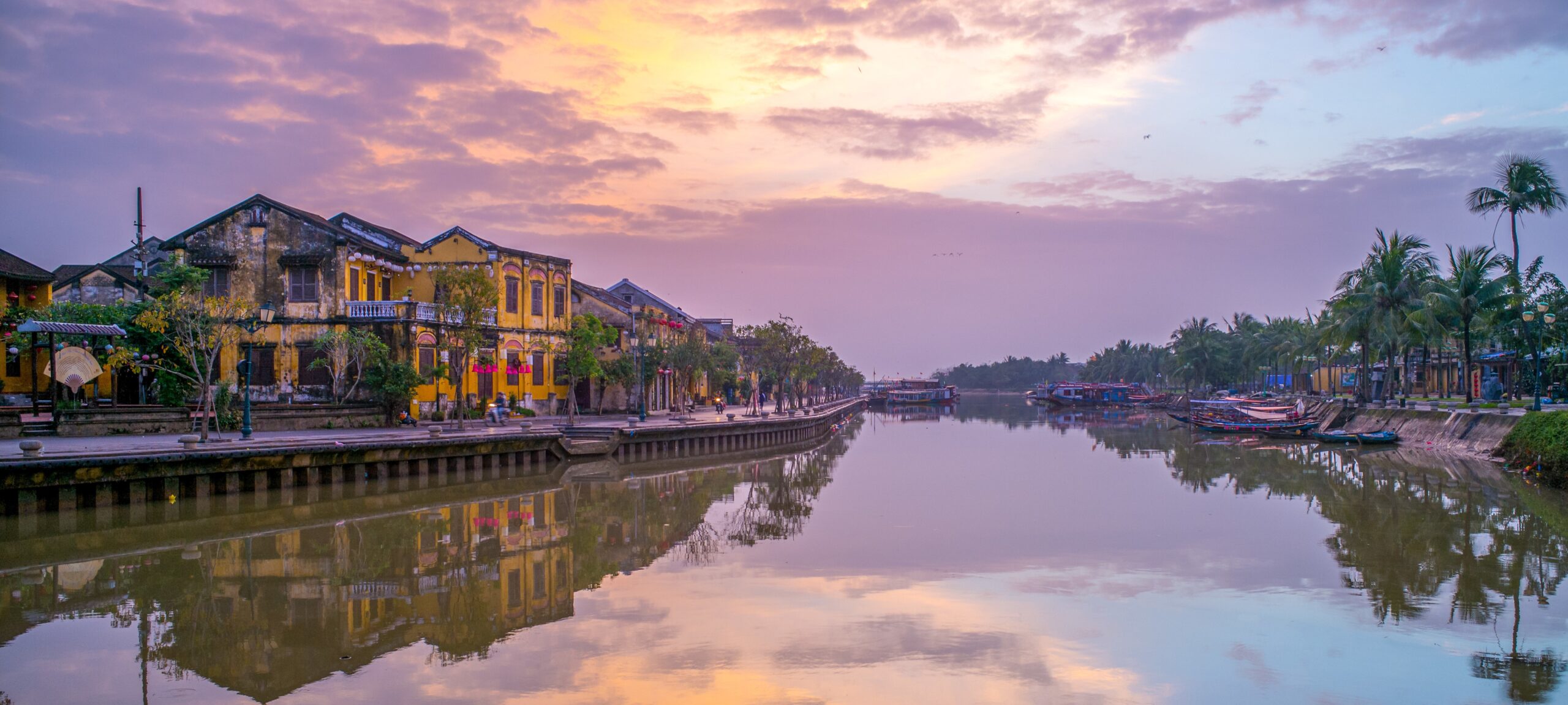

For many, 2026 represents an opportunity to move beyond the familiar—to travel with greater intention and engage more deeply with the places they visit.
Across Asia, certain destinations stand out not simply for their popularity, but for the way they are best experienced now—through shifting travel patterns, renewed access, and a growing emphasis on cultural connection over surface-level sightseeing.
What follows is a considered selection of destinations where timing, depth, and experience align—places that reward a more thoughtful approach to travel.
Japan — Beyond the Expected


Japan continues to be one of the most compelling destinations in the world, though its appeal in 2026 lies increasingly beyond its most visited cities.
While Tokyo and Kyoto remain essential anchors, a growing number of travelers are looking toward the country’s quieter regions—places where traditions are not preserved for visitors, but remain part of daily life. In these areas, the experience becomes less about moving quickly between landmarks and more about understanding how culture is practiced in everyday settings.
Japan’s infrastructure supports this approach with remarkable ease. High-speed rail connects major hubs efficiently, while smaller towns and rural regions remain accessible without feeling overly developed. This allows for journeys that balance the energy of cities with the calm of more local environments—an approach that is particularly rewarding for families traveling together.
Just beyond Kyoto, Lake Biwa offers a more grounded view of the country.
As Japan’s largest freshwater lake, Lake Biwa has long shaped the surrounding region. Its communities remain closely tied to seasonal rhythms, traditional industries, and a pace of life that feels distinctly local.
Experiences here tend to be participatory rather than observational—learning to prepare mochi alongside local families, joining fishermen at dawn, or exploring traditional crafts such as Omi-jofu weaving. These moments create a more immediate connection to place and offer a meaningful counterpoint to Japan’s major cities.
For those seeking a well-rounded journey, our Japan Family Spectacular program brings together these contrasts—pairing iconic destinations with more immersive, hands-on experiences that make Japan especially engaging across generations.
Vietnam — A Country in Motion
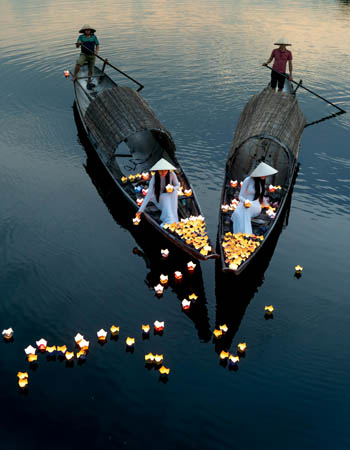

Vietnam continues to evolve as one of Southeast Asia’s most dynamic and compelling destinations.
Stretching from north to south, the country offers a remarkable range of environments within a single journey. In the north, landscapes are defined by limestone karsts, mountain valleys, and historic urban centers. Moving south, the rhythm shifts toward coastal plains, river systems, and a more tropical pace of life.
What makes Vietnam particularly well suited to travel in 2026 is the balance it offers between accessibility and authenticity. Infrastructure has improved significantly—making internal travel smoother—yet many regions retain a sense of immediacy and local character that feels increasingly rare.
From the dramatic seascapes of Ha Long Bay to the preserved charm of Hoi An, the journey unfolds through contrast. Days might begin with early morning markets or city exploration and end in quieter, more reflective settings along the coast or countryside.
Vietnam’s culinary culture further enhances this experience, providing a continuous thread throughout the journey. Meals are often simple yet deeply expressive of place—reinforcing the connection between region, tradition, and daily life.
For travelers seeking a comprehensive and well-paced introduction, our Majestic Vietnam journey brings together the country’s defining regions—balancing culture, landscape, and relaxation in a way that reflects how Vietnam is best experienced.
China — Scale and Cultural Depth


China offers a travel experience defined by scale—geographic, historical, and cultural. Few destinations present such a wide range of environments within a single country, making it uniquely suited to more expansive, multi-region journeys.
In the north, cities like Beijing reflect China’s imperial legacy, with monumental architecture and historical sites that anchor the country’s identity. Further inland, regions such as Xi’an provide insight into earlier dynasties, while southwestern provinces introduce entirely different cultural and ecological landscapes.
It is this diversity that distinguishes China. Each region carries its own identity—shaped by geography, history, and ethnic composition—requiring a more deliberate approach to planning. The reward is a journey that feels layered and evolving, rather than static.
Natural landscapes play an equally important role. In regions like Yunnan, the terrain shifts dramatically—from highland plateaus to river valleys—creating a setting where cultural and environmental diversity intersect. Destinations such as Lijiang and the surrounding mountains offer a more intimate counterpoint to the scale of China’s major cities.
For those drawn to this regional depth, our Spectacular Yunnan journey provides a focused way to explore one of China’s most distinctive areas—where landscape, culture, and pace come together in a way that feels both immersive and accessible.
A Final Thought
The destinations that resonate most are not always the most obvious—they are the ones approached with the right perspective, at the right time.
In 2026, travel is shifting toward experiences that feel more connected, more intentional, and more grounded in place. Whether through Japan’s quieter regions, Vietnam’s evolving landscapes, or China’s immense cultural depth, these destinations reflect a broader movement toward depth over distance.
For those considering what comes next, the question is no longer just where to go—but how to experience it.