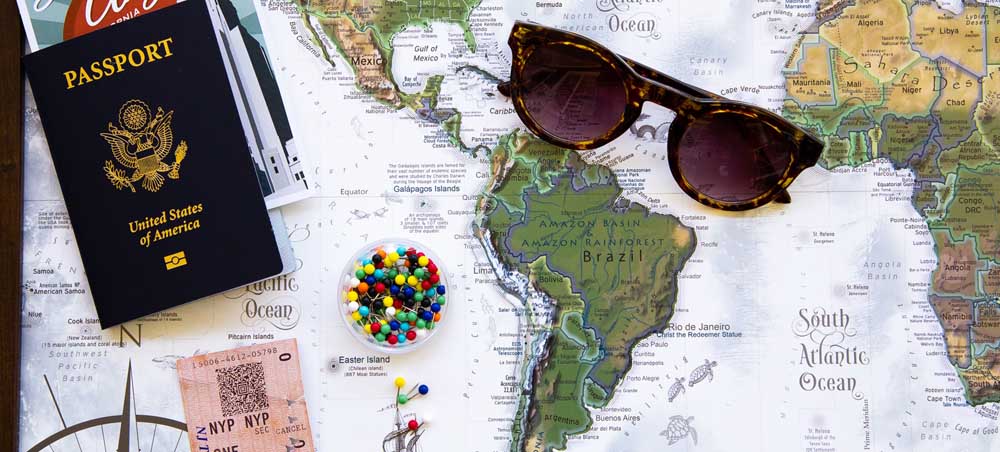

Traveling internationally is often defined by moments—new landscapes, unfamiliar rhythms, and experiences that feel distinctly different from home. But behind those moments is preparation. The more thoughtfully a trip is planned, the more seamlessly those experiences unfold.
Whether it’s your first trip abroad or one of many, the fundamentals remain the same. What follows are seven practical considerations that help ensure your journey is not only memorable, but well-paced and free of unnecessary friction.
1. Start with Travel Documents—Earlier Than You Think
Before anything else, confirm that your passport meets entry requirements.
Many countries require at least six months of validity beyond your return date. It’s a small detail, but one that can prevent boarding entirely if overlooked. If renewal is needed, allow ample time—processing can take weeks or longer depending on demand.
Visa requirements vary widely. While many destinations offer simplified or visa-free entry for U.S. travelers, others require advance applications, documentation, or in-person appointments. These policies also evolve, so it’s worth verifying through official government sources or working with a specialist familiar with current requirements.
For travelers planning multi-country journeys—particularly across Asia—this step becomes even more important, as entry rules can differ significantly between destinations.
2. Understand the Difference Between Global Entry and TSA PreCheck
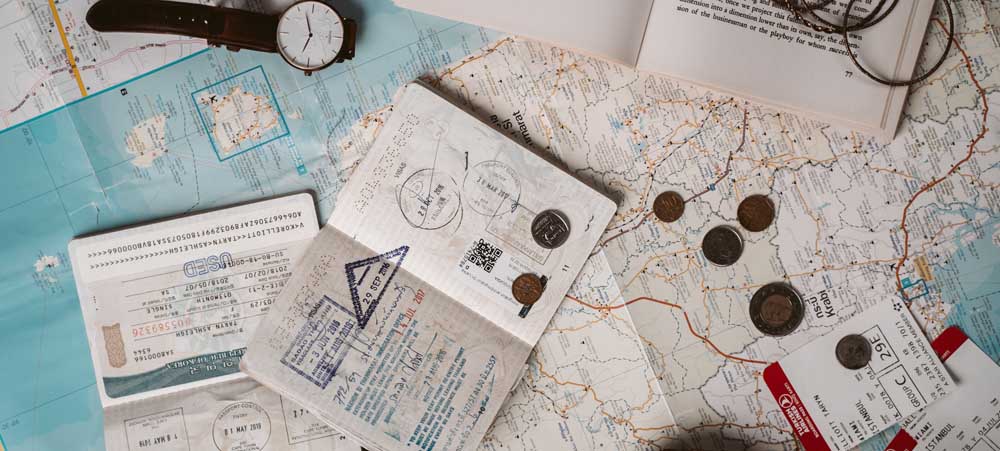
For frequent travelers, expedited processing programs can meaningfully improve the airport experience.
TSA PreCheck applies primarily to departures within the United States, allowing faster access through security. Global Entry, by contrast, is designed with international travel in mind—offering expedited U.S. customs clearance on return, while also including TSA PreCheck benefits.
Explorient breaks this down further in our guide to choosing between Global Entry and TSA PreCheck for international travel.
The difference becomes most apparent after a long-haul flight home. For travelers who go abroad regularly, Global Entry often provides the greater long-term value, especially since it includes TSA PreCheck benefits as well. The tradeoff is the in-person interview requirement, and appointment availability can sometimes be limited.
3. Plan for Both Cash and Card

Payment habits vary more than most expect.
While major cities increasingly accept credit cards and mobile payments, many destinations—particularly smaller towns and local establishments—still rely heavily on cash. Having both options available provides flexibility.
A few practical considerations:
- Withdraw cash in larger amounts to minimize ATM fees
- Carry small denominations for tips and incidental purchases
- Notify your bank before traveling
- Keep a separate emergency cash reserve
In more rural or less-developed regions, cash remains essential. Even well-designed itineraries often include moments where digital payments are simply not an option.
4. Bring a Thoughtful Travel Health Kit
Access to familiar medications abroad is not always guaranteed.
Even when available, brand names and formulations can differ. Bringing a small, well-prepared kit ensures you can manage minor issues without disruption.
Include:
- Pain relievers, allergy medication, and digestive aids
- Any prescription medications (in original packaging)
- Copies of prescriptions if needed
It’s also worth reviewing your medical insurance coverage. Many domestic plans do not extend internationally. Travel insurance—particularly for longer or multi-destination trips—adds an additional layer of protection.
5. Stay Connected—But Keep It Simple

Reliable connectivity has become an essential part of international travel.
From navigation and translation to reservations and day-to-day coordination, having access to data makes moving through unfamiliar destinations significantly easier. The goal, however, is not to overcomplicate it.
Most travelers today rely on one of three options: international roaming plans, local SIM cards, or eSIMs. Increasingly, eSIMs offer the most practical balance—allowing you to set up service before departure and connect immediately upon arrival, without the need to swap physical SIM cards.
That said, the right choice depends on your itinerary. Multi-country trips, shorter stays, and urban travel tend to favor eSIMs, while longer stays in a single destination may justify a local SIM.
For a more detailed breakdown—including when to use eSIMs, local SIMs, or roaming plans, and how to set everything up before departure—see our guide to staying connected while traveling internationally with eSIMs, SIM cards, and mobile data strategies.
6. Respect Local Laws and Cultural Norms

Every destination operates within its own framework of laws and expectations.
What feels routine in one country may carry different implications elsewhere. Understanding these nuances helps avoid situations that can quickly disrupt a trip.
Areas to be mindful of include:
- Public behavior and dress codes
- Alcohol and substance regulations
- Photography restrictions
- Cultural or religious etiquette
Travel becomes more meaningful when approached with awareness. Observing local norms often leads to more genuine and positive interactions.
7. Build Structure—But Leave Room to Adjust

A well-designed itinerary provides clarity, but flexibility is equally important.
Some of the most memorable moments in travel are unplanned—an unexpected discovery, a local recommendation, or a detour that wasn’t originally part of the route. Allowing space for these moments creates a more natural rhythm to the journey.
At the same time, thoughtful planning ensures that logistics—transportation, accommodations, and timing—are handled seamlessly. This balance is particularly valuable in destinations where coordination matters.
For those who prefer a more structured approach, private, fully customized international travel experiences with seamless logistics and local support offer that balance—handling the complexities while still allowing room for spontaneity.
A Final Thought
International travel is not just about where you go—it’s about how you experience it.
Preparation removes friction. It allows you to move more confidently, adapt more easily, and focus on what defines the journey: the places, the people, and the moments that stay with you long after you return home.
Whether it’s a first trip abroad or a more complex multi-country Asia itinerary, these fundamentals remain constant—quietly shaping a smoother, more rewarding experience from beginning to end.