

Thailand continues to stand out as one of Southeast Asia’s most complete destinations.
Within a relatively compact geography, it offers a balance of experiences that few countries match—coastlines, cultural landmarks, cuisine, and a travel infrastructure that allows for seamless movement between them. For travelers, this creates not just variety, but the ability to shape a journey around pace, preference, and season.
What follows are eight reasons Thailand remains a consistently compelling choice.
1. Coastlines That Range from Lively to Secluded
Thailand’s beaches are often the starting point—but they are far from uniform.
Well-known destinations such as Phuket and Koh Phi Phi offer dramatic limestone scenery and easy access to excursions, while islands like Koh Yao Yai and Koh Lanta provide a quieter, more understated experience. Along the Andaman coast, the interplay between karst formations and open sea creates a landscape that feels distinct from typical tropical destinations.
For travelers seeking a more balanced experience, Thailand beach itineraries that combine Phuket, Krabi, and lesser-visited islands along the Andaman Sea offer both accessibility and contrast.
2. A Culinary Tradition That Defines the Destination
Food in Thailand is not an activity—it is a constant.
From street-side stalls to refined dining rooms, the emphasis is on freshness, balance, and immediacy. Dishes such as tom yum, larb, and grilled seafood reflect a cuisine built on contrast—spice, acidity, sweetness, and texture working together.
What distinguishes Thailand is how accessible this quality is. Some of the most memorable meals are found in local markets or casual settings, where ingredients are sourced daily and prepared to order.
For those interested in exploring this more deeply, Thailand travel experiences centered around local markets, regional cuisine, and hands-on cooking traditions provide a more immersive perspective.
3. Seasonal Produce and Tropical Variety
Thailand’s tropical climate supports a wide range of fruits that are integral to daily life.
Markets throughout the country feature produce such as mangosteen, rambutan, longan, and mango—often harvested locally and sold at peak ripeness. These are not niche offerings, but staples, reflecting the country’s agricultural diversity.
For travelers, this adds another layer to the culinary experience—one that is immediate, seasonal, and deeply tied to place.
4. Cultural Depth Rooted in Everyday Life
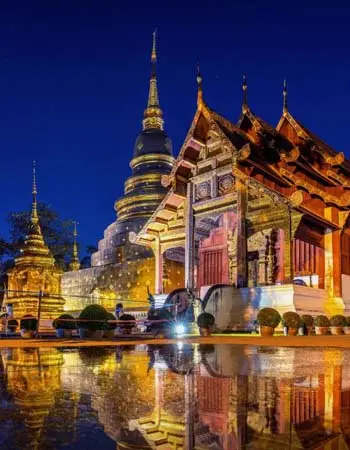
Thailand’s cultural identity is closely tied to Theravada Buddhism, which continues to shape daily routines, architecture, and social norms.
Temples are not isolated landmarks—they are active spaces within communities. Across cities and rural regions alike, they serve as centers of activity, reflection, and continuity.
At the same time, Thailand’s population reflects a blend of influences, including Thai, Chinese, Malay, and various hill tribe communities in the north. This diversity contributes to regional variation in both culture and experience.
For travelers, cultural itineraries through Bangkok, Chiang Mai, and historic temple sites across Thailand offer a more connected understanding of these influences.
5. Soft Adventure Across Land and Sea
Thailand offers a wide range of activities that sit between leisure and exploration.
In the north, trekking, river rafting, and nature-based experiences provide access to more rural landscapes. In the south, the Andaman Sea supports kayaking, snorkeling, and island-hopping through some of the region’s most distinctive coastal environments.
It’s worth noting that travel norms have evolved. Ethical considerations now guide many activities—particularly those involving wildlife. Experiences such as elephant observation in responsible sanctuaries have largely replaced practices like riding.
For those interested in this balance, Thailand itineraries that combine light adventure with nature, coastline, and cultural experiences create a well-rounded journey.
6. Wellness and Spa Culture
Thailand has long been associated with wellness, but its appeal goes beyond casual massage.
Across the country, high-end resorts, boutique retreats, and traditional spa centers offer treatments rooted in Thai healing practices—often incorporating herbal therapies, massage techniques, and holistic approaches to relaxation.
Whether integrated into a broader itinerary or experienced as a dedicated retreat, Thailand travel experiences focused on wellness, spa, and relaxation in destinations like Phuket and Chiang Mai offer a slower, more restorative dimension.
7. Night Markets and Everyday Energy
Thailand’s night markets reflect the country’s social rhythm.
As temperatures cool, markets come alive with food stalls, local vendors, and a mix of visitors and residents. These are not curated experiences—they are part of daily life, where dining, shopping, and social interaction overlap.
Beyond shopping, night markets offer one of the easiest ways to engage with local culture—sampling regional dishes, observing daily routines, and moving through environments that feel active but unstructured.
8. A Culture of Hospitality
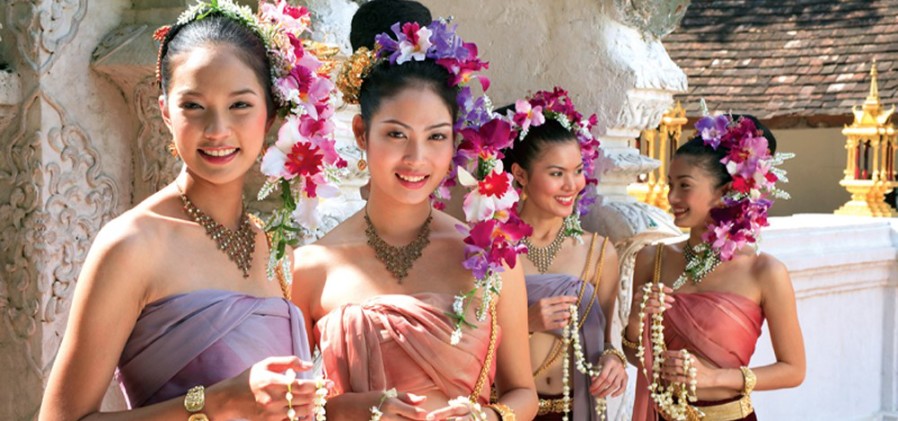
Thailand’s reputation as the “Land of Smiles” is rooted in cultural norms that emphasize respect, composure, and approachability.
While the phrase is often overused, the underlying experience remains consistent. Interactions tend to feel welcoming without being performative, shaped by values that prioritize harmony and consideration.
For travelers, this translates into an environment that feels accessible—whether navigating cities, engaging with local communities, or simply moving through daily interactions.
A Destination That Continues to Evolve
Thailand’s appeal is not static.
Infrastructure continues to improve, with expanded flight access, upgraded transportation networks, and a growing range of accommodations across all levels. At the same time, there is increasing attention to sustainability, overtourism management, and preservation of natural and cultural sites.
For travelers today, this creates an opportunity to experience Thailand with both ease and intention.
For those exploring where to begin, reviewing our private, fully customizable Thailand itineraries that combine beaches, culture, cuisine, and regional highlights offers a practical way to shape a journey that feels cohesive and well-paced.
A Final Thought
Its strength lies in how naturally its elements come together—coastlines, culture, food, and atmosphere forming a destination that adapts to different travel styles without losing its identity.
Whether approached through relaxation, exploration, or cultural immersion, Thailand continues to offer a travel experience that feels both complete and distinctly its own.