Landscapes shift quickly here—limestone bays, highland valleys, and coastal stretches—and daily life carries a rhythm that feels both grounded and inviting. For couples, this variety becomes the trip itself. A morning in Hanoi’s Old Quarter gives way to an evening on a quiet beach in central Vietnam. A few days in the Mekong Delta feel worlds apart from the energy of Saigon. The journey moves naturally between stillness and activity, nature and city, retreat and discovery.
For those beginning to explore possibilities, private Vietnam itineraries combining culture, coastline, and secluded retreats offer a way to shape these contrasts into a single, cohesive experience.
Landscapes That Invite You to Slow Down
That sense of contrast is clearest in Vietnam’s natural settings, where the experience is often best approached less as sightseeing and more as time to settle in.
In the north, Ha Long Bay remains one of the country’s defining landscapes. An overnight cruise allows the bay to reveal itself gradually, as limestone formations shift with light, distance, and weather. Evenings here are unhurried, often spent on deck as the horizon softens.
Ninh Binh offers a quieter inland counterpart. Limestone karsts rise from rice fields and river valleys, creating a landscape that feels both dramatic and deeply rural. Time here moves at a slower pace—by boat, bicycle, or quiet village roads.
Further south, Hoi An brings a gentler rhythm. Days can unfold between countryside lanes, the old town, riverside cafés, and the Thu Bon River at sunset. It is a place that naturally lends itself to shared time rather than overly structured activity.
For couples drawn even further into the countryside, Pu Luong adds another layer—terraced fields, small villages, and a more remote sense of stillness.
Cities with Character and Contrast
Vietnam’s cities bring a different dimension to the journey—more kinetic, but equally compelling.
In Hanoi, the past remains close to the surface. The Old Quarter’s narrow streets, colonial façades, and markets create a sense of continuity that invites exploration without a fixed plan. Cafés and small eateries offer moments to pause and observe rather than rush through.
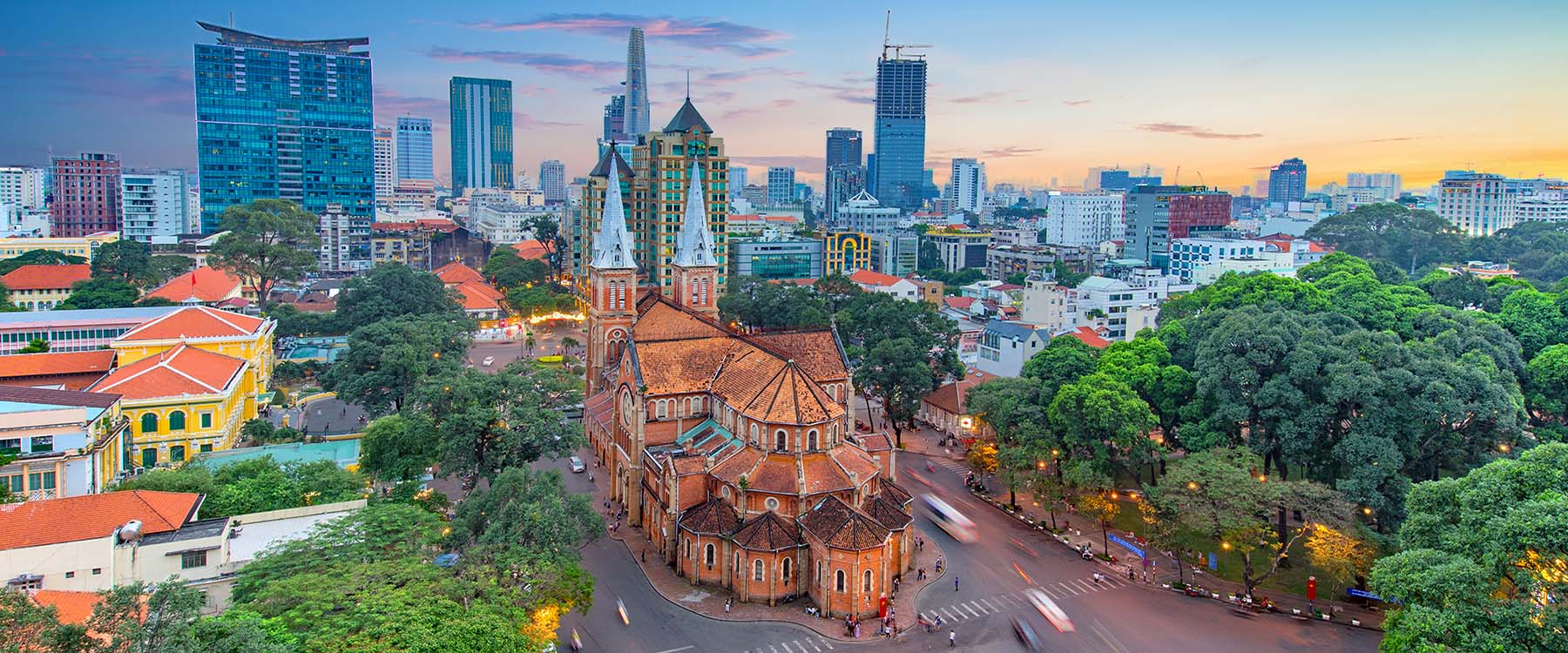
Further south, Ho Chi Minh City presents a more contemporary energy. Rooftop bars, modern dining, and evolving neighborhoods shape a city that feels forward-moving while still anchored in its history.
Together, these cities provide contrast—not competition—within the overall journey.
A Culinary Thread That Connects It All
Food in Vietnam is not a single experience, but a continuum that runs through every part of the country.
From street-side bowls of pho and freshly made banh mi to more refined interpretations of regional dishes, meals become part of the rhythm of travel. Markets, small restaurants, contemporary dining spaces, and hands-on culinary experiences all contribute to a landscape that feels both accessible and deeply rooted.
Vietnamese coffee adds another layer to this rhythm. Whether it’s a slow-dripped cà phê sữa đá in Hanoi, a quiet café stop in Hoi An, or a more contemporary coffee experience in Saigon, these pauses become part of how the country is experienced—unhurried, local, and easy to share.
For couples, Vietnam culinary tours featuring local markets, cooking classes, street food, and regional cuisine offer a more immersive way to experience the country together, often through moments that feel simple, unstructured, and unexpectedly memorable.
Places to Stay — From Heritage to Retreat
Where you stay in Vietnam often shapes how the destination is experienced.
In Hanoi, properties like the historic Sofitel Legend Metropole Hanoi offer a connection to the city’s past, blending colonial architecture with modern comfort.
In the north, retreats such as Avana Retreat provide a more secluded setting—nestled within mountain landscapes where the pace slows considerably.
Along the central coast, InterContinental Danang Sun Peninsula Resort brings together dramatic design and natural surroundings, with views that extend from jungle to sea.
Each offers a different interpretation of luxury—less about uniformity, more about setting.
A Coastline Meant for Pause
With a coastline stretching the length of the country, Vietnam offers a range of beach experiences—each with its own character.
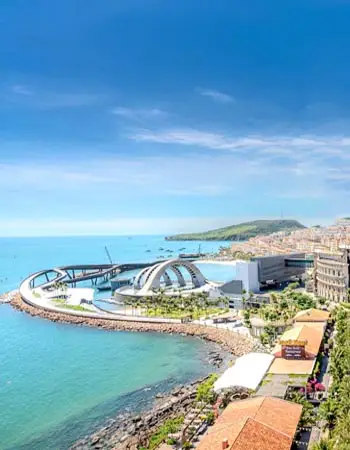
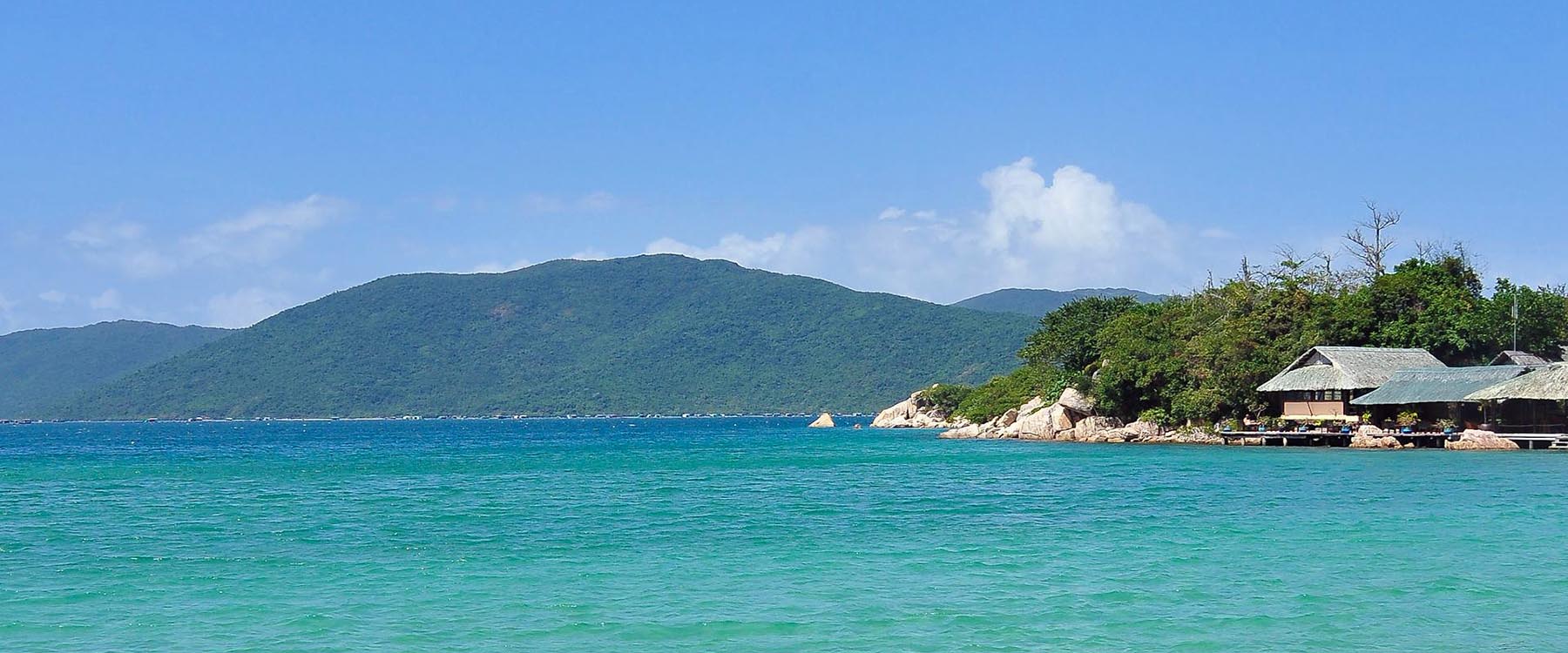
In Danang, the coast pairs naturally with Hoi An, offering broad beaches, refined resorts, and easy access to cultural touring. Nha Trang brings a more active seaside atmosphere, with coastal leisure balanced by nearby islands and surrounding landscapes.
Further south, Phu Quoc offers a more resort-driven beach escape, with calm waters, sunset-facing shores, and a slower rhythm that works well at the end of a broader Vietnam journey.
Together, these destinations provide a natural counterbalance to the inland portions of the trip—giving couples space to pause, unwind, and let the journey settle.
A Final Thought
Vietnam is not defined by a single moment or setting.
It is experienced through contrast—between city and countryside, movement and stillness, structure and spontaneity. For couples, that range allows a journey to take shape organically, with each place adding a different dimension to the experience.
Over time, it becomes less about any individual highlight and more about how those moments connect.
However you choose to travel, Vietnam offers the space—and the rhythm—for something more personal to unfold.