India Travel Guides
Practical Tips and Insights for Traveling in India
India Travel Guides
Everything You Need to Know Before You Go
At Explorient, we believe every exceptional journey begins with understanding — especially when traveling through a country as layered and dynamic as India. Our India Travel Essentials are crafted to help you navigate the practical side of your trip with clarity and confidence, from preparing your documents and arranging communications to understanding travel protection options that safeguard your plans. Inside, you’ll find thoughtful guidance shaped by on-the-ground expertise, along with clear answers to frequently asked questions that make logistics feel straightforward. Carefully curated, these resources turn preparation into an assured first step toward experiencing India with ease and readiness.
India's Destinations
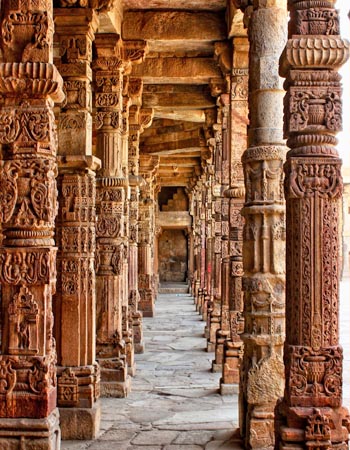
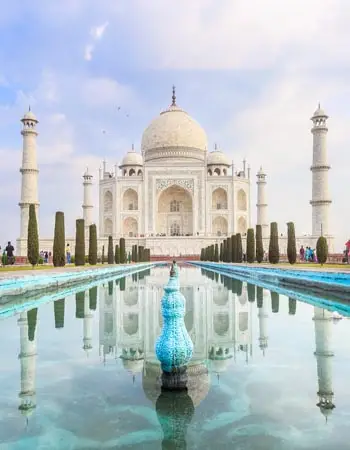
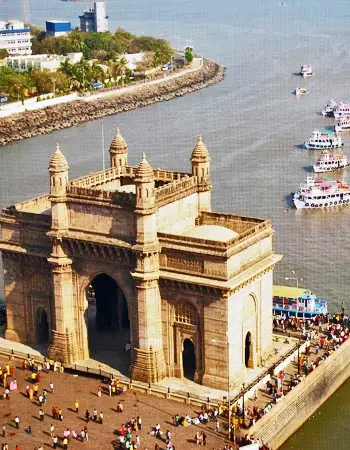
Golden Triangle
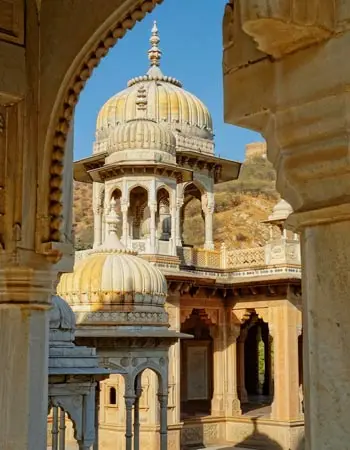
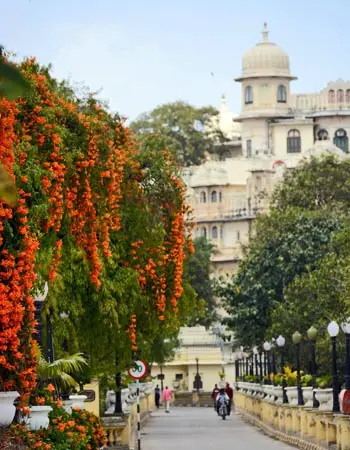
Rajasthan & Western loop
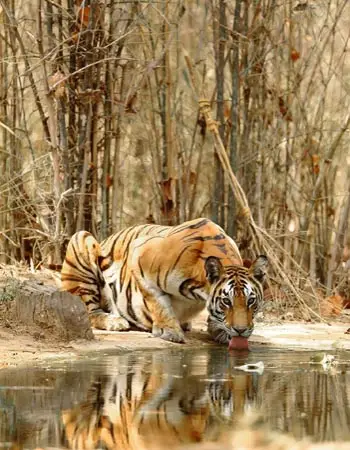
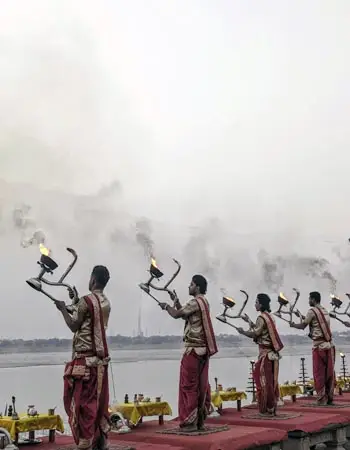
Spiritual East
PRACTICAL TIPS
- Passport & Visa
- Holidays
- Airport Taxes
- Baggage
- Climate & Clothing
- Communications
- Currency
- Customs & Etiquette
- Customs Regulations
- Electricity
- Food & Water
- Health Matters
- Tipping
- Transportation
- What to Pack
Passports & Visas: Your Smooth Entry to India
From Delhi’s grand boulevards and Mughal-era monuments to Rajasthan’s desert cities, coastal hubs like Mumbai, and the sacred ghats of Varanasi, India offers a journey defined by scale, history, and cultural richness. Taking care of your passport and visa arrangements in advance helps ensure a smooth arrival—so you can focus on exploring the landscapes, architecture, and traditions that shape this remarkable country.
Passport Validity
- Your passport should be valid for at least six months from the date of arrival in India.
- Make sure you have at least two blank pages available for immigration stamps.
- Airlines may deny boarding if these conditions are not met, so review your passport well before departure.
e-Visa for Tourists
- Citizens of many countries, including the United States, Canada, the UK, Australia, and much of Europe, are eligible for India’s e-Visa program.
- Tourist e-Visas are typically available in multiple validity options, such as 30 days, one year, or five years, with specific stay limits per visit.
- Applications are completed online prior to travel, and the approved e-Visa should be carried in printed or digital form for presentation on arrival.
Visa on Arrival (Limited Eligibility)
- India’s Visa on Arrival facility is limited to citizens of select countries (such as Japan and South Korea, and certain UAE nationals under specific conditions).
- Most travelers should plan on obtaining an e-Visa or a regular tourist visa before departure.
Regular Tourist Visas
- Those who prefer traditional documentation or anticipate longer or repeated stays may apply for a Tourist Visa through an Indian Embassy or Consulate.
- Depending on nationality and visa type, validity can range from several months to multiple years, often with multiple entries permitted.
Proof of Onward Travel & Accommodation
- Immigration authorities may request proof of onward or return travel within your visa’s permitted stay.
- Having confirmed accommodation details for at least your first night in India is recommended and may be requested at check-in or on arrival.
Where to Double-Check
- Official Government of India visa portal
- Your nearest Indian Embassy or Consulate
- Your own government’s current travel advisory website
With your documentation prepared and checked against official guidance, entering India is typically straightforward—your first confident step into a country defined by deep history, regional diversity, and enduring cultural traditions.
Holidays in India: Travel with Ease and Awareness
India’s holiday calendar is shaped by its many religions, regions, and cultural traditions. From nationwide observances to deeply local festivals, celebrations often bring color, ceremony, and community activity to cities and villages alike. With a bit of preparation, traveling during these periods can be smooth and rewarding—allowing you to appreciate India’s cultural depth without unexpected interruptions.
National Public Holidays
- India recognizes several national holidays, including Republic Day (Jan 26), Independence Day (Aug 15), and Gandhi Jayanti (Oct 2), along with major religious observances.
- During large festivals such as Diwali or Eid, domestic travel increases significantly as families gather across the country.
- Banks, government offices, and select attractions may close or adjust hours on public holidays, particularly in major cities.
Religious & Cultural Celebrations
- Diwali (Festival of Lights): One of India’s most important festivals, observed with lamps, sweets, and family gatherings. Fireworks and celebrations may affect traffic and local operating hours.
- Holi (Festival of Colors): A spring celebration marked by colored powders, music, and public festivities. Certain areas may experience road closures or crowd-related delays.
- Eid al-Fitr & Eid al-Adha: Widely observed by India’s Muslim communities, often affecting market hours and local business schedules.
- Navratri & Durga Puja: Major festivals in several states, featuring processions, decorated pavilions, and increased evening activity.
Travel Tips During Holidays
- Plan domestic flights, trains, and accommodations early during peak festival seasons, as demand increases nationwide.
- Expect heavier traffic in major cities and around temples or festival grounds.
- Some monuments, museums, and markets may adjust opening hours—your guide or specialist will help coordinate plans accordingly.
Helpful Resources
- Government of India public holiday calendar
- State tourism websites for regional observances
- Your Explorient travel specialist for customized holiday planning
With an understanding of India’s holiday rhythms, your journey becomes even more enriching—offering insight into longstanding traditions, community celebrations, and the cultural vibrancy woven into daily life across the country.
Airport Taxes in India: Simple, Seamless, and Traveler-Friendly
Flying through India is designed to be straightforward for international visitors, and that includes airport taxes. Most fees are already built into your airline ticket, ensuring a smooth departure experience without unexpected payments or complicated procedures.
Included in Your Ticket
- All standard airport taxes and service fees—such as the Passenger Service Fee (PSF) and User Development Fee (UDF)—are typically included in the fare you purchase.
- Because these charges are prepaid, you won’t need to pay anything additional at check-in or before boarding.
- This system keeps the arrival and departure process simple and stress-free for travelers.
Domestic vs. International Flights
- Both domestic and international tickets include the required airport fees, with amounts varying slightly by airport and airline.
- Major hubs like Delhi (DEL) and Mumbai (BOM) may have higher fees due to large-scale modernization, but these remain fully integrated into the ticket price.
- Some airlines show these charges itemized during booking, offering extra transparency—not extra cost.
Airports with Higher Fees
- Airports that have recently expanded—such as Bangalore (BLR), Hyderabad (HYD), and Cochin (COK)—may reflect slightly higher development fees in ticket prices.
- These charges support ongoing improvements that enhance comfort, efficiency, and overall traveler experience.
What Travelers Need to Prepare
- No on-site tax payments are required when departing India; everything is handled through your airline ticket.
- Keeping your e-ticket or printed confirmation handy can be helpful if staff need to review fare details.
- If you’re ever unsure whether fees were included, a quick check with your airline—or your Explorient travel specialist—will provide peace of mind.
Helpful Resources
- Your airline’s fare breakdown during booking
- Official websites for major Indian airports (DEL, BOM, BLR, HYD)
- Your Explorient travel specialist for personalized guidance
With airport taxes already taken care of, your journey through India’s airports remains smooth and reassuring—letting you focus on the adventure ahead, not the paperwork behind it.
Baggage in India: Smooth Handling for a Stress-Free Journey
Understanding baggage guidelines before you travel helps ensure a relaxed and seamless experience across India’s airports. Whether you’re flying internationally or within the country, knowing what to expect makes moving between destinations easy and worry-free.
International Baggage Allowances
- Most international airlines flying to India include at least one checked bag in the fare, though exact allowances vary by carrier and class of service.
- Economy travelers typically receive 20–23 kg (44–50 lbs), while premium cabins may offer higher limits.
- Carry-on allowances also differ by airline; reviewing your ticket details ahead of time keeps surprises to a minimum.
Domestic Flight Considerations
- Domestic airlines in India often have lower baggage allowances than international carriers—usually around 15–20 kg (33–44 lbs) for checked bags.
- Excess baggage fees can apply, so it’s helpful to confirm allowances if you’re connecting to a domestic flight after arriving internationally.
- Many carriers allow you to pre-purchase additional weight at a reduced rate compared to paying at the airport.
Cabin Baggage Tips
- Most Indian airlines permit one cabin bag plus a personal item, such as a handbag, laptop case, or small backpack.
- Size and weight limits vary, so checking your airline’s guidelines ensures a smooth boarding process.
- Keep essential items—medications, documents, valuables—in your carry-on for convenience and security.
Security & Screening Expectations
- Security screening in India is thorough but efficient; separating electronics and liquids is standard practice.
- At some airports, passengers may receive stamped security tags—keep these visible until boarding.
- Sharp objects and restricted items follow typical international guidelines.
Delays & Lost Baggage
- If your luggage is delayed, airlines in India follow established international procedures to locate and deliver it promptly.
- Having a luggage tag with your hotel details makes reunions quicker.
- Your Explorient travel specialist can assist with follow-up if additional support is needed.
Helpful Resources
- Your airline’s baggage policy page
- Major Indian airport websites for terminal-specific regulations
- Your Explorient travel specialist for personalized packing guidance
With clear expectations and a few simple checks before you fly, managing baggage throughout India becomes easy and stress-free—ensuring your journey stays focused on discovery, not logistics.
Climate & Clothing in India: Stay Comfortable Across Diverse Regions
India’s climate varies widely across its vast geography—from the cool northern plains and desert heat of Rajasthan to the tropical warmth of southern coasts. Packing with these differences in mind ensures you stay comfortable and prepared as you explore the country’s many landscapes and cities.
Understanding India’s Climate
- Winter (Oct–Mar): Northern India experiences cooler, pleasant weather ideal for sightseeing; evenings can be chilly in Delhi, Agra, and Rajasthan.
- Summer (Apr–Jun): Temperatures rise significantly, especially in inland regions. Lightweight, breathable clothing is essential.
- Monsoon (Jul–Sep): Rain showers vary by region, bringing lush scenery but higher humidity. Coastal areas and central India see the most rainfall.
- Regional Variation: Hill stations such as Shimla, Darjeeling, and Leh can be cold year-round; southern India remains warm regardless of season.
Recommended Clothing
- Lightweight layers are ideal for shifting temperatures, especially in winter months when days are warm but nights cool quickly.
- Breathable fabrics like cotton or linen help with heat and humidity across much of the country.
- Comfortable walking shoes are essential for exploring historic sites, forts, markets, and temples.
- A light jacket or shawl is useful in air-conditioned spaces, cooler evenings, and higher-altitude regions.
- Rain protection—an umbrella or a packable rain jacket—helps during monsoon season or in coastal cities.
Respectful Attire for Cultural Sites
- At temples, mosques, and other sacred spaces, modest clothing is appreciated. Covering shoulders and knees is generally recommended.
- Some religious sites ask visitors to remove shoes; slip-on footwear can be convenient.
- A lightweight scarf can be useful for both sun protection and modesty when needed.
Packing Tips for Comfort
- Sun protection—hat, sunglasses, and sunscreen—is essential, especially in open-air sites and desert regions.
- Moisture-wicking layers help during hot months or active exploration days.
- Insect repellent is helpful in humid or rural areas.
- Neutral colors are practical for travel and show less dust in drier climates.
Helpful Resources
- Regional weather forecasts for your travel dates
- Local advisories for seasonal conditions
- Your Explorient travel specialist for tailored packing guidance
With a thoughtful selection of light layers, modest options for cultural visits, and climate-aware essentials, you’ll stay comfortable and well-prepared throughout your journey across India’s diverse regions.
Communication in India: Staying Connected with Ease
Staying in touch while traveling through India is generally straightforward, thanks to widespread mobile coverage, modern airports, and reliable hotel connectivity. A little preparation before arrival helps ensure you can navigate cities, coordinate plans, and access travel information without interruption.
Mobile Phones & SIM Cards
- India’s major carriers, such as Jio, Airtel, and Vi, offer strong nationwide coverage across urban centers and most tourist regions.
- Travelers can purchase a local SIM card at airports or authorized retailers; a passport and ID photo are typically required for registration.
- Prepaid plans with generous data allowances are inexpensive and convenient for maps, messaging, and ride-share services.
International Roaming
- Most global mobile providers offer roaming packages for India, though prices vary by carrier.
- Roaming is convenient for short visits or travelers who prefer not to switch SIM cards.
- Check your provider’s rates in advance to avoid unexpected charges.
Wi-Fi Availability
- Hotels, cafés, airports, and many restaurants offer complimentary Wi-Fi, often with stable speeds suitable for browsing and communication.
- Some connections may require a phone number or OTP (one-time password) for access.
- Public Wi-Fi in major cities is increasingly common but may have variable reliability.
Useful Apps for Travel
- Ride-share apps like Uber and Ola are widely used in major cities.
- Google Maps is reliable for navigation across urban and rural regions.
- WhatsApp is the preferred platform for local communication, including hotel coordination and guide contact.
Tips for Smooth Connectivity
- Carry a portable charger for long sightseeing days, as high temperatures can drain batteries more quickly.
- Keep your passport handy when purchasing or registering a SIM card.
- Download offline maps for regions with intermittent coverage, such as wildlife reserves or remote countryside areas.
Helpful Resources
- Official websites of major Indian mobile providers
- Airport SIM card kiosks for quick activation
- Your Explorient travel specialist for tailored connectivity advice
With dependable mobile networks, accessible Wi-Fi, and simple prepaid options, staying connected throughout India is easy and reassuring—helping you move confidently from one destination to the next.
Currency in India: Practical Tips for Smooth Transactions
India uses the Indian Rupee (INR), and everyday payments are generally straightforward once you’re familiar with how cash, cards, and digital options work across the country. Preparing a few essentials ahead of time will help you navigate markets, transportation, and daily purchases with ease.
The Indian Rupee
- The national currency is the Indian Rupee (INR), available in notes ranging from 10 to 2000 rupees, though higher denominations may be less commonly circulated.
- Exchange rates fluctuate regularly, so checking your bank or a trusted currency converter before traveling is helpful.
Using Cash
- Cash remains widely accepted, especially in markets, small shops, and rural areas.
- ATMs are common in cities and tourist centers, offering a convenient way to withdraw rupees as needed.
- Smaller bills are useful for taxis, tips, and minor purchases; vendors may not always have change for larger notes.
Credit & Debit Cards
- Major hotels, restaurants, and retail stores accept Visa, Mastercard, and increasingly American Express.
- Chip-enabled cards work reliably, though carrying a backup payment method is recommended.
- Some establishments may require a minimum charge for card payments.
Digital Payments
- India’s digital payment systems are widespread, though often more accessible to residents with local accounts.
- International travelers typically rely on cards and cash, but some merchants may accept global digital wallets.
- Ride-share apps and select retailers integrate seamless in-app payment options.
Money Exchange Tips
- Exchange currency at airports, banks, or authorized money changers for reliable rates and security.
- Always count your bills before leaving the counter and keep receipts, which may be required when converting rupees back to foreign currency.
- Avoid exchanging money on the street, where rates and legitimacy can be uncertain.
Helpful Resources
- Your bank’s currency conversion and international withdrawal policies
- Reputable currency converter apps for real-time rates
- Your Explorient travel specialist for personalized financial guidance
With a basic understanding of currency norms and a mix of cash and card options, navigating financial transactions in India becomes simple and stress-free—allowing you to focus fully on the experiences ahead.
Customs & Etiquette in India: Traveling with Respect and Ease
India’s cultural landscape is shaped by centuries of tradition, regional diversity, and deeply rooted social norms. Understanding a few key customs helps ensure smooth, respectful interactions as you explore temples, markets, historic sites, and local communities across the country.
Greetings & Social Interaction
- A common greeting is namaste, expressed with palms pressed together and a slight bow; it’s a warm and respectful gesture used throughout India.
- Handshakes are common in urban areas, though often more reserved between men and women depending on local custom.
- Personal space may vary, but respectful distance is appreciated, especially in formal or religious contexts.
Dress & Modesty
- Modest attire is recommended, particularly when visiting temples, mosques, and rural areas. Covering shoulders and knees is a helpful guideline.
- Some religious sites require the removal of shoes; socks can be useful for hot or cool surfaces.
- A lightweight scarf can serve both as sun protection and a modest covering when needed.
Temple & Sacred Site Etiquette
- Photography may be restricted in certain parts of temples or holy sites; look for posted signs or ask your guide.
- Offerings or donations are voluntary, but small contributions are appreciated in many temples.
- Maintaining quiet and respectful behavior is important during ceremonies and prayers.
Dining Practices
- In traditional settings, meals may be eaten with the right hand, as the left is generally considered unclean for dining.
- Sharing food from communal dishes is common, though passing items directly from hand to hand may be avoided.
- When dining in homes or rural settings, waiting to be seated or invited to begin eating is courteous.
Public Behavior & Local Norms
- Public displays of affection are generally minimal in India; keeping expressions discreet is respectful.
- Queueing is common in airports, malls, and formal settings—though crowd flow can vary in busy markets and festivals.
- Removing shoes before entering someone’s home is widely practiced and appreciated.
Gift Giving & Interaction with Hosts
- Small gifts, such as sweets or souvenirs from your home country, are thoughtful when visiting someone’s home.
- Gifts are often given with both hands or the right hand, reflecting politeness and intention.
Helpful Resources
- Your Explorient travel specialist for destination-specific etiquette tips
- Local guides who can advise on customs unique to particular regions
With a basic understanding of India’s customs and etiquette, your interactions throughout the country become more meaningful and respectful—enhancing your overall travel experience and creating smoother connections along the way.
Customs Regulations in India: A Smooth Arrival & Departure
India’s customs procedures are generally straightforward, and knowing what you can bring in and out of the country helps ensure a seamless transition through the airport. These guidelines cover essential allowances, restricted items, and helpful tips to keep your journey stress-free from start to finish.
Duty-Free Allowances
- Most travelers may bring limited quantities of alcohol, cigarettes, and perfume into India without duty. Allowances vary by nationality, so confirm specifics before travel.
- Personal items such as clothing, electronics, and travel essentials are typically permitted without issue, provided they are for personal use and not commercial resale.
- Residents returning to India may have different duty-free thresholds based on length of stay abroad.
Cash & Valuables
- You may bring up to USD 5,000 in cash or USD 10,000 in combined cash and traveler’s checks without declaration. Amounts exceeding this must be declared upon arrival.
- High-value electronics or professional equipment may require documentation; carrying purchase receipts is helpful.
Restricted & Prohibited Items
- Firearms, ammunition, and narcotics are strictly prohibited and carry severe penalties.
- Satellite phones, drones, and high-powered radio equipment may require prior approval or special permits.
- Importing fresh produce, seeds, soil, or other agricultural items is restricted to prevent biosecurity risks.
- Cultural artifacts, antiques over 100 years old, and certain animal products governed by CITES regulations cannot be exported without official authorization.
Prescription Medications
- Travelers bringing prescription medication should keep it in original packaging and carry a copy of the prescription or doctor’s note.
- Some controlled substances require additional documentation; check regulations if you use medications with strict international controls.
Green & Red Channels
- If you have no dutiable goods, you may proceed through the Green Channel upon arrival.
- If carrying restricted items, high-value goods, or amounts exceeding duty-free limits, use the Red Channel for declaration—officers are generally helpful, and the process is usually straightforward.
Before You Travel
- Review current customs regulations on the official Indian Customs website or your government’s travel advisory portal.
- Keep receipts for electronics, luxury items, and jewelry to avoid misunderstandings during departure.
- Your Explorient travel specialist can help clarify allowances and restrictions based on your itinerary.
Understanding India’s customs regulations ensures an easy start and finish to your journey—allowing you to move confidently through the airport and focus on the experiences ahead.
Electricity in India: Staying Powered Throughout Your Journey
Staying connected and keeping your devices charged in India is simple with a bit of preparation. The country uses a standardized voltage and common plug types, and most hotels provide convenient charging options for international travelers.
Voltage & Frequency
- India operates on 230V, 50Hz electrical power—compatible with many modern electronics such as laptops and phone chargers.
- Travelers from countries using 110V systems (such as the U.S. and Canada) should check whether devices are dual-voltage before plugging them in.
- If a device is not dual-voltage, a voltage converter will be required.
Plug Types
- India primarily uses Type C, Type D, and Type M plug configurations.
- Most international visitors will need a universal travel adapter; these are widely available and lightweight to pack.
- Many upscale hotels offer multi-plug outlets that can accommodate international plugs without an adapter, though this should not be relied upon exclusively.
Hotel & Accommodation Access
- Luxury and boutique hotels typically provide ample outlets near desks and bedside tables, along with USB charging ports.
- Some heritage properties may have fewer outlets in guest rooms due to historic design—packing a compact power strip can be helpful.
Charging Tips for Travelers
- Carry a spare power bank for long travel days or excursions with limited access to outlets.
- Keep all chargers and adapters in your carry-on, especially for international flights and long layovers.
- Protect sensitive electronics with surge-protected adapters when possible, as voltage fluctuations can occur in some regions.
With the right adapter and a little preparation, staying powered in India is uncomplicated—ensuring your devices are ready to capture every moment and support your travels from city centers to rural landscapes.
Food & Water: Staying Healthy While Enjoying India’s Cuisine
India’s culinary landscape is one of its greatest highlights—from regional thalis and fragrant curries to fresh coastal seafood and vibrant street snacks. With a bit of awareness, you can enjoy exceptional meals throughout your journey while keeping your health and comfort in mind.
Drinking Water
- Tap water in India is generally not recommended for drinking.
- Opt for sealed, bottled water or filtered water provided by reputable hotels and restaurants.
- Avoid ice unless you know it has been made from purified water—most upscale hotels use filtered ice safely.
- Keep hydrated, especially in warm climates; carrying a reusable bottle that can be refilled with filtered water is helpful.
Food Safety
- Choose restaurants and eateries with good hygiene standards, especially in major cities and tourist areas.
- Freshly cooked dishes are typically the safest option, as high heat reduces the risk of contamination.
- Be cautious with raw foods such as salads or cut fruit unless they are served in reputable hotels or prepared in front of you.
- Dairy products can vary in handling; stick to pasteurized items when possible.
Street Food Considerations
- Street food can be delicious but varies widely in preparation standards.
- If trying street snacks, choose vendors with high turnover—fresh, fast-moving food is generally safer.
- Look for stalls where everything is cooked to order and served hot.
Spice & Dietary Sensitivities
- Indian cuisine can be flavorful and spicy; if you prefer milder dishes, simply request “less spice”—chefs are accustomed to tailoring heat levels for travelers.
- Most restaurants offer vegetarian, vegan, and gluten-free options due to India’s diverse dietary traditions.
- If you have food allergies, inform your guide or hotel staff so they can communicate with kitchens in advance.
Where You’ll Eat on an Explorient Journey
- Your itinerary typically includes vetted restaurants known for both safety and quality.
- Hotels selected by Explorient maintain high hygiene standards and offer a wide range of regional and international dishes.
With a thoughtful approach, dining in India becomes both safe and rewarding—opening the door to one of the world’s richest and most varied culinary traditions.
Health Matters: Staying Well Throughout Your Journey
Traveling through India is an enriching experience filled with vibrant cities, serene landscapes, and remarkable cultural encounters. With a few simple health precautions, you can enjoy your trip with confidence and comfort from start to finish.
General Wellness
- India does not require vaccinations for most travelers; however, routine vaccines should be up to date.
- Consult your healthcare provider about recommended travel immunizations such as hepatitis A, typhoid, or others based on your itinerary.
- Bring any prescription medications in original packaging, along with enough supply for the entire trip.
- Hand sanitizer and wet wipes are useful for days spent exploring markets, monuments, and rural areas.
Air Quality Considerations
- Major cities like Delhi can experience elevated air pollution at certain times of year.
- Travelers sensitive to air quality may benefit from carrying N95 masks or small portable purifiers.
- Indoor environments at hotels and vehicles are typically well-filtered and comfortable.
Food & Water Safety
- Drink bottled or filtered water only; avoid tap water and ice unless confirmed safe.
- Choose reputable restaurants and opt for freshly cooked foods to minimize digestive discomfort.
- Your Explorient guide will help steer you toward safe, high-quality dining options throughout your trip.
Heat & Hydration
- Temperatures in many regions can be high, particularly from March to June.
- Stay hydrated, take breaks in shaded or air-conditioned areas, and pace outdoor activities as needed.
- Light clothing, sunscreen, and a hat are helpful for long days outdoors.
Medical Facilities & Assistance
- India has excellent private hospitals and clinics in major cities with English-speaking staff.
- In remote areas, basic medical facilities are available, and your guide can help coordinate assistance if needed.
- Travel insurance is strongly recommended to cover medical care, unexpected delays, or emergency evacuation.
Insect Protection
- Mosquitoes can be present, especially in warmer months and rural locations.
- Use repellent, wear long sleeves in the evening, and take advantage of hotel-provided measures like screened rooms or plug-in repellents.
With thoughtful preparation and a few everyday precautions, staying healthy in India is straightforward—allowing you to fully enjoy its culture, cuisine, and extraordinary landscapes with peace of mind.
Tipping: A Simple Guide to Showing Appreciation
Tipping in India is a thoughtful way to acknowledge good service, and while not mandatory, it is warmly appreciated across the hospitality and tourism industry. A few general guidelines can help you navigate when and how much to tip, ensuring comfort for both you and the service providers you meet along the way.
Hotels & Housekeeping
- Porters typically receive a small gratuity per bag, depending on the hotel category.
- Housekeeping staff may be tipped every few days or at the end of your stay; many guests leave a modest amount in an envelope.
- Higher-end hotels may include a service charge, but small personal tips are still welcome.
Restaurants & Cafés
- Many restaurants add a service charge of around 5–10%. When this is included, additional tipping is optional.
- If no service charge appears, leaving 5–10% of the bill is customary; more for exceptional service.
Drivers & Guides
- Private drivers often accompany travelers for multiple days; a gratuity at the end of the journey is a respectful way to acknowledge their care and professionalism.
- Local guides generally receive a tip per half-day or full-day tour, reflecting their expertise and the level of service provided.
- Your Explorient specialist or guide can provide suggested ranges based on region and length of service.
General Situations
- Small tips are appropriate for spa treatments, salon services, and assistance from station or airport personnel.
- Rounding up fares for taxis or short transfers is common, though app-based rides typically do not require tipping.
- In markets or small local shops, tipping is not expected.
Handled with simplicity and courtesy, tipping in India becomes a natural part of your travel experience—offering a genuine way to recognize the warm hospitality that defines so much of the journey.
Transportation: Navigating India with Comfort and Ease
While Explorient manages the majority of your transportation—including airport transfers, guided touring, and most intercity travel—India also offers a range of options you may encounter during your journey. Understanding them provides helpful context and can make your free time feel even more effortless.
Domestic Flights
- India’s major cities and regional hubs are well connected by reliable domestic airlines.
- Flights are often the most efficient way to cover long distances, especially between northern and southern regions.
- Airports in Delhi, Mumbai, Jaipur, Udaipur, Varanasi, and other key destinations are modern and traveler-friendly.
Rail Travel
- India’s railway network is one of the most extensive in the world, linking nearly every major destination.
- Select routes—such as Delhi to Agra or Delhi to Jaipur—offer comfortable air-conditioned classes and scenic journeys.
- Train travel is pre-arranged when included in your itinerary; we do not recommend travelers book independently due to varying standards and demand.
Taxis & Rideshares
- App-based services like Uber and Ola provide easy, transparent pricing in major cities.
- Hotel-arranged taxis are a safe and convenient choice for restaurant outings or evening plans.
- Short rides are affordable and ideal during your free time.
Auto-Rickshaws
- Auto-rickshaws remain a lively and practical way to travel short distances.
- Fares are low; some cities use meters, while others may require light negotiation.
- Perfect for casual market visits, wandering historic quarters, or exploring nearby neighborhoods.
Walking & Local Exploration
- Heritage areas such as Old Delhi, Jaipur’s Pink City, Udaipur’s waterfront, and Varanasi’s ghats reward slow exploration.
- Walks may include uneven ground or narrow lanes—comfortable footwear is essential.
- Explorient itineraries include guided segments, but independent strolls add a rich layer to your experience.
Hotel-Assisted Transport
- Luxury hotels can arrange trusted drivers for short outings or dinner transfers.
- This option is especially useful after dark or when navigating unfamiliar areas.
With major logistics taken care of by Explorient, your time in India becomes wonderfully smooth—allowing taxis, rickshaws, and leisurely walks to complement a journey already grounded in comfort and thoughtful planning.
What to Pack: Preparing Comfortably for Your Journey to India
India’s diversity—of climate, culture, and landscapes—means a little thoughtful packing goes a long way. With regions ranging from cool Himalayan foothills to warm coastal plains and bustling historic cities, preparing a versatile and respectful wardrobe helps ensure a comfortable and seamless experience throughout your travels.
Clothing Essentials
- Lightweight, breathable fabrics—linen, cotton, and moisture-wicking materials—are ideal for most regions.
- A modest outfit covering shoulders and knees is useful for temples, mosques, and sacred sites.
- A warm layer or light jacket is recommended for winter mornings in Delhi, Rajasthan, and central India.
- Comfortable walking shoes are essential for markets, forts, old towns, and uneven pathways.
Seasonal Considerations
- Winter (Oct–Mar): Mild days with cooler mornings and evenings—bring layers, a scarf, and a light sweater.
- Summer (Apr–Jun): Hot conditions—pack sun-protective clothing, a hat, and loose, airy fabrics.
- Monsoon (Jul–Sep): Sudden showers are common—carry a compact umbrella and quick-drying attire.
Health & Comfort Items
- Basic medications, band-aids, motion-sickness remedies, and any prescriptions you require.
- Insect repellent, especially for rural or wildlife regions.
- Hand sanitizer and wet wipes for comfort during city exploration.
- Sunscreen and lip balm for strong midday sun.
Electronics & Accessories
- Universal travel adapter (India uses Type C, D, and M plugs).
- Portable charger for long sightseeing days.
- Camera or smartphone with ample storage for capturing architectural and cultural highlights.
Documents & Essentials
- Passport, visa (if required), and printed or digital copies of confirmations.
- Travel insurance details—important for medical, trip delay, or baggage coverage.
- A small daypack for water, sunscreen, and personal items during tours.
With these essentials in hand, you’ll be ready to experience India’s historic cities, vibrant markets, sacred spaces, and varied landscapes with comfort and confidence—no matter the season or region.
Travel Protection Plan
At Explorient, we believe your travel experience should be as carefree and enriching as possible. That’s why we’ve partnered with Allianz Travel Insurance — one of the most trusted names in travel protection — to help safeguard your trip from the unexpected.
WHAT OUR TRAVELERS FREQUENTLY ASK US
Yes. Major destinations such as Delhi, Jaipur, Agra, Udaipur, Mumbai, and Kerala are well-traveled and generally safe. Standard city precautions—using reputable transportation, being mindful of belongings, and staying aware of your surroundings—ensure a smooth experience.
Yes—dietary restrictions can be easily accommodated in India, especially when traveling with a curated itinerary.
Most hotels, upscale restaurants, and reputable local eateries are familiar with a wide range of dietary needs, including vegetarian, vegan, gluten-free, dairy-free, nut-free, and Jain or other religious dietary practices. Staff are generally attentive and will guide you toward suitable options or prepare dishes accordingly.
If you have more specific allergies or medical requirements, sharing them in advance ensures your hotels and guides are fully prepared. India’s culinary diversity makes it surprisingly flexible for many dietary preferences.
Hindi and English are widely used in hotels, airports, and tourism services. While many regions have their own languages, travelers rarely face communication challenges in popular destinations.
Yes. Hotels, restaurants, and modern shops accept major cards. Smaller markets and rural areas prefer cash, so carrying some rupees is helpful.
Absolutely. India offers hands-on cultural workshops, wildlife safaris, boat rides, cooking classes, and luxurious family-friendly hotels. Itineraries can be designed to balance comfort with activities for all ages.
Drone use is tightly regulated and generally requires government approval. Travelers without permits should avoid bringing a drone.
Yes. Alcohol is available in hotels and many restaurants. Some states have partial restrictions, and prices may vary due to regional taxes
India’s national parks operate under strict conservation guidelines. Tiger reserves such as Ranthambore, Bandhavgarh, and Kanha limit visitor numbers and enforce regulated routes to protect wildlife.
While travel insurance isn’t required to enter India, it is strongly recommended for a smooth, secure, and worry-free journey. India is a destination of remarkable depth—historic cities, desert landscapes, hill stations, wildlife reserves, and rural regions all shape the experience. With this variety comes the occasional unpredictability of weather, transportation, and infrastructure, making comprehensive coverage one of the most valuable preparations you can make.
A well-rounded travel protection plan typically includes:
Trip cancellation or interruption
Medical treatment and emergency care
Emergency evacuation (especially important in remote areas or wildlife regions)
Lost, damaged, or delayed baggage
Travel delays or missed connections
Coverage for activities such as wildlife safaris, guided treks, or cultural workshops (depending on your policy)
Major cities like Delhi and Mumbai have excellent private hospitals, but more rural destinations—such as Ranthambore, the Thar Desert, or Himalayan foothill towns—offer limited medical facilities. Travel insurance provides essential reassurance that unexpected situations won’t compromise your comfort or create financial strain during your trip.
Weather-related disruptions during monsoon season, fog delays in northern airports during winter, or sudden schedule changes on domestic flights can occasionally affect travel plans. Insurance helps protect your investment and ensures flexibility when circumstances shift.
For added convenience, Explorient offers a trusted Travel Protection Plan designed specifically for our Asia journeys.
With the right coverage in place, you’re free to experience India’s palaces, markets, temples, and natural landscapes with confidence—knowing every step of your journey is supported and well protected.
Your comfort and peace of mind are our top priorities. If you need assistance at any point during your journey, you’ll have access to our dedicated local support team and 24/7 emergency assistance. Whether it’s a missed train, a sudden schedule change, or unforeseen world events —we’re just a call away and ALWAYS have your back!
For official travel guidance and helpful resources, contact:
What our travelers said about us
SUGGESTED ITINERARIES
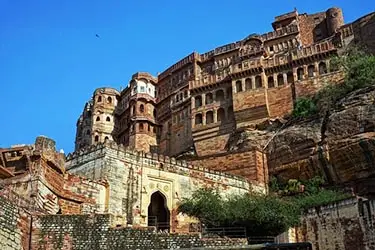
Mystical Gems of India
Mumbai, Aurangabad, Udaipur, Jaipur, Agra, Delhi
An architecture-focused journey through India’s most extraordinary sites, from Ajanta and Ellora’s rock-cut caves to Rajasthan’s palace cities and Mughal
Majestic India
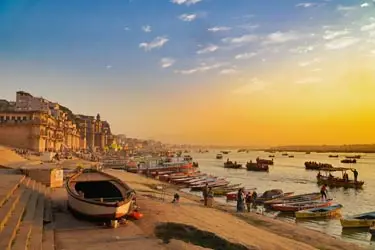
Delhi, Agra, Jaipur, Kolkata, Varanasi
A private journey across India’s imperial cities, sacred river traditions, and cultural centers, offering a deeper exploration of the country’s history, spirituality, and living heritage.

Spectacular India
Delhi, Varanasi, Agra, Ranthambhore, Jaipur, Mumbai
A broader India journey that pairs iconic cities and sacred river traditions with Ranthambore’s tiger landscapes for a more varied and expansive introduction.
Ready to embark on your adventure of a lifetime?
However you imagine Asia, our luxury travel specialists will bring it to life — flawlessly.